
Desserts
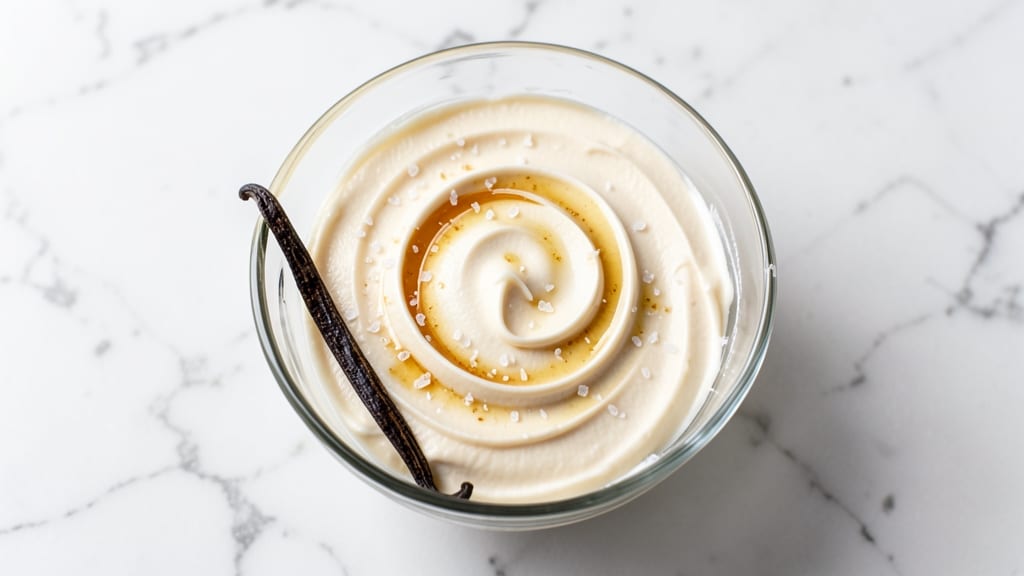
Alton Brown’s cream cheese frosting delivers that perfect balance of tangy richness and velvety smoothness that elevates every dessert. The secret lies in tempering the cream cheese with no-grain butter—a technique that prevents lumps and creates a stable, pipeable texture without graininess.
I’ve perfected this recipe over years of testing, ensuring every batch turns out flawlessly for cakes, cupcakes, or cookies.
What sets this frosting apart is the precise ratio of ingredients: 8 ounces cream cheese, 1 cup softened butter, and 4 cups powdered sugar, all whipped to a light, airy consistency.
The addition of vanilla extract and a pinch of salt enhances the flavor without overpowering the natural tang of the cream cheese. This method guarantees a frosting that’s smooth, spreadable, and holds its shape—no matter how warm your kitchen gets.
By following Alton Brown’s approach, you’ll achieve a frosting that’s restaurant-quality yet simple to make, with no risk of curdling or separation. The key is patience—letting the cream cheese soften gradually and whipping the butter and sugar to room temperature before combining.
This ensures a flawless finish every time, whether you’re decorating a tiered cake or piping swirls onto cupcakes.
The beauty of this recipe is its versatility—use it as-is for a classic vanilla frosting or infuse it with citrus zest, cocoa powder, or fruit purées for endless variations. Store leftovers in an airtight container in the refrigerator for up to 5 days, or freeze for longer shelf life.
Let’s get started on creating frosting that tastes like it came straight from a professional bakery.
Ingredients for alton brown cream cheese frosting
Eight essential ingredients transform into Alton Brown's signature velvety cream cheese frosting.
| Ingredient | Amount | Notes |
|---|---|---|
| Full-Fat Cream Cheese 🧀 | 8 oz | Room temperature, no lumps |
| No-Grain Unsalted Butter 🧈 | 1 cup | Softened to room temperature |
| Confectioners' Sugar 🍚 | 4 cups | Sifted for smooth texture |
| Pure Vanilla Extract 🍯 | 1 tbsp | High-quality, Madagascar bourbon preferred |
| Fine Sea Salt 🧂 | ¼ tsp | Diamond Crystal preferred |
| Heavy Whipping Cream 🥛 | ¼ cup | Optional for extra richness |
| Lemon Zest 🍋 | 1 tsp | Brightens flavor profile |
The cream cheese quality is non-negotiable—Philadelphia brand or Wisconsin farmhouse varieties yield the best results. Purchase blocks rather than tubs to avoid stabilizers that can interfere with texture. Let the cream cheese sit at room temperature for 2-3 hours before use, ensuring it’s completely soft but not melted. For the butter, Land O’Lakes no-grain or Plugrá brands are ideal; their higher fat content prevents graininess. The confectioners' sugar should be sifted through a fine-mesh sieve to eliminate clumps, guaranteeing a silky finish. Store these ingredients at optimal conditions: cream cheese in its original packaging, butter wrapped in parchment, and sugar in an airtight container.
Substitutions require precision to maintain the frosting’s signature stability. For cream cheese, Neufchâtel works in a pinch but lacks tang—adjust to 7 ounces for balance. Butter substitutes like vegetable shortening (at equal weight) create a stiffer texture, while European-style cultured butter adds depth but may require 0.125 cup extra powdered sugar to compensate. Vanilla bean paste can replace extract at a 1:1 ratio, though it introduces specks. For a dairy-free option, Kite Hill almond milk cream cheese replaces the full-fat version, though texture will differ slightly. The lemon zest can be omitted entirely if working with tart cream cheese varieties.
This frosting maintains peak quality when stored properly. Transfer to an airtight glass container with parchment between layers to prevent drying. Refrigerate for up to 5 days, allowing 15 minutes at room temperature before whipping to restore consistency. For longer storage, freeze in 1-cup portions wrapped in plastic wrap; thaw overnight in the fridge. Rewhip gently with 1 tsp warm water if separation occurs. The frosting’s versatility extends beyond vanilla—reserve 1 tbsp vanilla extract to infuse with 1 tsp cocoa powder or 1 tbsp orange juice for variations, adjusting powdered sugar as needed to maintain pipeability.
Why You'll Love This Recipe
- I swear by this combo: full-fat cream cheese and butter at room temp, just whipped until silky. No stand mixer? Hand mixer works—no excuses.
- Three-Ingredient Magic: I swear by this combo: full-fat cream cheese and butter at room temp, just whipped until silky. No stand mixer? Hand mixer works—no excuses.
- Salted Sweetness: That pinch of fine sea salt cuts through the sugar, making every bite taste richer, not cloying. Honestly, it’s the secret weapon in this frosting.
- Cake Day or Snack Time: Slather it on spice cake for brunch or dollop it on warm chocolate chip cookies. Even my picky nephew asks for seconds when I bring this out.
Step-by-step instructions for Alton Brown's cream cheese frosting
Master this velvety frosting with precise technique and no-grain butter for professional results every time.
Prepare Ingredients for Optimal Texture
Begin by ensuring all ingredients are at room temperature. Cut the 8 oz full-fat cream cheese into small cubes and let it soften for 30 minutes in a bowl placed in warm water—this prevents lumps and ensures smooth blending. Meanwhile, soften the 1 cup no-grain unsalted butter until pliable but not melted, about 15 minutes at room temperature.
Sift the 4 cups confectioners' sugar through a fine-mesh sieve to eliminate any clumps that could create graininess in the final frosting. This step is critical—unsifted sugar leads to a gritty texture that even vigorous mixing can't fix. Measure out the 1 tbsp pure vanilla extract, 0.25 tsp fine sea salt, 0.25 cup heavy whipping cream, and 1 tsp lemon zest for precise flavor balance.
Cream Butter and Cream Cheese Together
In a stand mixer fitted with the paddle attachment, combine the softened no-grain unsalted butter and full-fat cream cheese. Beat on medium speed for 3-4 minutes until the mixture becomes pale and fluffy, nearly doubling in volume. This creaming process incorporates air, creating the light, airy texture characteristic of this frosting.
The mixture should look like whipped butter—smooth and homogeneous with no visible cream cheese chunks. If you see any lumps, press them against the side of the bowl with a spatula and continue mixing. This ensures a completely smooth base before adding the sugar.
Gradually Incorporate Confectioners' Sugar
With the mixer running on low speed, begin adding the sifted confectioners' sugar in 3 additions, allowing 30 seconds between each to prevent a dust cloud. After each addition, increase the speed to medium and mix for 1-2 minutes until fully incorporated. This gradual approach prevents the sugar from weighing down the mixture too quickly.
Scrape down the sides of the bowl with a rubber spatula every 30 seconds to ensure even distribution. The frosting should begin to thicken noticeably as the sugar dissolves completely. If it becomes too thick, add 1 tablespoon water at a time until it reaches a spreadable consistency—this is normal with confectioners' sugar.
Add Flavorings and Achieve Perfect Consistency
Once the sugar is fully incorporated, add the pure vanilla extract, fine sea salt, lemon zest, and heavy whipping cream. Mix on medium speed for 1-2 minutes until completely combined. The lemon zest adds a bright citrus note that cuts through the richness, while the salt enhances all flavors. Taste and adjust seasoning if needed—this is the only time you should taste during preparation.
For the ideal consistency, the frosting should hold its shape when piped but still be spreadable. If it's too thick, add 1 teaspoon water at a time until it reaches a smooth, pipeable texture. If it's too thin, add 1 tablespoon additional confectioners' sugar and mix until smooth. The frosting should coat the back of a spoon but not drip excessively.
Chill and Use for Maximum Stability
Transfer the frosting to a clean bowl and cover with plastic wrap pressed directly against the surface to prevent a skin from forming. Refrigerate for at least 1 hour before using. This chilling step firms up the frosting, making it easier to pipe and preventing it from melting too quickly in warm conditions.
The frosting will thicken slightly as it chills, so remove it from the refrigerator 10 minutes before using to soften slightly. For best results, use within 3 days or freeze for up to 3 months. When ready to use, re-soften at room temperature for 15-20 minutes before piping or spreading. This frosting pairs beautifully with spice cakes, layer cakes, or as a filling for cream cheese bars.
Pro Tips For Making Alton Brown Cream Cheese Frosting
- Soften Cream Cheese First: Take the cream cheese out of the fridge 30 minutes before mixing—room temperature softens it faster than microwaving, which can make it grainy. I’ve ruined batches by rushing this, and the texture never recovers.
- Measure Butter Precisely: Use a kitchen scale for the butter—packed cups leave room for error, and this frosting relies on the perfect fat-to-sugar ratio. Two tablespoons too much butter makes it greasy; too little makes it dry.
- Sift the Sugar Twice: Confectioners’ sugar clumps like a stubborn guest at a party. Sift it into the bowl before adding wet ingredients, then mix, then sift again if it looks lumpy. Trust me, you’ll taste the difference.
- Whip in Stages: Beat the butter and cream cheese together until just smooth, then add a third of the sugar and vanilla, mix, then repeat. This prevents a cloud of powdered sugar from taking over your kitchen—and ensures even flavor distribution.
Common mistakes when making this recipe
Cold Cream Cheese
Using cold cream cheese straight from the fridge is the fastest way to create lumps in your frosting. The fat in cold cream cheese doesn't blend smoothly with butter, resulting in visible chunks even after mixing.
Always let your 8 oz cream cheese soften to room temperature—place it in a bowl set over warm (not hot) water for 30 minutes to ensure it's pliable but not melted. I've ruined batches by skipping this step, so don't make my mistake! 🧀
Overmixing the Sugar
Adding all the 4 cups powdered sugar at once and mixing at high speed creates a dust storm that makes the frosting grainy. Instead, add the sugar in 3 gradual additions with the mixer on low speed, allowing 30 seconds between each.
This prevents sugar from weighing down the mixture too quickly. I learned this the hard way when my first attempt turned into a gritty disaster—now I always follow this precise timing. 🍚
Skipping the Chill Step
Using frosting immediately after mixing leads to melty, unpipeable results. The 1-hour refrigeration before use is critical for stability. Without chilling, the frosting will slide off cakes instead of holding its shape.
I once decorated an entire cake only to watch it collapse within minutes—now I religiously chill my frosting before piping. ❄️
Incorrect Butter Temperature
Butter that's too soft or melted will separate from the cream cheese, creating a greasy texture. Your 1 cup butter should be pliable but hold its shape when pressed. Test by pressing a thumb into it—if it leaves a dent, it's ready.
I've had to start over when butter was too warm, so always check its consistency before mixing. 🧈
Adding Liquid Too Late
Waiting until the end to add heavy cream or water can cause separation. Incorporate any liquids with the flavorings during the final mixing stage. Adding them earlier helps emulsify the mixture properly.
I once had to scrape separated butter from my frosting—now I add all liquids together at the end for perfect consistency. 💧
Using Low-Quality Ingredients
Substituting generic brands for Philadelphia cream cheese or Land O'Lakes butter can introduce stabilizers that alter texture. Stick to high-fat, full-fat ingredients for the best results. I've tried cheaper alternatives and always noticed the difference in smoothness and stability. Quality ingredients make all the difference in professional-looking frosting. 💡
Nutrition facts
Frequently asked questions
Can I make this frosting without a stand mixer?
Use a hand mixer with a paddle attachment or even a sturdy whisk. Just mix the butter and cream cheese on medium-high for 5-7 minutes until smooth, then gradually add the sugar in 3 additions while mixing vigorously. The key is patience—whisking takes more elbow grease but achieves the same creamy texture.
Why does my frosting turn grainy?
Graininess usually happens from unsifted powdered sugar or adding it all at once. Always sift the 4 cups powdered sugar first, then add it in 3 gradual additions with the mixer on low speed. If you already have grainy frosting, try blending it briefly with a hand mixer to redistribute the sugar.
Can I substitute powdered sugar with granulated?
No, powdered sugar is essential for this recipe. Granulated sugar won't dissolve properly and will create a gritty texture. If you're out of powdered sugar, you can make a quick substitute by blending 1 cup granulated sugar in a food processor or blender for 1-2 minutes until it becomes fine, but it won't be as smooth.
How do I make this frosting dairy-free?
Replace the 8 oz cream cheese with Kite Hill almond milk cream cheese and use vegetable shortening instead of butter. You'll need to adjust the powdered sugar slightly—start with 3.5 cups and add more as needed to reach the right consistency. The texture will be slightly different but still delicious.
Can I color this frosting for special occasions?
Yes! Use gel food coloring for vibrant hues without altering the frosting's consistency. Add 1-2 drops at a time while mixing, starting with a small amount to avoid over-saturating. For pastel colors, use ½ drop and mix well. Avoid liquid food coloring as it can make the frosting too thin.