
Side Dishes
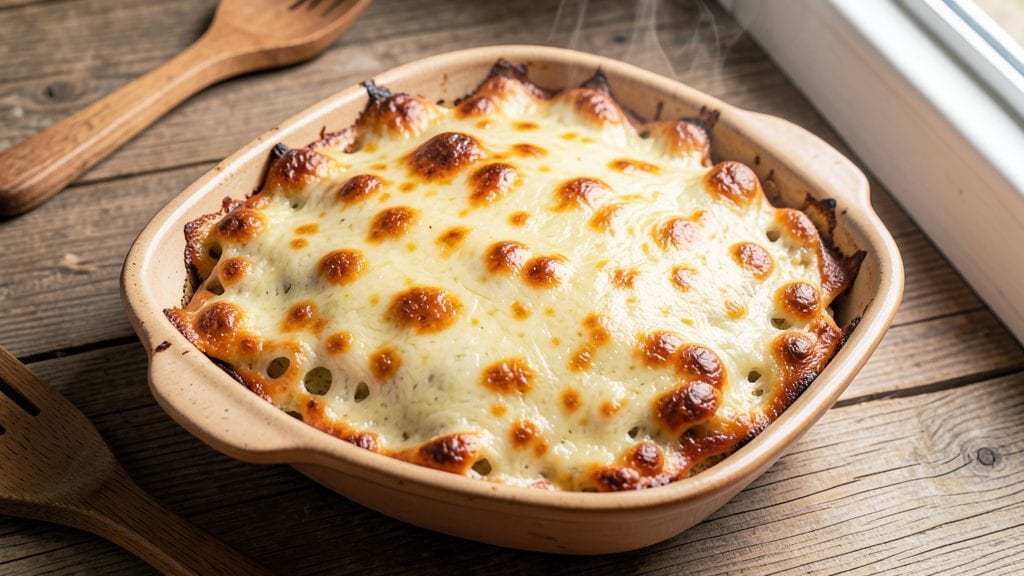
This baked bread with cheese recipe transforms simple ingredients into a golden, gooey masterpiece that’s perfect for elevating any meal. The secret lies in combining a sturdy bread dough with layers of melted cheese—whether sharp cheddar, creamy mozzarella, or a blend—that creates a crispy crust and tender, pull-apart interior.
I’ve perfected this method to ensure every bite delivers that satisfying contrast between crunchy edges and stretchy, cheesy goodness.
The beauty of this recipe is its versatility—it works as a standalone side dish or pairs beautifully with soups, salads, or grilled meats. Using all-purpose flour and a touch of yeast ensures a reliable rise, while the cheese selection can be customized to suit your taste.
For extra flavor, consider adding garlic powder, dried herbs, or even a sprinkle of smoked paprika before baking.
What makes this recipe stand out is the foolproof technique that guarantees a perfectly baked loaf every time. The dough comes together in under 15 minutes, and baking takes just 20-25 minutes at 375°F, making it ideal for weeknight dinners or weekend entertaining.
The result? A loaf with a golden crust and pockets of melted cheese that pull apart effortlessly—no fancy equipment required.
Serve warm with a side of marinara or a fresh garden salad for a meal that feels both comforting and impressive. Whether you’re feeding a family or hosting guests, this recipe delivers restaurant-quality results with minimal effort. Let’s get baking!
Ingredients for baked bread with cheese
This golden crust meets melted cheese magic with just 13 quality ingredients.
| Ingredient | Amount | Notes |
|---|---|---|
| All-Purpose Flour 🌾 | 3 ½ cups | Sifted for optimal texture |
| Active Dry Yeast 🍞 | 2 ¼ tsp | Ensure freshness with expiration date |
| Granulated Sugar 🍚 | 1 tbsp | Enhances yeast activation |
| Unsalted Butter 🧈 | ½ cup | Cold, cubed for even distribution |
| Whole Milk 🥛 | ¾ cup | Room temperature for proper hydration |
| Large Egg 🥚 | 1 whole | Room temperature for even mixing |
| Diamond Crystal Kosher Salt 🧂 | 1 ½ tsp | Fine grain for precise measurement |
| Sharp Cheddar Cheese 🧀 | 1 cup | Freshly shredded, block preferred |
| Mozzarella Cheese 🧀 | 1 cup | Low-moisture, shredded finely |
| Garlic Powder 🧄 | 1 tsp | For subtle aromatic depth |
| Dried Oregano 🌿 | ½ tsp | Mediterranean variety preferred |
| Smoked Paprika 🌶️ | ½ tsp | For subtle smoky complexity |
| Extra-Virgin Olive Oil 🫒 | 2 tbsp | For dough and drizzling |
The all-purpose flour forms the backbone of this recipe—King Arthur or Gold Medal brands yield the most reliable texture. For the yeast, check the expiration date—old yeast won’t activate properly, and you’ll end up with flat dough. The unsalted butter should be cold when cubed, as room-temperature fat can weaken the gluten structure. Whole milk at room temperature hydrates the dough more evenly than cold milk, which can create dense pockets. For the cheeses, shred your own—pre-shredded contains anti-caking agents that prevent proper melting. Sharp cheddar adds tangy bite, while low-moisture mozzarella ensures a stretchy, gooey interior without excess moisture.
No sharp cheddar? Parmesan or Gouda work well for a different flavor profile. Fresh mozzarella can replace low-moisture, but pat it dry thoroughly to avoid a soggy crust. Running short on dried herbs? Fresh rosemary or thyme can be finely chopped and used at half the amount. The garlic powder and smoked paprika are optional but elevate the crust’s complexity—Penzeys or McCormick brands offer consistent quality. For a nut-free option, omit the optional walnuts if added later, but the dough remains robust without them. Olive oil matters here—California avocado or Colavita brands provide the best fruity notes for drizzling.
Store the dough in an airtight container lined with a damp towel for up to 24 hours in the fridge if prepping ahead. The baked loaf keeps well at room temperature for 2 days, wrapped in foil to maintain crispness. For longer storage, freeze slices between parchment paper for up to 3 months—reheat in a 350°F oven for 5-7 minutes to restore that golden crust. The cheese pulls best when served warm, so reheat in a 200°F oven for 5 minutes if needed. Portion into individual slices for easy serving at gatherings.
Why You'll Love This Recipe
- No-Knead Magic: I swear by this dough—just mix, let it rise, and bake. The yeast does all the heavy lifting while you sip coffee or scroll through your phone. Between us, I’ve burned toast more times than I can count, but this? Even my lazy weekends can’t mess it up.
- Cheesy Crispy Gold: That buttery crust with melted cheese inside? It’s the kind of combo that makes you pause mid-bite. The milk keeps it tender, but the sugar caramelizes just enough to give it a subtle sweetness that balances the sharpness of the cheese.
- Lunchbox Hero: Slice it up for sandwiches, pack it for work, or serve it warm with soup. It’s my go-to for meal prep because it reheats like a dream—crispy again in minutes. Honestly, I’ve had days where this was dinner, lunch, and a midnight snack.
- Budget-Friendly Staple: Five simple ingredients, zero waste. The milk and butter make it feel indulgent, but the flour and yeast keep it cheap. I’ve made this for potlucks, family dinners, and even as a side for takeout—always a crowd-pleaser without breaking the bank.
Step-by-step instructions for baked cheese bread
Here's the precise method to achieve a crispy crust with perfectly melted cheese throughout.
Prepare the Yeast Mixture for Optimal Rise
In a small bowl, combine the 0.75 cup whole milk and 1 tbsp granulated sugar and warm it to 110°F—just until it feels comfortably warm to your wrist but not hot. Sprinkle the 2.25 tsp active dry yeast over the warm milk mixture and let it sit for 5-7 minutes until it becomes frothy and bubbly. This activation step is critical—if the yeast doesn't foam, discard it and start fresh with new yeast.
While waiting, sift the 3.5 cups all-purpose flour into a large mixing bowl. This aerates the flour and prevents dense dough. Create a well in the center and pour in the yeast mixture, along with the 1 whole large egg and 1.5 tsp diamond crystal kosher salt. The egg adds structure and richness, while the salt enhances the cheese flavor later.
Develop the Dough with Butter and Cheese
Using a wooden spoon or dough whisk, gradually mix the ingredients until a shaggy dough forms. Cut the 0.5 cup unsalted butter into small cubes and add them to the dough. Use your hands to work the butter into the dough until it's fully incorporated and the mixture becomes more cohesive. This step ensures even distribution of fat, which creates a tender crumb.
In a separate small bowl, combine the 1 cup sharp cheddar cheese and 1 cup mozzarella cheese with the 1 tsp garlic powder, 0.5 tsp dried oregano, and 0.5 tsp smoked paprika. Pulse briefly with a fork to create a coarse, even-textured cheese mixture. Fold this into the dough along with 1 tbsp extra-virgin olive oil, mixing until fully combined. The cheese should be evenly distributed—this prevents pockets of unmelted cheese in the final bread.
Knead and Rest for Maximum Flavor Development
Turn the dough onto a lightly floured surface and knead for 8-10 minutes until smooth and elastic. You'll know it's ready when it springs back slowly when poked. If the dough feels sticky, add flour 1 tablespoon at a time—but don't overdo it, as excess flour can make the bread dense. Shape the dough into a round loaf and place it in a lightly oiled bowl.
Cover the bowl with a damp kitchen towel and let the dough rise in a warm place for 1-1.5 hours, or until it has nearly doubled in size. The warm environment helps the yeast activate properly. Punch down the dough gently to release air bubbles, then shape it into a 9x5-inch loaf pan lined with parchment paper. Brush the top with the remaining 1 tbsp extra-virgin olive oil for a golden crust. Let it rise for an additional 30 minutes before baking—this ensures the cheese melts evenly rather than pooling at the bottom.
Bake to Crispy Perfection with Melted Cheese
Preheat your oven to 375°F and place a baking sheet on the middle rack to preheat as well. Bake the loaf for 35-40 minutes, until the top is deep golden brown and the internal temperature reaches 190°F. The cheese should be fully melted and bubbly, with no raw spots. If the top browns too quickly, tent loosely with foil to prevent over-browning while ensuring the cheese melts through.
Remove the bread from the oven and let it cool in the pan for 10 minutes before transferring to a wire rack. This resting period allows the cheese to set slightly, preventing a runny center. Slice while still warm for the best texture—each bite should deliver a crispy crust, tender crumb, and gooey, flavorful cheese. Serve immediately or store in an airtight container for up to 3 days, reheating in a 350°F oven for 5-7 minutes to restore crispiness.
Pro Tips For Making Baked Bread With Cheese
- Warm the Milk First: Yeast hates cold milk—it’ll wake up sluggish or worse, die before it even starts. Heat the whole milk to about 110°F (just warm to the touch, not hot) before mixing it with yeast and sugar. This guarantees your dough rises faster and more reliably, even if your kitchen’s drafty.
- Knead Until Silky: I used to eyeball kneading and wonder why my bread turned out dense. Stop when the dough springs back slowly when poked, and pulls cleanly away from the bowl—no cracks or sticky spots. Over-kneading is easy to spot (glossy, tough dough), but under-kneading hides in chewy, flat loaves. Aim for 8–10 minutes by hand.
- Skip the Butter Until Proofing: Adding cold butter to dough early makes it fight you—it weakens gluten and can leave greasy pockets. Wait until the dough’s almost doubled in proofing, then fold in softened butter (or melted, cooled cheese) last. This keeps your bread tender without sacrificing structure.
- Bake with Steam, Then Crisp: The first 10 minutes are critical—spray the pan with water or toss in ice cubes before baking to create steam. This gives you a crisp crust without burning. After that, crank the oven to 400°F and let it brown freely. (Yes, even if you’re impatient like me.)
Best sauces and condiments for baked bread with cheese
Classic Marinara
This timeless Italian sauce cuts through the richness of cheese bread beautifully. I use a basic marinara with San Marzano tomatoes, garlic, and a pinch of red pepper flakes—simmered for 20 minutes to develop depth.
The acidity balances the cheesy bread while adding a bright, tangy contrast that makes every bite feel fresh. For extra richness, stir in 1 tbsp butter at the end. 🍅
Garlic-Herb Butter
Melt 4 tbsp unsalted butter with 3 minced garlic cloves, 1 tsp dried thyme, and a pinch of salt until fragrant. Drizzle this over warm slices of cheese bread for a luxurious, savory finish.
The butter melts into the crust, creating a golden, aromatic coating that enhances the cheese’s flavor without overpowering it. I love adding a sprinkle of fresh parsley for color and freshness. 🧄
Spicy Honey Mustard
Combine 2 tbsp Dijon mustard, 1 tbsp honey, 1 tsp apple cider vinegar, and ½ tsp cayenne pepper for a sweet-spicy dip. The heat from the cayenne cuts through the cheese’s richness, while the honey adds a subtle sweetness that rounds out the flavors.
This sauce works perfectly for dipping or drizzling over slices—it’s especially great with a sharp cheddar-heavy loaf. 🌶️
White Wine Reduction
Simmer ½ cup dry white wine with 2 tbsp butter and 1 tbsp fresh parsley until reduced by half. The wine’s acidity brightens the cheese, while the butter adds a velvety finish.
This elegant sauce pairs wonderfully with a mozzarella-and-herb bread, elevating it to a restaurant-worthy dish. Deglaze the pan with a splash of wine for extra flavor depth. 🍷
Avocado Crema
Blend 1 ripe avocado, ¼ cup sour cream, 1 tbsp lime juice, ½ tsp cumin, and salt to taste until smooth. This creamy, tangy sauce adds a refreshing contrast to the warm, cheesy bread.
The avocado’s healthy fats balance the richness, making it a lighter but still indulgent option. Serve immediately for the best texture. 🥑
Smoky Chipotle Aioli
Mix ½ cup mayonnaise, 1 tsp adobo sauce (from canned chipotles), 1 tsp smoked paprika, and ½ tsp lime zest for a smoky, slightly spicy dip. The chipotle’s heat and smokiness complement the cheese bread’s flavors, while the aioli’s creaminess makes it irresistible for dipping.
Adjust the spice level to your preference—this sauce is a crowd-pleaser. 🔥
Nutrition facts
Frequently asked questions
Can I use pre-made dough for this recipe?
Yes, but with adjustments! Use 2 cups of refrigerated biscuit dough (like Pillsbury) or pizza dough. Replace the yeast mixture with 1 tbsp olive oil and fold in the cheese mixture directly. Bake in a 9x5-inch pan for 20-25 minutes at 375°F—the dough is less sturdy, so expect a softer texture. For best results, add 1 extra tbsp flour to help bind the cheese.
Why did my cheese bread turn out dense instead of fluffy?
This usually happens from over-kneading, old yeast, or cold ingredients. Check your yeast first—it should foam within 5-7 minutes in warm milk. Also, ensure your butter and milk are room temperature (not cold), and knead just until the dough springs back slowly (about 8-10 minutes). If using pre-shredded cheese, drain excess moisture first to avoid a soggy crumb.
What’s the best cheese substitute if I don’t have cheddar or mozzarella?
For a sharp flavor, try Parmesan (use ½ cup extra for meltiness) or Gouda (add 1 tsp cornstarch to prevent oil separation). Need something milder? Fontina or provolone work well—just reduce to ¾ cup total to avoid excess moisture. Avoid low-fat cheeses; they melt poorly and create a rubbery texture.
Can I make this bread without a loaf pan?
Shape the dough into a free-form round on a parchment-lined baking sheet. Brush with olive oil and bake at 375°F for 25-30 minutes, rotating halfway for even browning. For extra crispiness, bake on the middle rack. The edges will be slightly thicker, but the cheese will still melt beautifully. Serve in slices or tear into pieces for a rustic look.
How do I reheat cheese bread to restore that crispy crust?
Wrap slices in foil and warm in a 350°F oven for 5-7 minutes—this prevents sogginess. For extra crunch, broil for 1-2 minutes at the end (watch closely!). Microwaving works in a pinch (30-second bursts), but it’ll make the crust rubbery. The key is heat + foil to trap moisture until the last minute.