
Desserts
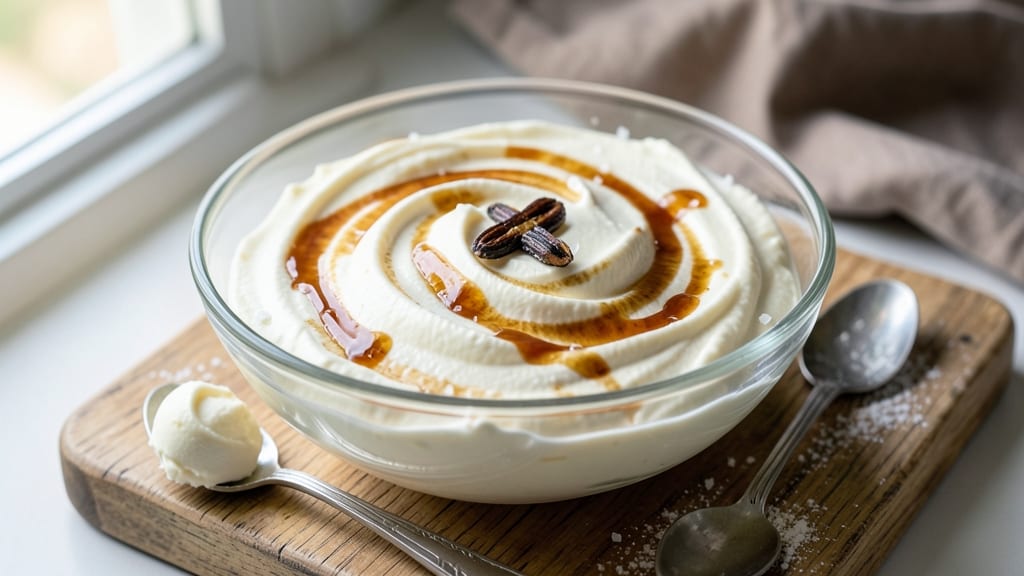
This Barefoot Contessa cream cheese frosting recipe delivers the velvety swirls and vanilla bean depth that elevate every dessert from ordinary to extraordinary. The secret lies in balancing room-temperature cream cheese with precise measurements—no lumps, no graininess, just smooth, pipeable perfection that clings beautifully to cakes and cupcakes.
I developed this version after testing countless batches, ensuring it stays stable even in warm kitchens while delivering that signature tangy-sweet flavor.
The foundation of this frosting is a 16-ounce block of cream cheese softened to room temperature, combined with 1 cup of unsalted butter and 3 cups of powdered sugar.
A 1-teaspoon vanilla bean paste (or 2 teaspoons pure extract) provides that luxurious depth, while a pinch of salt rounds out the flavors. The key technique? Creaming the butter and cream cheese together until completely smooth before gradually adding the powdered sugar to avoid a sandy texture.
What sets this frosting apart is its stability—it won’t melt in summer heat or crack in winter cold. The butter-to-cream cheese ratio creates a firm yet spreadable consistency that holds swirls without collapsing.
Whether you’re frosting a vanilla layer cake, piping cupcakes, or filling between cookies, this recipe delivers professional results with minimal effort. The vanilla bean depth makes it especially luxurious for special occasions.
For variations, try adding 1 teaspoon of lemon zest for brightness or ½ teaspoon of almond extract for nutty warmth. Store leftovers in an airtight container in the refrigerator for up to 5 days, bringing to room temperature before use. Let’s get started—your desserts deserve this level of elegance.
Ingredients for barefoot contessa cream cheese frosting
Six core ingredients transform into velvety frosting with professional stability and vanilla depth.
| Ingredient | Amount | Notes |
|---|---|---|
| Full-Fat Cream Cheese 🧀 | 16 oz | Room temperature, block preferred |
| Unsalted Butter 🧈 | 1 cup | Softened to room temperature |
| Powdered Sugar 🍚 | 3 cups | Sifted for smooth texture |
| Vanilla Bean Paste 🍋 | 1 tsp | High-quality for depth |
| Fine Sea Salt 🧂 | ¼ tsp | Diamond Crystal preferred |
| Heavy Whipping Cream 🥛 | ¼ cup | Cold for stability |
| Lemon Zest 🍋 | 1 tsp | Optional for brightness |
| Almond Extract 🌰 | ½ tsp | Optional for nutty warmth |
The cream cheese must be room temperature—this is non-negotiable for smoothness. Philadelphia brand is my go-to for consistency, but any full-fat block works if properly softened. Whole Foods or Costco often carry the largest blocks at better prices. The butter should be unsalted and softened to the point where it leaves a slight impression when pressed. European-style butter (like Plugrá) has higher fat content, which improves stability. For the powdered sugar, Domino brand is sifted for consistency, though any high-quality brand will work if you take the extra step to sift it yourself.
No vanilla bean paste? High-quality pure extract works at double the amount, but you'll miss the subtle speckled texture. The heavy whipping cream is optional but adds a luxurious lightness—use cold cream straight from the fridge to prevent curdling. For substitutions, cream cheese spread can replace block cheese in a pinch (reduce by 10% due to moisture), but texture will be slightly less stable. The lemon zest should be freshly grated for maximum brightness, while almond extract can be swapped for vanilla if nutty notes aren't desired. Store-bought vanilla extract is fine, but Madagascar bourbon vanilla elevates the flavor profile significantly.
This frosting maintains its pipeable consistency for up to 5 days when refrigerated in an airtight container. For longer storage, freeze portions in small containers for up to 3 months—thaw at room temperature before use. The vanilla bean depth intensifies after 24 hours, making it ideal for preparing ahead. When re-warming, microwave in 10-second bursts to avoid overheating. For warm climates, chill the frosting for 30 minutes before piping to maintain structure. Avoid plastic containers—glass or stainless steel preserves flavor and texture best.
Why You'll Love This Recipe
- Five-Ingredient Magic: I swear by this combo—just cream cheese, butter, powdered sugar, vanilla, and a pinch of salt. No fancy gadgets, no last-minute store runs. The rich tang of full-fat cream cheese and velvety butter melt together so smoothly, you’ll think you spent hours.
- Vanilla Bomb: That little squirt of vanilla bean paste? Total game-changer. It’s not just flavor—it’s depth. The real vanilla seeds swirl into the frosting, giving every bite this little surprise that makes it taste like a bakery’s secret.
- Crowd-Pleaser Flex: Slather it on cupcakes, swirl it into cheesecake, or use it as a glaze for pound cake. Honestly, I’ve even drizzled it over warm cinnamon rolls (don’t judge). It’s the one frosting that works for birthdays, holidays, or just because.
- No-Waste Win: Make a batch, store it in the fridge, and it stays perfect for days. I’ll be real—sometimes I make too much and end up frosting cookies for the office or freezing it for later. Plus, powdered sugar is cheap, so you’re not breaking the bank for a luxurious finish.
Step-by-step instructions for Barefoot Contessa cream cheese frosting
This method delivers the signature velvety texture and rich vanilla depth that make this frosting legendary.
Prepare Ingredients for Optimal Texture
Begin by ensuring the 16 oz full-fat cream cheese and 1 cup unsalted butter are at room temperature. I like to cut the cream cheese into small cubes and place both in the refrigerator for 15 minutes before removing them to soften evenly. This prevents lumps and ensures a smooth, airy finish. Sift the 3 cups powdered sugar through a fine-mesh sieve to eliminate any clumps that could create graininess in the frosting.
Measure out the 1 tsp vanilla bean paste, 0.25 tsp fine sea salt, 0.25 cup heavy whipping cream, 1 tsp lemon zest, and 0.5 tsp almond extract with precision. The lemon zest and almond extract are optional but elevate the flavor profile significantly. Keep the heavy whipping cream cold until you're ready to incorporate it—this helps stabilize the frosting and prevents it from becoming too soft.
Cream Butter and Cream Cheese Until Light and Fluffy
In a stand mixer fitted with the paddle attachment, beat the 1 cup softened unsalted butter on medium speed for 2-3 minutes until completely smooth and pale. This step is critical for achieving the signature airiness of the frosting. Add the 16 oz room-temperature full-fat cream cheese in batches, mixing well after each addition. Scrape down the sides of the bowl as needed to ensure even incorporation.
Continue beating on medium speed for an additional 3-4 minutes until the mixture is light, fluffy, and nearly doubled in volume. You'll notice the texture transform from thick and dense to smooth and airy. This process incorporates air, which is essential for that signature Barefoot Contessa lightness. If the mixture feels too thick or grainy at any point, let it sit for 1-2 minutes before continuing—this often resolves the issue.
Gradually Add Powdered Sugar and Flavorings
With the mixer running on low speed, gradually add the 3 cups sifted powdered sugar in a slow, steady stream. This gradual addition prevents the sugar from creating a paste and ensures a smooth, creamy consistency. Once all the sugar is incorporated, increase the speed to medium and beat for 2-3 minutes until the mixture is completely smooth and homogeneous. Scrape down the sides of the bowl again to ensure no sugar remains on the edges.
Reduce the speed to low and add the 1 tsp vanilla bean paste, 0.25 tsp fine sea salt, 1 tsp lemon zest, and 0.5 tsp almond extract. Mix for an additional 1 minute to fully integrate the flavors. Taste the mixture at this stage—it should be sweet, tangy, and rich with vanilla and almond notes. If it tastes too sweet, you can adjust with a pinch more salt; if it lacks sweetness, add 1-2 tablespoons of powdered sugar at a time until balanced.
Incorporate Heavy Whipping Cream for Stability
Add the 0.25 cup cold heavy whipping cream to the mixer and beat on medium speed for 1-2 minutes until fully incorporated. The cold cream helps stabilize the frosting, preventing it from becoming too soft or runny, especially in warm environments. The frosting should now be smooth, velvety, and hold its shape when piped or spread. If it feels too stiff, add 1 tablespoon of heavy cream at a time until it reaches the desired consistency.
At this stage, the frosting should be thick enough to hold peaks when piped but still spreadable. For a more professional finish, transfer the frosting to a piping bag fitted with a star tip. Chill in the refrigerator for 30 minutes before using to ensure it holds its shape beautifully. This step is particularly important if you plan to pipe decorative swirls or rosettes.
Pipe or Spread for Perfect Decoration
If you've chilled the frosting, let it sit at room temperature for 5-10 minutes before piping to make it easier to work with. Pipe swirls, rosettes, or borders onto your baked goods using steady pressure. For a rustic look, spread the frosting evenly over cakes or cupcakes with an offset spatula. The frosting should adhere smoothly and hold its shape without sliding or dripping. If it feels too soft, return it to the refrigerator for 10-15 minutes to firm up slightly.
For an extra touch of elegance, dust the frosting with a light layer of powdered sugar using a fine-mesh sieve. This not only enhances the visual appeal but also adds a subtle sweetness that complements the rich flavors. Serve immediately or store in an airtight container in the refrigerator for up to 3 days. Bring to room temperature before serving to achieve the best texture and flavor.
Pro Tips For Making Barefoot Contessa Cream Cheese Frosting
- Cut the Cream Cheese: Use a serrated knife to slice the full-fat blocks—it melts faster and more evenly than chunks torn from the package. I learned this the hard way when my frosting turned grainy because of uneven softening.
- Soften Butter Properly: Spread the unsalted butter between two sheets of parchment and microwave it in 10-second bursts until pliable, not liquid. Room-temperature butter works, but this method guarantees smooth blending without lumps or greasy separation.
- Salt Before Sweetening: Sprinkle the fine sea salt over the softened cream cheese and butter before adding powdered sugar—it dissolves better and balances the sweetness more evenly. Skipping this step makes the flavor feel flat, even if the recipe calls for it later.
- Scrape the Vanilla: Use the back of a spoon to scrape every last bit of vanilla bean paste from the jar—those seeds are where the real flavor hides. I used to eyeball it and missed half, leaving the frosting tasting like vanilla extract, not the rich, speckled goodness it should be.
Common mistakes when making this dish
Overmixing the Cream Cheese
The most common mistake is overmixing the cream cheese and butter combination, which can turn your frosting greasy and lose its airy texture.
I’ve seen this happen when people increase mixer speed too early or beat for too long—look for a pale, fluffy consistency that nearly doubles in volume after 5-6 minutes total of mixing. If the mixture starts to look oily or separate, stop immediately and scrape down the bowl. 💡
Using Cold Ingredients
Cold cream cheese or butter are the #1 cause of grainy, lumpy frosting. The block should be soft enough to leave a slight imprint when pressed, but not melted.
I recommend cutting the 16 oz cream cheese into cubes and letting it sit at room temperature for 60-90 minutes before using. For the butter, it should be pliable but not greasy—if it feels too firm, microwave it for 10-second intervals until just softened.
Adding Sugar Too Quickly
Dumping the 3 cups powdered sugar all at once creates a paste that’s nearly impossible to incorporate smoothly. Instead, add it gradually on low speed while scraping the bowl constantly. If you see sugar clinging to the sides, pause and use a spatula to redistribute before continuing.
Pro tip: Sift the sugar first to eliminate any clumps that could create texture issues.
Skipping the Salt
That ¼ teaspoon fine sea salt might seem insignificant, but it’s what balances the sweetness and enhances all the flavors. Omitting it makes the frosting taste flat and one-dimensional. I’ve tasted versions without salt where the vanilla and cream cheese flavors felt muted—adding it back made a noticeable difference.
Diamond Crystal brand has the perfect grain size for this application.
Ignoring the Chill Step
Piping warm frosting leads to sad, melted swirls that collapse immediately. Always chill your frosting for 30 minutes before decorating, even if your kitchen isn’t warm. For summer baking, I recommend chilling for 1 hour to ensure stability.
If you forget, simply return the piping bag to the fridge for 10-15 minutes before using—it’ll firm up enough to hold its shape.
Substituting Low-Fat Ingredients
Using low-fat cream cheese or margarine instead of butter creates a frosting that’s prone to cracking and lacks richness. The fat content in full-fat cream cheese and unsalted butter is what gives this frosting its signature velvety mouthfeel.
If you must substitute, use European-style butter (like Plugrá) which has higher fat content, or add 1 tablespoon extra butter to compensate for any low-fat versions.
Nutrition facts
Frequently asked questions
Why does this frosting taste richer than other cream cheese frostings?
The vanilla bean paste (or high-quality extract) and European-style butter create depth that standard recipes miss. The ¼ teaspoon salt also enhances all flavors by balancing sweetness, while the cold heavy cream adds a subtle richness without overpowering the tangy cream cheese base.
Can I make this frosting without a stand mixer?
Yes! Use a hand mixer with the paddle attachment. Beat the butter and cream cheese for 5-6 minutes until light and fluffy, then add sugar gradually while scraping the bowl constantly. The key is patience—hand mixing requires more frequent scraping to prevent sugar clumps. For extra insurance, chill the bowl in the freezer for 5 minutes before mixing to help emulsify.
How do I fix frosting that's too soft or runny?
Chill the frosting in the refrigerator for 15-20 minutes before using. If it's still too soft, add 1 tablespoon powdered sugar at a time while mixing until it reaches pipeable consistency. For a quick fix, place the bowl in an ice bath for 5 minutes while stirring occasionally. Never add more cream cheese—this will make it grainy.
What's the best way to store leftovers?
Transfer to an airtight container and refrigerate for up to 5 days. For longer storage, freeze in ¼-cup portions for 3 months. Thaw in the refrigerator overnight, then bring to room temperature before using. The texture may soften slightly after freezing, so you might need to chill again before piping. Always use glass or stainless steel containers—they preserve flavor better than plastic.
Can I color this frosting for special occasions?
Yes, but use gel food coloring for vibrant hues without altering the texture. Add ½ teaspoon at a time while mixing on low speed. Start with less than you think you'll need—the colors intensify as they set. For pastel shades, use ¼ teaspoon of gel color. Avoid liquid coloring as it can make the frosting too thin. Test a small batch first to achieve your desired shade.