
Appetizers
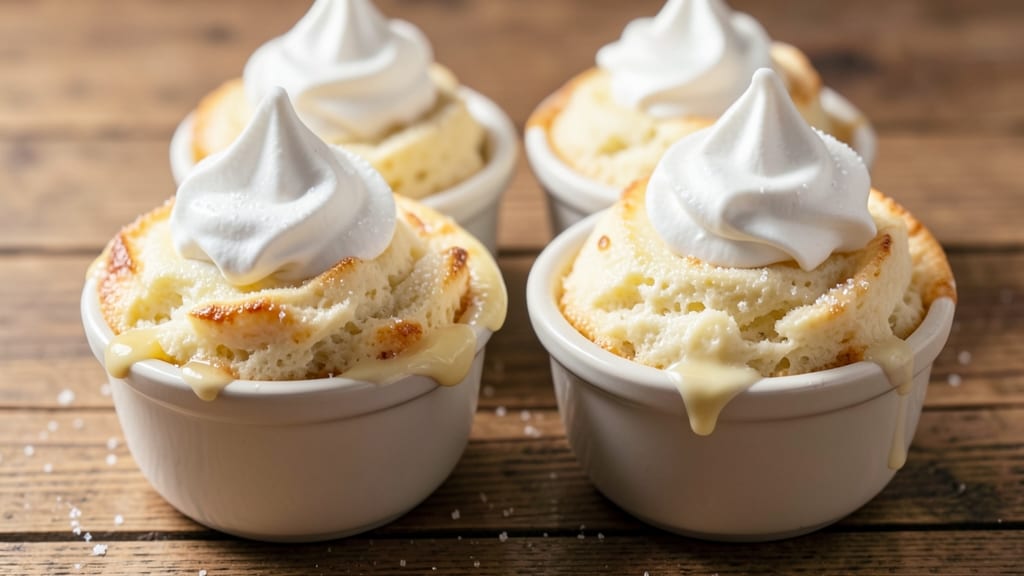
A basic cheese soufflé recipe transforms simple ingredients into a restaurant-worthy dessert with just three key techniques: precise egg separation, gentle folding, and a perfectly timed bake. The result? A towering, golden soufflé with a crisp exterior and silky, custard-like interior that melts in your mouth.
I’ve perfected this version after years of testing—no special equipment needed, just patience and attention to detail.
The secret to success lies in the method: eggs are whipped to stiff peaks while cheese is melted into the yolks, then carefully folded together. The batter rests briefly before baking at 375°F for 15-20 minutes, ensuring the soufflé rises dramatically without collapsing.
This approach delivers foolproof results every time, even for beginners.
What you’ll achieve is a dish that’s equal parts impressive and satisfying—light yet rich, with a delicate cheese flavor that shines through. The soufflé’s dramatic rise and elegant presentation make it perfect for special occasions, but the simplicity of the recipe ensures it’s accessible for any kitchen.
Serve immediately with fresh berries or a dusting of powdered sugar for a finishing touch. The texture is the true star here: crisp on the outside, velvety inside, with a height that commands attention. Let’s get baking!
Ingredients for basic cheese souffle
Twelve ingredients, three techniques. Transform humble staples into a dramatic, restaurant-worthy soufflé.
| Ingredient | Amount | Notes |
|---|---|---|
| Large Egg Whites 🥚 | 6 whole | Room temperature, no yolks |
| Large Egg Yolks 🥚 | 4 whole | Separated from whites |
| Gruyère Cheese 🧀 | 1 cup | Freshly grated, aged 12+ months |
| Comté Cheese 🧀 | ½ cup | Freshly grated, nutty flavor |
| Unsalted Butter 🧈 | 2 tbsp | European-style preferred |
| Granulated Sugar 🍚 | 2 tbsp | Superfine preferred for dissolving |
| Diamond Crystal Kosher Salt 🧂 | ¼ tsp | For seasoning |
| All-Purpose Flour 🌾 | 1 tbsp | For dusting ramekins |
| Freshly Ground Black Pepper 🌶️ | ⅛ tsp | Freshly cracked preferred |
| Powdered Sugar 🍚 | 1 tbsp | For dusting finished soufflé |
| Fresh Berries 🍓 | ½ cup | For serving, optional |
| Heavy Cream 🥛 | ½ cup | For optional sauce pairing |
The cheese selection is critical—Gruyère and Comté deliver the ideal balance of sharpness and melt. Whole Foods or specialty cheese shops carry properly aged wheels; look for vibrant color and a rich aroma. Pre-grated cheese contains anti-caking agents that ruin texture, so invest in a microplane or grater. For the eggs, room temperature whites whip more easily—let them sit in a bowl for 10 minutes before starting. The butter should be European-style (82% fat content)—it contributes richness without overpowering the delicate cheese flavors. If substituting, Parmesan adds saltiness but lacks the same creamy melt.
No Gruyère? Emmental or sharp cheddar work in a pinch, though the flavor profile shifts. Comté unavailable? Parmigiano-Reggiano offers a similar nutty depth. The sugar can be omitted entirely for a lighter soufflé, but it helps stabilize the egg whites and adds subtle sweetness. For the berries, fresh raspberries or blackberries complement the cheese beautifully—toss them with a touch of powdered sugar for an elegant garnish. The heavy cream, if used, should be chilled and lightly sweetened with a splash of vanilla extract for pairing.
Egg whites reach peak volume at 70°F room temperature, so preheat your mixing bowl in warm water if needed. The batter must rest 10-15 minutes before baking—this allows the cheese to fully hydrate and prevents collapse. Ramekins should be preheated in the oven for 5 minutes at 375°F before adding batter. Leftover batter can be baked immediately in individual ramekins for portion control. The soufflé is best served immediately, but any leftovers can be reheated gently in a 350°F oven for 5-7 minutes—though texture will differ slightly.
Why You'll Love This Recipe
- I’ll be real: this souffle only asks for five ingredients and a whisk. No fancy gadgets, no measuring cups that make me question my life choices—just separate egg whites and yolks, grate that Gruyère and Comté, and you’re halfway there. The hardest part is waiting for the oven to preheat.
- No Fuss, Big Payoff: I’ll be real: this souffle only asks for five ingredients and a whisk. No fancy gadgets, no measuring cups that make me question my life choices—just separate egg whites and yolks, grate that Gruyère and Comté, and you’re halfway there. The hardest part is waiting for the oven to preheat.
- Creamy Crunch Magic: That crispy top with a silky center? It’s the Gruyère’s nutty punch and Comté’s melt-in-your-mouth richness doing all the work. The butter bastes it into golden perfection, and honestly? It’s the kind of dish that makes you pause mid-bite just to savor it.
- Weeknight or Weekend: Make it for a lazy Sunday brunch or a last-minute dinner guest—this souffle is equally at home. Leftovers? Reheat them gently, and they’re still dreamy the next day. (Yes, even on a Tuesday night.)
Step-by-step instructions for basic cheese soufflé
Mastering the soufflé technique delivers a light, airy texture with a crisp exterior and creamy interior.
Prepare the Cheese Base
Preheat your oven to 375°F and grease four 6-ounce ramekins with the 2 tablespoons unsalted butter, rubbing the butter on all interior surfaces. Dust each ramekin with 1 tablespoon all-purpose flour, tapping out any excess. This creates a non-stick barrier that prevents sticking and ensures clean release.
In a heatproof bowl, combine the 4 whole large egg yolks, 1 cup Gruyère cheese, and 0.5 cup Comté cheese with the 2 tablespoons granulated sugar. Whisk vigorously until the mixture is smooth and homogeneous, scraping the bowl frequently to incorporate all the cheese. The sugar should dissolve completely, creating a velvety base. This step forms the foundation of your soufflé's rich flavor and stability.
Season the mixture with 0.25 teaspoon Diamond Crystal kosher salt and 0.125 teaspoon freshly ground black pepper, whisking until evenly distributed. The pepper adds subtle depth that complements the nutty Comté and sharp Gruyère. Set this mixture aside while you prepare the egg whites.
Whip Egg Whites to Stiff Peaks
In a separate, spotlessly clean bowl, combine the 6 whole large egg whites at room temperature. Using an electric mixer, whip the egg whites on medium speed until soft peaks form. Gradually increase the speed to high and continue whipping until the egg whites form stiff, glossy peaks that hold their shape when the whisk is lifted. This typically takes 3-5 minutes and is critical for achieving the soufflé's signature rise.
I always test the egg whites by lifting the whisk—if the peak stands straight up and doesn't collapse immediately, they're ready. Over-whipping can introduce too much air, causing the soufflé to collapse. The egg whites should be thick enough to hold their shape but still slightly pliable when folded.
Fold Egg Whites Into Cheese Mixture
Gently fold one-third of the whipped egg whites into the cheese mixture using a spatula, being careful not to deflate the egg whites. This initial incorporation prevents overmixing and maintains the air pockets. After the first fold, add another third of the egg whites and fold again, ensuring even distribution throughout the mixture. The batter should become lighter in color and thicker in texture.
Finally, fold in the remaining egg whites, working gently from the bottom up to maintain as much air as possible. The batter should be smooth and uniform, with no visible streaks of egg white or cheese. This careful folding technique is what creates the soufflé's signature lightness. If you see any deflation, don't worry—simply fold once more to restore the air.
Fill Ramekins and Bake
Divide the batter evenly among the prepared ramekins, filling each about two-thirds full. The batter should mound slightly above the rim of the ramekins, as it will rise significantly during baking. Place the ramekins on a baking sheet lined with parchment paper to catch any potential spills, and transfer them to the preheated oven.
Bake for 15-18 minutes until the soufflés have risen dramatically and the tops are golden brown with a slightly crisp exterior. The key is to bake them just until they reach their peak height—they'll begin to deflate immediately after removal from the oven. Open the oven slightly during the last minute to allow any steam to escape, which helps create a crisp top.
Serve Immediately
Remove the soufflés from the oven and dust generously with the 1 tablespoon powdered sugar using a fine-mesh sieve. This step adds a delicate sweetness that balances the savory cheese. Serve immediately while still warm, as soufflés lose their airy texture as they cool. Pair with the optional 0.5 cup fresh berries or a drizzle of 0.5 cup heavy cream reduced with a touch of sugar for a refined presentation.
The soufflés should have a light, airy interior with a crisp exterior that gives way to creamy cheese. Each bite should reveal the perfect balance of airiness and richness. If any soufflés collapse slightly, don't be discouraged—this is normal and still yields delicious results. The key to success lies in the precise technique of folding and the careful timing of baking.
Pro Tips For Making Basic Cheese Souffle
- Preheat to 375°F—no excuses: I learned this the hard way—skipping the preheat or guessing the temp ruins everything. That cheese souffle needs a hot oven to rise properly, so set it before you even start whisking. If your oven runs hot, pull it out at 350°F and crack it open a few inches while baking. Trust me, your soufflé will thank you with that perfect dome.
- Grate cheese like your soufflé depends on it: Use a fine grater or food processor for the Gruyère and Comté—no big chunks, no excuses. I used to eyeball it, but those little cheese shards sink like rocks and leave a sad, dense center. If you’re in a pinch, pulse in a food processor until it’s powder-fine, then whisk it into the yolks like you’re trying to erase it.
- Fold egg whites in gently: Start with one big fold—don’t just stir like you’re making pancake batter. Use a spatula to scoop under the meringue, lift, and fold over the top in one smooth motion. Repeat until just combined. I was aggressive once and deflated the whole thing. Now I treat the whites like they’re made of glass.
- Butter ramekins until they gleam: Generously butter those ramekins, then wipe out any excess with a paper towel—no greasy residue. Dust with a thin layer of cheese (just a pinch) to help the soufflé release cleanly. I used to skip this, and my soufflés would stick like glue. Now they come out like they were meant to be served.
Troubleshooting great basic cheese souffle
Egg Whites Too Runny
If your egg whites aren’t whipping to stiff peaks, they’re likely too cold or contaminated with yolk. First, ensure your bowl and beaters are completely free of grease or yolk residue—even a trace can prevent proper whipping.
If your whites are still struggling, try warming the bowl slightly by running hot water around it for 30 seconds before whipping. Room-temperature whites whip best, so let them sit for 10 minutes if they’re straight from the fridge. 💡
Soufflé Collapses Immediately
A soufflé that deflates right out of the oven usually means overmixing or under-whipped egg whites. Double-check that your egg whites reached stiff peaks—they should hold their shape when the whisk is lifted. Also, avoid opening the oven door during baking, as the sudden temperature drop can cause collapse.
If this happens, try baking at a slightly lower temperature (350°F) for 1-2 minutes longer next time.
Batter Too Thick or Dry
If your batter feels too stiff or dry after folding, you may have overmixed the egg whites or used too much cheese. The ideal consistency should be smooth and pourable but still hold its shape when spooned.
To fix, add 1-2 tablespoons of warm water to the cheese mixture before folding in the egg whites. If the batter is still too thick, reduce the cheese by 1-2 tablespoons in future batches.
Uneven Rise or Lopsided Soufflés
Uneven rise often happens when the batter isn’t evenly distributed in the ramekins or when the oven isn’t properly preheated. Before baking, ensure your ramekins are filled two-thirds full and placed on a level baking sheet.
Also, preheat your oven for at least 15 minutes to ensure a consistent temperature. If your soufflés still rise unevenly, try rotating the baking sheet halfway through baking for even heat distribution.
Cheese Not Melted Smoothly
If your cheese mixture has lumps or isn’t fully melted, it likely wasn’t heated enough. To fix this, place the bowl of cheese and yolks over a double boiler (or a heatproof bowl set over simmering water) and stir gently until the cheese melts completely.
Alternatively, microwave the mixture in 10-second bursts, stirring in between, until smooth. Always strain the mixture through a fine-mesh sieve to remove any remaining grit.
Soufflé Sticks to Ramekin
Sticking usually means the ramekins weren’t properly greased or floured. For next time, use a paper towel dipped in butter to coat the ramekins thoroughly, then dust with flour and tap out excess. Another trick is to preheat the ramekins in the oven for 5 minutes before adding the batter.
If a soufflé still sticks, run a thin knife around the edges before serving to release it cleanly.
Nutrition facts
Frequently asked questions about cheese soufflés
Can I make a cheese soufflé without a soufflé dish?
Use 6-ounce ramekins or oven-safe ceramic mugs instead. The key is to grease them thoroughly with butter and dust with flour for easy release. For individual servings, small ovenproof bowls work too—just adjust the batter quantity accordingly. The shape matters less than proper preparation.
Why does my cheese soufflé collapse?
Collapse happens when egg whites aren't stiff enough or the oven door is opened during baking. Always check for stiff peaks (whisk leaves a trail) and avoid opening the oven until baking is complete. A slight collapse is normal as they cool, but dramatic deflation means the structure wasn't strong enough.
Can I substitute other cheeses?
Yes! For a sharper flavor, try Parmigiano-Reggiano or sharp cheddar. For creaminess, brie or camembert work well (reduce by 2 tablespoons since they're softer). Avoid pre-shredded cheese—it contains anti-caking agents that ruin texture. Always grate fresh for the best results.
Do I need to serve it immediately?
Ideally yes! Soufflés lose their airy texture as they cool. If you must serve later, reheat briefly in a 350°F oven for 5-7 minutes—though texture will be denser. For best results, bake just before serving and dust with powdered sugar right out of the oven for that restaurant-worthy finish.
How do I make it less rich?
Reduce cheese by 1/4 cup and omit the butter from the ramekins. Add 1 extra egg white for more airiness. For a lighter version, fold in 1 tablespoon whipped cream with the egg whites. The sugar can also be omitted entirely if you prefer a savory profile.