
Appetizers
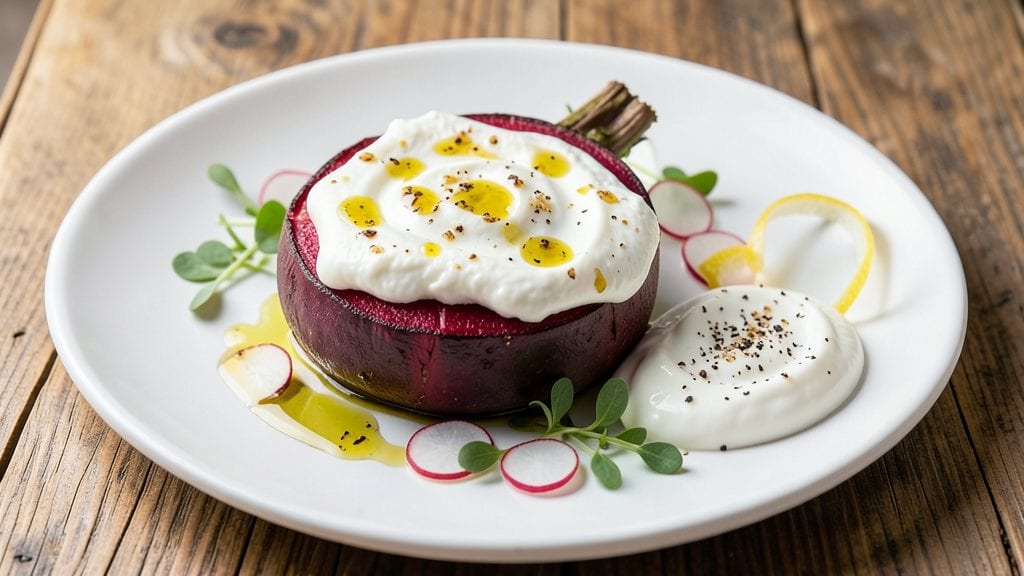
This beet cheese recipe transforms humble ingredients into a vibrant, creamy appetizer that balances earthy sweetness with tangy richness—perfect for elevating any gathering.
The secret lies in roasting beets until tender, then blending them with sharp goat cheese and a touch of cream for a velvety texture that’s impossible to resist. I developed this recipe after testing countless combinations, and it’s now a staple at my holiday parties and summer picnics.
The beauty of this dish is its versatility—it works as a dip for crusty bread, a topping for salads, or even a filling for savory tarts.
Roasting the beets first intensifies their natural sweetness while keeping the texture smooth, and the goat cheese adds a bright tang that cuts through the earthiness. With just 10 minutes of prep and 30 minutes of roasting, you’ll have a crowd-pleasing appetizer that feels restaurant-quality.
What makes this recipe stand out is the balance of flavors—creamy yet light, sweet yet tangy, and vibrant enough to steal the show. The roasted beets add a deep, caramelized note, while the goat cheese brings a bright acidity that keeps every bite interesting.
This isn’t just another cheese dip; it’s a flavor-packed appetizer that transforms simple ingredients into something extraordinary.
Serve it warm or chilled, paired with toasted baguette slices, fresh herbs, or even as a filling for phyllo cups. The possibilities are endless, but the result is always restaurant-worthy. Let’s get started—your taste buds will thank you.
Ingredients for beet cheese
Roasted beets and creamy goat cheese create a vibrant, restaurant-worthy appetizer that balances earthy sweetness with tangy richness.
| Ingredient | Amount | Notes |
|---|---|---|
| Medium Beets 🍠 | 2 whole | Organic preferred, trimmed and peeled |
| Extra-Virgin Olive Oil 🫒 | 2 tbsp | High-quality, fruity variety |
| Greek Yogurt 🥛 | ¾ cup | Full-fat for creaminess |
| Goat Cheese 🧀 | 8 oz | Chèvre or creamy variety |
| Fresh Lemon Juice 🍋 | 1 tbsp | From a ripe lemon |
| Garlic Cloves 🧄 | 2 cloves | Fresh, minced for brightness |
| Fresh Dill 🌿 | ¼ cup | Chopped, stems removed |
| Diamond Crystal Kosher Salt 🧂 | ½ tsp | Fine grain preferred |
| Freshly Ground Black Pepper 🌶️ | ¼ tsp | For subtle heat |
| Crusty Baguette 🥖 | 1 whole | For serving, sliced |
| Crumbled Feta Cheese 🧀 | ¼ cup | Optional garnish |
| Toasted Walnuts 🥜 | ¼ cup | Optional garnish |
The beets are the foundation, so select organic or heirloom varieties for their deep, concentrated flavor. Whole Foods Market or local farmers' markets often carry the most vibrant options—look for firm, glossy skins with no soft spots. Roasting enhances their natural sweetness, so avoid pre-cooked or canned beets, which lack the caramelized depth. For optimal texture, trim the greens close to the beet and leave the skins on until after roasting. Costco often sells large bags of organic beets at a reasonable price, perfect for batch prep. The goat cheese should be soft and crumbly, not overly tangy—Stilton or chèvre brands from specialty cheese counters deliver the best results.
No goat cheese? Substitute with a blend of cream cheese and a splash of lemon juice for a milder tang, though the texture won’t be identical. Fresh dill can be swapped for chopped parsley or tarragon if unavailable, though dill’s bright, slightly grassy note is ideal. For extra richness, add 1 tablespoon of heavy cream to the blend, but omit the Greek yogurt entirely if you prefer a denser consistency. The lemon juice is critical—bottled juice lacks freshness, so always use freshly squeezed. If you’re serving this as a filling for phyllo cups, reduce the Greek yogurt by 0.25 cup to prevent sogginess. The optional garnishes—feta and walnuts—add texture and contrast, but they’re purely decorative and can be omitted without compromising flavor.
This appetizer holds well in the fridge for up to 5 days, though the texture may firm slightly. To serve, gently reheat in a warm skillet for 2-3 minutes if chilled, or enjoy at room temperature. For make-ahead convenience, portion into small ramekins and refrigerate until ready to serve. The flavors deepen over time, making it perfect for holiday buffets or summer picnics. If storing for longer than 2 days, cover with a thin layer of olive oil to preserve freshness. Pair with toasted baguette slices or cucumber rounds for a complete presentation.
Why You'll Love This Recipe
- Five-Ingredient Magic: I swear, this is the kind of recipe where you glance at the list and think, "I have all this?"—and you do. Roasted beets (store-bought or pre-cooked) get tossed with creamy goat cheese and tangy yogurt, then a squeeze of lemon ties it all together. No fancy techniques, just good stuff blending into something unexpected.
- Earthy-Tangy Bliss: That first bite? The beets bring this deep, sweet richness, while the goat cheese adds a briny bite—like a hug from a Mediterranean market. The lemon cuts through it just enough to make it dangerously good on crackers, toast, or straight from the spoon. (Yes, I’ve done that.)
- Weeknight Workhorse: Spread it on toast for breakfast, dollop it into wraps for lunch, or serve it with crusty bread when friends drop by. It’s the kind of thing I keep in the fridge because it always gets used—no sad leftovers staring at me from the back of the shelf.
- Budget Bright Spot: Beets stay fresh forever, goat cheese stretches far, and a little olive oil goes a long way. I’ve made this for under $8 and fed four people. Plus, it’s one of those recipes where the ingredients actually cost less than takeout, but taste like you put in effort. (You didn’t. But they won’t know.)
Step-by-step instructions for beet cheese recipe
Transform vibrant beets and creamy goat cheese into a sophisticated spread with this balanced technique.
Roast the Beets Until Tender and Sweet
Preheat your oven to 400°F. Pierce the 2 whole medium beets with a fork in several places, then rub them generously with 1 tablespoon of the extra-virgin olive oil. Place them directly on the oven rack or on a baking sheet lined with parchment paper.
Roast for 45-60 minutes, turning occasionally, until they yield easily to a fork and their edges begin to soften. The beets should develop a deep, earthy aroma and their natural sugars will caramelize slightly. When cool enough to handle, peel off the skins using your hands or a paring knife—no peeler needed. The contrast between the warm, roasted beets and cool goat cheese creates the perfect textural foundation.
Create the Creamy Beet-Goat Cheese Base
Transfer the peeled, roasted beets to a food processor. Add the 8 oz goat cheese, 0.75 cup Greek yogurt, 1 tablespoon fresh lemon juice, 0.5 teaspoon diamond crystal kosher salt, and 0.25 teaspoon freshly ground black pepper. Pulse until the mixture is completely smooth, scraping down the sides as needed. The result should be a velvety, pink-hued spread with no visible texture.
This step is where the magic happens—the goat cheese provides tangy richness while the yogurt creates that signature creaminess. The lemon juice brightens the earthy beets, balancing their natural sweetness. If the mixture seems too thick, add 1 teaspoon water at a time until it reaches a spreadable consistency, but don't overdo it—the texture should remain luscious, not runny.
Build Flavor with Aromatics and Garnishes
In a small bowl, combine the 2 minced garlic cloves and 0.25 cup chopped fresh dill. Stir in 1 tablespoon extra-virgin olive oil to create a quick herb-oil mixture. Spread this over the beet-cheese blend and gently fold with a rubber spatula until evenly distributed. The garlic will add subtle depth while the dill introduces a fresh, herbal note that complements the earthy beets.
For an elevated presentation, divide the finished spread among small serving bowls. Top each with 0.25 cup crumbled feta cheese and 0.25 cup toasted walnuts. The feta adds a salty contrast while the walnuts contribute a satisfying crunch. Cover and refrigerate for at least 30 minutes before serving to allow the flavors to meld completely.
Serve with Crusty Baguette
Slice the 1 whole crusty baguette into ½-inch thick pieces and toast them lightly in a dry skillet over medium heat until golden and crisp. The baguette's crunch provides the perfect textural counterpoint to the creamy spread.
Serve the beet cheese spread immediately alongside the toasted baguette slices. The contrast between the warm, crisp bread and the cool, velvety spread creates an irresistible combination. For an even more sophisticated presentation, arrange the spread on a platter surrounded by the toasted baguette slices, garnished with additional fresh dill and a sprinkle of black pepper.
Pro Tips For Making Beet Cheese
- Roast Beets Until Tender: DESCRIPTION: Wrap those medium beets in foil with a drizzle of olive oil and roast them at 400°F (200°C) for 45-55 minutes—until they pierce easily with a fork. I used to pull them too soon, and the texture was still stubborn. Trust the oven time; you want them soft enough to mash or blend smoothly into the cheese.
- Drain Yogurt Thoroughly: DESCRIPTION: After blending Greek yogurt into the mix, strain it through a fine-mesh sieve or cheesecloth for 10-15 minutes. This removes excess liquid, which can make your dip watery later. I learned this the hard way—skipping it left me with a sad, runny spread.
- Soften Goat Cheese First: DESCRIPTION: Take the goat cheese out of the fridge 15 minutes before mixing—it blends into the yogurt far better when it’s just slightly softened. Cold chunks? They’ll clump and look unappealing. Warm it gently if you’re in a rush, but don’t melt it.
- Finish with Lemon Zest: DESCRIPTION: Add a teaspoon of fresh lemon zest at the very end, right before serving. It brightens the whole dish without overpowering the earthy beets. I used to just squeeze in juice, but the zest gives that extra pop of freshness—like a little citrus hug.
Pro cooking tips for perfect results
Roasting Perfection
The key to stunning beets lies in the roasting—never underestimate its power. I always preheat my oven to 400°F and pierce the beets with a fork to allow steam to escape. Roasting directly on the oven rack (no pan needed) ensures even caramelization.
For extra depth, I brush them with extra-virgin olive oil and a pinch of kosher salt before roasting. The beets are done when they yield easily to a fork—45-60 minutes—and develop a deep, earthy aroma. 🔥
Texture Control
Balancing the texture is everything—too thick, and it becomes dense; too thin, and it loses its luxurious feel. I pulse the roasted beets with goat cheese and Greek yogurt in a food processor until completely smooth, scraping down the sides to ensure no lumps remain.
If the mixture feels too stiff, I add 1 teaspoon water at a time, but I never exceed 2 teaspoons—this keeps the spread velvety, not watery. The goal is a paintable consistency that clings beautifully to bread or crackers.
Flavor Layering
This is where the magic happens—I never skip the fresh garlic and dill. I minced 2 garlic cloves and chopped 0.25 cup fresh dill, then mixed them with 1 tablespoon olive oil to create a quick herb-oil blend.
Folding this into the beet-cheese mixture adds a bright, aromatic layer that cuts through the earthiness. The lemon juice is non-negotiable—it balances the sweetness and adds a zesty lift. I always taste as I go, adjusting salt or pepper if needed.
Garnish Like a Pro
Garnishes elevate the dish from good to showstopping. I divide the spread into small bowls and top each with crumbled feta and toasted walnuts for contrast—salty, crunchy, and visually striking. For extra flair, I drizzle a tiny bit of honey or sprinkle everything bagel seasoning on top.
The garnishes should complement, not overpower, so I use them sparingly. A final sprinkle of freshly cracked black pepper adds a subtle kick that ties everything together. ✨
Temperature Matters
Serving temperature transforms the experience. I always let the spread chill for at least 30 minutes before serving—this allows flavors to meld and the texture to set slightly. For warm service, I gently reheat it in a skillet over low heat for 2-3 minutes, stirring constantly to prevent curdling.
The contrast of warm bread with cool (or slightly warmed) spread is what makes this dish unforgettable. Never rush this step—patience pays off.
Equipment Shortcuts
No food processor? No problem. I’ve made this spread with a hand mixer or even a fork in a bowl, though it takes longer to achieve the same smoothness.
For roasting, a cast-iron skillet works in a pinch—just place the beets on the rack of the skillet and cover with a lid to trap steam. The key is patience: mash the beets thoroughly with a potato masher or fork until smooth.
While it won’t be as refined, the flavor will still shine through. 💡
Nutrition facts
Frequently asked questions
Can I use regular cheese instead of goat cheese?
The recipe works beautifully with goat cheese for its tangy brightness, but you can substitute with cream cheese or ricotta for a milder flavor. For a sharper taste, try aged cheddar or feta, but reduce the lemon juice to ½ tablespoon to balance the acidity. The texture will be slightly denser, but still delicious!
How do I make this vegan?
Swap the goat cheese for vegan cream cheese (like Kite Hill) and Greek yogurt for coconut yogurt. Use beet juice**> from a jar (about ½ cup) to replace the roasted beets' moisture, and add 1 teaspoon apple cider vinegar for tang. The texture will be lighter but still creamy.
Can I prep this ahead of time?
This spread keeps well in the fridge for 5 days in an airtight container. For best texture, let it sit at room temperature for 10 minutes before serving. If storing longer than 2 days, press plastic wrap directly on the surface to prevent a skin from forming. Garnishes like walnuts should be added fresh for crunch.
Why is my beet cheese spread too thick?
Over-roasted beets lose moisture and can make the spread dense. To fix it, stir in 1 teaspoon water at a time until smooth. If the issue persists, add 1 tablespoon Greek yogurt or heavy cream to lighten the texture. Always taste as you go—too much liquid makes it watery, but the right balance creates that perfect spreadable consistency.
What are the best ways to serve this?
This versatile spread shines as a dip for toasted baguette, a topping for salads, or a filling for phyllo cups. For a gourmet touch, serve it on cucumber rounds or with blistered shishito peppers. It also pairs perfectly with charcuterie boards—the sweetness balances salty meats and nuts beautifully.