
Tips
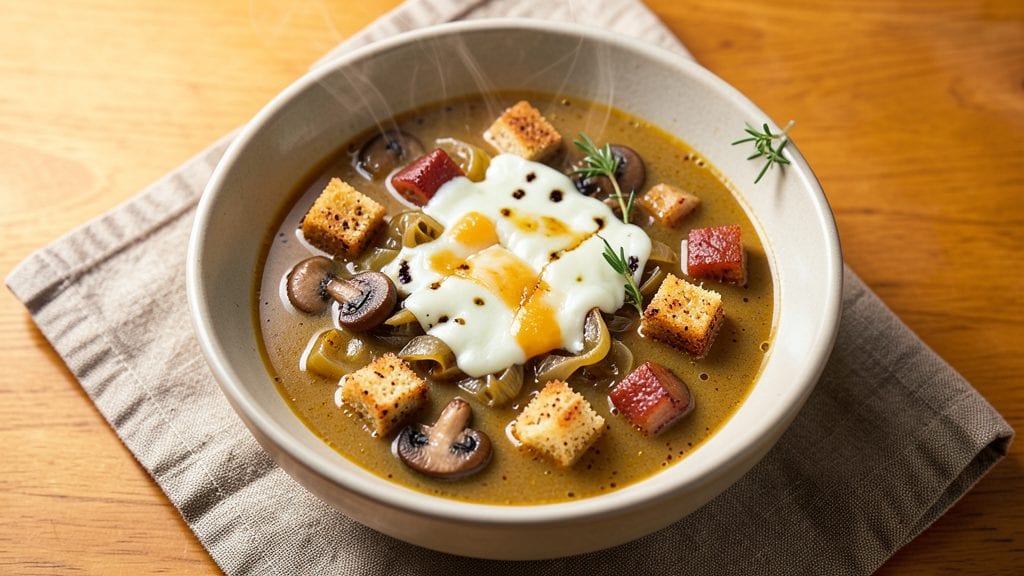
The best beer for beer cheese soup is a malty, medium-bodied lager or amber ale like Allagash White, Fat Tire, or Samuel Adams Boston Lager, balancing sweetness to complement sharp cheddar without overpowering the dish. Avoid overly bitter or hop-heavy beers that clash with the creamy base.
The right beer choice enhances the soup's depth by harmonizing with the cheddar's sharpness while adding a subtle caramel or biscuit undertone that rounds out the richness. 🔥 A well-balanced lager or amber ale provides just enough malt sweetness to soften the cheese's bite without introducing harsh bitterness, which can make the dish taste flat.
For example, stouts might work in heartier versions, but their roasted notes can overpower the delicate balance of a classic beer cheese soup.
If you're working with dietary restrictions, gluten-free lagers or even non-alcoholic options can replicate the malt profile without sacrificing flavor. Always taste the beer before cooking—if it leaves a lingering bitterness on your palate, it's likely too aggressive for the dish.
The goal is a smooth, cohesive flavor that lets the cheese and beer shine together.
💡 In This Article
- Why Beer Style Matters in Beer Cheese Soup
- Substitutes and Pro Tips for Beer Selection
Why beer style matters in beer cheese soup
The malt profile of beer is the secret weapon in beer cheese soup, acting like a flavor conductor for the dish. Malty beers with notes of caramel, biscuit, or toasted grains provide the sweetness needed to balance cheddar's sharp acidity.
For example, a lager with 20-30 IBUs (International Bitterness Units) will add just enough bitterness to cut through the richness without dominating, while the malt sugars create a velvety mouthfeel that complements the soup's creaminess. This is why beers like Allagash White—with its honeyed malt character—work so well. 🔥
Science shows that the alcohol content (typically 4-5% ABV) in these beers also plays a crucial role. As the beer simmers, the alcohol evaporates, leaving behind concentrated malt flavors that deepen the soup's complexity.
However, beers with higher alcohol (like stouts at 6-8% ABV) can leave a harsh, boozy aftertaste if not properly reduced. The key is finding that sweet spot where the malt's sweetness and the beer's body enhance the cheese without overpowering it.
Bitterness is the wild card in beer cheese soup pairings. Beers with 40+ IBUs, like IPAs or hop-forward ales, introduce a harsh edge that clashes with the creamy, cheesy base.
The tannins in these beers can also react with the milk proteins in the soup, creating a gritty texture that ruins the dish's silky smoothness. That's why lagers and amber ales—with their balanced malt-to-hop ratios—are the gold standard for this recipe.
Their subtle bitterness acts as a palate cleanser between bites of rich, cheesy soup.
Lagers and ales also differ chemically in ways that affect the soup's texture. Lagers, fermented at cooler temperatures (45-55°F), produce cleaner, crisper flavors that stand up to sharp cheddar.
Ales, fermented warmer (60-75°F), develop fruitier, more complex malt profiles that add depth but can sometimes overpower the cheese if not chosen carefully.
For instance, an amber ale like Samuel Adams Boston Lager brings just enough caramel and biscuit notes to harmonize with the cheese's tanginess, while avoiding the cloying sweetness of some darker beers.
Here's what happens when you get it wrong: Using a hop-heavy IPA in beer cheese soup can turn the dish into a bitter, one-note experience. The high alpha acids in IPAs (often 60+ IBUs) create a lingering bitterness that masks the cheese's nuanced flavors.
On the other hand, a stout might add roasted notes that work in a heartier version of the soup, but in a classic recipe, it can make the dish taste like a dessert rather than a savory meal.
The goal is always to let the cheese and beer complement each other, not compete. ✨
Pro tip: If you're unsure about a beer's compatibility, do this quick test before cooking. Pour 1/4 cup of the beer into a small bowl and let it sit for 5 minutes.
If it leaves a clean, slightly sweet aftertaste with no harsh bitterness, it's likely a good match for the soup. This simple step can save you from ruining an entire batch with the wrong beer choice.