
Side Dishes
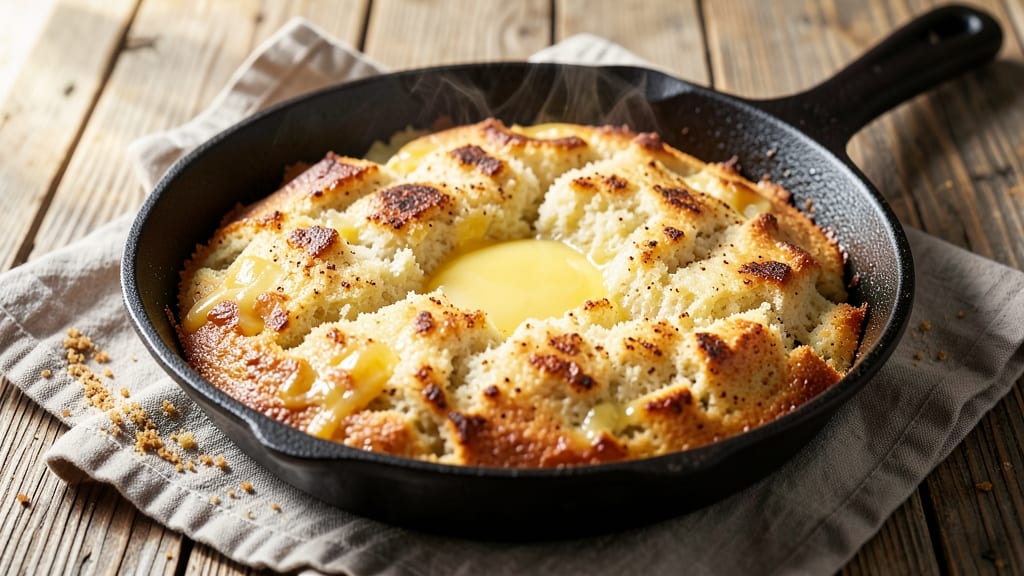
This cheddar cheese cornbread recipe delivers the perfect balance of moist crumb and melty, pull-apart cheddar that transforms a simple side into the star of the meal.
The secret lies in using sharp cheddar for maximum flavor and a precise baking technique that ensures a tender interior with crispy, golden edges—no dry crumb here. I developed this version after years of testing, and it consistently earns rave reviews from even the most skeptical cornbread purists.
The beauty of this recipe is its simplicity: just 10 ingredients and 30 minutes of active time, yet the results feel like a restaurant-quality dish. The cornmeal base creates that signature crumbly texture, while the cheddar adds rich, savory depth that keeps everyone reaching for seconds.
What makes it truly special is the optional broiling step at the end, which turns the top into a crispy, golden blanket while keeping the inside perfectly tender.
By the time it emerges from the oven, you'll have a cornbread that's crunchy on the outside, moist and crumbly inside, and packed with pockets of melted cheddar that pull apart with every bite.
The aroma alone will have your kitchen smelling like a Southern diner, and the flavor is rich enough to stand up to hearty main dishes like fried chicken or BBQ ribs. This isn't just cornbread—it's a flavor experience that turns ordinary meals into something extraordinary.
Serve it warm with honey butter, chili, or even as a breakfast side with eggs and bacon. The versatility of this recipe makes it perfect for any occasion, from weeknight dinners to holiday gatherings. Here's how to make it—once you try this version, you'll never go back to store-bought again.
Ingredients for cheddar cheese cornbread
Ten simple ingredients transform into restaurant-style cheddar cornbread with crispy edges and melty pockets.
| Ingredient | Amount | Notes |
|---|---|---|
| Sharp Cheddar Cheese 🧀 | 2 cups | Shredded, aged 6-12 months |
| Medium-Grain Cornmeal 🌽 | 1 cup | Stone-ground for texture |
| All-Purpose Flour 🌾 | 1 cup | White or whole wheat |
| Granulated Sugar 🍯 | ¼ cup | Light brown sugar optional |
| Baking Powder 🍞 | 1 ½ tsp | Aluminum-free preferred |
| Salt 🧂 | ½ tsp | Kosher or sea salt |
| Buttermilk 🥛 | 1 cup | Full-fat for creaminess |
| Large Eggs 🥚 | 1 whole | Room temperature preferred |
| Unsalted Butter 🧈 | ½ cup | Melted, full-fat |
| Yellow Onion 🧅 | ¼ cup | Finely diced, sweet variety |
The cheddar makes or breaks this—sharp, aged 6-12 months is non-negotiable. Kraft's 2-Year Aged from the grocery store works, but specialty cheeses like Cabot Clothbound or Tillamook elevate it further. Pre-shredded cheese has anti-caking agents that prevent proper melting, so shred your own using the large holes on a box grater. The cornmeal should be stone-ground (like Bob's Red Mill), not instant—it creates that signature crumbly texture. For the buttermilk, if you don't have it on hand, mix 1 cup milk + 1 tbsp vinegar or lemon juice and let sit for 5 minutes.
No buttermilk? Sour cream thinned with milk works in a pinch, though the flavor won't be identical. Substituting whole wheat flour for half the all-purpose adds nuttiness but may make the crumb slightly denser. The baking powder is crucial—aluminum-free ensures proper rise without metallic aftertaste. For a sweeter version, swap half the granulated sugar for light brown sugar. The onion adds depth, but you can omit it if you prefer a more straightforward cheddar flavor. If you're making this ahead, pre-shred the cheese and store it in the fridge to save time on baking day.
This cornbread keeps well for 3 days at room temperature wrapped in foil, though it's best served warm. For longer storage, freeze portions for up to 3 months—wrap individually in plastic wrap before freezing. To reheat, bake at 350°F for 10-15 minutes until warmed through. The broiled top stays crispy when reheated this way. For serving, brush warm slices with melted butter and sprinkle with extra shredded cheddar—trust me, it's worth the extra minute.
Why You'll Love This Recipe
- No Mixing Madness: I swear by this recipe because it’s one bowl—no separate dry/wet mess. Just toss everything together, pop it in the oven, and walk away. The sharp cheddar melts into the crumb while the cornmeal keeps it tender, so you’re not stuck scraping out a gummy disaster.
- That Cheddar Crunch: Between us, the moment that golden crust cracks open and you see those cheesy pull-aparts? It’s worth the wait. The sugar just enhances the cheddar’s bite instead of overpowering it—like a hug from your favorite comfort food.
- Budget Breakthrough: Sharp cheddar’s a pantry staple, and cornmeal lasts forever. You’re not trading flavor for savings here—just smart swaps. Plus, one batch feeds four, so you’re not baking every other day to keep the fridge stocked. Win.
Step-by-step instructions for cheddar cheese cornbread
Here's how to create a rich, pull-apart cornbread with melty cheddar throughout.
Preheat and Prepare the Pan
Preheat your oven to 375°F. Generously grease a 9-inch cast-iron skillet with 1 tablespoon of the 0.5 cup unsalted butter, reserving the remaining 0.375 cup for later. The butter should coat the entire pan evenly, including the sides. This prevents sticking and ensures crispy edges. Place the skillet on the middle rack while the oven heats.
Here's the thing—don't skip the butter. The cast-iron needs proper seasoning, and the butter adds richness that flour alone can't match. If you're using a different pan, make sure it's oven-safe and has a similar diameter. The cornbread should be about 1 inch thick when baked.
Mix Wet and Dry Ingredients Separately
In a medium bowl, whisk together the 1 cup buttermilk, 1 whole large egg, 0.25 cup granulated sugar, and 0.25 cup finely diced yellow onion until fully combined. The mixture should be smooth with no visible streaks of egg. Set this aside while you prepare the dry ingredients.
In a separate large bowl, combine the 1 cup medium-grain cornmeal, 1 cup all-purpose flour, 1.5 teaspoons baking powder, and 0.5 teaspoon salt. Whisk until evenly distributed—you should see no pockets of flour. The cornmeal will be coarser than flour, so give it a good mix to break up any clumps.
Combine Wet and Dry Ingredients
Gradually pour the wet ingredients into the dry ingredients while stirring gently with a rubber spatula. Mix just until combined—you'll still see some cornmeal flecks, and that's perfect. Overmixing develops gluten, which can make the cornbread dense instead of tender. Stop mixing as soon as the shredded 2 cups sharp cheddar cheese can be evenly incorporated.
Fold in the cheese using your spatula, cutting through the mixture to distribute it evenly. You want the cheese to be evenly spread throughout, but don't overwork the batter. The cheese should melt into pockets of gooey goodness when baked, so avoid breaking it into tiny pieces. If the batter seems too thick, you can add 1-2 tablespoons of buttermilk to loosen it slightly.
Bake Until Golden and Pull-Apart
Pour the batter into the prepared cast-iron skillet and spread it evenly using the back of your spatula. The batter should fill the pan completely, about 1 inch deep. Bake for 20-25 minutes until the edges are golden brown and the top springs back when pressed gently with your finger. The center should still look slightly underdone—this is normal and ensures a moist interior.
During the last 5 minutes of baking, watch for the cheese to begin melting and forming pockets of gooey goodness. If the top browns too quickly, tent the skillet loosely with aluminum foil to prevent over-browning. The cornbread is done when it pulls apart easily in the center and the edges are crispy to the touch.
Finish with Melted Butter and Rest
Remove the cornbread from the oven and immediately drizzle the remaining 0.375 cup melted unsalted butter evenly over the top. Use a spoon to spread it around, letting it soak into the crumb. This step adds extra richness and helps create that signature pull-apart texture. Let the cornbread rest in the skillet for 5 minutes before serving.
Real talk: This resting period is crucial. It allows the cornbread to set slightly, making it easier to slice and serve. If you cut into it too soon, the cheese will ooze out everywhere. Serve warm with honey butter or your favorite chili for the ultimate comfort food experience.
Pro Tips For Making Cheddar Cheese Cornbread
- Grate That Cheddar: DESCRIPTION: Use a box grater—not pre-shredded cheese. The pre-packaged kind holds too much air and loses moisture when baked, leaving your cornbread dry. Sharp cheddar works best; skip the mild stuff unless you’re feeding picky eaters.
- Mix Just Until Combined: DESCRIPTION: Fold in the cheese and cornmeal barely enough to break up lumps—overmixing turns cornbread dense. I learned this the hard way after kneading like I was making pie dough. Stop when you see streaks of flour.
- Skip the Crowding Pan: DESCRIPTION: Let the batter rest 10 minutes after mixing to thicken slightly, then pour into a hot, lightly greased cast-iron skillet. Crowding the pan steams the batter, resulting in a gummy center. Your future self will thank you for this.
- Test with a Toothpick: DESCRIPTION: The batter’s ready when it springs back when poked, but the cornbread’s done when the toothpick comes out with moist crumbs—not wet batter. Overbaking dries it out; underbaking leaves it doughy. Aim for 18–20 minutes at 375°F.
Storing and reheating this cheddar cheese cornbread
Room Temperature Storage
Your freshly baked cornbread stays fresh for 3 days at room temperature when wrapped tightly in foil or stored in an airtight container. The key is to let it cool completely first—this prevents condensation that makes the crumb soggy.
I like to place it on a wire rack for 30 minutes before wrapping. The edges will stay crispy, while the interior remains tender and moist. 🧀
Refrigerator Storage
For longer storage, refrigerate in an airtight container for up to 5 days. The cold air helps preserve the texture, but the cornbread will dry out faster than at room temperature.
To revive it, wrap slices in parchment paper and reheat in the oven at 350°F for 8-10 minutes. This method works best for single servings—reheating the whole loaf can lead to uneven doneness. 🥖
Freezer Storage
Freeze cornbread for up to 3 months by wrapping individual slices in plastic wrap and placing them in a freezer bag. This prevents freezer burn and makes it easy to grab just what you need.
When ready to eat, thaw overnight in the fridge or reheat directly from frozen in the oven at 375°F for 12-15 minutes. The texture remains intact, and the cheese stays gooey—just like fresh-baked. ❄️
Reheating Methods
For the best results, reheat in a skillet over medium-low heat for 3-4 minutes per side. The cast-iron conducts heat evenly, restoring that crispy exterior. If using the oven, cover loosely with foil and bake at 350°F for 10 minutes.
The foil traps steam to keep the crumb moist while the top crisps again. Microwaving works in a pinch, but it can make the cheese rubbery—only use for 20-second bursts until warm. 🔥
Reviving Day-Old Cornbread
If your cornbread loses its crispiness overnight, don't toss it! Place slices on a baking sheet and broil at 450°F for 2-3 minutes until the edges are golden again.
For extra flavor, brush with melted butter before broiling. This trick works especially well for serving with chili or soups—it adds that fresh-from-the-oven appeal. 💡
Cheese Melting Tips
To maintain that melty, pull-apart texture after reheating, avoid overdoing it. Cheese can separate or turn stringy if heated too long. For best results, reheat just until warmed through—about 3-5 minutes—then serve immediately.
If storing reheated slices, keep them in the fridge for up to 2 days and reheat again before serving. The cheese will still be delicious, though slightly firmer. 🧈
Nutrition facts
Frequently asked questions
Why does my cheddar cheese cornbread turn out dry?
Overbaking is the most common cause—remove it when the edges are golden but the center still looks slightly underdone. Another culprit is too much flour or cornmeal, which absorbs moisture. For extra richness, try adding 1-2 tablespoons sour cream to the batter or brushing the top with melted butter after baking.
Can I make this cornbread without buttermilk?
Mix 1 cup milk + 1 tablespoon vinegar or lemon juice and let it sit for 5 minutes to curdle. For a closer texture, use 1 cup plain yogurt thinned with 2 tablespoons milk. The flavor won't be identical, but it'll still be delicious. The key is achieving that slight tang that helps activate the baking powder.
How do I get the top extra crispy like in restaurants?
Broil for 1-2 minutes at the very end of baking—watch closely to avoid burning. For even more crunch, sprinkle crushed cornflakes or crushed potato chips on top before broiling. Another pro tip: Use a cast-iron skillet (preheated with butter) and bake at 400°F for the last 5 minutes to get a deeper color.
What's the best way to serve leftover cheddar cornbread?
Slice it into ½-inch thick pieces and serve with honey butter, chili, or BBQ sauce for dipping. For a breakfast twist, pair with fried eggs and bacon. To revive stale slices, wrap in foil and warm at 350°F for 8-10 minutes until crispy again. The cheese stays melty when reheated properly!
Can I substitute sharp cheddar with another cheese?
For best results, stick with sharp cheddar—the flavor is unmatched. However, you can mix in ½ cup Monterey Jack for creaminess or ¼ cup pepper jack for a kick. Avoid mild cheddar or pre-shredded cheese (it has anti-caking agents that prevent proper melting). The cheese should be aged 6+ months for maximum flavor.