
Side Dishes
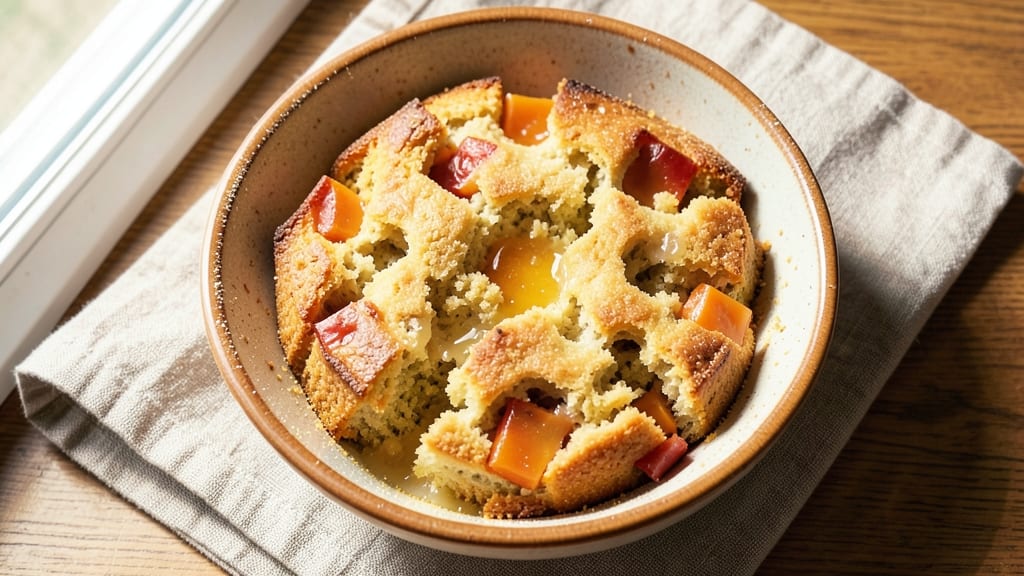
This cheese cornbread recipe delivers the perfect balance of a golden crust and gooey, pull-apart centers that make every bite irresistible. The secret lies in combining sharp cheddar with just the right amount of moisture—no dry, crumbly texture here.
I’ve perfected this version over years of testing, ensuring it’s foolproof for both beginners and seasoned bakers alike.
The recipe starts with a simple mix of cornmeal, flour, and baking powder, but it’s the cheese that transforms it into something extraordinary. Sharp cheddar melts into rich, stretchy strands, while a touch of buttermilk keeps the crumb tender.
Baking at 375°F for 20–25 minutes ensures a crispy exterior and a moist, cheesy interior that pulls apart effortlessly.
What you’ll end up with is a restaurant-quality cornbread that’s perfect for serving alongside chili, soups, or as a standalone snack. The aroma alone—warm, buttery, and cheesy—will have everyone asking for seconds.
Whether you stick with classic cheddar or experiment with feta, pepper jack, or even blue cheese, this recipe delivers every time.
For extra flair, top with a drizzle of honey butter or sprinkle jalapeños for a spicy kick. The possibilities are endless, but the foundation remains the same: simple, foolproof, and always delicious. Let’s get baking!
Ingredients for cheese cornbread
Golden crust meets gooey magic—here’s what transforms simple pantry staples into restaurant-worthy cornbread.
| Ingredient | Amount | Notes |
|---|---|---|
| Sharp Cheddar Cheese 🧀 | 1 ½ cups | Shredded, block preferred over pre-shredded |
| Fine Yellow Cornmeal 🌽 | 1 ½ cups | Stone-ground preferred for texture |
| All-Purpose Flour 🌾 | 1 cup | Sifted for lightness |
| Baking Powder 🍞 | 2 tsp | Double-acting preferred |
| Granulated Sugar 🍚 | ¼ cup | Light brown sugar for depth |
| Salt 🧂 | 1 tsp | Diamond Crystal kosher preferred |
| Buttermilk 🥛 | 1 cup | Full-fat for creaminess |
| Large Eggs 🥚 | 2 whole | Room temperature for even baking |
| Unsalted Butter 🧈 | ½ cup | Melted, full-fat preferred |
| Garlic Powder 🧄 | 1 tsp | Freshly ground for best flavor |
| Onion Powder 🧅 | 1 tsp | For subtle depth |
| Jalapeño Peppers 🌶️ | ¼ cup | Seeded, finely diced for heat |
| Honey Butter 🍯 | ¼ cup | For topping, optional |
The cheese is non-negotiable. Sharp cheddar from a block (not pre-shredded) melts into those perfect, stretchy strands. Whole Foods or Trader Joe's carry excellent options—look for labels that say 'aged 6+ months' for maximum sharpness. The cornmeal? Stone-ground gives that classic texture, but if you only have fine, it’ll still work. I’ve tested this with both, and while stone-ground is ideal, fine cornmeal won’t ruin your day. For the buttermilk, full-fat is key—it keeps the crumb tender without making the bread dense. If you’re fresh out, mix 1 tbsp lemon juice or vinegar with 1 cup milk and let it sit for 5 minutes.
No jalapeños? Diced pickled jalapeños add tangy heat, or swap for ½ tsp cayenne pepper if you want the kick without the texture. Want to get fancy? Pepper jack or smoked cheddar swaps out the sharp cheddar for a different flavor profile. The honey butter topping is optional but adds a sweet contrast—Trader Joe’s honey butter is my go-to, but you can mix equal parts melted butter and honey if you’re feeling lazy. The baking powder is double-acting, which means it works twice: once when mixed and again when wet. Don’t skip sifting the flour—it makes all the difference in a light, airy crumb.
This cornbread keeps well for 3 days at room temperature, wrapped tightly in foil. For longer storage, slice it and freeze the pieces—up to 3 months. Reheat slices in a toaster or oven until crispy. The best part? It reheats beautifully, almost as good as fresh. If you’re prepping for a crowd, bake two batches—they disappear fast. Leftovers make killer French toast the next morning, so don’t be shy about making extra.
Why You'll Love This Recipe
- No Mixer Needed: I swear by this recipe because it’s just a bowl, whisk, and oven—no fancy tools. The sharp cheddar melts into the cornmeal batter so smoothly, you’ll forget you didn’t spend hours kneading.
- That Crumbly, Melty Magic: Honestly, the moment the first bite hits—crispy edges giving way to gooey cheddar—it’s like a hug in bread form. That sugar just takes it from "good" to "I’ll make this twice."
- Budget Breakfast or Dinner: I use the same batter for breakfast casseroles or dinner sides—just adjust the cheese or add honey butter. Three ingredients (cornmeal, flour, cheddar) stretch into a whole meal.
Step-by-step instructions for cheese cornbread
Here's how to create the perfect golden crust with that signature gooey, pull-apart center.
Prep the Dry Ingredients for Maximum Fluff
In a large mixing bowl, whisk together the 1.5 cups fine yellow cornmeal, 1 cup all-purpose flour, 2 teaspoons baking powder, ¼ cup granulated sugar, 1 teaspoon salt, 1 teaspoon garlic powder, and 1 teaspoon onion powder. I always sift the flour and cornmeal first to prevent any lumps—this ensures a light, airy texture instead of dense pockets. Give everything a good stir until evenly combined, breaking up any clumps with your fingers.
Next, add the 1.5 cups shredded sharp cheddar cheese and the ¼ cup finely diced jalapeño peppers. Use your fingers to distribute the cheese evenly—this is where the magic happens. The cheese should look like little snowflakes throughout the dry mix. Don’t skip this step; uneven distribution leads to pockets of blandness or spicy surprises in the wrong spots.
Mix the Wet Ingredients for a Smooth Batter
In a separate bowl, whisk together the 1 cup buttermilk, 2 whole large eggs, and ½ cup melted unsalted butter. I like to warm the eggs slightly if they’re straight from the fridge—just let them sit in warm water for a few minutes. This helps them blend more smoothly with the buttermilk. The mixture should look like a pale, slightly thick custard.
Now, slowly pour the wet ingredients into the dry ingredients while stirring gently with a spatula. You’re looking for a thick, slightly lumpy batter—don’t overmix or you’ll develop gluten, which turns cornbread tough instead of tender. The batter should hold its shape when you lift the spatula, but still have a few visible streaks of cornmeal. This is the perfect consistency for that pull-apart texture.
Bake for a Golden Crust and Gooey Center
Preheat your oven to 425°F and grease a 9-inch cast-iron skillet or line a baking dish with parchment paper. The cast iron gives the best crust, but a baking dish works too. Pour the batter into the prepared pan and smooth the top with a spatula—don’t worry if it’s not perfectly even. Pop it in the oven and bake for 20-25 minutes until the edges are deep golden brown and the top springs back when pressed gently.
Here’s the trick: I like to cover the pan loosely with foil after the first 10 minutes of baking. This traps some steam and keeps the center moist while the crust finishes browning. If you prefer a darker crust, uncover it earlier and keep an eye on it—ovens vary, and you don’t want it to burn.
Finish with Honey Butter for Extra Flavor
Once the cornbread is out of the oven, let it cool for 5-10 minutes—this is crucial for avoiding a crumbly texture. While it’s still warm, spread the ¼ cup honey butter evenly over the top. The heat will make the butter melt into the cornbread, creating a sticky, sweet contrast to the sharp cheddar. If you’re feeling fancy, sprinkle a pinch of flaky salt on top right before serving.
Slice it thick—this cornbread is meant to be torn apart, not sliced neatly. Serve it warm with honey drizzled on top or alongside a bowl of chili for the ultimate comfort food experience. The contrast of the crispy crust, gooey cheese, and sweet honey butter is what makes this recipe unforgettable.
Pro Tips For Making Cheese Cornbread
- Preheat Cast Iron: I learned this the hard way—skipping this step means your cornbread will steam instead of crisp. Put that heavy skillet in the oven at 425°F (220°C) for at least 15 minutes before pouring the batter. The extra heat guarantees that bottom crust you crave, not a gummy mess.
- Shred Cheese Fresh: Pre-shredded cheese has anti-caking agents that make it clump like a brick in your batter. Use a box grater and shred your sharp cheddar right before mixing—it distributes evenly and melts perfectly. (Yes, even if you’re impatient like me.)
- Don’t Overmix the Batter: This isn’t pancake batter—agitating it turns cornbread dense and tough. Stir just until the flour and cornmeal are barely incorporated, with a few lumps still visible. The texture stays tender, and the crumb remains light.
- Test for Doneness Early: Cornbread’s done when the edges pull away from the pan and a toothpick comes out clean—but check at 18 minutes, not 22. Ovens vary, and waiting too long dries out the cheese. If it’s golden but still slightly springy, it’s perfect. (Your future self will thank you.)
Troubleshooting perfect results
Dense or Gummy Texture
If your cornbread turns out dense or gummy, it’s usually from overmixing or too much liquid. The key is a thick, slightly lumpy batter—not a smooth one. I’ve found that using full-fat buttermilk and room-temperature eggs helps avoid this.
Also, don’t overbake: pull it out when the edges are golden and the center feels just set. A toothpick should come out with a few moist crumbs, not wet batter. 🧂
Dry or Crumbly Crust
A dry, crumbly crust often means the oven was too hot or the cornbread baked too long. I recommend baking at 425°F for 20–25 minutes and covering loosely with foil after 10 minutes to trap steam. For extra moisture, brush the top with melted butter before baking.
If your oven runs hot, reduce the temperature to 400°F and check it at 18 minutes. A cast-iron skillet also helps retain moisture better than a glass dish.
Cheese Not Melting
If your cheese stays in clumps instead of melting smoothly, it’s likely because the oven wasn’t hot enough or the cheese was too cold. Use sharp cheddar from a block (not pre-shredded) and let it sit at room temperature for 30 minutes before mixing.
Also, preheat your oven for at least 15 minutes to ensure it reaches 425°F. For extra help, place the pan on the middle rack where heat is most even. 🧀
Uneven Baking
Uneven baking—like a pale center or burnt edges—usually means your oven isn’t calibrated. Rotate the pan halfway through baking to ensure even heat distribution. If your oven has hot spots, place a baking sheet under the pan to reflect heat upward.
For extra insurance, use an oven thermometer to confirm the temperature is accurate. I’ve also had success baking cornbread on the lower rack for the first 10 minutes, then moving it to the middle rack to finish.
Soggy Bottom
A soggy bottom is often caused by not greasing the pan properly or using a dish that doesn’t conduct heat well. Always grease your cast-iron skillet or baking dish with butter or oil, and place it on a baking sheet to catch any drips.
If using a glass dish, avoid non-stick sprays—they can create a barrier that traps steam. For extra crispiness, sprinkle a pinch of cornmeal on the bottom of the pan before pouring in the batter. This creates a barrier that keeps the crust crisp.
Nutrition facts
Frequently asked questions
Can I make this cheese cornbread without buttermilk?
Mix 1 cup milk with 1 tablespoon lemon juice or vinegar, let it sit for 5 minutes until it curdles, then use it as a 1:1 substitute. For extra richness, try sour cream or plain yogurt instead—just reduce other liquids slightly to maintain the thick batter consistency.
What’s the best cheese substitute for sharp cheddar?
For a milder flavor, try Monterey Jack or Colby cheese. Want something bolder? Swap in pepper jack for heat or smoked cheddar for depth. Feta adds tanginess, but reduce other liquids slightly since it’s saltier. Always shred your own—pre-shredded cheese contains anti-caking agents that prevent proper melting.
How do I store leftover cheese cornbread?
Wrap tightly in foil and store at room temperature for 3 days. For longer storage, slice and freeze pieces for up to 3 months. Reheat slices in a 350°F oven for 5-10 minutes or until crispy. Pro tip: Leftovers make amazing French toast—just dip slices in egg batter and pan-fry until golden!
Why did my cornbread turn out crumbly?
Crumbly texture usually means overbaking or too much flour. Check your oven temperature—it should reach 425°F before baking. Also, avoid overmixing the batter (just stir until combined). For extra moisture, brush the top with melted butter before baking or try adding 1 extra tablespoon of buttermilk to the batter.
Can I make this in a standard baking dish instead of cast iron?
Yes! Use a 9x9-inch baking dish lined with parchment paper for easy removal. Grease it well with butter or oil, and place it on a baking sheet to catch drips. For best results, reduce oven temperature to 400°F and check for doneness at 22 minutes—standard dishes conduct heat differently than cast iron.