
Appetizers
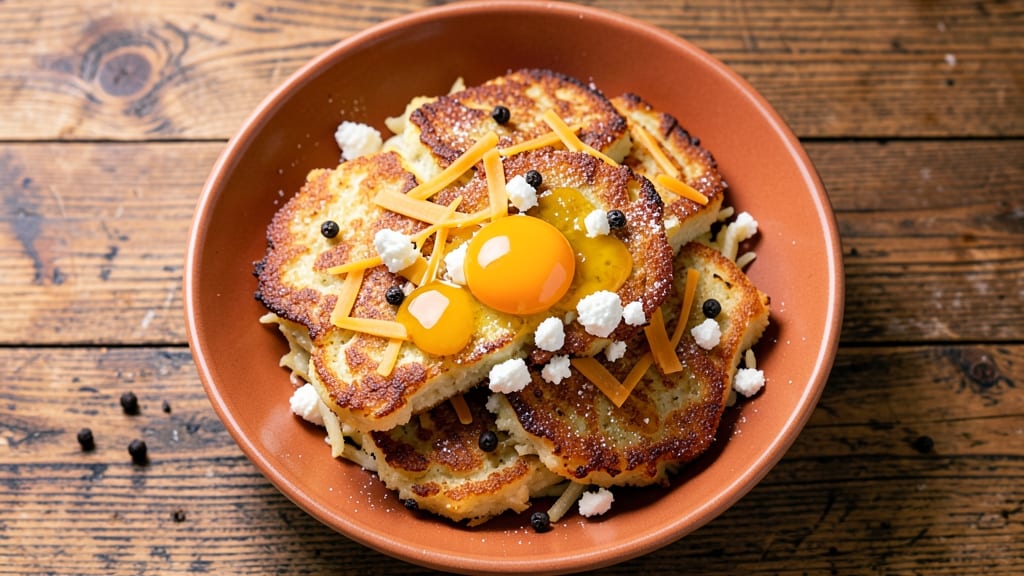
This cheese latkes recipe transforms classic potato pancakes into golden, crispy masterpieces with a melty cheese center that redefines comfort food. The secret lies in perfectly grated potatoes, a precise cheese-to-potato ratio, and the right frying technique—no soggy centers or greasy results here.
I've refined this method over years of testing, ensuring every bite delivers that satisfying crunch followed by gooey, flavorful cheese.
What sets these cheese latkes apart is the balance of textures: crispy edges that shatter with each bite, while the interior stays tender and packed with melted cheese.
Traditional recipes often rely on simple potatoes and eggs, but this version incorporates sharp cheddar and a touch of feta for depth, creating a flavor profile that bridges classic Jewish comfort food with modern twists. The egg binder holds everything together just enough to maintain shape without making them dense.
By the time you finish frying, you'll have a stack of latkes that look like they belong on a holiday table—golden brown, evenly crispy, and impossible to resist. The cheese melts into perfect pockets, creating that magical contrast between the crunchy exterior and creamy interior.
Serve them with warm applesauce or tangy sour cream for dipping, and prepare for compliments that'll make you the star of any gathering.
Whether you're hosting a Shabbat dinner or just craving something hearty, these latkes deliver restaurant-quality results at home. The technique is straightforward, but the payoff is worth every minute—crispy, cheesy, and utterly satisfying. Let's get cooking!
Ingredients for cheese latkes
Crispy edges, gooey cheese—just eight key ingredients transform simple potatoes into golden latkes magic.
| Ingredient | Amount | Notes |
|---|---|---|
| Russet Potatoes 🥔 | 2 lbs | Cold, peeled, finely grated |
| Sharp Cheddar Cheese 🧀 | 1 cup | Freshly grated, block preferred |
| Feta Cheese 🧀 | ½ cup | Crumbled, not melted |
| Large Eggs 🥚 | 2 whole | Room temperature, beaten |
| All-Purpose Flour 🌾 | ¼ cup | For binding, not thickening |
| Granulated Sugar 🍚 | 1 tbsp | Balances flavors |
| Salt 🧂 | 1 tsp | Kosher or sea salt |
| Black Pepper 🌶️ | ½ tsp | Freshly ground preferred |
| Vegetable Oil 🫒 | 3 cups | High smoke point, like canola |
| Fresh Parsley 🌿 | ¼ cup | Chopped, for garnish |
| Applesauce 🍎 | ½ cup | Unsweetened, for serving |
| Sour Cream 🥛 | ½ cup | Full-fat for dipping |
The potatoes are everything. Russets are ideal—their starch makes them fluffy, not gluey. Grab the coldest ones from the store (they grate easier) and peel and grate immediately—oxidation makes them watery. I use a box grater with medium holes, but a food processor works too (pulse, don't blend). The sharp cheddar needs to be real block cheese—pre-shredded has anti-caking agents that keep it dry. For the feta, crumbled is best—it melts into pockets instead of clumping. Pro tip: squeeze the grated potatoes between paper towels to remove excess moisture before mixing.
No sharp cheddar? Pepper Jack or Gruyère work in a pinch, but they change the flavor. Short on feta? Add an extra 0.25 cup of cheddar—it won't be identical, but still delicious. The eggs are non-negotiable for binding, but if you're vegan, flax eggs (2 tbsp ground flax + 6 tbsp water) hold up surprisingly well. For the oil, canola or peanut oil are best—they stay hot and don't burn. The parsley is optional but adds freshness; skip it if you're in a rush. And yes, the sugar is intentional—it caramelizes slightly for depth of flavor.
This isn't a make-ahead dish. The potatoes oxidize fast, so mix everything last minute. Frying oil should be 350°F—use a thermometer, not guesswork. Latkes keep 20 minutes in a 200°F oven, but they're best fresh. For leftovers, reheat in a skillet over medium heat (microwaving makes them soggy). Store in an airtight container for 3 days. The applesauce and sour cream? Buy them the day before—freshness matters for the tang. Freeze extras for up to 2 months (they crisp up again after reheating).
Why You'll Love This Recipe
- No Grate Needed: I’ll admit, I used to dread the grating step—until I realized you can just shred those Russets with a box grater or pulse them in the food processor. Either way, you’re saving your hands and still get that perfect texture.
- Creamy Crispy Magic: That sharp cheddar and feta combo? It’s what turns a regular latke into something ridiculous. The outside gets golden and crispy while the inside stays warm and gooey—like a hug in potato form.
- Weeknight to Holiday: Honestly, this recipe works everywhere. Serve it with applesauce for a quick breakfast, toss it in a pita for lunch, or pile it high for a Hanukkah spread. The same batter does it all.
- Budget-Friendly Leftovers: Russets are cheap, eggs stretch the batter, and the cheese makes everything feel special—without breaking the bank. Plus, these reheat like a dream, so you can make a big batch and eat them for days. (Yes, even on a Tuesday night.)
Step-by-step instructions for cheese latkes recipe
Here's how to make these crispy cheese latkes with a perfect melty center every time.
Grate and Squeeze Out Excess Moisture
Start by grating the 2 lbs russet potatoes using the large holes of a box grater. I like to work in batches so the potatoes don't get soggy while I'm grating. As you grate, immediately transfer the shredded potatoes to a clean kitchen towel or cheesecloth.
Gather the towel into a bundle and squeeze out as much liquid as possible. This step is crucial for crispy latkes—too much moisture means steamed pancakes instead of golden, crunchy ones. I press down firmly with my hands, then twist the towel to wring out more liquid. You should end up with about 3 cups of dry potato shreds after squeezing.
Mix the Batter for Perfect Texture
In a large bowl, combine the squeezed potatoes with the 1 cup sharp cheddar cheese (grated fresh), 0.5 cup feta cheese (crumbled), 2 whole large eggs (beaten), 0.25 cup all-purpose flour, 1 tbsp granulated sugar, 1 tsp salt, and 0.5 tsp black pepper. Use your hands to mix everything thoroughly—this ensures even distribution of the cheeses and seasonings throughout the batter.
Here's the thing—don't overmix. Just combine until the ingredients come together. The batter should be thick but still hold together when pressed. If it feels too wet, add a little more flour, 1 tablespoon at a time, until it reaches a workable consistency. Let the mixture sit for 5 minutes while you heat the oil—this gives the flour time to absorb any remaining moisture.
Heat the Oil for Golden Crispiness
Pour 3 cups vegetable oil into a deep skillet or Dutch oven. Heat it over medium heat until it reaches 350°F on a deep-fry thermometer. If you don't have a thermometer, test the oil by dropping in a small piece of potato batter—it should sizzle immediately and float to the surface. If it browns too quickly, the oil's too hot; if it doesn't bubble, it needs more time to heat up.
This temperature is key for achieving that perfect golden-brown crust without burning the outside before the inside cooks through. I like to keep the oil at this exact temperature throughout cooking—any hotter and you'll get bitter latkes, any cooler and they'll be greasy.
Fry the Latkes Until Golden and Crispy
Using a spoon or ice cream scoop, drop ¼-cup portions of the potato mixture into the hot oil. I space them out so they don't touch—this prevents sticking and ensures even browning. Fry for 3-4 minutes per side until they're deep golden brown and crispy on the outside. You'll know they're done when the edges look dry and the underside has a nice golden crust.
Don't walk away during this step. The latkes can burn quickly once they're golden. I like to press down gently on them with a spatula during the first minute—this prevents them from curling and ensures even contact with the hot oil. Transfer the cooked latkes to a paper towel-lined plate to drain excess oil.
Serve Warm with Classic Dippers
Keep the latkes warm in a 200°F oven while you fry the rest of the batter. Once all latkes are cooked, sprinkle them with 0.25 cup chopped fresh parsley for a pop of color and freshness. Serve immediately with 0.5 cup applesauce and 0.5 cup sour cream on the side for dipping.
The secret to serving these latkes right is keeping them warm but not soggy. The crispy exterior should stay crunchy, while the inside remains tender and slightly melty from the cheeses. Each bite should deliver that perfect balance of crispy, cheesy goodness with a hint of sweetness from the applesauce or tangy sour cream. Enjoy them right away—they won't stay crispy for long!
Pro Tips For Making Cheese Latkes
- GRATE POTATOES COLD: I learned this the hard way—warm potatoes release starch like a sieve, turning your batter into glue. Grate them straight from the fridge, then squeeze out every last drop of moisture with a clean kitchen towel. This keeps your latkes crispy, not soggy. (Yes, even if you're impatient like me.)
- USE SHARP CHEESE: Sharp cheddar and feta aren’t just flavor—it’s texture. Pre-shredded cheese has anti-caking agents that turn your latkes into dense, chewy bricks. Buy blocks, grate them yourself, and let the cheese sit at room temp for 10 minutes first. Your latkes will thank you with proper melt and crunch.
- TEST OIL TEMPERATURE: Too little oil and your latkes stick; too much and they steam instead of brown. Drop a tiny piece of potato batter into the oil—if it sizzles and rises immediately, you’re good. If it floats lazily, crank the heat. This isn’t guesswork; it’s the thing that matters most for that perfect golden crust.
- PRESS BATTER FIRMLY: I skip this when I’m lazy, but the dish is noticeably better when I don’t. Pack the batter into the pan with the back of a spoon, pressing down just enough to seal the edges. This prevents them from puffing up like blobs and ensures even cooking. (Your future self will thank you.)
Wine and beer pairings for cheese latkes
Crispy Cheese Contrast
These latkes pair beautifully with dry Riesling from Germany or Alsace—its zesty acidity cuts through the richness while complementing the sharp cheddar and salty feta. I reach for Dr. Loosen Blue Slate or Trimbach Gewürztraminer for their bright citrus notes that mirror the subtle sweetness in the applesauce.
The wine's slight effervescence also cleanses your palate between bites of crispy, cheesy goodness. 🍷
Hoppy Beer Balance
A Belgian Witbier like Stella Artois or Hoegaarden works surprisingly well, thanks to its coriander and orange peel notes that echo the parsley garnish. The light body won't overwhelm the latkes, and the slight sweetness pairs perfectly with the melted cheese.
For something bolder, try a German Helles—its malty backbone stands up to the richness without competing. I always keep a cold one nearby during frying sessions! 🍺
Creamy Stout Option
If you prefer something richer, a dry stout like Guinness or Murphy's Irish Stout adds a deep, roasted contrast that balances the latkes' sweet and savory elements. The coffee and chocolate notes in the beer create an unexpected but delicious pairing with the cheddar's sharpness.
I like to serve this option when hosting a crowd—it's always a conversation starter. 💫
Sweet Wine Alternative
For a dessert-like finish, Moscato d'Asti from Italy offers a lightly fizzy, semi-sweet profile that mirrors the applesauce's sweetness. The wine's delicate fruit flavors enhance the latkes' caramelized edges without overpowering the cheese. It's my go-to choice when serving latkes as a brunch appetizer or late-night snack. 🍇
Non-Alcoholic Pairings
Don't drink? No problem. A sparkling apple cider like Martinelli's or Woodchuck Hard Cider (non-alcoholic version) provides the same crisp acidity and fruity notes as the wines. For something more savory, sparkling water with a splash of lemon juice keeps the palate clean between bites.
I always keep a pitcher on hand for guests who prefer to skip alcohol. 🥤
Regional Cheese Twists
If you're using Gruyère instead of cheddar, pair with a Swiss Pinot Noir—its earthy notes complement the nutty cheese beautifully. For Pepper Jack latkes, a Mexican Lager like Modelo Especial adds a refreshing contrast.
The key is matching the cheese's intensity with a beverage that enhances its flavors rather than competing with them. 🗺️
Nutrition facts
Frequently asked questions
Why do my cheese latkes turn out soggy instead of crispy?
Soggy latkes usually mean too much moisture in the batter. Always squeeze grated potatoes thoroughly with a towel to remove excess liquid, and never skip the 5-minute rest before frying. Also, maintain oil at 350°F—too low a temperature steams the latkes instead of frying them. Overcrowding the pan can also cause uneven cooking.
Can I make cheese latkes ahead of time?
Fresh is best, but you can prep the batter up to 24 hours ahead and store it in an airtight container in the fridge. Re-grate potatoes and mix everything just before frying. For leftovers, reheat in a 350°F oven for 10 minutes to restore crispiness. Freezing works too—place cooked latkes in a single layer, freeze, then transfer to a bag for up to 2 months.
What's the best cheese substitute if I don't have cheddar or feta?
For cheddar, try Pepper Jack (adds heat) or Gruyère (nutty depth). Replace feta with goat cheese (crumbled) or mozzarella (for stretchiness). Vegan? Use nutritional yeast + vegan cheese shreds—just add 1 tbsp flaxseed meal + 3 tbsp water as an egg substitute. The key is maintaining the 1:1 cheese-to-potato ratio for texture.
How do I keep latkes from sticking to the pan?
Use enough oil—at least 3 cups for a full batch—and maintain 350°F temperature. Avoid overcrowding the pan (space latkes 1 inch apart). A well-seasoned cast-iron skillet helps too. For extra insurance, add 1 tbsp cornstarch to the batter. If sticking happens, gently press down with a spatula during the first 30 seconds of frying.
Can I bake cheese latkes instead of frying?
Baking works but won't give the same crispy texture. For oven-baked latkes, shape the batter into ¼-inch thick patties, brush with oil, and bake at 400°F for 20-25 minutes, flipping halfway. They'll be softer inside but still delicious. For extra crunch, broil for 2 minutes at the end. The cheese won't melt as dramatically, but it's a great lighter alternative.