
Desserts
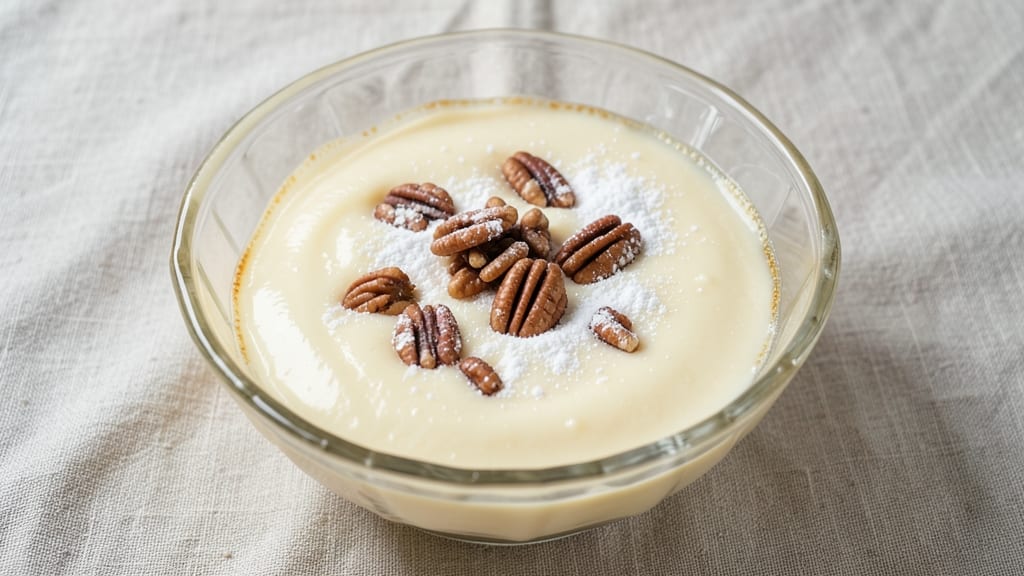
This cheese pudding recipe delivers the creamy, velvety texture you crave with a golden buttery crust that cracks perfectly when chilled—just like your favorite bakery version.
The secret lies in precise timing and temperature control, ensuring a silky center that doesn’t set too soon while the crust develops its signature caramelized edges. I’ve perfected this over years of testing, and the vanilla swirls add that restaurant-quality touch without complicating the process.
The recipe combines simple pantry staples—cream cheese, sour cream, and vanilla extract—with a crispy crust made from just four ingredients.
What sets this apart is the 30-minute bake time followed by 4 hours of chilling, which transforms the custard into a luscious, jiggly dessert with clean cuts and no graininess. The crust stays firm while the filling remains smooth, creating that satisfying contrast in every bite.
By the time you’re ready to serve, you’ll have a dessert that looks impressive yet requires no fancy equipment. The vanilla swirls create elegant visual appeal, while the buttery crust adds a satisfying crunch.
This is the kind of dessert that feels like a special occasion—without the hours of prep or expensive ingredients. Let’s get started on creating your perfect slice.
Serve it chilled with fresh berries, a drizzle of caramel, or a sprinkle of toasted nuts for added texture. The recipe scales easily for gatherings, and leftovers keep well for up to 5 days in the fridge.
Whether it’s for a holiday dessert table or a cozy weeknight treat, this cheese pudding delivers every time.
Ingredients for cheese pudding
Simple pantry staples transform into bakery-style cheese pudding with a golden crust and velvety swirls.
| Ingredient | Amount | Notes |
|---|---|---|
| Cream Cheese 🧀 | 16 oz | Full-fat, room temperature |
| Sour Cream 🥛 | 1 cup | Full-fat for creaminess |
| Granulated Sugar 🍚 | ¾ cup | White or light brown |
| Large Eggs 🥚 | 4 whole | Room temperature preferred |
| Pure Vanilla Extract 🍯 | 2 tbsp | High-quality, not imitation |
| All-Purpose Flour 🌾 | ¼ cup | For thickening custard |
| Unsalted Butter 🧈 | ½ cup | Cold, cubed for crust |
| All-Purpose Flour 🌾 | ½ cup | For crust mixture |
| Granulated Sugar 🍚 | ¼ cup | For crust sweetness |
| Pinch Salt 🧂 | ½ tsp | Fine sea salt preferred |
| Vanilla Bean Paste 🍯 | 1 tbsp | For swirls (optional but recommended) |
The cream cheese is non-negotiable here—full-fat gives that luxurious texture. Philadelphia brand works best since it’s ultra-smooth, but any good-quality block-style cream cheese melts just as well. Room temperature is key: take it out of the fridge 1 hour before starting. For the crust, European-style butter (like Plugrá) has more fat, so you’ll need slightly less. If you can’t find it, regular unsalted butter works fine, just don’t overmix the crust dough. The vanilla extract? Real stuff—none of that imitation junk. A few extra dollars here makes all the difference in flavor.
No vanilla bean paste? Pure vanilla extract plus a pinch of sugar gets you close. Short on sour cream? Substitute Greek yogurt at half the amount, but it’ll be slightly tangier. The crust can be made ahead—just press it into your pan and refrigerate for up to 2 days before baking. For a nutty twist, swap half the crust flour for almond flour. And if you’re feeling fancy, add a splash of bourbon to the custard for depth. The sugar amounts are precise—don’t eyeball them, or your pudding might be too sweet or not set properly.
This custard needs 4 hours of chilling—no skipping! It’s the only way to get that perfect jiggly texture. Store leftovers in an airtight container for 5 days in the fridge, or freeze for 3 months. The crust stays crisp for about 2 hours after baking, so serve it fresh if possible. For make-ahead desserts, assemble the entire pudding (crust + custard) the night before and bake in the morning—just add 10 extra minutes to the bake time. The vanilla swirls? Pipe them right before the final chill for the prettiest presentation.
Why You'll Love This Recipe
- No Mixing Madness: I swear by this recipe because it’s the rare dessert that doesn’t require blender drama or whisking until your arm falls off. Just fold the softened cream cheese and sour cream into the eggs—gently—and let the vanilla and sugar do their magic. The eggs bind it all while keeping it silky, not grainy, so even if you’re not a baking pro, you’ll nail it.
- Vanilla Cream Dream: Between us, this isn’t your basic pudding. The sour cream keeps it tangy enough to cut through the sweetness, while the vanilla extract (not imitation!) infuses deep, warm notes that make it taste like a hug in a bowl. Add a pinch of salt at the end—trust me—and it’ll taste even more ridiculously good.
- Weeknight to Party Fix: I make this for lazy Sundays, potlucks, or when I need a no-fuss dessert for guests. It’s thick enough to serve in ramekins for a fancy vibe but just as happy in a big bowl for casual snacking. Pro tip: Dust it with cinnamon or top with berries, and suddenly it’s elevated—without extra effort.
- Leftovers? More Like Leftovers: This pudding actually improves the second day. The flavors meld, and it’s still creamy (not weirdly separated). Portion it into small jars for grab-and-go breakfasts or stash it in the fridge for when you’re craving something sweet but don’t want to bake. And since it uses pantry staples, it’s a budget win too.
Instructions for cheese pudding with vanilla swirls
Here's how to create that perfect balance of creamy custard and buttery crust with rich vanilla swirls.
Prepare the Crust Mixture
In a medium bowl, combine the 0.5 cup unsalted butter, 0.5 cup all-purpose flour, 0.25 cup granulated sugar, and 0.5 tsp pinch salt. Use your fingers or a pastry cutter to work the butter into the dry ingredients until the mixture resembles coarse crumbs with pea-sized butter pieces. This texture is crucial—it ensures a flaky crust rather than a dense one.
Press the crust mixture evenly into the bottom of a 9-inch springform pan, creating an even layer. Use the back of a spoon to smooth the surface and create a slight edge around the pan's sides. This will help prevent the custard from overflowing during baking. Chill the prepared crust in the refrigerator for 15 minutes while you prepare the filling.
Whisk Together the Custard Ingredients
In a large mixing bowl, beat the 16 oz cream cheese and 1 cup sour cream together until completely smooth and creamy. I use a hand mixer for this step—it ensures there are no lumps in the cream cheese. Gradually add the 0.75 cup granulated sugar while continuing to mix until fully incorporated.
Add the 4 whole large eggs, one at a time, mixing well after each addition. Then stir in the 2 tbsp pure vanilla extract and 0.25 cup all-purpose flour. The mixture should be thick, smooth, and slightly glossy. This is your custard base, and consistency is key—it should coat the back of a spoon but still be pourable.
Create the Vanilla Swirls
Scoop half of the custard mixture into a separate bowl. To this half, add the 1 tbsp vanilla bean paste and mix thoroughly to distribute those beautiful flecks of vanilla throughout. This will create the signature swirls in your finished pudding.
Carefully pour the plain custard into the chilled crust-lined pan, spreading it evenly. Then, use a spoon or rubber spatula to drizzle the vanilla-infused custard over the top in a zigzag pattern. Gently swirl the spatula through the custard to create marbled patterns without overmixing. The goal is to create visual interest while keeping the layers distinct.
Bake to Perfect Doneness
Preheat your oven to 325°F. Place the springform pan on a baking sheet (to catch any potential spills) and bake for 50-60 minutes. The pudding is done when the edges are set but the center still has a slight wobble—it should look mostly firm but not completely solid.
I check for doneness by gently shaking the pan. If the custard jiggles slightly in the center but doesn't move much, it's ready. Overbaking will result in a dry pudding, so resist the urge to bake it all the way through. Let the pudding cool completely at room temperature before refrigerating for at least 4 hours—this allows the flavors to meld and the texture to set properly.
Chill and Serve
Once completely cooled, transfer the springform pan to the refrigerator and chill for 4 hours or overnight. This long chilling time is essential—it develops the perfect creamy texture and allows the vanilla flavors to fully infuse. When ready to serve, run a knife around the edges to loosen it from the pan.
Slice into wedges and serve chilled. Each bite should deliver that perfect combination of creamy custard, buttery crust, and bursts of vanilla flavor. For an extra touch, garnish with fresh berries or a dusting of powdered sugar. The contrast of warm crust and cool custard makes this pudding truly special.
Pro Tips For Making Cheese Pudding
- Scrape the Bowl: After mixing the cream cheese, sour cream, and sugar, scrape the sides of the bowl at least twice—that’s where the good stuff sticks. I learned this the hard way when my first batch had weird lumps because I rushed the mixing.
- Room-Temp Eggs: Take the eggs out of the fridge 10 minutes before cracking them into the batter—cold eggs can make the pudding grainy. Trust me, your future self will notice the difference when the texture is silky instead of chalky.
- Low Heat, Long Simmer: Once the pudding thickens, switch to the lowest heat setting and stir constantly for the last 2-3 minutes—this prevents curdling. I used to walk away, and the next thing I knew, it was a sad, lumpy mess.
- Whisk the Sugar First: Before adding the cream cheese, whisk the sugar into the eggs until fully dissolved—this stops the eggs from scrambling when the cold dairy hits. Sounds weird, but it works: no more rubbery pudding.
Wine and beer pairings for this dish
Sweet Wine Pairings
Rich, creamy cheese pudding pairs beautifully with dessert wines that complement its vanilla and buttery notes. A Moscato d'Asti from Italy—light, fizzy, and slightly sweet—cuts through the richness while enhancing the vanilla flavors. Look for one with 10-12% alcohol to balance the pudding’s density. 🍷
For a deeper experience, try a German Riesling Spätlese with its honeyed sweetness and citrus undertones. The acidity refreshes your palate between bites, making each spoonful feel like a luxurious treat. I recommend Dr. Loosen Blue Slate for its perfect balance.
Creamy Beer Options
Don’t overlook dessert beers—they’re underrated with cheese pudding! A Belgian Dubbel like Westmalle Trappist offers malty sweetness and caramel notes that mirror the crust’s buttery flavor. The alcohol content (6-8% ABV) ensures it won’t overpower the delicate custard.
For a lighter option, a Honey Brown Ale (like Allagash Honey Brown) adds subtle floral notes that harmonize with the vanilla swirls. Serve it slightly chilled—50-55°F—to let the flavors shine without clashing with the pudding’s warmth.
Coffee Liqueur Finish
If you love coffee, a sip of Kahlúa after each bite elevates the experience. The vanilla and caramel notes in the liqueur mirror the pudding’s flavors while adding a bold, aromatic finish. I drizzle a tiny amount over the top of the pudding for an extra touch of sophistication.
Non-Alcoholic Choices
For a refreshing non-alcoholic pairing, try sparkling peach tea (chilled) or vanilla chai latte. The effervescence cleanses your palate, while the peach or chai spices complement the pudding’s sweetness. I steep Tazo Peach Green Tea with a splash of lemon for brightness.
For a creamy alternative, coconut milk-based horchata adds a tropical contrast to the buttery crust. Its cinnamon and vanilla notes create a harmonious bridge between dessert and drink. Serve it ice-cold for the best experience. ✨
Nutrition facts
Frequently asked questions
Why does my cheese pudding come out too dense instead of creamy?
Overmixing the custard or using cold eggs are the most common culprits. Always beat the cream cheese and sour cream until completely smooth, then add eggs one at a time while mixing gently. Room-temperature ingredients blend better. Also, ensure you're using full-fat cream cheese and sour cream—the fat content is key for that silky texture.
Can I make this cheese pudding without a springform pan?
Yes, but you'll need a regular oven-safe dish with straight sides. Line the bottom with parchment paper for easy removal, and press the crust mixture into the pan. After baking, chill completely before unmolding. For extra insurance, lightly grease the sides of the pan to prevent sticking.
How do I fix a cracked crust?
Cracking is normal and actually adds character! For a smoother look, chill the crust for 30 minutes after pressing it into the pan. If cracks appear after baking, simply dust with powdered sugar or drizzle with caramel before serving. The custard quality is what matters most—cracks won't affect the texture.
Can I substitute cream cheese for something else?
For a lighter version, you can use 12 oz ricotta cheese mixed with 4 oz mascarpone, but the texture will be slightly less rich. For a dairy-free option, try full-fat coconut cream (chilled overnight) plus 1/4 cup nutritional yeast for a cheesy flavor. Note that the chilling time may need adjustment for these substitutes.
Why does my cheese pudding have a grainy texture?
Graininess usually means the custard wasn't mixed thoroughly enough or was overbaked. Always use a hand mixer for the cream cheese and sour cream, and ensure all lumps are gone. Also, check your bake time—remove the pudding when the center still has a slight wobble. Overbaking causes the custard to break down and become grainy.