
Appetizers
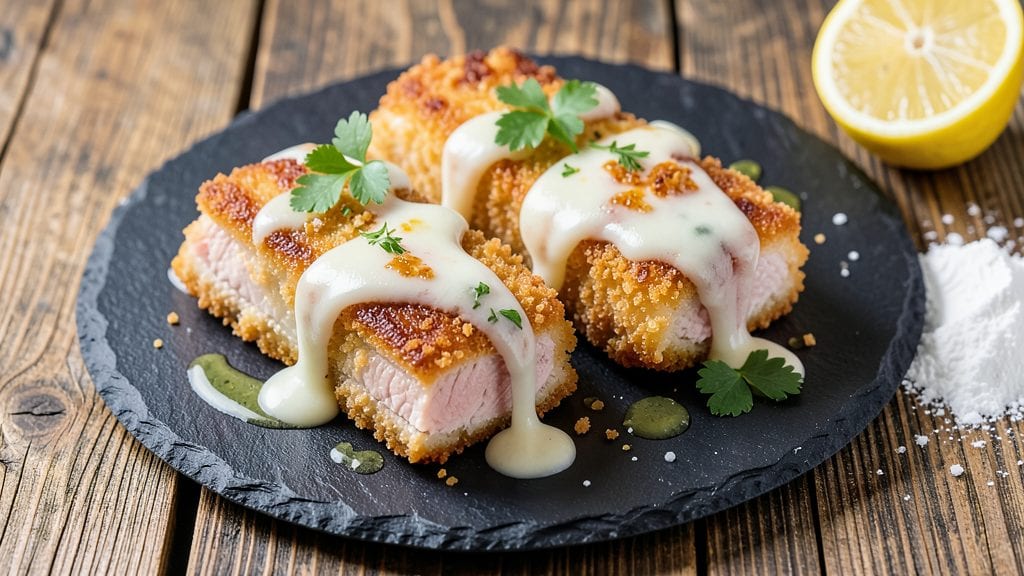
This cheese schnitzel recipe delivers the perfect balance of crispy breaded gold and juicy inside—a classic dish that’s surprisingly simple to master at home.
The secret lies in thin, evenly pounded cutlets coated in a light, crispy breading that stays golden while the cheese melts into a creamy, gooey center. I’ve perfected this technique over years of testing, ensuring every bite is tender yet satisfying, with that signature crunch you crave.
The process starts with pounded cutlets—thin enough to cook quickly but sturdy enough to hold their shape. A double breading method creates that signature crispy texture, while the right cheese (like mozzarella or provolone) melts perfectly without making the breading soggy.
Frying in hot oil (350°F) ensures a golden crust, and a quick flip guarantees even cooking. The result? A dish that’s restaurant-quality but achievable at home.
What makes this recipe stand out is the juicy interior—no dry, rubbery breading here. The cheese melts just enough to create pockets of gooey goodness, while the breading stays light and crispy.
Serve with lemon wedges to cut through the richness or pair with a simple salad for a complete meal. The aroma alone will have everyone at the table asking for seconds.
Whether you’re frying in a skillet or using an air fryer for a lighter version, this method delivers consistent results every time. The key is patience—don’t rush the breading or the frying—and you’ll have a dish that’s crispy on the outside, creamy on the inside, and impossible to resist.
Let’s get cooking!
Ingredients for cheese schnitzel
Crispy breading meets juicy cheese—just 12 ingredients for restaurant-style schnitzel at home.
| Ingredient | Amount | Notes |
|---|---|---|
| Pork Cutlets 🥩 | 1 ½ lb | Thin-cut, boneless, skinless |
| All-Purpose Flour 🌾 | 1 ½ cups | Light, for first breading layer |
| Large Eggs 🥚 | 2 whole | Room temperature for even coating |
| Panko Breadcrumbs 🍞 | 1 ½ cups | Light and crispy texture |
| Shredded Mozzarella Cheese 🧀 | 1 ½ cups | Part-skim or whole milk preferred |
| Shredded Provolone Cheese 🧀 | ½ cup | For extra melt and flavor |
| Vegetable Oil 🫒 | 3 cups | High smoke point for frying |
| Salt 🧂 | 1 ½ tsp | Kosher or sea salt preferred |
| Ground Black Pepper 🌶️ | ½ tsp | Freshly ground for best flavor |
| Garlic Powder 🧄 | ½ tsp | For subtle seasoning |
| Lemon Wedges 🍋 | 4 whole | For serving, optional |
| Unsalted Butter 🧈 | 2 tbsp | For finishing, optional |
The pork cutlets are non-negotiable for that classic schnitzel texture. Look for thin-cut, boneless pork loin chops at your butcher or grocery store meat counter—thicker cuts won't pound thin enough. If you can't find pre-cut, buy a 1-pound pork loin roast and slice it yourself into ¼-inch thick cutlets. The cheese blend matters too: mozzarella for melt and provolone for flavor. Grab the pre-shredded kind (it's easier) but squeeze out excess moisture first—wet cheese ruins the breading. For the breading, Panko gives the best texture, but Italian-style breadcrumbs work too if that's what you have.
No panko? Regular breadcrumbs plus a pinch of baking powder for lift. Out of mozzarella? Swiss or cheddar hold up well, though the melt won't be as creamy. The oil needs to be vegetable or canola—high smoke point, neutral flavor. If you're frying in a skillet, use enough to reach about ½-inch depth. For air fryer versions, lightly spray the basket instead of frying. The eggs should be room temperature—cold eggs won't coat properly. And don't skip the double breading: first dip in flour, egg wash, panko, then cheese, then another egg wash and final panko layer. That's what creates that signature crispy texture.
The schnitzel is best served immediately, but leftovers reheat beautifully. Keep in a single layer on a wire rack to maintain crispiness—don't stack them. Store in an airtight container for up to 2 days in the fridge. For freezing, bread the cutlets first, then freeze on a tray before transferring to a bag. Reheat in a 375°F oven for 10-12 minutes to restore crispiness. The lemon wedges add brightness—squeeze fresh over each piece before serving. And that butter finish? Melted over the top just before serving adds a luxurious touch without overpowering the dish.
Why You'll Love This Recipe
- No-Fuss Assembly: I swear, this comes together faster than takeout. Pound the pork thin, dip in flour, egg, panko, then pile on that melty mozzarella—no fancy techniques, just slap it in the pan.
- Crispy-Creamy Magic: That first bite? Crunchy panko shell gives way to juicy pork and oozing cheese—it’s like a hug for your taste buds. (Yes, even on a Tuesday night.)
- Leftovers That Don’t Suffer: Unlike most fried things, these reheat like a dream. Toss them in the oven for 5 minutes, and they’re just as good as day one—no sad, greasy leftovers here.
- Budget-Friendly Feast: Pork cutlets stretch far, and the rest of the ingredients won’t break the bank. Honestly, I’ve fed four people for under $15 with this—plus, the kids always ask for seconds.
Step-by-step instructions for cheese schnitzel
A perfect cheese schnitzel delivers crispy golden breading and a juicy, melted center every time. Here's how to achieve that balance.
Prepare the Pork Cutlets for Breading
Pat the 1.5 lb pork cutlets completely dry with paper towels—this is critical for crispy breading. I like to press firmly to remove all moisture, especially around the edges where breading tends to stick. Place the cutlets between two sheets of plastic wrap and pound them gently to an even ¼-inch thickness using a meat mallet. This ensures even cooking and prevents thick spots that won't brown properly.
Season both sides generously with 1.5 tsp salt, 0.5 tsp ground black pepper, and 0.5 tsp garlic powder. I press the spices into the meat so they adhere well. Let the seasoned cutlets rest at room temperature for 10 minutes while you prepare the breading station. This resting period helps the meat cook more evenly and prevents shrinking during frying.
Create the Breading Station
Set up three shallow dishes: one for 1.5 cups all-purpose flour, one for the 2 whole large eggs beaten with a fork, and one for the 1.5 cups panko breadcrumbs. In a separate bowl, mix the 1.5 cups shredded mozzarella cheese and 0.5 cup shredded provolone cheese—this combination gives you that perfect melt and flavor balance. Keep the cheese mixture nearby but not in the breading station yet.
I like to add 1 tsp extra salt to the flour mixture to ensure seasoning carries through all layers. The panko breadcrumbs should be light and airy—don't pack them down. Arrange your dishes in order of use: flour first, egg wash second, cheese-panko mixture last. This keeps your workflow smooth and prevents cross-contamination between stations.
Bread and Fry the Schnitzel
Heat 3 cups vegetable oil in a deep skillet to 350°F—use a thermometer to monitor this precisely. The oil should be hot enough to create small bubbles around the cutlets when they hit but not smoking. Working quickly, dredge each cutlet in flour, shaking off excess, then dip into the egg wash, letting any excess drip off. Press the cutlet into the cheese-panko mixture, coating both sides completely.
Carefully slide the breaded cutlet into the hot oil. Fry for 3-4 minutes per side until deep golden brown and crispy. You'll know it's ready when the breading releases easily from the meat and the internal temperature reaches 145°F. Don't overcrowd the pan—fry one schnitzel at a time to maintain oil temperature. Transfer to a wire rack to drain excess oil while you prepare the next one.
Finish with Butter and Serve
Reduce heat to medium-low and add 2 tbsp unsalted butter to the skillet. Once melted, carefully return the fried schnitzels to the pan and let them sit for 1-2 minutes, basting with the butter. This step adds richness and helps melt the cheese inside while keeping the breading crispy. The butter should foam slightly but not brown.
Serve immediately with 4 whole lemon wedges on the side. The schnitzel should be crispy outside with a gooey, melted cheese center that's still juicy inside. Squeeze lemon over the top just before eating to cut through the richness and add brightness. The contrast between the crispy breading and tender meat is what makes this dish exceptional.
Pro Tips For Making Cheese Schnitzel
- Pound Cutlets Thin: Thinness is non-negotiable for even cooking—aim for ¼-inch thickness or less. I used to struggle with uneven doneness until I switched to a rolling pin with a ruler etched on the handle (yes, it’s a thing). If your cutlets are too thick, they’ll turn rubbery before the cheese melts.
- Salt the Pork First: Season the cutlets before breading—generously, with at least 1 tsp salt per pound. I learned this the hard way: breading alone won’t carry enough flavor, and the cheese will just taste bland. Let the salted meat sit for 10 minutes while you prep the rest; it makes a real difference.
- Dry the Flour Well: Pat the floured cutlets hard with paper towels before dipping in egg—this prevents a soggy crust. I was skeptical until I tried it: the panko sticks better, and the cheese doesn’t steam off as much. Skip this, and you’ll end up with a gluey mess instead of a crispy exterior.
- Start Hot, Finish Low: Fry the schnitzel in 350°F oil for the first 2 minutes to set the crust, then drop to 325°F to melt the cheese without burning. After burning three batches, I finally figured out that patience here keeps the breading from turning into a hockey puck. A candy thermometer is worth the $10—trust me.
Common mistakes when making great cheese schnitzel
Over-Pounding the Meat
Pounding your cutlets too thin—below ¼ inch—can turn them rubbery instead of tender. I’ve seen beginners flatten them to ⅛ inch or less, which creates a dense, dry bite. Aim for even ¼-inch thickness throughout, especially in the center.
Use a meat mallet or rolling pin with even pressure—don’t hammer aggressively. The goal is to tenderize, not shred the meat. 🥩
Skipping the Resting Time
Letting the seasoned cutlets rest at room temperature for 10 minutes before breading is non-negotiable. Cold meat shrinks dramatically in hot oil, causing uneven cooking and potential sticking. I’ve tried skipping this step, and the schnitzel always ends up unevenly cooked or with a soggy breading.
Place your cutlets on a wire rack over a plate to allow airflow—this prevents moisture buildup.
Using Wet Cheese
Pre-shredded cheese often contains anti-caking agents that trap moisture, making your breading soggy. Always squeeze excess moisture from the cheese using a clean kitchen towel or paper towels before mixing. I press the cheese between two sheets of paper towel for 5 minutes to remove as much liquid as possible.
Wet cheese will steam inside the breading, turning it into a mushy mess instead of crispy gold. 🧀
Overcrowding the Pan
Frying more than one schnitzel at a time drops the oil temperature, leading to greasy, unevenly cooked results. I’ve made this mistake and ended up with pale, soggy breading.
Maintain 350°F oil temperature by frying one schnitzel at a time. If you’re short on time, work in batches—your patience will pay off with perfectly crispy results every time.
Flipping Too Soon
Flipping the schnitzel before the breading is golden brown (after 3 minutes per side) will cause it to fall apart. The breading needs time to set and form a crust.
I use tongs to gently flip, ensuring the breading stays intact. If you’re unsure, wait an extra 30 seconds—better to slightly overcook than risk a broken schnitzel. 🔥
Ignoring Oil Temperature
Frying in oil that’s too cool (below 325°F) results in greasy, pale breading, while oil that’s too hot (above 375°F) burns the outside before the inside cooks. Use a deep-fry thermometer to monitor temperature precisely.
If your oil starts smoking, remove the pan from heat and let it cool slightly before continuing. Consistent temperature is the secret to that perfect golden crust.
Nutrition facts
Frequently asked questions
Can I use chicken or turkey instead of pork for cheese schnitzel?
Chicken or turkey cutlets work beautifully—just pound them to ¼-inch thickness for even cooking. Use boneless, skinless breasts or thighs, but avoid dark meat like drumsticks as it can make the breading soggy. The cooking time will be slightly shorter (2-3 minutes per side) since poultry cooks faster than pork.
Why is my breading falling off the schnitzel?
This usually happens when the meat isn't dry enough or the oil isn't hot enough. Pat your cutlets completely dry before breading, and ensure your oil reaches 350°F. Another trick: Let the breaded schnitzel rest for 1 minute on a wire rack before frying—this helps the coating adhere better.
What's the best cheese substitute if I don't have mozzarella?
Swiss or sharp cheddar work well—they melt smoothly without making the breading soggy. For extra creaminess, try a mix of fontina and parmesan. Just squeeze out excess moisture first to keep the coating crispy. Avoid soft cheeses like brie, as they'll turn the breading greasy.
Can I make cheese schnitzel in an air fryer instead of deep frying?
Yes! Lightly spray the air fryer basket and cook at 375°F for 6-8 minutes, flipping halfway. For best results, use a lighter breading (less panko) since air fryers don't get as hot as oil. The texture will be slightly different but still delicious—just watch closely to avoid overcooking.
How do I reheat leftover cheese schnitzel without making it soggy?
Reheat in a 375°F oven for 10-12 minutes on a wire rack to restore crispiness. Avoid microwaving—it turns the breading rubbery. For extra crunch, broil for 1-2 minutes at the end, watching closely to prevent burning.