
Desserts
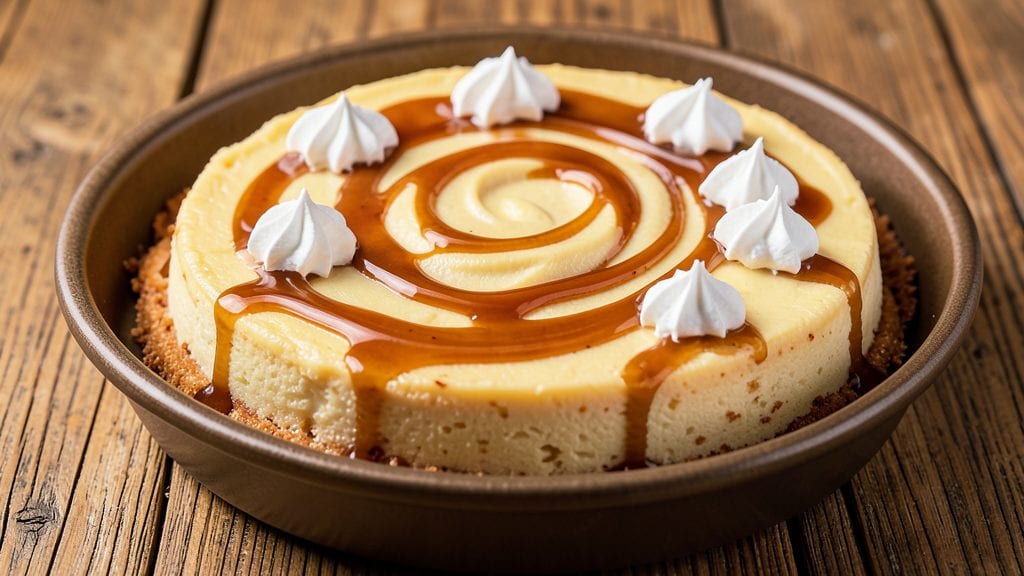
This classic cheesecake recipe delivers the creamy, velvety texture and buttery crust that make it a timeless dessert favorite. The secret lies in precise mixing and baking techniques that prevent cracking while ensuring a perfectly set center—something I’ve perfected after years of trial and error.
Every slice offers that signature balance of rich, tangy filling and crispy base that keeps guests asking for seconds.
The foundation starts with a buttery, crumbly crust that provides the ideal contrast to the smooth cheesecake layer. Using full-fat cream cheese and eggs at room temperature creates a lighter, more stable batter, while a water bath during baking guarantees even cooking.
This method eliminates guesswork, delivering foolproof results every time without requiring advanced skills.
What you’ll achieve is a cheesecake with a golden, crack-free top and a creamy interior that’s just firm enough to slice cleanly. The crust remains crisp at the edges while staying tender underneath, creating the perfect texture combination.
Once chilled, it’s ready to be served with fresh berries or a drizzle of caramel for an elegant finish.
Whether you’re baking for a special occasion or simply craving a comforting treat, this recipe adapts easily to modern preferences—like adding vanilla or citrus zest to the filling. The key is patience: letting the cheesecake set properly ensures that first bite is as satisfying as it should be.
Ingredients for classic cheese cake
Twelve simple ingredients transform into the creamiest, crack-free cheesecake with a buttery crust you'll ever bake.
| Ingredient | Amount | Notes |
|---|---|---|
| Full-Fat Cream Cheese 🧀 | 32 oz | Room temperature for smooth mixing |
| Granulated Sugar 🍚 | 2 cups | White or light brown preferred |
| Large Eggs 🥚 | 4 whole | Room temperature, separated |
| Sour Cream 🥛 | 1 cup | Full-fat for creaminess |
| Vanilla Extract 🌿 | 2 tsp | Pure extract preferred |
| Unsalted Butter 🧈 | 1 ½ cups | Cold, cubed for crust |
| All-Purpose Flour 🌾 | 1 cup | For crust texture |
| Granulated Sugar 🍚 | ½ cup | For crust sweetness |
| Salt 🧂 | ½ tsp | Fine sea salt preferred |
| Almond Flour 🌰 | ½ cup | Optional for nutty flavor |
| Heavy Cream 🥛 | ½ cup | For water bath |
| Lemon Juice 🍋 | 1 tbsp | Brightens filling |
| Ground Cinnamon 🌿 | ¼ tsp | Optional for warmth |
The cream cheese is non-negotiable here—full-fat is essential for that signature velvety texture. Philadelphia brand is my go-to, but any high-quality brand works. Room temperature is critical: cold cream cheese creates lumps that never disappear. For the crust, European-style butter like Plugra gives the most flavor, but any unsalted butter works. The almond flour adds depth but isn't mandatory—skip it if you prefer a simpler crust. Costco or specialty grocery stores often carry the best quality butter and cream cheese in bulk.
No sour cream? Greek yogurt at half the quantity works in a pinch, though it'll be slightly tangier. Running short on vanilla? Vanilla bean paste adds flecks of real vanilla. For the crust, oat flour can replace half the all-purpose flour if you're gluten-conscious. The lemon juice might seem small, but it brightens the whole filling—don't skip it. If you're making this ahead, prep the crust and filling separately and assemble just before baking to prevent sogginess. The cinnamon is optional but worth adding for that classic spice note.
This cheesecake needs patience—at least 4 hours in the fridge before slicing. The crust keeps well for 5 days at room temperature, while the filling lasts 3 days in the fridge. For longer storage, freeze the whole cake (without the crust) for up to 3 months. To serve, let it sit at room temperature for 15-20 minutes before slicing—it'll be easier to cut and more enjoyable to eat. The filling thickens as it chills, so don't worry if it looks too soft right after baking.
Why You'll Love This Recipe
- No Mixing Madness: I swear by this recipe because it’s actually foolproof—no blender required. Just beat the cream cheese and sugar until smooth (yes, it’s lumpy at first, but that’s the magic), then fold in eggs one at a time. The sour cream keeps it creamy without curdling, and the vanilla? That’s the secret weapon that makes it taste like nostalgia.
- Rich Without Effort: Between us, full-fat cream cheese and sour cream make this dessert dangerously good—no fancy techniques, just pure decadence. The sugar caramelizes just enough to give it that subtle sweetness, while the eggs bind it all together like a dream. Honestly, I’ve tried "lighter" versions, but this one? It’s the kind of cheesecake that makes you close your eyes and sigh.
- Party or Pajamas: This recipe works for everything—birthday cakes, holiday desserts, or just because you’re craving something sweet at midnight. The crust? Skip it if you’re lazy (no judgment), or whip up a graham cracker one in five minutes. It’s also the perfect make-ahead dessert: slice it, wrap it, and it stays creamy for days. (Yes, even on a Tuesday night.)
- Leftovers? More Like Leftovers Love: I make this once and eat it for a week. The texture stays silky, the flavor deepens (seriously, it gets better overnight), and it’s budget-friendly—cream cheese and eggs stretch further than you’d think. Plus, it’s the kind of dessert that’s always a hit, whether you’re feeding picky eaters or impressing guests. My secret weapon for stress-free hosting.
Step-by-step instructions for classic cheesecake recipe
Here's the method for a perfectly baked cheesecake with a buttery crust and silky filling.
Prepare the Buttery Crust
Preheat your oven to 325°F and place a baking sheet on the middle rack to create a water bath. In a food processor, combine the 1.5 cups unsalted butter, 1 cup all-purpose flour, 0.5 cup granulated sugar, 0.5 tsp salt, and 0.5 cup almond flour. Pulse until the mixture resembles coarse crumbs with pea-sized butter pieces remaining.
Press this mixture firmly and evenly into a 9-inch springform pan, creating an even layer on the bottom and up the sides. Chill in the refrigerator for 15 minutes while you prepare the filling. This chilling step ensures the crust holds its shape during baking and prevents cracking. Use the flat bottom of a glass to press down firmly and eliminate any air gaps.
Mix the Cheesecake Filling
Let the 32 oz full-fat cream cheese and 4 whole large eggs come to room temperature before beginning. In a large mixing bowl, beat the cream cheese and 2 cups granulated sugar on medium speed until completely smooth and creamy, about 3-4 minutes. Scrape down the sides of the bowl as needed to ensure even mixing.
Add the 1 cup sour cream, 2 tsp vanilla extract, 1 tbsp lemon juice, and 0.25 tsp ground cinnamon to the cream cheese mixture. Mix on low speed until just combined, being careful not to overmix. The batter should be smooth and homogeneous. This is where the magic happens - the acidity from the lemon juice brightens the flavor while the cinnamon adds subtle warmth.
Incorporate Eggs and Heavy Cream
Add the 4 whole large eggs, one at a time, mixing just until each is fully incorporated after each addition. This gradual addition prevents overmixing, which can lead to a dense cheesecake. After adding all the eggs, gently fold in the 0.5 cup heavy cream using a spatula until just combined. The mixture should be thick but pourable.
Pour the filling over the chilled crust, spreading it evenly with a spatula. Tap the pan gently on the counter a few times to remove any air bubbles that may have formed. This step is crucial for achieving a smooth top without cracks. The filling should come about ¼ inch below the top edge of the springform pan, allowing room for expansion during baking.
Bake in a Water Bath
Place the springform pan on the preheated baking sheet and carefully pour hot water into the baking sheet until it reaches about halfway up the sides of the pan. This water bath creates gentle, even heat that prevents cracking. Bake for 50-55 minutes until the edges are set but the center still has a slight wobble when gently shaken.
To check doneness, insert a toothpick into the center - it should come out with a few moist crumbs but no liquid. The cheesecake is ready when it's just set but still slightly underdone in the center. This ensures a creamy texture rather than a dry one. Turn off the oven, crack the door open slightly, and let the cheesecake cool in the oven for 30 minutes to prevent sudden temperature changes that could cause cracking.
Cool and Set Properly
Remove the cheesecake from the oven and water bath, then let it cool at room temperature for 1 hour. After this initial cooling period, refrigerate the cheesecake for at least 6 hours, preferably overnight. This slow cooling process allows the cheesecake to set properly and develop its signature smooth, creamy texture.
Before serving, run a thin knife around the edge of the pan to loosen any potential sticking. Release the springform pan and transfer the cheesecake to a serving plate. The result should be a perfectly baked cheesecake with a golden crust and silky filling that holds its shape beautifully. Serve chilled and enjoy the classic, creamy texture you've worked so hard to achieve.
Pro Tips For Making Classic Cheese Cake
- SOFTEN CREAM CHEESE FIRST: Take the full-fat cream cheese out of the fridge 30 minutes before mixing—room temperature makes it blend smoother and avoids lumps. I learned this the hard way after scraping out gummy globs from my mixer after forcing cold blocks through.
- WHISK EGGS VIGOROUSLY: Beat the eggs and sugar together until the mixture is pale yellow and ribbons form when the whisk is lifted. This ensures a lighter texture, not that dense, cakey result you get when you rush it.
- DON’T OVERMIX THE BATTER: Fold in the sour cream and vanilla gently after mixing the cream cheese and eggs—just until combined. Overmixing introduces too much air, and you end up with cracks or a grainy texture.
- BAKE UNTIL JUST SET: Pull the cake out when the edges are firm but the center still jiggles slightly—it’ll finish setting as it cools. I used to bake it all the way through, and it always came out dry and rubbery.
Flavor customization for this classic cheese cake
Citrus Zest Twist
Brighten your cheesecake with 1 tbsp orange or lime zest added to the filling. The citrus oils infuse the cream cheese mixture with a refreshing tang that cuts through the richness. I recommend using freshly grated zest (not dried) for maximum flavor.
For a stronger effect, add ½ tsp citrus extract alongside the vanilla. This variation works especially well with berry toppings like raspberries or blueberries. 🍋
Spiced Vanilla Bean
Elevate your cheesecake by swapping regular vanilla for vanilla bean paste (about 1 tbsp) and adding ½ tsp cardamom or nutmeg to the filling. The vanilla bean's flecks add visual appeal, while the warm spices create a sophisticated flavor profile.
I often use Madagascar vanilla beans for their deep, floral notes. This pairing is perfect for holiday gatherings or when you want to impress guests with a gourmet touch. ✨
Coffee Infusion
For coffee lovers, replace ½ cup of the heavy cream with ½ cup strong brewed coffee or espresso (cooled). Add 1 tbsp instant espresso powder to the filling for an even stronger coffee flavor. This variation creates a decadent dessert that pairs beautifully with chocolate ganache or whipped cream.
I recommend using high-quality dark roast coffee for the best results. This version is a crowd-pleaser at coffee-themed parties. ☕
Salted Caramel Swirl
Create a stunning visual effect by swirling ½ cup salted caramel sauce into the filling before baking. Use a spoon to gently drag lines through the batter. Top with additional caramel sauce and flaky sea salt after baking.
I use Trader Joe's salted caramel sauce for its perfect balance of sweetness and saltiness. This variation adds a luxurious touch that feels restaurant-quality. 🍯
Nutty Crust Variations
Swap out the almond flour for ½ cup crushed graham crackers or ½ cup pecans in the crust. Graham crackers add a malted sweetness, while pecans contribute a buttery, toasty flavor.
For a gluten-free option, use 100% oat flour in the crust. These variations create exciting texture contrasts while keeping the classic cheesecake experience. 🌰
Seasonal Fruit Compotes
Top your cheesecake with homemade fruit compotes for seasonal appeal. For summer, use peach or mango compote; for fall, try apple-cinnamon. Simmer 2 cups chopped fruit with ¼ cup sugar, 1 tbsp lemon juice, and 1 tsp cornstarch*, until thickened.
Let cool before serving. This adds fresh, vibrant flavors that complement the rich cheesecake perfectly. 🍓
Nutrition facts
Frequently asked questions
Why does my cheesecake crack on top?
Cracking usually happens from sudden temperature changes or overbaking. To prevent it, bake at 325°F with a water bath, avoid opening the oven door, and let it cool gradually in the oven after baking. Also, make sure your eggs and cream cheese are at room temperature before mixing.
Can I make this cheesecake without a springform pan?
Yes, but you'll need a standard round cake pan. Grease it thoroughly and line the bottom with parchment paper. After baking, let the cheesecake cool completely before removing it from the pan. A water bath still helps prevent cracking. For easier release, use a thin knife to loosen the edges before removing.
How do I store leftover cheesecake?
Keep it in an airtight container in the fridge for up to 5 days. For longer storage, wrap individual slices in plastic wrap and freeze for up to 3 months. Thaw overnight in the fridge before serving. The crust stays fresh longer than the filling, so cover it separately if possible.
Can I substitute sour cream with something else?
Yes, you can use Greek yogurt (half the amount) or crème fraîche for a similar tangy texture. Avoid buttermilk as it's too thin. If using yogurt, strain it first to remove excess liquid. The sour cream adds moisture and richness, so substitutions may slightly alter the texture.
What's the best way to serve this cheesecake?
Serve it chilled with fresh berries, caramel sauce, or a dusting of powdered sugar. For a fancy touch, add a sprinkle of crushed pistachios or a drizzle of chocolate ganache. Let it sit at room temperature for 15-20 minutes before slicing for the cleanest cuts.