
Sauces & Condiments
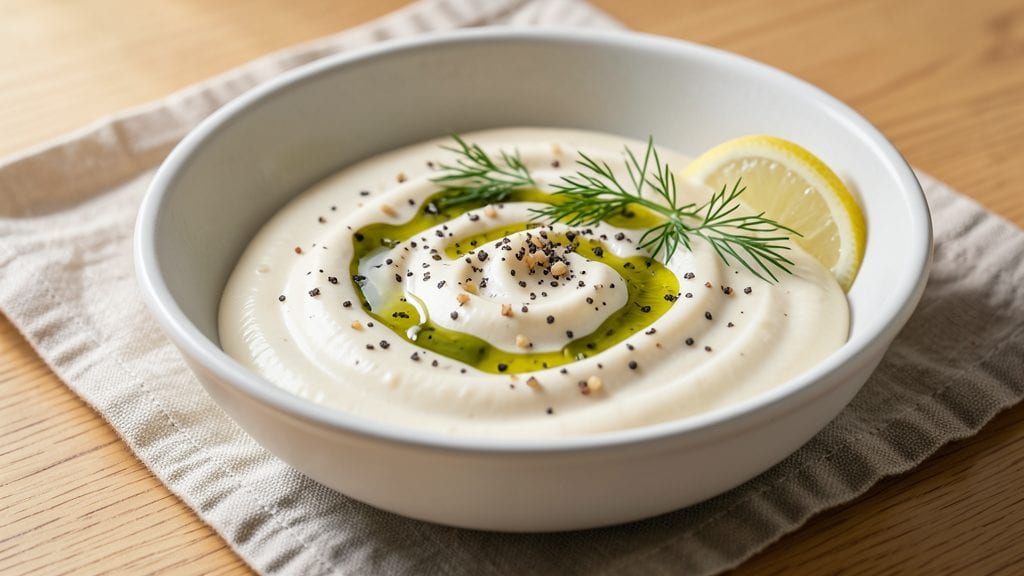
This cottage cheese dressing recipe transforms a humble pantry staple into a creamy, tangy dressing that elevates salads, dips, and roasted vegetables to new heights. Unlike traditional mayo-based dressings, cottage cheese creates a lighter yet rich texture with natural protein and subtle sweetness that balances bold flavors.
The secret lies in blending it with acid—whether lemon juice or vinegar—to prevent curdling while maintaining that signature tang.
The beauty of this dressing is its versatility—it works as a creamy base for garden salads, a dip for warm pita chips, or even a drizzle over roasted Brussels sprouts.
Unlike store-bought versions, this recipe delivers a smooth, velvety consistency without artificial thickeners, thanks to a simple blend of cottage cheese, Greek yogurt, and a touch of olive oil. It’s also far more nutritious, packing in protein and probiotics while keeping calories in check.
What sets this dressing apart is its foolproof stability—no lumps, no separation, and a flavor profile that’s both familiar and unexpected. The cottage cheese adds a subtle creaminess that pairs perfectly with herbs like dill or chives, while the acidity from lemon or vinegar keeps it bright and refreshing.
Best of all, it stays fresh in the fridge for up to five days, making it an ideal make-ahead solution for meal prep.
For those watching their fat intake, this dressing is a game-changer—it delivers the same satisfying creaminess as traditional versions but with half the calories. Whether you’re dressing a hearty grain bowl or dipping crispy veggies, this recipe proves cottage cheese isn’t just for breakfast anymore. Let’s get blending!
Ingredients for cottage cheese dressing
Nine simple ingredients blend into a velvety dressing that rivals mayo-based versions.
| Ingredient | Amount | Notes |
|---|---|---|
| Small-Curd Cottage Cheese 🧀 | 1 cup | Full-fat for creaminess |
| Plain Greek Yogurt 🥛 | ½ cup | Non-fat for lighter texture |
| Extra-Virgin Olive Oil 🫒 | ¼ cup | Light variety preferred |
| Fresh Lemon Juice 🍋 | 2 tbsp | Freshly squeezed for brightness |
| Apple Cider Vinegar 💧 | 1 tbsp | For tangy depth |
| Garlic Cloves 🧄 | 2 cloves | Minced for subtle flavor |
| Fresh Dill 🌿 | ⅛ cup | Chopped, stems removed |
| Chives 🌱 | 2 tbsp | Finely chopped for garnish |
| Diamond Crystal Kosher Salt 🧂 | ½ tsp | Adjust to taste |
| Black Pepper 🌶️ | ¼ tsp | Freshly ground for warmth |
The cottage cheese is the star—full-fat delivers the richest texture, but non-fat works too if you prefer lighter. Trader Joe's and Whole Foods carry small-curd varieties that blend smoother. For the Greek yogurt, Fage 5% or Chobani are reliable choices. The acid balance is critical: lemon juice brightens while vinegar adds depth. I always use apple cider vinegar for a subtle sweetness that pairs beautifully with the herbs. Fresh dill and chives should be vibrant green—no yellowing stems, please. If you're short on time, dried dill works at half the amount, but fresh is worth the extra minute.
No fresh dill? Tarragon or parsley work in a pinch, though the flavor will differ slightly. Short on lemon juice? White wine vinegar or lime juice both work, but adjust the salt accordingly. The olive oil should be light and fruity—California avocado oil is a great neutral alternative. For a spicier kick, add a pinch of red pepper flakes or a dash of hot sauce. The garlic can be roasted for a milder flavor if preferred. If you're watching calories, reduce the olive oil to 2 tablespoons and add an extra tablespoon of Greek yogurt for creaminess.
This dressing keeps beautifully in an airtight container for up to 5 days in the fridge. For best texture, give it a quick whisk before using. It freezes well for 3 months—just thaw in the fridge overnight. I like to portion it into small jars so I can grab exactly what I need. The flavor actually improves after a day or two as everything melds together. If it separates, just give it a good stir or whisk with a splash of water or milk to restore the smooth consistency.
Why You'll Love This Recipe
- No Blender Needed: I swear by this recipe because it only takes a fork and a bowl—no fancy gadgets, no stress. The small-curd cottage cheese breaks down smoothly with just a few pulses of pressure, and the Greek yogurt thickens it right up without turning it into a science experiment.
- Tangy Creamy Magic: That bright lemon juice and sharp vinegar cut through the richness of the olive oil, creating this addictive balance—like a fancy ranch but with a sophisticated kick. Honestly, it’s the kind of dressing I’ll drizzle on everything just because it’s that good.
- Meal Prep MVP: Make a big batch on Sunday, and you’ve got dressing for salads, wraps, or even as a dip for veggies all week. The cottage cheese keeps it light, so it won’t weigh you down in leftovers—just store it in the fridge and grab it whenever.
- Budget-Friendly Luxury: You’re basically making gourmet dressing for pennies—small-curd cottage cheese and Greek yogurt stretch further than you’d think, and the olive oil and vinegar add depth without breaking the bank. Between us, this is how I trick people into thinking I cook fancy.
Step-by-step instructions for cottage cheese dressing
This method delivers a velvety, tangy dressing that's perfect for salads or dips.
Blend the Base Ingredients
In a food processor or high-speed blender, combine the 1 cup small-curd cottage cheese and 0.5 cup plain Greek yogurt. Process until completely smooth, about 30 seconds. The cottage cheese should break down into a creamy, lump-free base - this is crucial for achieving that silky texture promised in the title.
While blending, add the 0.25 cup extra-virgin olive oil in a slow stream. This gradual incorporation prevents the mixture from becoming too thick too quickly. The oil will emulsify with the dairy, creating the foundation for your creamy dressing. Stop blending once everything is fully incorporated and the mixture looks uniform.
Add Acidic Components
Transfer the mixture to a medium bowl and stir in the 2 tablespoons fresh lemon juice and 1 tablespoon apple cider vinegar. These acidic components are what create that signature tangy twist. Stir well to distribute them evenly throughout the dressing - you should notice the mixture become slightly more liquid as the acids break down the proteins.
At this stage, taste the mixture. It should be pleasantly tangy but still mild. If you find it too acidic, you can add a tiny pinch more of the 0.5 teaspoon diamond crystal kosher salt or a few drops more of the extra-virgin olive oil to balance the flavors. Remember, the dressing will continue to develop as you add the remaining ingredients.
Incorporate Aromatics and Herbs
Add the 2 cloves minced garlic to the bowl and stir thoroughly. The garlic should disperse evenly but remain visible as small flecks throughout the dressing. Next, fold in the 0.125 cup chopped fresh dill and 2 tablespoons finely chopped chives using a silicone spatula. This gentle folding prevents the herbs from breaking down completely, preserving their texture and vibrant color.
Season generously with the remaining 0.5 teaspoon diamond crystal kosher salt and 0.25 teaspoon black pepper. The salt should enhance all the flavors while the pepper adds a subtle warmth. Give everything one final stir, then let the dressing sit at room temperature for 5 minutes before tasting. This brief resting period allows all the flavors to meld together.
Adjust Consistency and Serve
Taste the dressing and make any final adjustments. For a thicker consistency suitable for dips, you can chill the dressing in the refrigerator for 30 minutes before serving. For a thinner consistency perfect for salads, add 1-2 tablespoons of water or extra-virgin olive oil as needed. The dressing should coat the back of a spoon smoothly without being too heavy.
Garnish with an additional sprinkle of chives just before serving to add both visual appeal and a fresh herbal note. This dressing works beautifully with mixed greens, cucumber salads, or as a dip for pita chips. The combination of small-curd cottage cheese and Greek yogurt creates that promised creamy texture while the lemon and vinegar deliver the tangy twist that makes this dressing stand out.
Pro Tips For Making Cottage Cheese Dressing
- Strain the Cottage Cheese: Small-curd cottage cheese has liquid—skip straining, and your dressing turns watery. Instead, press it through a fine-mesh sieve or cheesecloth for 10 minutes to remove excess whey. This makes all the difference when blending with yogurt, giving you a thick, creamy base that won’t separate.
- Chill Before Mixing: Cold ingredients blend better and stay stable longer. Take your cottage cheese and yogurt out of the fridge 10 minutes before mixing, but keep them cold. Warm cheese gets grainy when emulsified with oil and acid—trust me, you’ll taste the difference.
- Measure Vinegar First: Apple cider vinegar is potent. Add it to the cottage cheese and yogurt before the olive oil, then slowly drizzle in the oil while blending. This prevents curdling from acid shock and ensures a smooth, tangy dressing that doesn’t split.
- Lemon Juice Last: Fresh lemon juice brightens the dressing, but add it after everything else is blended. If you mix it in early, the acid can break down the yogurt’s proteins too soon, making the texture thin and unstable—especially if you’re adding it to warm ingredients.
Regional styles of this cottage cheese dressing
Mediterranean Herb Twist
Inspired by Greek and Turkish cuisine, this variation swaps dill for 1 tbsp dried oregano and 1 tbsp chopped fresh mint, plus 1 tsp za'atar seasoning for earthy depth.
Use extra-virgin olive oil from Kalamata olives (like Colavita) and add ½ tsp ground cumin for warmth. Perfect for drizzling over grilled lamb chops or hummus bowls. 🌿
Southwest Chipotle
Transform this dressing into a smoky, spicy dip by blending in 1 tsp adobo sauce from canned chipotle peppers and ½ tsp smoked paprika. Add ¼ cup finely diced jalapeño for heat and a splash of lime juice instead of lemon.
This works amazingly as a dip for tortilla chips or drizzled over black bean tacos. 🌶️
Italian Basil Pesto
For a basil-forward variation, replace the dill and chives with ½ cup fresh basil leaves and 1 tbsp pine nuts (toasted until golden). Add 1 tbsp grated Parmesan cheese and a pinch of red pepper flakes.
This version pairs beautifully with Caprese salads or as a drizzle for bruschetta. Use Bertolli basil pesto as inspiration for flavor balance. 🍅
Middle Eastern Tahini Swirl
Blend in 1 tbsp tahini and 1 tsp ground coriander for a nutty, creamy dressing that works as a dip for falafel or drizzled over tabbouleh. The tahini adds richness while keeping the dressing light enough for salads.
I like to add ½ tsp ground allspice for warmth, inspired by Levantine flavors. Store in an airtight container with a thin layer of olive oil on top to preserve freshness. 🥙
Spicy Sriracha Lime
For a bold Asian-inspired twist, stir in 1 tbsp Sriracha and 1 tsp grated fresh ginger. Add 1 tbsp rice vinegar instead of apple cider vinegar and finish with 1 tsp sesame seeds.
This version is perfect for dipping spring rolls or drizzling over cold noodle salads. The Sriracha adds heat while the lime keeps it bright and refreshing. 🌶️
Classic Ranch-Inspired
Swap the dill for 1 tbsp fresh parsley and add ½ tsp dried dill along with ½ tsp onion powder for a ranch-style dressing. Use buttermilk instead of lemon juice for tanginess.
This version works perfectly as a dip for veggie sticks or tossed with potato salad. The cottage cheese keeps it creamy without the heaviness of traditional ranch. 🧀
Nutrition facts
Frequently asked questions
Why does cottage cheese work so well in dressings?
Cottage cheese adds natural creaminess without the heaviness of mayo while providing protein and subtle sweetness. Its mild tang pairs perfectly with acids like lemon or vinegar, creating a balanced flavor. The small curds blend smoothly when processed, giving dressings a velvety texture that's both light and satisfying.
Can I make this dressing without Greek yogurt?
Yes! Replace the Greek yogurt with an extra 0.25 cup cottage cheese or 2 tablespoons sour cream for creaminess. For tanginess, add an extra 1 tablespoon lemon juice. The texture will be slightly thicker but still work beautifully for dips or thick salads. The key is maintaining the acid balance to prevent curdling.
How do I fix a dressing that's too thick or separated?
For thickness, whisk in 1-2 tablespoons water or milk until smooth. If separated, blend again with a splash of cold water or milk to re-emulsify. For prevention, always add acidic ingredients (lemon/vinegar) gradually while blending. Chill for 30 minutes before serving to thicken naturally. The cottage cheese base is forgiving but responds best to gentle adjustments.
What are the best ways to use this dressing beyond salads?
Try it as a dip for warm pita chips, roasted veggies, or falafel. Drizzle over grain bowls, grilled meats, or even avocado toast. It's also fantastic in stuffed peppers, baked potatoes, or as a creamy base for cold soups. The versatility comes from its balanced tang and creaminess that works with both savory and slightly sweet dishes.
Can I make this dressing ahead of time?
Store in an airtight container in the fridge for up to 5 days. The flavors actually improve as they meld together. For longer storage, freeze for 3 months—thaw overnight in the fridge. Give it a quick whisk before using to restore smoothness. The acidity helps preserve freshness longer than traditional mayo-based dressings.