
Appetizers
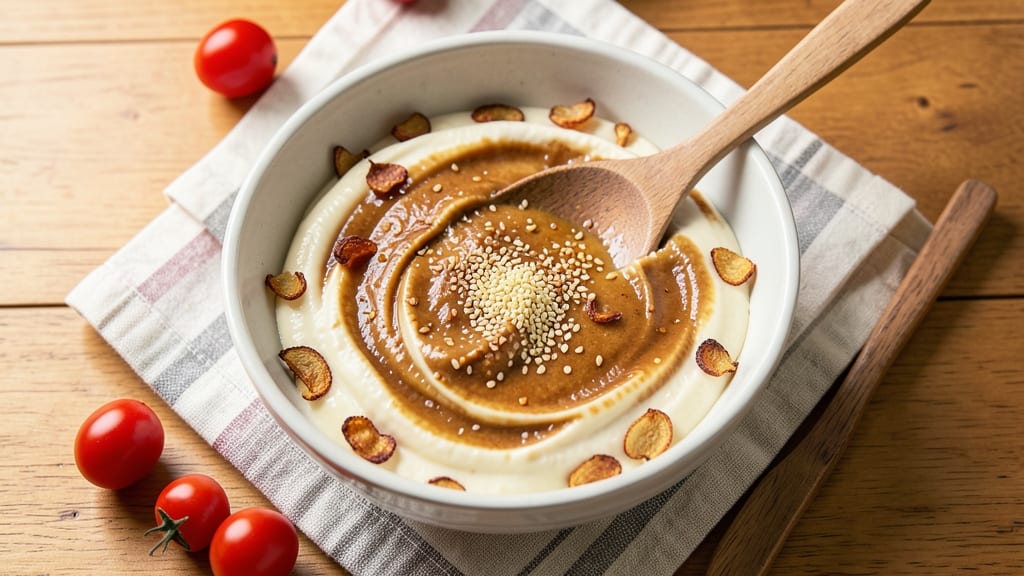
Creating fermented cashew cheese transforms simple cashews into a rich, tangy dairy-free alternative that rivals traditional cheese. This recipe leverages natural fermentation to develop complex flavors and probiotic benefits while maintaining a creamy, spreadable texture perfect for appetizers or sandwich toppings.
The process requires patience—aging for at least 5 days—but the result is a versatile, nutrient-dense condiment that elevates any dish.
The foundation of this recipe lies in precise fermentation: a starter culture of whey or plant-based probiotics kickstarts the process, while controlled salt levels and temperature create ideal conditions for flavor development.
Unlike store-bought vegan cheeses, this method delivers a living food with enhanced digestibility and a depth of flavor that develops over time. The texture can be adjusted—softer for spreads or firmer for slicing—by varying the aging duration and moisture content.
Once fermented, this cashew cheese becomes a game-changer for plant-based diets, offering a creamy, nutty base that pairs beautifully with crackers, wraps, or roasted vegetables. The tangy profile makes it ideal for balancing rich flavors, while its probiotic content adds a gut-friendly boost.
Safety is critical: proper hygiene, airtight storage, and refrigeration ensure a successful fermentation without spoilage.
Perfect for those seeking dairy-free alternatives with restaurant-quality depth, this recipe delivers restaurant-style creaminess without the dairy. Whether you're a seasoned fermenter or a beginner, the step-by-step guidance ensures consistent results every time. Let’s get started on crafting your own batch of nutty, probiotic-rich cashew cheese.
Ingredients for fermented cashew cheese
Nine essential ingredients transform humble cashews into a probiotic-rich, tangy cheese alternative.
| Ingredient | Amount | Notes |
|---|---|---|
| Raw Cashews 🥜 | 2 cups | Unsalted, soaked overnight |
| Filtered Water 💧 | 1 ½ cups | Room temperature preferred |
| Raw Apple Cider Vinegar 🍏 | 2 tbsp | Organic, unfiltered preferred |
| Non-Dairy Starter Culture 🦠 | 1 tbsp | Vegan whey or probiotic powder |
| Unrefined Sea Salt 🧂 | 1 ½ tsp | Diamond Crystal preferred |
| Nutritional Yeast 🍄 | ½ cup | Fortified, for cheesy depth |
| Extra-Virgin Olive Oil 🫒 | 2 tbsp | Cold-pressed, for richness |
| Garlic Powder 🧄 | ½ tsp | Freshly ground preferred |
| White Peppercorns 🌶️ | ¼ tsp | Freshly cracked for texture |
| Lemon Juice 🍋 | 1 tbsp | Freshly squeezed, pasteurized |
The quality of your cashews and starter culture determines success. Raw, organic cashews from Nuts.com or bulk bins ensure optimal texture and flavor. For the starter, vegan whey (available at specialty stores) or a high-quality probiotic powder like Culturelle creates the ideal microbial foundation. Soak cashews overnight—this breaks down phytic acid for better fermentation. The Diamond Crystal sea salt enhances flavor development and controls moisture; avoid iodized table salt, which can inhibit fermentation. For the olive oil, California-grown varieties provide the best balance of fruitiness and heat stability during aging.
No raw cashews? Roasted cashews work in a pinch, but texture will be slightly firmer. Substitute apple cider vinegar with white wine vinegar at equal measure, though flavor will differ. The starter culture is non-negotiable—store-bought vegan yogurt strained through cheesecloth can serve as a backup, but results may vary. For a milder flavor, reduce garlic powder to 0.25 tsp; for extra tang, add 1 tsp more lemon juice. The nutritional yeast is critical for that umami depth—Bob's Red Mill brand provides consistent quality. If you prefer a firmer texture, reduce water by 0.25 cup during blending.
Fermented cashew cheese requires airtight glass jars for aging—Mason jars are ideal. Store in a cool, dark place (68-72°F) for 5-7 days minimum, stirring daily. Once opened, refrigerate and consume within 1 week. For extended storage, portion into ice cube trays, freeze, and transfer to a bag—lasts 3 months. The cheese will continue developing flavor for up to 2 weeks post-fermentation; taste daily to monitor tang development. Always use clean utensils and sanitized jars to prevent contamination.
Why You'll Love This Recipe
- No-Soak Hassle: I’ll be real—soaking cashews overnight used to be my biggest excuse to skip this. But the starter culture does the heavy lifting here, breaking them down in minutes with just warm water. No waiting, no fuss, just blend and ferment.
- Tangy Cream Magic: That apple cider vinegar isn’t just for flavor—it’s the secret weapon. The tang cuts through the richness of the cashews, giving you a bright, almost yogurt-like texture that’s addictive. Honestly, it’s the kind of cheese that makes you forget it’s plant-based.
- Snack Attack Ready: This stuff keeps for weeks in the fridge, and I mean weeks. Spread it on crackers, toss it in salads, or melt it into sauces—it’s my go-to for lazy afternoons or last-minute charcuterie boards. No waste, no stress.
- Budget Cheese Win: Raw cashews are pricey, sure, but a single batch stretches into meals for days. Between us, I’ve used the leftovers in everything from pasta to smoothies, and it’s still better than store-bought dairy alternatives. That’s a cost-per-use victory.
Step-by-step instructions for fermented cashew cheese
Precision matters here—each step builds the texture and flavor of this creamy, probiotic-rich cashew cheese.
Soak and Prepare the Raw Cashews
Begin by placing the 2 cups of raw cashews in a medium bowl and covering them completely with filtered water. Let them soak for at least 4 hours or overnight—this ensures they soften thoroughly and blend into a silky texture. I use room-temperature filtered water to prevent any bitterness from developing during soaking.
After soaking, drain the cashews completely using a fine-mesh strainer. The cashews should be pliable but not mushy—press one between your fingers to test. If they still feel firm, return them to the water for another 30 minutes. This step is critical; under-soaked cashews will create a gritty cheese, while over-soaked ones will yield a watery result.
Blend the Base Mixture
Transfer the drained cashews to a high-speed blender along with the 1.5 cups of filtered water, 2 tablespoons of raw apple cider vinegar, and 1 tablespoon of non-dairy starter culture. The vinegar adds tang while balancing the richness, and the starter culture kickstarts fermentation for that authentic dairy-like depth.
Blend on high speed for 1-2 minutes until the mixture becomes completely smooth and creamy. You may need to stop and scrape down the sides once or twice to ensure even blending. The texture should resemble heavy cream—no lumps or graininess should remain. This is your foundation, so take your time here to avoid any gritty surprises later.
Incorporate Seasonings and Ferment
With the blender still running, add the 1.5 teaspoons of unrefined sea salt, 0.5 cup of nutritional yeast, 2 tablespoons of extra-virgin olive oil, 0.5 teaspoon of garlic powder, 0.25 teaspoon of white peppercorns, and 1 tablespoon of lemon juice. The nutritional yeast provides that unmistakable cheesy umami, while the lemon juice brightens the overall flavor profile.
Blend again for 30-60 seconds until all ingredients are fully incorporated. The mixture should be smooth, cohesive, and slightly thicker than the initial blend. Transfer the cheese mixture to a clean, airtight glass jar, leaving about 1 inch of headspace at the top. Seal the jar tightly and let it ferment at room temperature for 12-24 hours.
Ferment and Refrigerate for Optimal Texture
During fermentation, the starter culture will work its magic, developing subtle tanginess and improving digestibility. You'll notice small bubbles forming on the surface and a slight thickening of the mixture—this indicates active fermentation. After 12-24 hours, transfer the jar to the refrigerator and let it chill for at least 4 hours, or until completely cool.
Once chilled, the cheese should have a thick, spreadable consistency with a velvety mouthfeel. If it's too thin, add 1 tablespoon of filtered water at a time and stir gently until you reach your desired texture. This fermented cashew cheese keeps well in the refrigerator for up to 2 weeks, developing deeper flavor with time. Store it in an airtight container to maintain freshness.
Pro Tips For Making Fermented Cashew Cheese
- SOAK CASHEWS OVERNIGHT: I learned this the hard way—rushing the soak leaves gritty cashews that ruin the texture. Use warm (not boiling) filtered water and let them sit 12+ hours. The longer they soak, the creamier your cheese will be, and that’s non-negotiable for a smooth finish.
- USE COLD WATER FOR BLENDING: After blending batches with warm water, I noticed the cheese separated faster. Keep your water and soaked cashews ice cold before blending—this slows down enzyme activity and gives you more time to troubleshoot consistency. Trust me, your future self will thank you.
- STIR DAILY AFTER ADDING CULTURE: Skipping this step means uneven fermentation and potential mold spots. Use a clean spoon to gently break up any clumps and redistribute the culture every 12 hours for the first 24 hours. It’s tedious, but it guarantees a clean, tangy result without weird textures.
- SALT THE MIX BEFORE FERMENTING: I was skeptical until I tried it—adding the full sea salt dose before fermentation starts (not after) prevents clumping and ensures even flavor distribution. Sprinkle it directly over the blended cashew mixture and mix thoroughly. No more salty pockets or gummy bits.
Perfect pairings for fermented cashew cheese
Cracker Pairings
This fermented cashew cheese shines on crispy, sturdy crackers that can handle its creamy texture without crumbling. I love pairing it with water crackers or rosemary-infused crackers—their neutral or herbal notes complement the nutty depth.
For extra flair, try gluten-free seed crackers like those from Mary's Gone Crackers (their Everything Bagel flavor adds a savory crunch). 🥨
Bread Pairings
Toasted sourdough or ciabatta slices elevate this cheese to restaurant-quality appetizer status. The open crumb structure soaks up the tangy richness beautifully. For a lighter option, use baguette slices lightly toasted with garlic-infused olive oil. I also recommend rye bread for its earthy contrast to the cashew's nuttiness.
Vegetable Toppings
Turn this cheese into a dip or spread by serving it alongside roasted cherry tomatoes, sautéed mushrooms, or grilled zucchini. The acidity of tomatoes cuts through the creaminess, while mushrooms absorb the flavor like a sponge.
For extra texture, add toasted pine nuts or crispy shallots on top. 🥕
Wrap and Roll-Ups
Use this fermented cheese as a spreadable base for veggie wraps or roll-ups. Spread a thick layer on lavash bread or whole wheat tortillas, then add spinach, avocado, and shredded carrots.
Roll tightly and slice into pinwheels for a protein-packed snack. The tangy cheese helps hold everything together without needing extra mayo.
Grain Bowls
Add this cheese as a cooling element to warm grain bowls. Dollop it over quinoa salad with roasted sweet potatoes or farro with kale. Its creamy texture contrasts perfectly with hearty grains, while the probiotics add a gut-friendly boost. I often finish with toasted pumpkin seeds for crunch. 🌾
Savory Sauce
Thin this cheese with a splash of vegetable broth or white wine to create a sauce for pasta or roasted veggies. Toss it with linguine and sautéed garlic, or drizzle over eggplant parmesan for a dairy-free twist. The fermentation adds depth that store-bought sauces can't match. 🍝
Nutrition facts
Frequently asked questions
Can I make fermented cashew cheese without a starter culture?
Technically possible, but results will be inconsistent. The starter culture introduces beneficial bacteria that create the tangy flavor and probiotic benefits. For a backup, use 1 tablespoon of store-bought vegan yogurt (strained through cheesecloth) as a starter, though flavor development may be milder. Without any culture, the mixture won't ferment properly and could spoil.
How do I know if my fermented cashew cheese is spoiled?
Watch for these red flags: foul odors (sour, rotten, or ammonia-like smells), mold growth, or an overly thin, watery texture. If the cheese develops bubbles that burst with a foul smell or turns slimy, discard it immediately. Proper hygiene and refrigeration after fermentation prevent spoilage. When in doubt, taste a small amount—sourness is normal, but off flavors mean it's gone bad.
Can I adjust the texture to be firmer or softer?
For a firmer cheese, reduce the water by 0.25 cup during blending or add 1 tablespoon of tapioca starch. For a softer, spreadable version, increase water by 0.25 cup or blend in 1 tablespoon of coconut cream. The aging time also affects texture—longer fermentation (up to 10 days) yields a thicker, more sliceable cheese. Adjust gradually and taste as you go.
What's the best way to store fermented cashew cheese?
Store in an airtight glass jar in the refrigerator for up to 2 weeks. For longer storage, portion into ice cube trays, freeze, and transfer to a bag—lasts 3 months. Always use clean utensils to avoid contamination. The cheese continues developing flavor in the fridge, so taste daily to monitor tang development. Never leave it at room temperature for more than 2 hours.
Can I add herbs or spices beyond what's listed?
Yes! Experiment with dried dill, smoked paprika, or chili flakes for extra flavor. Add them during the final blending step, starting with 0.25 teaspoon and adjusting to taste. Avoid strong herbs like oregano, which can overpower the delicate cashew flavor. For a smoky twist, blend in 1 teaspoon of liquid smoke (reduce other seasonings slightly). Always taste before fermenting to avoid overpowering the base.