
Sauces & Condiments
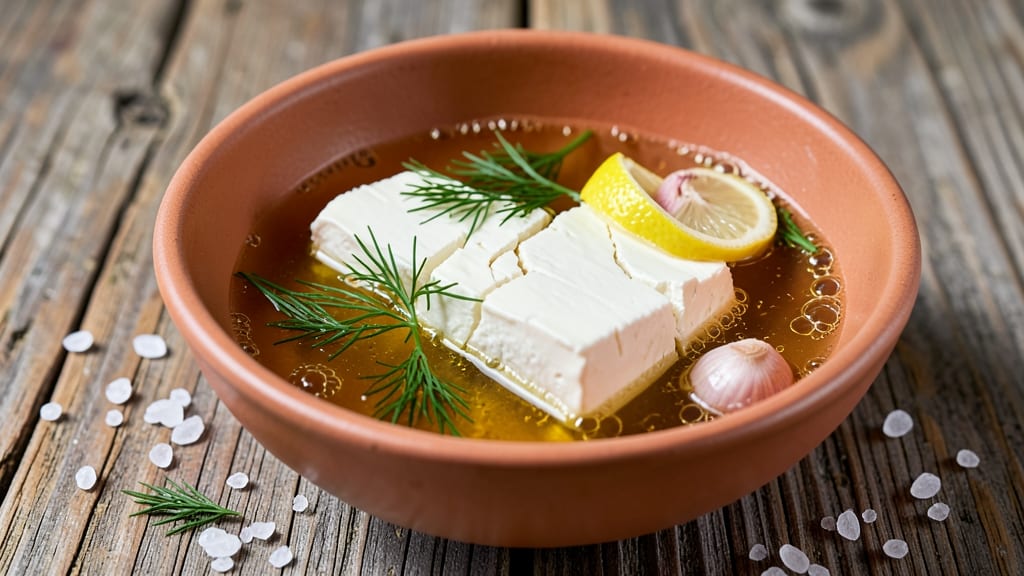
Preserving feta cheese in homemade brine transforms ordinary grocery-store feta into restaurant-quality, tangy, and melt-in-your-mouth cubes that last for months. The secret lies in balancing salt, water, and optional flavorings to create a solution that enhances—not overwhelms—the cheese's natural taste.
I developed this recipe after realizing store-bought brined feta never quite matched the depth of homemade versions, and the difference is night and day.
This brine recipe requires just four core ingredients: water, salt, and two optional flavor boosters like garlic cloves or lemon slices that infuse the liquid with subtle complexity.
The process is straightforward—simmer the brine, let it cool completely, then submerge the feta for at least 48 hours, though longer soaking yields even more pronounced flavor. Professional chefs rely on this method to elevate simple dishes, and you can too with minimal effort.
What you’ll achieve is feta that stays creamy yet firm, with a bright, tangy profile that holds up in salads, pasta dishes, or as a standalone appetizer. The brine itself becomes a versatile condiment, perfect for drizzling over grilled vegetables or using as a marinade.
Once you master this technique, you’ll never buy pre-brined feta again—the homemade version is simply superior.
Store the brined feta in its liquid in the refrigerator for up to three months, and the brine itself can be reused for subsequent batches. This recipe isn’t just about preservation; it’s about unlocking deeper flavor in one of the Mediterranean’s most beloved cheeses.
Let’s get started with the exact proportions and timing you need for perfect results every time.
Ingredients for feta cheese brine
Four core ingredients, endless flavor transformations—this brine turns basic feta into gourmet magic.
| Ingredient | Amount | Notes |
|---|---|---|
| Water 💧 | 4 cups | Filtered or distilled preferred |
| Diamond Crystal Kosher Salt 🧂 | ½ cup | Fine grain for even dissolving |
| Garlic Cloves 🧄 | 4 cloves | Smashed lightly for infusion |
| Lemon Peel 🍋 | 1 whole | Organic, unwashed for oils |
| Fresh Dill Sprigs 🌿 | 4 sprigs | Optional, for herbal depth |
| Block Feta Cheese 🧀 | 1 lb | Unbrined, crumbled into cubes |
| Extra-Virgin Olive Oil 🫒 | ¼ cup | For final drizzle (optional) |
The salt is non-negotiable—Diamond Crystal kosher dissolves cleanly without graininess. If you can't find it, Morton kosher salt works, but avoid table salt (it's too fine and can cloud the brine). For the water, filtered or distilled is ideal, but tap water works if your local supply is good. The lemon peel? Organic is best—conventional peels can have wax that affects flavor. I always grab mine from Whole Foods or a trusted farmers market, where the lemons are vibrant and fragrant. Fresh dill is optional but worth it if you love that Mediterranean brightness—just don't skip the garlic, which is the backbone of the flavor here.
No kosher salt? Table salt at half the amount works in a pinch, but you'll need to strain the brine more carefully. Short on garlic? Two cloves of shallot or 1/2 tsp garlic powder gets you close, though fresh is always better. The lemon peel can be substituted with 1 tbsp lemon juice if you're in a hurry, but the peel's oils are what give the brine that authentic depth. For the feta, block cheese is a must—pre-cubed or crumbled feta won't hold up as well in the brine. If you're using a different cheese like goat cheese, reduce the salt by 1/4 cup since it's already tangy.
This brine keeps indefinitely in the fridge—the feta stays perfect for 3 months, and the liquid itself can be reused for up to 6 months if you top it off with water after each use. Store everything in a non-reactive glass jar (no metal or plastic). The feta cubes will firm up beautifully, and the brine becomes a versatile condiment—drizzle it over grilled fish, use it as a marinade for chicken, or even mix it into dressings. I always make a double batch: one for immediate use, one to freeze for later. The frozen brine thaws perfectly and maintains all its flavor.
Why You'll Love This Recipe
- No-Fuss Infusion: I swear by this brine—just boil water, toss in salt, garlic, lemon peel, and dill, then let it steep. Zero measuring cups, zero guesswork, and honestly, the hardest part is waiting for it to cool.
- Garlic-Dill Magic: That first bite of feta soaked in this brine? It’s like a Mediterranean vacation in your mouth. The garlic softens into sweetness, the dill adds brightness, and the lemon peel keeps it from being too heavy—chef’s kiss.
- Meal Prep MVP: I keep a jar of this brine in my fridge at all times. Use it for salads, wraps, or even as a tangy dip—it’s my go-to for lazy Sundays or when I need to throw together a last-minute charcuterie board.
- Budget Stretch: A little goes a long way, and honestly? This brine costs pennies to make. No fancy ingredients, just pantry staples, so I can flavor a whole block of feta for under five bucks—and it lasts for weeks. Win-win.
Step-by-step instructions for feta cheese brine
Here's the method to create a perfectly balanced brine that preserves your feta's signature tang and texture for months.
Prepare the Brine Base
In a large, non-reactive pot, combine the 4 cups of water and 0.5 cup of Diamond Crystal kosher salt. I use a stainless steel pot for even heat distribution—it won't react with the salt or affect the flavor. Bring this mixture to a boil over medium-high heat while stirring occasionally until the salt completely dissolves. You'll know it's ready when you can't see any salt crystals at the bottom.
Once dissolved, remove the pot from heat and let the brine cool to room temperature. This cooling process is crucial—it prevents thermal shock to your cheese later. While waiting, I like to give the lemon peel a good scrub (even organic peels can have dirt) and then use a vegetable peeler to remove just the yellow zest in one long strip, leaving the bitter white pith behind. This zest will infuse delicate citrus notes without bitterness.
Infuse Aromatics
Add the 4 smashed garlic cloves, lemon zest, and 4 sprigs of fresh dill to the cooled brine. The garlic should be lightly smashed with the flat side of your knife—not minced, just cracked open to release its oils. Gently stir everything together and let the mixture steep at room temperature for 24 hours. This infusion period develops complex flavors that plain saltwater simply can't match.
I place the pot in my kitchen at room temperature, covered loosely with a clean kitchen towel. This allows the aromatics to infuse while preventing dust or debris from falling in. The lemon zest will turn the brine a beautiful golden hue, and you'll notice the garlic and dill floating to the surface—this is perfect. Don't skip the steeping time; it's what transforms this from a basic brine to something extraordinary.
Crumble and Pack the Feta
After 24 hours, strain the infused brine through a fine-mesh sieve into a clean glass jar, pressing gently on the aromatics to extract all the flavor. Discard the solids. While the brine is still warm from infusion, crumble the 1 lb of unbrined block feta cheese into 1-inch cubes. I use my hands for this—it's faster than trying to cut it precisely, and the slight warmth of the brine helps the cheese soften just enough to take on the flavors more readily.
Pack the feta cubes tightly into a clean, sterilized glass jar, leaving about 1 inch of headspace at the top. The cubes should fit snugly but not be forced. Pour the warm infused brine over the feta until it's completely covered, then press down gently with a clean spoon to eliminate any air bubbles. These bubbles can cause mold growth later, so it's worth the extra effort.
Seal and Cure
Seal the jar tightly and store it in the refrigerator for at least 7 days before using. This curing period allows the feta to fully absorb the brine and develop its signature texture. I like to check the brine level after 3 days—sometimes the cheese absorbs more than expected, so I top it off with additional infused brine if needed. The cheese should be fully submerged at all times.
After the initial 7-day cure, your feta will keep in the brine for up to 3 months in the refrigerator. The flavor will intensify over time, developing deeper notes of garlic, lemon, and dill. When ready to serve, remove a piece of feta and let it drain for 5 minutes before using. The brine itself can be used as a marinade or salad dressing—just strain out any cheese particles and store separately.
Optional Olive Oil Finish
For an extra layer of flavor, you can drizzle the 0.25 cup of extra-virgin olive oil over the top of the brine after the initial 7-day cure. This creates a protective layer that enhances preservation and adds rich, fruity notes to the feta. Simply pour the oil carefully over the surface of the brine, avoiding contact with the cheese itself. The oil will float on top, creating a beautiful visual contrast with the golden brine.
This final step isn't necessary but adds that restaurant-quality touch. The oil should be added after the initial curing period so it doesn't interfere with the cheese's absorption of the brine flavors. If you choose to use it, the feta will develop even more complex flavor layers that make it perfect for charcuterie boards, salads, or as a standalone appetizer.
Pro Tips For Making Feta Cheese Brine
- STEAM THE GARLIC: Smash those garlic cloves flat with the side of your knife first—this keeps them whole but releases flavor faster. No need to chop; just drop them in whole after a quick blanch in boiling water for 30 seconds. (Yes, I know it sounds counterintuitive, but it prevents bitterness.)
- USE COLD WATER: Start with ice water, not room temperature. The shock stops the salt from dissolving too aggressively at first, giving you better control over the brine strength. Stir in the salt slowly—this isn’t a race, and you’ll thank yourself later when the feta soaks up flavor evenly.
- TOSS THE DILL STEMS: Rough up the dill sprigs with your fingers before adding them—this releases more oils and aroma. Skip the stems unless you’re desperate for volume; they’re tough and add nothing. (Pro move: Tie them with kitchen twine so you can fish them out later.)
- BRINE FOR 24 HOURS: Less than 12 hours? You’re just wetting the feta. More than 48? It’ll turn to mush. Set a timer, and keep the container sealed in the fridge—this isn’t a quick fix, but it’s not a science project either. (Trust me, I’ve learned this the hard way with soggy feta.)
Essential equipment for this dish
Non-Reactive Pot
Start with a stainless steel pot (like the All-Clad Stainless Steel Saucepan) for your brine base—it won’t react with salt or alter flavors. Avoid aluminum or copper, which can impart metallic notes.
I use a 3-quart pot for this recipe, but any size that comfortably holds 4 cups liquid works. For even better heat distribution, I recommend a pot with a flat bottom—this prevents hot spots that could create uneven salt dissolution. 🌡️
Fine-Mesh Sieve
A fine-mesh sieve (like the OXO Good Grips Strainer) is essential for straining infused aromatics from the brine. The tight weave ensures you capture every last drop of garlic, lemon, and dill flavor while keeping solids out.
I prefer a stainless steel sieve because it’s durable and easy to clean. If you don’t have one, a cheesecloth works in a pinch, but it requires more effort to press out all the liquid. 🧄
Glass Storage Jars
Use amber or clear glass jars (such as Le Parfait 16-ounce jars) for storing your brined feta. Glass won’t leach chemicals like plastic and preserves the brine’s integrity for months. I opt for wide-mouth jars to make packing feta cubes easier.
Sterilize jars by running them through a dishwasher cycle or boiling them for 10 minutes before use. The jars should have airtight lids to prevent contamination and evaporation. ❄️
Kitchen Scale
A digital kitchen scale (like the OXO Good Grips) ensures precision when measuring 0.5 cup kosher salt—essential for balancing brine strength. Salt measurements can vary by brand, so weighing guarantees consistency. I also use my scale to portion feta cubes (1-inch each) for even curing.
For the lemon zest, a scale helps too—aim for about 1 teaspoon of zest per lemon to maintain flavor balance. 💡
Vegetable Peeler
A Y-shaped vegetable peeler (like the OXO Good Grips) makes quick work of removing just the yellow lemon zest—no bitter pith. This tool is faster than a knife and gives you clean, even strips.
For garlic, I use the peeler’s flat side to lightly smash cloves without mincing them, which preserves their oils for infusion. Keep this tool handy for zesting herbs like dill stems if you want extra flavor. 🍋
Fine-Mesh Strainer
After infusing aromatics, a fine-mesh strainer (like the EZ Section Strainer) separates solids from the brine efficiently. Press the aromatics gently with a wooden spoon to extract every last drop of flavor.
For stubborn residues, I rinse the strainer under hot water while pressing—this ensures no flavor is wasted. Store the strainer separately from other utensils to prevent cross-contamination. 🌿
Nutrition facts
Frequently asked questions
Can I use table salt instead of kosher salt in the brine?
Yes, but you'll need to reduce the amount by about half—1/4 cup table salt instead of 1/2 cup kosher. Table salt is finer and more concentrated, so using the same amount will make your brine overly salty. Always dissolve the salt completely before adding aromatics to prevent graininess in the final product.
How long can I store the brined feta in the refrigerator?
The feta will stay fresh and flavorful for up to 3 months when fully submerged in the brine. The longer it cures (up to 6 months in some cases), the more intense the garlic and citrus notes become. Just check the brine level weekly and top off with water if needed to keep the cheese covered.
What if my feta floats to the top after brining?
Floating is normal—it means the cheese absorbed enough brine to become slightly buoyant. Press the cubes down gently with a clean spoon to submerge them fully, then add more infused brine if needed. Air bubbles trapped between cubes can cause this, so tap the jar lightly to release them. Never force the cheese down, as this can break the cubes.
Can I reuse the brine after removing the feta?
Strain out any cheese particles and store the brine in a clean jar. It can be reused for up to 6 months if you top it off with water after each use. The flavor will mellow slightly over time, but it still works great as a marinade or salad dressing. For best results, add fresh aromatics (like a new lemon peel or garlic clove) when reusing.
What happens if I skip the 24-hour infusion of aromatics?
Your brine will still work, but it'll lack the deep, complex flavors from the garlic, lemon, and dill. The infusion period allows these ingredients to fully release their oils and aromas into the liquid. If you're short on time, steep for at least 4 hours—just know the final product won't be as flavorful as the full 24-hour version.