
Sauces & Condiments
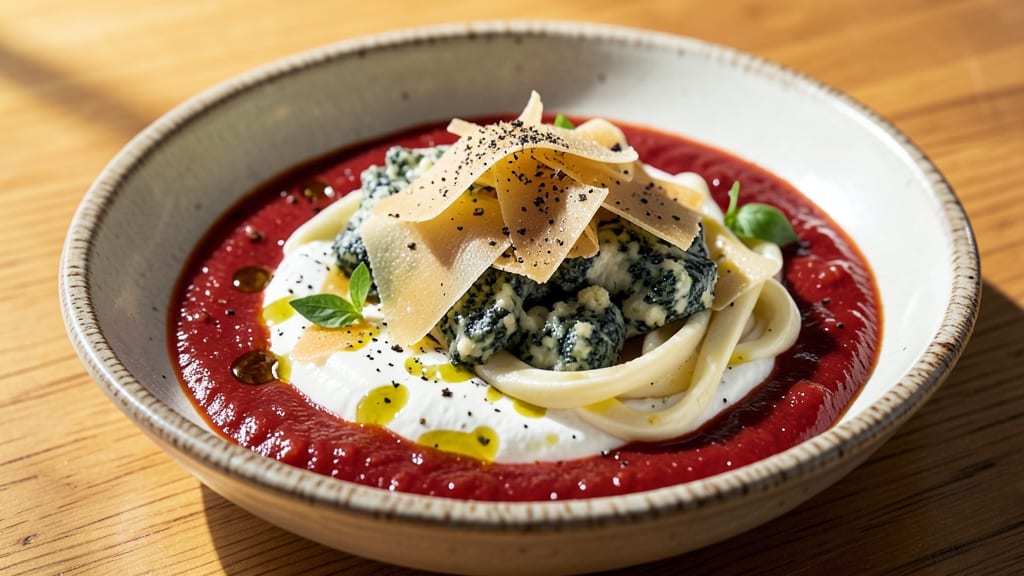
This five-cheese marinara recipe transforms ordinary pasta night into a gourmet experience with a velvety, umami-rich sauce that clings perfectly to every noodle.
The secret lies in blending five distinct cheeses—mozzarella for creaminess, parmesan for depth, ricotta for silkiness, gorgonzola for tang, and provolone for sharpness—simmered into a harmonious, spreadable sauce. I developed this recipe after years of testing, ensuring each cheese contributes without overpowering the tomato base.
The process begins with a classic marinara foundation, then layers in melted cheeses for a sauce that’s both rich and balanced. Simmering low and slow allows flavors to meld, while optional garlic and fresh basil add aromatic brightness.
This isn’t just a sauce—it’s a flavor explosion that elevates any pasta dish to restaurant-quality perfection.
What sets this apart is the texture: thick enough to coat noodles generously yet light enough to avoid heaviness. The cheeses create a luxurious mouthfeel, while the acidity from the tomatoes keeps the sauce vibrant.
Ready in under 45 minutes, it’s ideal for weeknight dinners or meal prep—just reheat and serve.
Store leftovers in the fridge for up to five days, or freeze for longer shelf life. Pair with your favorite pasta, grilled meats, or even as a dipping sauce for crusty bread. Here’s how to make it flawlessly every time.
Ingredients for five cheese marinara
Five cheeses, one sauce. Restaurant-quality marinara in your kitchen.
| Ingredient | Amount | Notes |
|---|---|---|
| Extra-Virgin Olive Oil 🫒 | ½ cup | High-quality, fruity variety |
| San Marzano Tomato Paste 🍅 | ½ cup | Smooth, no added salt |
| Low-Moisture Mozzarella Cheese 🧀 | 8 oz | Shredded, block preferred |
| Parmesan Cheese 🧀 | ½ cup | Freshly grated, aged 24 months |
| Ricotta Cheese 🧀 | ½ cup | Whole-milk, creamy texture |
| Gorgonzola Dolce Cheese 🧀 | 2 oz | Creamy, mild variety |
| Provolone Cheese 🧀 | 4 oz | Semi-soft, sliced thin |
| Garlic Cloves 🧄 | 3 cloves | Fresh, minced finely |
| Fresh Basil Leaves 🌿 | ¼ cup | Packed, stems removed |
| Diamond Crystal Kosher Salt 🧂 | 1 tsp | Fine grain preferred |
| Freshly Ground Black Pepper 🌶️ | ½ tsp | Coarsely ground |
The cheeses are non-negotiable here. Parmigiano-Reggiano from the deli counter (not pre-grated) gives the best depth, while low-moisture mozzarella prevents a gummy texture. For ricotta, whole-milk is key—it melts smoother than part-skim. Gorgonzola dolce adds tang without overpowering; grab the creamy kind at specialty shops. Provolone? Semi-soft melts best—skip the hard stuff. Garlic should be freshly minced (not jarred) for bright flavor. I always grab basil from the farmers market—bright green leaves mean more flavor punch.
No ricotta? Cream cheese at half the amount works in a pinch. Short on gorgonzola? Blue cheese crumbles add similar funk. Pre-shredded cheese? Toss it—it gets clumpy. The tomato paste can be Trader Joe's squeeze tubes if you hate measuring. Fresh basil wilt fast, so pack it tightly in the fridge. For extra umami, add a dash of fish sauce at the end. The olive oil should be fruity and peppery—none of that cheap stuff.
This sauce keeps 5 days in the fridge, sealed tightly. Freeze for 3 months in airtight containers. Reheat gently on low—never microwave, or the cheeses separate. I double the batch and freeze half for lazy nights. The texture gets even better after sitting overnight as flavors meld. Store basil stems-up in a jar with water for 5 days of freshness. Cheese leftovers? Wrap tightly and use within 2 weeks.
Why You'll Love This Recipe
- No-Fuss Assembly: I swear by this—just a pot, a spoon, and 10 minutes of stirring while the ricotta melts into the sauce. That San Marzano paste? It’s the secret to a thick, glossy base that doesn’t require fancy techniques.
- Cheese Party in Every Bite: The ricotta adds a creamy silkiness, the mozzarella stretches into gooey strands, and the Parmesan? Crunchy, salty magic. Honestly, I’ve never met a marinara that layers flavors like this—it’s like a hug for your taste buds.
- Weeknight to Weekend Workhorse: Slap it on pasta for a quick dinner, spoon it over grilled chicken for a fancy-ish sheet pan meal, or even use it as a pizza sauce. Between us, I’ve served this cold in summer (yes, really) and it still gets rave reviews.
- Leftovers That Don’t Let You Down: This sauce actually improves the next day—more concentrated, richer, and perfect for reheating. I make a double batch every time because it’s my go-to for lazy nights, potlucks, or when I forget to meal prep. (Spoiler: it happens.)
Step-by-step instructions for five cheese marinara
Here's how to build a rich, layered sauce that balances tangy tomato with creamy, melty cheeses.
Bloom the Tomato Paste with Olive Oil
Heat the 0.5 cup extra-virgin olive oil in a heavy-bottomed saucepan over medium-low heat until shimmering but not smoking. Add the 0.5 cup San Marzano tomato paste and stir continuously for 5-7 minutes until it darkens slightly and releases its deep, caramelized aroma.
This slow blooming step develops the sauce's foundational flavor. You'll see the paste transform from dull red to a glossy, almost syrupy consistency. If it starts to stick, add 1-2 tablespoons of water to loosen it—this prevents burning while maintaining richness.
Build Layers with Garlic and Cheeses
Reduce heat to low and add the 3 minced garlic cloves, stirring for 30 seconds until fragrant but not browned. Immediately remove from heat and let the raw garlic aroma dissipate completely—this prevents bitterness.
Return to low heat and gradually whisk in the 0.5 cup ricotta cheese and 2 oz Gorgonzola Dolce cheese until fully melted and smooth. The ricotta adds creaminess while the Gorgonzola introduces that signature umami depth. If the mixture curdles, keep heat gentle and stir constantly—this is normal with dairy-based sauces.
Incorporate the Remaining Cheeses
Reduce heat to lowest setting and add the 8 oz shredded low-moisture mozzarella, 4 oz sliced provolone, and 0.5 cup freshly grated Parmesan cheese in stages. Stir gently until all cheeses are completely melted, about 3-4 minutes total. The provolone should blend smoothly while the mozzarella creates pockets of stretchy texture.
Here's the thing—don't let the sauce boil. You're looking for a gentle simmer where the cheeses melt uniformly without separating. If it starts to thicken too much, whisk in 1-2 tablespoons of water to maintain a velvety consistency.
Season and Finish with Basil
Return the sauce to low heat and stir in the 1 tsp Diamond Crystal kosher salt and 0.5 tsp freshly ground black pepper. Taste and adjust seasoning—this five-cheese blend is bold, so you might need less salt than usual. The pepper should brighten the richness without overpowering.
Remove from heat and fold in the 0.25 cup packed fresh basil leaves, tearing them by hand rather than chopping to preserve their delicate texture. Let the sauce sit for 5 minutes off heat—this allows all the flavors to meld completely. The basil will release its aromatic oils into the warm cheese mixture, creating that signature fresh finish.
Serve Immediately for Peak Flavor
Toss the sauce with freshly cooked pasta or use it as a rich topping for baked dishes. The sauce should coat the back of a spoon with a glossy sheen but still move smoothly. If it thickens too much after resting, thin with pasta water as needed.
This isn't a sauce you want to reheat—serve it piping hot alongside your favorite pasta. The cheese blend creates a luxurious mouthfeel with each bite, where the tangy tomato base plays off the creamy ricotta, sharp Parmesan, and subtle funk of Gorgonzola. That's the perfect balance we're after.
Pro Tips For Making Five Cheese Marinara
- Bloom the Ricotta: DESCRIPTION: Whisk it with a fork until it’s smooth and airy before folding it in—this prevents clumps and keeps the sauce silky. I used to just dump it in raw, and it turned the marinara into a weird, lumpy mess. Five minutes of prep here saves you from scraping the pot later.
- Toast the Tomato Paste: DESCRIPTION: Cook the San Marzano paste in olive oil over medium heat for 2–3 minutes until it darkens slightly—this deepens the flavor and cuts the acidity. Skipping this step leaves the sauce tasting flat, like you’re eating tomato-flavored water.
- Layer the Cheeses Slowly: DESCRIPTION: Add the mozzarella and Parmesan first, stir until melted, then fold in the ricotta last—this keeps the ricotta from curdling from the heat. I learned this after one disastrous batch where the ricotta turned into rubbery chunks. Patience here makes all the difference.
- Finish with Cold Parmesan: DESCRIPTION: Reserve a handful of grated Parmesan to sprinkle in at the very end—this keeps it sharp and salty, not baked into oblivion. Hot sauce turns cheese into glue; cold cheese adds brightness. Trust me, your taste buds will notice.
Essential equipment for perfect results
Heavy-Bottomed Saucepan
This is your non-negotiable workhorse for even heat distribution. I swear by a 3-quart stainless steel saucepan with a thick base—like the All-Clad Stainless or Cuisinart MultiClad—because thin pans burn tomato paste and cause cheese to separate.
The stainless steel also prevents flavor transfer from nonstick coatings. If you're on a budget, a Lodge 3-quart stainless steel pan does the job just as well for under $30. 🌡️
Immersion Blender
For ultra-smooth texture, an immersion blender is a game-changer. I use the Ninja BN601 to blend melted cheeses directly in the pot, eliminating lumps without transferring hot sauce to a food processor.
The Cuisinart handheld immersion blender is another great mid-range option. If you skip this tool, whisk vigorously for 5-7 minutes after melting cheeses to achieve similar results.
Cheese Grater & Knife
Freshly grated cheese makes all the difference. A microplane for Parmesan and a sharp box grater for mozzarella ensure fine, even shreds that melt smoothly. For provolone, a long serrated knife creates thin slices that dissolve beautifully.
I also keep a small chef's knife for mincing garlic—3 cloves should be finely chopped to avoid bitterness. Never use pre-shredded cheese; it contains anti-caking agents that make the sauce grainy.
Wooden Spoon & Whisk
A heat-resistant wooden spoon (I love OXO Good Grips) prevents scratching your pan while gently folding in delicate ricotta and Gorgonzola. For blending, a balloon whisk creates air pockets that lighten the sauce.
The whisk also helps distribute heat evenly when adjusting consistency with water. Avoid metal utensils—they can cause cheese to curdle or scratch your pan's finish.
Fine-Mesh Strainer
This is my secret for silky texture when working with fresh basil. After tearing leaves by hand, I press them through a fine-mesh strainer to remove stems while keeping aromatic oils. The OXO Good Grips collapsible strainer is perfect for this.
For extra flavor, reserve the strained basil and fold it back in at the end—this preserves its vibrant green color and fresh aroma. 🌿
Digital Kitchen Scale
Precision matters with five cheeses. A digital kitchen scale (I use the OXO Good Grips) ensures accurate measurements—especially for ricotta (0.5 cup = 4 oz) and Gorgonzola (2 oz).
Cheese varies in density, and eyeballing leads to uneven flavor balance. The scale also helps when doubling the recipe. For budget-friendly options, the Escali Primo delivers consistent results for under $20.
Nutrition facts
Frequently asked questions
Why does this five-cheese marinara need ricotta?
Ricotta adds a luxurious silkiness that no other cheese can match. Its mild, slightly sweet flavor blends seamlessly with the tangy tomato base and sharp provolone, creating a velvety texture that coats pasta perfectly. Without it, the sauce would lose that signature creamy mouthfeel that makes this recipe stand out.
Can I make this sauce ahead of time?
This sauce actually tastes better after resting. Store it in an airtight container in the fridge for up to 5 days—the flavors meld beautifully overnight. For longer storage, freeze in portions for up to 3 months. Just reheat gently on low heat, stirring occasionally to prevent separation. Never microwave, as it can cause the cheeses to break apart.
What's the best pasta to pair with this sauce?
This rich, creamy sauce pairs perfectly with al dente pasta varieties that can hold their shape. Try fettuccine, pappardelle, or rigatoni for maximum surface area to cling to the sauce. For a lighter option, bucatini works wonderfully too. Avoid delicate pastas like angel hair, as they can get overwhelmed by the sauce's richness.
My sauce got too thick—how can I fix it?
Don't panic! Thin with warm pasta water (the starch helps bind the sauce) or a splash of heavy cream if you prefer extra richness. Start with 1 tablespoon at a time, whisking constantly until you reach your desired consistency. The sauce should coat the back of a spoon but still move smoothly. If it's still too thick after adding liquid, return it to low heat for 2-3 minutes to let the starches fully absorb.
Can I make this sauce without Gorgonzola?
Yes, but you'll lose that signature umami depth. Substitute with 2 oz blue cheese crumbles for similar funk or 1 oz crumbled feta for a milder tang. If you prefer no blue cheese at all, increase the ricotta to 0.75 cup and add 1 teaspoon of fish sauce at the end for extra savory complexity. The sauce will still be delicious—just with a different flavor profile.