
Main Courses
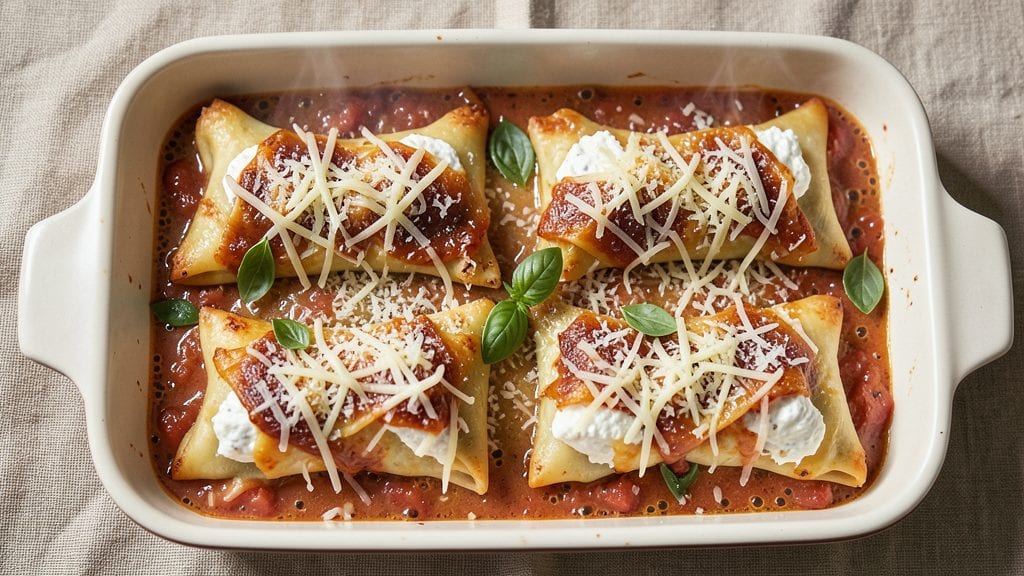
This four cheese manicotti recipe delivers the ultimate comfort food experience with layers of tender pasta, rich cheese filling, and a bubbling golden top. The secret lies in balancing four distinct cheeses—creamy ricotta, salty provolone, sharp parmesan, and gooey mozzarella—to create a filling that melts perfectly between each pasta tube.
I developed this version after years of testing, ensuring the cheese doesn't dry out and the manicotti stays tender throughout baking.
What sets this recipe apart is the foolproof technique for assembling and baking, which guarantees restaurant-quality results every time.
The key steps include properly boiling the pasta tubes, mixing the cheese filling just until combined (overmixing makes it tough), and baking at the right temperature to achieve that signature golden crust.
With careful layering and a simple marinara sauce, you'll end up with manicotti that's rich, cheesy, and impossible to resist.
The final dish delivers layers of creamy, melty cheese between tender pasta shells, all blanketed in a tangy tomato sauce. Each bite combines the textures perfectly—crispy edges on the pasta, velvety cheese filling, and a rich tomato sauce that ties everything together.
This recipe serves six and takes about an hour to prepare, making it ideal for family dinners or special occasions when you want to impress.
For added flavor, consider topping with fresh basil or a sprinkle of extra parmesan before serving. The leftovers reheat beautifully, making this an excellent make-ahead dish for busy weeknights. Let's get started on creating this comforting classic that everyone will love.
Ingredients for four cheese manicotti
Six essential ingredients create the perfect four-cheese manicotti filling and sauce combination.
| Ingredient | Amount | Notes |
|---|---|---|
| Manicotti Pasta Tubes 🍝 | 12 whole | Large tubes, not small shells |
| Whole Milk Ricotta Cheese 🧀 | 15 oz | Full-fat, drained 15 minutes |
| Shredded Mozzarella Cheese 🧀 | 8 oz | Part-skim or whole milk |
| Shredded Provolone Cheese 🧀 | 8 oz | Mild or smoked variety |
| Freshly Grated Parmesan Cheese 🧀 | 1 cup | From a 12 oz wedge |
| Large Eggs 🥚 | 2 whole | Room temperature |
| All-Purpose Flour 🌾 | ½ cup | For binding cheese mixture |
| Garlic Cloves 🧄 | 4 cloves | Minced for marinara |
| Canned San Marzano Tomatoes 🍅 | 28 oz | Crushed, no salt added |
| Extra-Virgin Olive Oil 🫒 | ¼ cup | For sauce and topping |
| Dried Basil 🌿 | 1 tbsp | Or 0.25 cup fresh |
| Ground Black Pepper 🌶️ | ½ tsp | Freshly cracked |
| Kosher Salt 🧂 | 1 ½ tsp | Adjust to taste |
| Fresh Basil Leaves 🌿 | ¼ cup | For garnish |
The cheese selection is non-negotiable for authentic flavor. Whole milk ricotta ensures creaminess without dryness—part-skim versions often curdle. For the provolone, Whole Foods or specialty Italian markets carry the best aged wheels, but any quality provolone works. The Parmigiano-Reggiano wedge should be freshly grated; pre-shredded contains anti-caking agents that make the sauce grainy. Mozzarella? Low-moisture shredded prevents soggy pasta tubes during baking. If you can't find San Marzano tomatoes, Muir Glen or Rao's are reliable substitutes—just avoid brands with added salt or preservatives.
No ricotta on hand? Cottage cheese blended until smooth works in a pinch, though it lacks the same texture. Swap provolone for sharp cheddar at equal weight, but you'll lose that signature Italian tang. Fresh basil unavailable? Dried basil at one-third the amount suffices, though the aroma won't be as vibrant. For the marinara, homemade is ideal, but quality jarred sauce like Rao's or Barilla saves time. The key is balancing acidity—add a pinch of sugar if your tomatoes taste too tart. And whatever you do, don't skip the olive oil—it's what makes the sauce sing.
Cheese mixtures keep best when refrigerated in airtight containers for up to 2 days, though fresh is always superior. Assemble the manicotti ahead and refrigerate unbaked for 12 hours—this lets flavors meld beautifully. Once baked, leftovers reheat perfectly in the oven at 350°F for 15-20 minutes, covered with foil. For meal prep, freeze unbaked layers wrapped in parchment and foil for up to 3 months. Just thaw overnight before baking as directed.
Why You'll Love This Recipe
- No Boiling Required: I just fill those pre-made tubes with the ricotta-provolone mix and bake—no fussing with boiling pasta first. The tubes stay tender while the cheese gets gloriously gooey, and honestly? That’s my kind of shortcut.
- Cheese Overload (In a Good Way): Between the creamy ricotta, melty mozzarella, sharp provolone, and that final sprinkle of parmesan, every bite is a textural party. The ricotta keeps it rich but not heavy, and the provolone adds just enough bite to cut through the creaminess.
- Weeknight to Potluck Hero: I make a double batch on Sunday and freeze half—perfect for when I’m too tired to cook. It’s also the dish that always gets seconds at gatherings, whether it’s a family dinner or a holiday spread. (Yes, even on a Tuesday night.)
- Budget-Friendly Luxury: This recipe stretches a little ricotta and provolone far, and I always have mozzarella and parmesan on hand. For a dish that feels fancy, it’s surprisingly affordable—no specialty ingredients, just smart layering. My wallet thanks me every time.
Step-by-step instructions for four cheese manicotti
Here's the method for creating layers of rich, gooey cheese filling inside perfectly cooked pasta tubes.
Prepare the Four Cheese Filling
In a large mixing bowl, combine the 15 oz whole milk ricotta cheese, 2 whole large eggs, 0.5 cup all-purpose flour, 1.5 tsp kosher salt, and 0.5 tsp ground black pepper. Use a wooden spoon or silicone spatula to mix until just combined—no need to overwork the mixture. The texture should be thick but smooth, like wet sand.
Next, fold in the 8 oz shredded mozzarella cheese, 8 oz shredded provolone cheese, and 1 cup freshly grated parmesan cheese using gentle strokes. This ensures the cheeses distribute evenly without breaking down the ricotta. Here's the thing—don't skip the draining step for the ricotta. If it's still wet, press it through a fine-mesh sieve or wrap it in a clean kitchen towel and let it drain for 15 minutes before mixing. Excess moisture makes the filling too runny and causes soggy manicotti.
Assemble the Manicotti Layers
Preheat your oven to 375°F. While it heats, prepare a 9x13-inch baking dish by spreading 1 cup of the marinara sauce (made from 28 oz canned San Marzano tomatoes, 4 minced garlic cloves, 0.25 cup extra-virgin olive oil, 1 tbsp dried basil, and 1.5 tsp kosher salt) evenly on the bottom. This creates a flavorful base that prevents sticking.
Carefully fill each of the 12 whole manicotti pasta tubes with about 2 tablespoons of the cheese mixture, using a spoon or piping bag. Be generous but not overstuffed—you want the filling to stay contained while baking. Place the filled tubes seam-side down in the baking dish, standing upright in a single layer. If needed, gently press down to help them stand straight. The goal is to create an even first layer that will bake uniformly.
Build and Bake the Manicotti Casserole
Pour the remaining 2 cups of marinara sauce evenly over the manicotti tubes, spreading it with a spatula to coat the sides. Sprinkle 0.25 cup fresh basil leaves over the top for freshness. Now, add a second layer by placing another 6 filled manicotti tubes on top of the first layer, again seam-side down. The sauce will help them stick together.
Cover the baking dish tightly with aluminum foil and bake for 25 minutes. This initial covered baking time allows the manicotti to soften and the cheese filling to begin setting without drying out. After 25 minutes, remove the foil and bake for an additional 10-15 minutes until the edges are golden brown and the cheese is bubbling at the edges. You'll see the sauce turning thick and glossy—this is your signal that the filling is melting perfectly.
Rest and Serve with Fresh Garnishes
Remove the manicotti from the oven and let it rest for 10 minutes before serving. This resting period is crucial—it allows the cheese to set slightly and prevents a runny mess when you cut into it. During this time, you can prepare a quick topping if desired: drizzle with a little extra 0.25 cup extra-virgin olive oil and sprinkle with additional freshly grated parmesan cheese and fresh basil leaves.
To serve, gently slide a spatula under the manicotti to lift them from the baking dish. You'll notice the layers hold together beautifully, with gooey cheese oozing out slightly when cut. Each bite should deliver a perfect balance of creamy ricotta, sharp provolone, melty mozzarella, and nutty parmesan, all wrapped in tender pasta. Serve with a side of the remaining marinara sauce for dipping if desired.
Pro Tips For Making Four Cheese Manicotti
- Boil Tubes Just Until They Float: Manicotti tubes sink like stones at first—wait for them to bob to the surface before draining. I learned this the hard way when mine turned gummy; overcooking by even 30 seconds makes them absorb too much sauce later. Drain immediately and toss with a little oil to prevent sticking.
- Mix Ricotta Like Mashed Potatoes: Don’t just dump the ricotta in—break it up with a fork first, then fold in eggs and Parmesan until it’s light and airy. Whole milk ricotta can get gluey if you overmix, so stop when it’s just combined. Think of it like mashing potatoes: smooth but still with texture.
- Layer Cheeses in Odds and Ends: Skip the perfect even layers—scatter shredded mozzarella and provolone between tubes instead of just on top. The middle cheese melts into a gooey surprise when you cut into it. (Yes, it looks messy before baking—that’s the point.)
- Bake Covered, Then Uncover: Tent with foil for the first 20 minutes to melt the ricotta filling, then remove it for the last 10 to brown the top. I used to skip this, and my manicotti stayed soggy in the middle. The foil trick guarantees a creamy center without a sad, pale top.
Wine and beer pairings for these flavors
Italian Reds
For this rich, cheesy dish, Italian reds are my go-to pairings—they stand up to the bold flavors without overpowering them. A Chianti Classico from Tuscany, like Castello di Volpaia, offers bright acidity and cherry notes that cut through the richness of the provolone and parmesan.
Its medium body and earthy undertones complement the tomato sauce beautifully. 🍷
Medium-Bodied Whites
If you prefer white wine, a Vermentino from Sardinia or a crisp Pinot Grigio from Alto Adige works wonders. These wines have enough acidity to balance the creamy cheese filling while their citrus and mineral notes refresh your palate.
I always keep a bottle of Santa Margherita Pinot Grigio on hand for Italian dishes—it’s reliable and affordable.
Beer Pairings
For beer lovers, a Belgian witbier like Hoegaarden is a fantastic choice. Its coriander and orange peel notes contrast the richness of the cheese, while the slight effervescence cleanses your palate between bites.
Alternatively, a light Italian lager such as Peroni provides a crisp, neutral backdrop that lets the manicotti shine.
Non-Alcoholic Options
Don’t drink alcohol? No problem. A sparkling blood orange soda like San Pellegrino Aranciata Rossa adds a refreshing citrusy note that pairs surprisingly well with the dish.
For a more savory option, try a chilled hibiscus iced tea—its tartness balances the richness of the cheese filling without competing for attention.
Wine Temperature Tips
Serve red wines slightly cooler than room temperature—around 60-62°F—to enhance their acidity and fruitiness. For whites, aim for 45-48°F. I always chill my wine in the fridge for 30-45 minutes before serving to achieve the perfect temperature.
Pro tip: Use an ice bucket with water instead of ice cubes to avoid diluting the wine.
Nutrition facts
Frequently asked questions
What's the best way to prevent soggy manicotti?
Don't skip draining the ricotta for 15 minutes before mixing, and avoid overfilling the pasta tubes. Also, bake uncovered for the last 10-15 minutes to create a crispy top that seals in moisture. This two-layer baking technique is key for perfect texture!
Can I make this ahead of time?
Assemble the manicotti in your baking dish, cover tightly with foil, and refrigerate for up to 12 hours before baking. For make-ahead meals, freeze the unbaked assembled dish for 3 months. Just thaw overnight in the fridge before baking as directed. The flavors develop beautifully overnight!
Which cheese can I substitute if I'm missing one?
Swap provolone for sharp cheddar (equal weight), ricotta for blended cottage cheese, or mozzarella for fontina. For parmesan, Pecorino Romano works well but has a stronger flavor. The key is maintaining the texture balance—creamy, sharp, and melty cheeses are non-negotiable!
How do I know when it's fully cooked?
Your manicotti is done when the edges are golden brown and the cheese is bubbling at the edges. Insert a knife—it should come out clean with just a few cheese strands. The sauce should also be thick and glossy, not watery. This usually takes 35-40 minutes total baking time!
Can I use fresh pasta sheets instead of dried manicotti tubes?
Yes! Roll out fresh pasta sheets to fit your baking dish, spread with cheese filling, roll tightly, and slice into 1-inch pieces before assembling. The baking time will be slightly shorter (25-30 minutes total) since fresh pasta cooks faster. Just be careful not to overfill the rolled pieces.