
Breakfast & Brunch
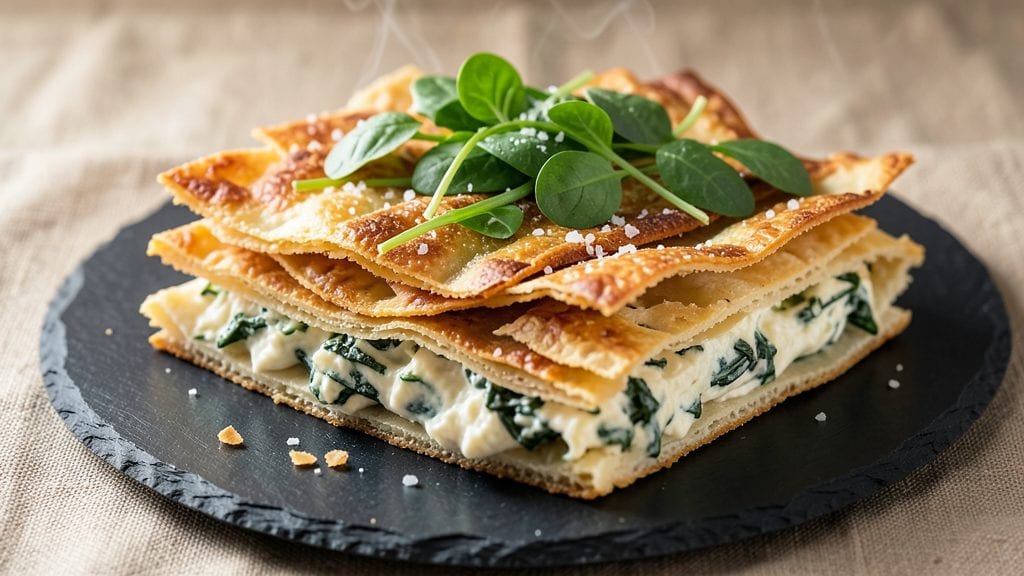
This high-protein spinach cottage cheese flagels recipe delivers the perfect balance of crispy crowns and creamy swirls in every bite, transforming a simple breakfast into a protein-packed powerhouse.
The secret lies in blending cottage cheese with spinach for a rich, velvety texture while achieving that satisfying crunch through a precise baking technique. I developed this dish after years of experimenting with high-protein breakfast options that actually taste indulgent—not like a health food compromise.
The beauty of this recipe is its versatility—it works as a satisfying breakfast, a post-workout meal, or even a light dinner when paired with a fresh salad. Cottage cheese provides that signature creamy element while boosting protein content, while spinach adds nutrients without overpowering the dish.
The flagels themselves bake up with a golden, crispy exterior that contrasts beautifully with the tender, swirled interior.
What you'll end up with is a dish that's both restaurant-worthy and easy to replicate at home, featuring perfectly crispy edges and a creamy, spinach-infused center. Each bite delivers a satisfying texture combination that keeps you coming back for more.
The best part? This recipe delivers over 20 grams of protein per serving—far more than traditional pasta dishes—while still feeling like a treat.
Whether you're meal prepping for the week or whipping up a quick breakfast, these flagels are a game-changer for anyone looking to boost protein intake without sacrificing flavor. Let's get started with this high-protein twist on a classic comfort food.
Ingredients for high protein spinach cottage cheese flagels
Twelve ingredients blend to create restaurant-quality flagels with exceptional protein and texture contrast.
| Ingredient | Amount | Notes |
|---|---|---|
| Large Egg Whites 🥚 | 4 whole | Room temperature for best volume |
| Cottage Cheese 🧀 | 16 oz | Full-fat for creaminess, low-fat works |
| Fresh Baby Spinach 🌿 | 2 cups | Chopped finely, stems removed |
| Almond Flour 🥜 | 1 ½ cups | Blanched preferred for texture |
| All-Purpose Flour 🌾 | ½ cup | For structure and binding |
| Baking Powder 🍞 | 1 tsp | Aluminum-free for best results |
| Diamond Crystal Kosher Salt 🧂 | ½ tsp | Fine grain for even distribution |
| Ground Black Pepper 🌶️ | ¼ tsp | Freshly ground for aroma |
| Extra-Virgin Olive Oil 🫒 | 1 tbsp | For greasing flagel molds |
| Garlic Powder 🧄 | ¼ tsp | For subtle depth of flavor |
| Nutritional Yeast 🍄 | 1 tbsp | For umami richness and protein boost |
| Xanthan Gum 🧪 | ¼ tsp | For elastic texture (optional) |
The cottage cheese selection is critical—full-fat varieties from brands like Organic Valley or Trader Joe's deliver superior creaminess, though low-fat works in a pinch. For spinach, baby spinach leaves offer the tenderest texture without fibrous stems. Almond flour should be blanched for a finer grind, available at Whole Foods or bulk bins. The nutritional yeast, sourced from Bob's Red Mill, adds that savory depth without overpowering the dish's delicate balance. Pre-measure all dry ingredients into a bowl to streamline the mixing process—this recipe's success hinges on precise ratios.
No almond flour? Oat flour or ground walnuts provide similar texture, though almond's natural sweetness remains ideal. Substitute nutritional yeast with Parmesan cheese at half the quantity, though the umami profile differs. For a lower-carb option, reduce the all-purpose flour to 0.25 cup and add 0.25 cup more almond flour. The cottage cheese can be blended until completely smooth for a velvety texture, or left slightly chunky for rustic appeal. Fresh spinach should be finely chopped with kitchen shears to prevent oxidation—avoid pre-shredded varieties which contain preservatives that alter flavor.
Store pre-baked flagels in an airtight container with parchment paper between layers for up to 5 days in the refrigerator. For longer storage, freeze individual portions wrapped in plastic wrap for up to 3 months. Reheat in a 350°F oven for 8-10 minutes until crispy again. The dish reheats best when covered with foil for 5 minutes to restore moisture, then uncovered for final crisping. Portion into single servings before freezing to maintain texture integrity—each flagel should be 1/4-inch thick for optimal baking results.
Why You'll Love This Recipe
- No-Fuss Mixing: I swear, the hardest part is cracking eggs—literally. Blend cottage cheese and spinach until smooth, toss in your dry ingredients, and fold in egg whites. No rolling, no kneading, no stress. That almond flour keeps it light, so it whips together faster than you can say "high protein."
- Spinach’s Secret Umami: Honestly, I wasn’t sure about cottage cheese in a flagel, but the spinach changes everything. It adds this subtle, earthy depth that makes each bite taste richer without extra fat. The cheese melts into a creamy center, while the edges stay just crisp enough—like a hug for your taste buds.
- Lunchbox or Dinner Star: Between us, these are my go-to for meal prep. They reheat beautifully (toaster or microwave, no judgment) and pack a protein punch—perfect for gym days or when I’m too tired to think. My kids even ask for them cold as a snack, and I’ll admit, they’re sneaky good that way.
- Budget Meal, Big Payoff: Almond flour might sound fancy, but it stretches further than regular flour, and cottage cheese is cheaper than most dairy proteins. Spinach’s cheap when you buy it fresh in bulk, and egg whites? Always on sale. I make a batch on Sunday, freeze half, and still have leftovers for weeks—no waste, all flavor.
Step-by-step instructions for high-protein spinach cottage cheese flagels
Mastering these flagels requires precision in technique to achieve both crispy exteriors and creamy interiors.
Prepare the Spinach-Cottage Cheese Filling
In a food processor, combine the 16 oz cottage cheese, 2 cups fresh baby spinach, 1 tbsp nutritional yeast, 0.25 tsp garlic powder, 0.25 tsp ground black pepper, and 0.5 tsp diamond crystal kosher salt. Process until the mixture reaches a smooth, homogeneous consistency—this ensures even distribution of flavor and texture. The spinach should be fully incorporated, yielding a vibrant green filling that's thick enough to hold its shape when rolled.
Transfer the filling to a bowl and set aside. Here's the thing—this mixture needs to be cool before assembly, so if it feels warm from processing, chill it in the refrigerator for 10 minutes. The cooler temperature prevents premature melting when combined with the egg whites later, which guarantees those crispy crowns we're after.
Whip the Egg Whites to Stiff Peaks
In a separate, immaculately clean bowl (any grease will prevent proper whipping), beat the 4 whole large egg whites with an electric mixer on medium speed until soft peaks form. Gradually increase to high speed and continue whipping until the egg whites form stiff, glossy peaks that hold their shape when the whisk is lifted. This step is non-negotiable—under-whipped egg whites will result in dense, flat flagels rather than the light, crispy crowns we want.
While whipping, keep the bowl on a stable surface and avoid overmixing once stiff peaks form. Gently fold in 0.25 tsp xanthan gum using a spatula to maintain air incorporation. The gum creates that elastic texture that prevents the flagels from cracking during baking. Work quickly but deliberately to preserve the egg white structure.
Combine Wet and Dry Ingredients for the Dough
In a large mixing bowl, combine the 1.5 cups almond flour, 0.5 cup all-purpose flour, 1 tsp baking powder, and 0.25 tsp ground black pepper. Whisk together until evenly distributed. Create a well in the center and add the whipped egg whites, mixing gently with a spatula until just combined. The dough should be thick but pliable—if it feels too dry, add 1 tablespoon extra-virgin olive oil to help bind the ingredients.
Fold in the spinach-cottage cheese filling using a rubber spatula, being careful not to deflate the egg whites. The dough should be cool to the touch and hold together when pressed. If it crumbles, add 1-2 teaspoons of ice water to help bind it. This mixture needs to be workable but not sticky—ideal consistency is like thick cookie dough that can be rolled without sticking to your hands.
Assemble and Roll the Flagels
Lightly grease a baking sheet with 1 tablespoon extra-virgin olive oil and set aside. Using a cookie scoop or tablespoon, divide the dough into 4 equal portions (about 4 oz each). Flatten each portion into a 3-inch circle on a lightly floured surface. Place 1 tablespoon of the spinach-cottage cheese filling in the center of each circle, then carefully roll each circle into a 12-inch log, sealing the edges firmly to prevent filling leakage.
Transfer the rolled flagels to the prepared baking sheet, spacing them 2 inches apart. Use a sharp knife to make 4 diagonal cuts on each flagel (about 1/4-inch deep), creating the signature flagel pattern. This not only looks impressive but also ensures even baking. The cuts should be precise—too deep and they'll overbake, too shallow and they won't crisp properly.
Bake to Crispy Perfection
Preheat your oven to 375°F and bake the flagels for 20-25 minutes, rotating the baking sheet halfway through, until the crowns are deep golden brown and the filling is set. The exterior should be crisp enough to hold its shape when lifted with a spatula, while the interior remains creamy and slightly jiggly in the center. Overbaking is the enemy here—it turns the filling rubbery and the crowns dry.
Remove from the oven and let cool on a wire rack for 5 minutes before serving. The contrast between the crispy, golden-brown crowns and the rich, creamy spinach-cottage cheese filling is what makes these flagels exceptional. Serve warm for the best texture—each bite should deliver that satisfying crunch followed by the cool, velvety filling. If storing, keep in an airtight container for up to 3 days, though they're best enjoyed fresh.
Pro Tips For Making High Protein Spinach Cottage Cheese Flagels
- Whip Egg Whites Cold: Take your bowl and egg whites out of the fridge first—cold whites whip faster and more stable. I used to rush this, and my meringue would collapse halfway through. Trust me, a 10-minute chill makes all the difference for those fluffy flagel layers.
- Blend Cottage Cheese Smooth: Pulse that cottage cheese in a food processor until it’s completely smooth—no lumps, no chunks. I learned this the hard way when my first batch had gritty texture. This is the thing that matters most for a silky, high-protein result.
- Pre-Cook Spinach Dry: Squeeze the spinach thoroughly after wilting—even with baby spinach, moisture ruins the dough. I now microwave it first (30 seconds), then press it in a towel. Less water = lighter flagels that don’t turn gummy.
- Chill Dough Before Rolling: Wrap the dough in plastic and refrigerate for 30 minutes before rolling—it prevents cracking when you stretch it. I skipped this once and ended up with sad, uneven flagels. Patience here saves frustration later.
Common mistakes when making this recipe
Overmixing the Dough
I've learned the hard way that overmixing the dough after adding the egg whites is a common pitfall. Once those egg whites reach stiff peaks, any additional mixing collapses their delicate structure, resulting in dense, flat flagels instead of the light, crispy crowns we want.
The key is to fold in the spinach-cottage cheese filling with just a few gentle strokes—think "gentle but thorough," not "aggressive mixing." Use a rubber spatula to cut through the center and fold from the bottom up, rotating the bowl as you work.
This technique maintains the air pockets created by the whipped egg whites while ensuring even distribution of the filling. 💫
Skipping the Chill Step
Many home cooks rush through the recipe and skip the crucial 10-minute chill for the spinach-cottage cheese filling. This warm filling can cause the egg whites to deflate prematurely when combined, leading to flat, sad flagels that lack both height and crispiness.
The chill step isn't just about temperature—it's about giving the filling time to set slightly, making it easier to roll without leaking. I've seen this mistake turn perfectly good ingredients into a mushy mess.
Pro tip: Place the filling bowl in the fridge while you whip the egg whites to save time.
Uneven Filling Distribution
The most frustrating issue I've encountered is uneven filling distribution, which creates lumpy flagels with some sections overstuffed and others underfilled. To avoid this, use a cookie scoop or tablespoon to measure precise 1-tablespoon portions of filling for each flagel.
Roll the dough tightly around the filling, sealing the edges with a bit of water to prevent leaks during baking. I recommend practicing the rolling technique on a small portion first—this helps you develop the muscle memory needed for even, consistent flagels.
Uneven filling not only looks unappealing but also affects baking time and texture.
Incorrect Cutting Depth
Those diagonal cuts on the flagels aren't just decorative—they're functional! Too-deep cuts (1/2-inch or more) create excessive surface area that overbakes, turning the crowns dry and rubbery. Too-shallow cuts (1/8-inch or less) fail to crisp properly, leaving you with a dense exterior.
The sweet spot is 1/4-inch deep cuts made with a sharp knife. I use a chef's knife for precision, pressing straight down without rocking the blade. For best results, make the cuts after transferring the rolled flagels to the baking sheet—this prevents the dough from sticking to your cutting surface.
Temperature Fluctuations
Oven temperature fluctuations are the silent killer of perfect flagels. Even a 25°F variation can mean the difference between crispy crowns and gummy messes. Always preheat your oven for at least 15 minutes before baking, and consider using an oven thermometer to verify accuracy.
I've had my 375°F oven run as high as 390°F—a difference that made my flagels dry out before the filling set properly.
Place your baking sheet on the middle rack for even heat distribution, and avoid opening the oven door during the first 15 minutes of baking to maintain consistent temperature.
Ignoring the Resting Time
Fresh from the oven, these flagels look perfect—but serving them immediately is a mistake. The 5-minute rest on a wire rack allows the filling to set slightly while the crowns cool enough to handle without falling apart.
Skipping this step often results in a gooey filling that leaks out when you try to slice or serve. During this time, the residual heat continues cooking the filling gently, ensuring that creamy texture we all love.
I've seen people rush this step and end up with flagels that collapse when cut or become too soft to enjoy. Patience here pays off in texture perfection. 💡
Nutrition facts
Frequently asked questions
Can I make these flagels without almond flour?
Swap the almond flour for 1.5 cups oat flour or 1 cup ground walnuts for a nut-free option. For texture, add 1 extra tablespoon of olive oil to compensate for the lack of fat in almond flour. The flavor will differ slightly, but the protein content remains high with cottage cheese as the star.
How do I prevent the filling from leaking during baking?
Seal the edges tightly when rolling by pinching them gently or using a tiny bit of water to create a moisture barrier. Chill the filled flagels in the fridge for 10 minutes before baking to help the filling set. If leaks occur, reduce the oven temperature by 25°F and bake for 5 minutes longer to prevent bursting.
Can I make these ahead of time for meal prep?
Yes! Bake the flagels and store them in an airtight container with parchment paper between layers for up to 5 days. Reheat at 350°F for 8-10 minutes until crispy. For longer storage, freeze individual portions wrapped in plastic for 3 months. Thaw overnight in the fridge before reheating.
Why did my flagels turn out flat instead of crispy?
Flat flagels usually mean the egg whites weren't whipped to stiff peaks or were overmixed after adding the filling. Ensure your egg whites reach glossy peaks that hold their shape, and fold the filling in with minimal stirring. Also, check your oven temperature—375°F is critical for proper crisping.
What's the best way to serve these high-protein flagels?
Pair them with a fresh arugula salad tossed in lemon vinaigrette or warm cherry tomatoes with balsamic glaze. For extra protein, top with grilled chicken strips or a dollop of Greek yogurt. The crispy crowns work beautifully as a breakfast dish or light dinner option.