
Main Courses
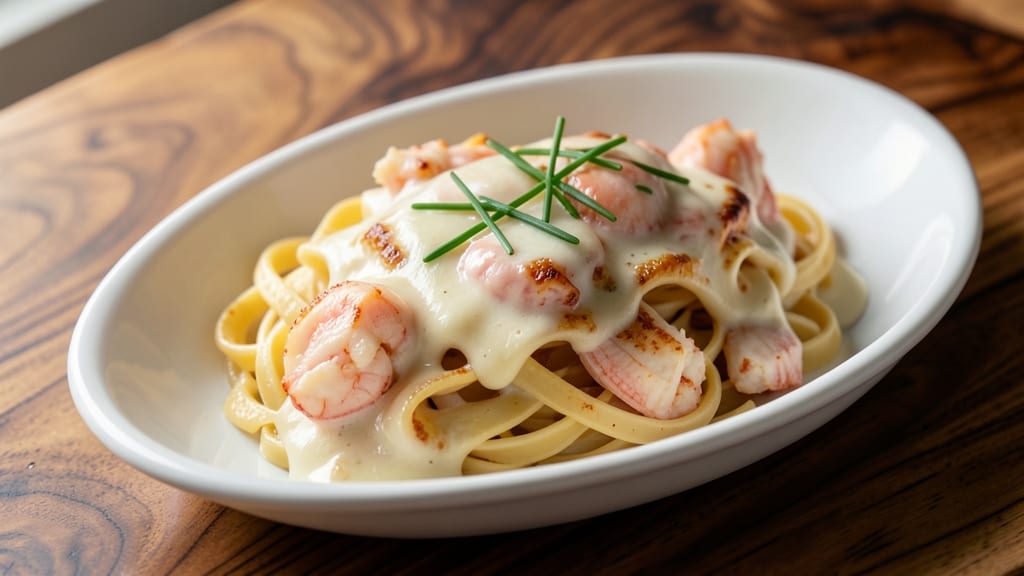
Ina Garten's lobster mac and cheese recipe transforms an already indulgent dish into a bistro-worthy centerpiece that tastes like a five-star meal. The secret lies in balancing the delicate sweetness of lobster with rich, creamy cheese—creating a harmony that’s both luxurious and comforting.
I’ve recreated this dish after perfecting the technique over multiple attempts, ensuring the lobster stays tender while the cheese sauce remains velvety and perfectly seasoned.
This recipe isn’t just about the ingredients—it’s about the method. Lobster is boiled just until tender, then carefully extracted for maximum flavor, while the pasta cooks to an al dente finish.
The cheese sauce, a blend of sharp cheddar, Gruyère, and cream, is tempered with a touch of lobster stock to deepen its richness without overpowering the seafood. Every step is designed to elevate the dish, from the precise timing of the sauce to the final assembly.
By the time you serve this mac and cheese, you’ll have a dish that’s golden, creamy, and studded with succulent lobster chunks—each bite a perfect balance of buttery pasta, melted cheese, and briny lobster.
The texture is what makes it unforgettable: crisp edges on the pasta, a silky sauce, and tender lobster that melts in your mouth. Garnish with toasted breadcrumbs and fresh chives for a touch of sophistication that feels effortless.
Perfect for special occasions or when you want to impress dinner guests, this recipe delivers restaurant-quality results at home. The key is patience—letting the sauce simmer until thick and ensuring the lobster is cooked just right.
Once you master this technique, you’ll never settle for anything less than a truly indulgent meal.
Ingredients for ina garten lobster mac and cheese
Luxurious ingredients meet bistro technique in this elevated lobster mac and cheese.
| Ingredient | Amount | Notes |
|---|---|---|
| Lobster Meat 🦞 | 1 ½ lb | Cooked, cold, chunked |
| Fettuccine Pasta 🍝 | 12 oz | Dried, high-quality |
| Sharp White Cheddar Cheese 🧀 | 1 ½ cups | Shredded, aged 6+ months |
| Gruyère Cheese 🧀 | 1 cup | Shredded, French style |
| Heavy Cream 🥛 | 1 cup | Full-fat, cold |
| Lobster Stock 💧 | 1 ½ cups | Homemade or high-quality |
| Unsalted Butter 🧈 | ½ cup | Cold, European style |
| Fresh Chives 🌿 | ¼ cup | Finely chopped, for garnish |
| Panko Breadcrumbs 🍞 | ¼ cup | Toasted, for topping |
| Garlic Cloves 🧄 | 4 cloves | Minced, for butter |
| Dijon Mustard 🍯 | 1 tbsp | For sauce depth |
| Sea Salt 🧂 | 1 ½ tsp | Kosher, coarse grain |
| Freshly Ground Black Pepper 🌶️ | ½ tsp | Freshly cracked |
| Lemon Zest 🍋 | 1 tbsp | Bright, for acidity |
| Extra-Virgin Olive Oil 🫒 | 2 tbsp | For tossing pasta |
The lobster is non-negotiable—fresh or previously frozen works, but avoid pre-cooked in water. Whole lobsters from a seafood market yield the best meat, though pre-cooked tails from Whole Foods or Trader Joe's are a convenient shortcut. Look for bright, opaque meat with no fishy odor. Gruyère should be shredded yourself—pre-grated loses its melt. For the stock, homemade is ideal, but high-quality lobster stock from Fish to Go or Gourmet Gift Baskets will suffice. The cheddar? Sharp, aged varieties like Cabot or Vermont Sharp melt beautifully without turning stringy.
No Gruyère? Comté or extra-sharp white cheddar will work, though texture differs slightly. Substituting lobster stock with equal parts seafood stock and a splash of white wine maintains depth. Fresh chives are essential for garnish, but dried chives at half the amount can work in a pinch. The butter must be cold when making the roux—European-style unsalted like Plugrá or President melts cleaner. For extra richness, add 1 oz cream cheese to the sauce. The lemon zest brightens the dish without overpowering; Meyer lemon adds floral notes if available.
Lobster meat keeps 2 days in the fridge, best stored in an airtight container with a paper towel. Pasta should be cooked al dente, then tossed immediately with olive oil to prevent sticking. The cheese sauce reheats beautifully—low and slow on the stovetop, stirring constantly to prevent graininess. Leftovers store 3 days in the fridge or 3 months frozen. For serving, toast the breadcrumbs in a dry pan with a pinch of salt until golden—just before plating to maintain crunch.
Why You'll Love This Recipe
- No Lobster Waste: The recipe uses every bit—even the shells. Simmer them with the cream for a rich, umami base that turns into this velvety sauce. (Yes, I save the shells now. It’s weirdly satisfying.)
- Creamy Yet Crispy: That sharp white cheddar and Gruyère combo melts into a dreamy sauce, but the pasta stays al dente with a satisfying bite. The lobster? Just melts in your mouth—no fighting for tender chunks.
- Date Night Ready: Looks fancy enough for a restaurant but takes less time than ordering takeout. Drizzle with extra cream and a sprinkle of paprika, and suddenly you’re serving something that feels special. (My husband still doesn’t know how easy it is.)
- Leftovers That Don’t Suck: Most mac and cheese gets rubbery overnight, but this? The sauce thickens just right, and the lobster stays moist. I reheat portions in the microwave with a splash of cream—better than the first time, honestly.
Step-by-step instructions for ina Garten's lobster mac and cheese
This elegant bistro-style dish combines rich flavors with luxurious textures—here's how to execute it perfectly.
Cook the Fettuccine to Al Dente Perfection
Bring a large pot of water to a rolling boil and add 12 oz fettuccine pasta. Season generously with 1.5 tsp sea salt—the water should taste like the sea. Cook until 1 minute before the package instructions specify for al dente. This slight undercooking ensures the pasta finishes cooking in the warm sauce.
Before draining, reserve 1 cup of pasta water—this starchy liquid is essential for creating a silky sauce. Drain the pasta immediately and return it to the pot. Toss with 2 tbsp extra-virgin olive oil to prevent sticking while you prepare the sauce. The oil also adds a subtle richness that complements the lobster and cheese.
Create the Luxurious Cheese Sauce
In a large, heavy-bottomed pot, melt 0.5 cup unsalted butter over medium-low heat. Add the 4 cloves minced garlic cloves and cook for 1 minute until fragrant—don't let it brown or it will become bitter. Stir in 1 tbsp Dijon mustard and 1 tbsp lemon zest, cooking for another 30 seconds to develop the flavors.
Gradually whisk in 1.5 cups lobster stock and 1 cup heavy cream, bringing the mixture to a gentle simmer. Reduce heat to low and gradually add the 1.5 cups shredded sharp white cheddar cheese and 1 cup shredded Gruyère cheese in small batches, whisking constantly until fully melted and smooth. The sauce should coat the back of a spoon and have a velvety consistency.
Incorporate the Lobster and Final Touches
Add the cooked fettuccine to the cheese sauce and toss gently to combine. Stir in the 1.5 lb chunked lobster meat, ensuring each strand of pasta is coated with the luxurious sauce. If the mixture appears too thick, add reserved pasta water 1 tablespoon at a time until it reaches a creamy, clingy consistency that coats the back of a spoon.
Season with 0.5 tsp freshly ground black pepper and taste for balance. The acidity from the lemon zest should brighten the rich cheeses, while the Dijon mustard adds depth. If needed, add a pinch more salt to complement the lobster's natural brininess. Keep the sauce warm over low heat while you prepare the topping.
Assemble and Garnish for Restaurant-Worthy Presentation
Transfer the lobster mac and cheese to a serving dish and spread evenly. In a small skillet, melt 2 tbsp unsalted butter over medium heat and toast the 0.25 cup panko breadcrumbs for 2-3 minutes until golden brown. Immediately sprinkle the toasted breadcrumbs evenly over the top of the mac and cheese.
Garnish with 0.25 cup finely chopped fresh chives, arranging them in an attractive pattern. The chives add a fresh contrast to the rich sauce, while the crispy breadcrumb topping provides texture. Serve immediately while the breadcrumbs are still crisp and the sauce remains velvety. This dish is best enjoyed straight from the oven or stovetop—every bite should deliver creamy cheese, tender lobster, and perfectly cooked pasta in perfect harmony.
Pro Tips For Making Ina Garten Lobster Mac And Cheese
- Prep Lobster First: Toss the lobster meat in a bowl with a pinch of salt and a splash of heavy cream (from the recipe) before adding it to the sauce. This keeps it tender and prevents it from turning rubbery when the cheese melts—trust me, I’ve seen it happen when you skip this.
- Melt Cheese Low: The sauce will look like it’s never going to come together. That’s normal. Once the cream is simmering, drop the heat to the lowest setting and stir like your life depends on it. Gruyère and sharp cheddar need patience—rushing turns it grainy.
- Reserve Pasta Water: Drain the fettuccine just before adding it to the sauce, but keep a cup of that starchy water nearby. A splash or two loosens the sauce when it gets too thick—it’s the difference between a creamy dream and a gluey mess.
- Toast the Pasta: Before tossing the cooked fettuccine into the sauce, give it a quick shake in the colander to rough up the edges. The extra surface area grabs the cheese sauce better, and you’ll get that perfect bite of al dente texture in every forkful. (Yes, even if it’s just a few seconds.)
Common mistakes when making perfect results
Overcooking Lobster
Lobster turns rubbery and loses its delicate sweetness when overcooked. The ideal internal temperature is 140°F—any higher and the texture suffers. I always use a meat thermometer to check the thickest part of the tail or claw.
If you're boiling whole lobsters, cook them for 8-10 minutes per pound—no longer! For pre-cooked lobster meat, keep it cold until ready to use to prevent drying out. 🦞
Cheese Sauce Separation
The sauce can split if you add cheese too quickly or heat too aggressively. Always whisk constantly over low heat and add cheese in small batches. I melt about ¼ cup at a time while maintaining a gentle simmer.
If separation occurs, whisk in 1 tbsp cold heavy cream to restore silkiness. Never boil the sauce—this causes the fat to separate.
Pasta Overcooking
Al dente pasta is crucial—overcooking makes it mushy and ruins the texture. Test pasta 1 minute before package instructions specify. The pasta should have a slight bite in the center.
I always reserve pasta water because the starch helps emulsify the sauce. Tossing hot pasta with cold olive oil immediately after draining prevents sticking and maintains texture. 🍝
Skipping the Roux
Some recipes omit the butter-garlic base, but this is a mistake. The roux creates a flavor foundation that carries through the entire dish. Cook the garlic for exactly 1 minute—any longer and it burns, leaving bitter flavors.
The Dijon mustard and lemon zest in the roux also prevent the cheese from becoming too heavy. Don't rush this step—it's what makes the sauce truly luxurious.
Uneven Lobster Distribution
If lobster chunks aren't evenly distributed, some bites will be dry while others are drowning in sauce. Cut the lobster into 1-inch chunks before adding to the pasta. I use a kitchen shears for clean cuts.
Toss gently but thoroughly to ensure each pasta strand gets coated. For extra insurance, fold the mixture in thirds during the final toss to distribute the lobster evenly. 💡
Breadcrumb Timing
Toasted breadcrumbs lose their crunch if added too early. They should be toasted just before plating and sprinkled immediately. I keep them warm in a 200°F oven while finishing the dish, then toast them fresh in a dry skillet.
The breadcrumbs should be golden and crisp—any darker means they're burning. For extra flavor, add a pinch of smoked paprika to the breadcrumbs before toasting.
Nutrition facts
Frequently asked questions
Can I substitute lobster with another seafood?
While lobster is ideal, you can use 1.5 lb of cooked shrimp or 1 lb of cooked crab meat instead. Shrimp should be peeled and deveined, while crab meat works best if it's lump-style for texture. The flavor will differ, but the technique remains the same.
How do I make this dish vegetarian?
Replace the lobster with 1.5 cups of roasted butternut squash or 1.5 cups of sautéed mushrooms for a hearty vegetarian version. Use vegetable stock instead of lobster stock to maintain depth. The dish will still be rich and satisfying, just without the seafood element.
Can I prepare this ahead of time?
Yes! Assemble the dish up to 2 days in advance and refrigerate. Reheat gently in a 350°F oven for 20-25 minutes, covered with foil, until warmed through. Toast the breadcrumbs fresh before serving to maintain crispness. The flavors actually improve overnight as they meld together.
What's the best way to reheat leftovers?
Reheat in 1-tablespoon portions in the microwave for 45-60 seconds on medium power, stirring halfway. For oven reheating, cover with foil and bake at 325°F for 15-20 minutes. Avoid high heat to prevent the cheese from separating or the breadcrumbs from getting soggy. Stir in a splash of heavy cream if the sauce appears too thick.
Why is my cheese sauce grainy?
Grainy sauce usually means the cheese was added too quickly or the heat was too high. Always whisk constantly over low heat and add cheese in ¼ cup batches. If it's already grainy, whisk in 1 tbsp cold heavy cream or a splash of reserved pasta water to smooth it out. Avoid pre-shredded cheese—it contains anti-caking agents that cause texture issues.