
Side Dishes
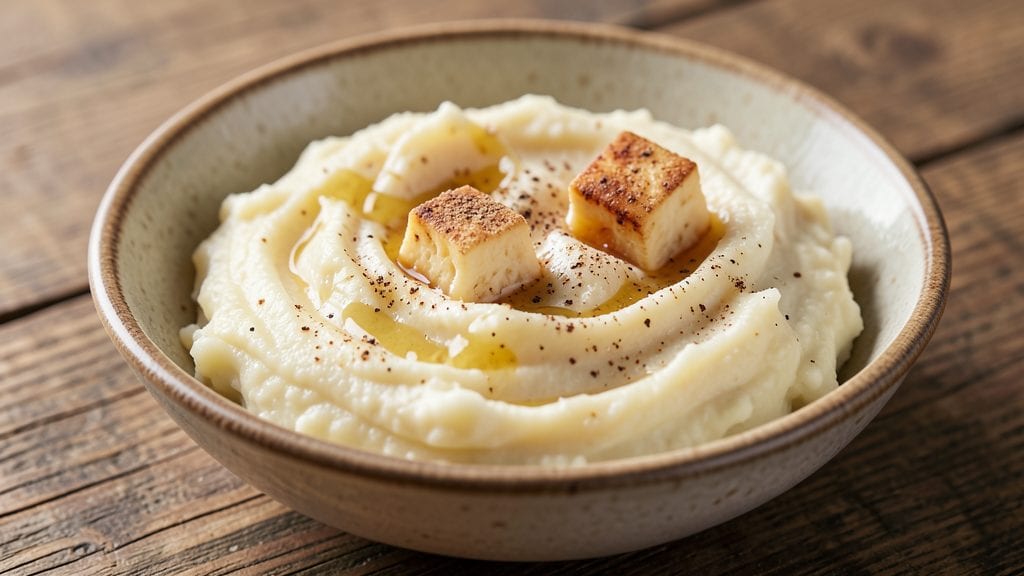
This creamy mashed potatoes recipe with Velveeta cheese transforms a classic side into a luxurious comfort food experience that requires just one pan. The secret lies in blending rich, melted Velveeta directly into warm potatoes for a velvety texture that stays smooth and indulgent.
I developed this method after years of testing—it eliminates lumps, reduces cleanup, and delivers restaurant-quality results with minimal effort.
The beauty of this recipe is its simplicity: five core ingredients come together in 30 minutes or less, yet the flavor is anything but basic. Velveeta's smooth meltability creates a creamy, cheesy base without the need for butter or heavy cream, while garlic powder and onion powder add subtle depth.
The one-pan technique ensures no leftover starch or messy transfers—just perfectly creamy potatoes every time.
What you'll end up with is a bowl of ultra-creamy mashed potatoes where each bite is rich, velvety, and perfectly seasoned—no grainy texture in sight. The Velveeta's mild tang cuts through the potatoes' earthiness, creating a harmonious blend that's both comforting and sophisticated.
This is the kind of side dish that turns ordinary meals into special occasions.
Serve alongside roasted meats, grilled vegetables, or even as a standalone dish—this recipe scales effortlessly for gatherings or solo dinners. The best part? Leftovers reheat beautifully, maintaining that creamy consistency without drying out. Let's get started on this foolproof, one-pan masterpiece.
Ingredients for mashed potatoes with velveeta cheese
Five core ingredients transform humble potatoes into restaurant-quality Velveeta mashed potatoes.
| Ingredient | Amount | Notes |
|---|---|---|
| Russet Potatoes 🥔 | 2 lb | Yukon gold or red potatoes work too |
| Velveeta Cheese 🧀 | 8 oz | Shredded or block preferred |
| Milk 🥛 | ½ cup | Whole milk for creaminess |
| Garlic Powder 🧄 | ½ tsp | Freshly ground preferred |
| Onion Powder 🧅 | ½ tsp | Diamond Crystal preferred |
| Salt 🧂 | ½ tsp | Diamond Crystal kosher salt |
| Black Pepper 🌶️ | ¼ tsp | Freshly ground for best flavor |
| Unsalted Butter 🧈 | 2 tbsp | Full-fat for optimal creaminess |
The Velveeta is the star here, so avoid pre-shredded—it gets clumpy. Block cheese melts most smoothly, and Kraft Velveeta is the original for a reason. Russet potatoes have the highest starch content, ensuring that ultra-creamy texture. If you can't find Russets, Yukon golds work beautifully too, though they'll be slightly less fluffy. For the milk, whole milk delivers the richest results, but 2% works in a pinch. The butter should be cold and cubed when added to prevent premature melting.
No Velveeta? Sharp cheddar mixed with cream cheese gets you close, though the texture won't be quite as velvety. Running short on milk? Heavy cream at half the amount adds richness without thinning the potatoes. The garlic and onion powders are non-negotiable for depth, but if you're feeling fancy, fresh roasted garlic takes this to another level. For the butter, European-style has a higher fat content, which enhances the creaminess. If you're making this ahead, reduce the milk by 1 tbsp to prevent sogginess when reheating.
This recipe reheats beautifully—just add a splash of milk or water when warming. Store leftovers in an airtight container for up to 5 days in the refrigerator, though the flavor peaks within the first 24 hours. For freezing, portion into single-serving containers with a thin layer of milk on top to prevent drying. When reheating from frozen, microwave at half power for even warming, adding extra milk as needed to restore creaminess.
Why You'll Love This Recipe
- No Boil-Over Chaos: I peel and cube potatoes while the coffee brews—no waiting for a giant pot to boil dry. The Velveeta melts in like butter, so you’re not mashing forever with a potato ricer.
- Cheesy Garlicky Magic: That first forkful? Creamy, salty, and just a whisper of garlic—no burnt edges or gluey lumps. The Velveeta keeps it rich without needing heavy cream, and the powders add depth without overpowering.
- Game for Any Night: Toss it under meatloaf, pile it on burgers, or serve it solo with a fried egg. Honestly, I’ve even microwaved leftovers straight from the fridge, and no one judges.
- Leftovers That Don’t Suck: Unlike fluffy mashed potatoes that turn gluey, this stays creamy for days. I double the batch and freeze half—perfect for lazy mornings when I just want something warm and familiar.
Step-by-step instructions for creamy Velveeta mashed potatoes
This method delivers velvety, ultra-creamy mashed potatoes with a perfect balance of rich cheese and smooth texture every time.
Prep and Boil the Potatoes
Begin by thoroughly scrubbing the 2 lb russet potatoes under cold water to remove any dirt. Peel them if desired, then cut into even 2-inch chunks for uniform cooking. Place the potato chunks in a large pot and cover with cold water by about 1 inch.
Add the 0.5 tsp salt to the water as you bring it to a rolling boil. Once boiling vigorously, reduce heat to maintain a gentle simmer. Cook the potatoes for 15-20 minutes until they're fork-tender with no resistance remaining in the center. Drain the potatoes immediately in a colander, shaking gently to remove excess water. This step is critical for achieving that signature creamy texture without watering down the final result.
Create the Cheese Sauce Base
While the potatoes cook, melt the 2 tbsp unsalted butter in a medium saucepan over medium heat. Once melted, whisk in the 0.5 cup milk, bringing it just to a gentle simmer. Reduce heat to low and stir in the 8 oz shredded Velveeta cheese until completely melted and smooth, creating a creamy cheese sauce. Remove from heat and stir in the 0.5 tsp garlic powder, 0.5 tsp onion powder, and 0.25 tsp black pepper. This flavor base will infuse the potatoes with depth while maintaining their natural taste.
Mash to Perfection
Return the drained potatoes to the pot and add the warm cheese sauce mixture. Using a potato masher or ricer, work in batches to achieve a smooth, lump-free texture. For extra creaminess, I recommend using a ricer if available, as it breaks down the potatoes more thoroughly than a masher. The goal is to create a velvety consistency where the sauce fully integrates with the potatoes without any dry spots.
If the mixture appears too thick, add small amounts of warm milk (from the saucepan) to reach your desired creaminess. Conversely, if it's too thin, continue mashing until the starches fully develop. The final texture should be light yet rich, with no visible lumps or liquid separation. This is where the Velveeta truly shines - its meltability creates that signature creamy, almost custard-like quality that sets these apart from traditional mashed potatoes.
Pro Tips For Making Mashed Potatoes With Velveeta Cheese
- BOIL WITH SKIN ON: Russets are stubborn when peeled raw—boil them whole first. The skin acts as a barrier, keeping them from turning to mush. Once fork-tender (about 15-20 minutes), drain and peel while still hot. I learned this the hard way after trying to mash pre-peeled potatoes that collapsed into glue.
- MELT CHEESE LOW AND SLOW: Velveeta’s a soft cheese, and it’ll seize up if you rush it. Warm the milk first, then add the cheese in chunks over low heat, stirring constantly. If it looks grainy, you went too fast—just keep stirring until it’s completely smooth. No one wants lumpy mashed potatoes, even with cheese.
- SALT THE POTATOES FIRST: Season the boiling water like the ocean—1 tablespoon salt per pound of potatoes. This ensures the flesh absorbs flavor before you even start mashing. Skipping this step means bland potatoes no matter how much cheese you add later.
- USE WARM MILK FOR CREAMINESS: Cold milk makes Velveeta fight you. Heat the milk to just below a simmer (160°F) before mixing it in—this helps the cheese blend seamlessly. If you’re in a hurry, microwave it for 30 seconds and stir. Your mash will be silky, not clumpy.
Common mistakes when making this dish
Overcooking Potatoes
One of the biggest mistakes is letting potatoes overcook in the boiling water, which leads to a mushy, dry texture. I’ve seen this happen when people don’t check for doneness at 15-20 minutes—they’ll keep boiling until they’re completely collapsed.
Instead, test with a fork when they’re tender but still slightly firm. Overcooked potatoes release too much starch, making them impossible to fix later, even with extra Velveeta. 🥔
Skipping Drainage
Leaving excess water in the potatoes after boiling is another common error. Many people drain them but don’t shake off the extra moisture, which dilutes the cheese sauce and makes the final texture watery.
After draining, give the potatoes a good shake in the colander to remove as much water as possible. This step is non-negotiable for achieving that ultra-creamy consistency. Trust me, I’ve learned this the hard way!
Adding Cold Cheese
Some recipes call for adding cold Velveeta directly to warm potatoes, but this creates lumps and uneven melting. The cheese needs to be fully melted and smooth before mixing. Always melt the Velveeta with the butter and milk first to create a cheese sauce base.
This ensures the Velveeta integrates seamlessly into the potatoes for a velvety finish. Cold cheese just won’t cut it—it’s a texture disaster waiting to happen. 🧀
Ignoring the Ricer
Using a fork or basic masher can leave your potatoes lumpy, no matter how much you work them. A potato ricer is the secret weapon for achieving that silky-smooth texture. If you don’t have one, a fine-mesh strainer works in a pinch.
The goal is to break down the potatoes into a custard-like consistency, not just mash them into chunks. I’ve tried both methods, and the ricer makes all the difference. 💫
Overmixing After Adding Cheese
Once you’ve incorporated the cheese sauce into the potatoes, resist the urge to overmix. Too much stirring can reintroduce air and make the potatoes grainy or lumpy. Instead, work gently with a masher or ricer in small batches until fully combined.
The cheese should melt into the potatoes smoothly, creating a homogeneous texture. Overworking it just ruins the creamy perfection you’re aiming for.
Using Low-Quality Cheese
Not all Velveeta is created equal, and using pre-shredded cheese is a big mistake. Pre-shredded Velveeta contains anti-caking agents that make it clumpy and difficult to melt smoothly. Always use block cheese—shred it yourself just before melting for the best results.
Kraft’s original Velveeta is the gold standard, but any full-fat, processed cheese will work. Cutting corners here ruins the creamy texture you’re after. 🧈
Nutrition facts
Frequently asked questions
Can I make this recipe without a ricer?
A ricer creates the silkiest texture, but you can still achieve great results with a potato masher or even a fork. For the smoothest consistency, work in batches and press the potatoes through a fine-mesh strainer after mashing. The key is thorough mixing to eliminate any lumps. If you're short on time, a hand mixer on low speed also works well for breaking down the potatoes completely.
How do I prevent my mashed potatoes from getting watery?
Proper drainage is everything! After boiling, shake the potatoes vigorously in the colander to remove excess water. Also, don't overcook them—test for doneness at 15-20 minutes when they're tender but still slightly firm. If your mixture seems too thin, let it sit for 5 minutes before adding more cheese or milk to absorb any excess liquid.
Can I substitute Velveeta with another cheese?
For the best results, stick with Velveeta as it melts smoothly and creates that signature creamy texture. However, you can try a blend of sharp cheddar and cream cheese in a 3:1 ratio for a similar effect. Just remember that the texture won't be quite as velvety, and you may need to adjust the milk quantity to achieve the right consistency.
How far ahead can I make these mashed potatoes?
This recipe reheats beautifully! Store leftovers in an airtight container in the refrigerator for up to 5 days. To reheat, add a splash of milk or water and warm gently on the stove or in the microwave. For freezing, portion into single-serving containers with a thin layer of milk on top to prevent drying. Thaw overnight in the fridge before reheating.
Why does my Velveeta mashed potatoes recipe turn out lumpy?
Lumps usually happen when cold cheese is added directly to warm potatoes or when using pre-shredded cheese. Always melt the Velveeta with butter and milk first to create a smooth sauce base. Also, avoid overmixing after adding the cheese—work gently with a masher or ricer in small batches to maintain that creamy texture.