
Main Courses
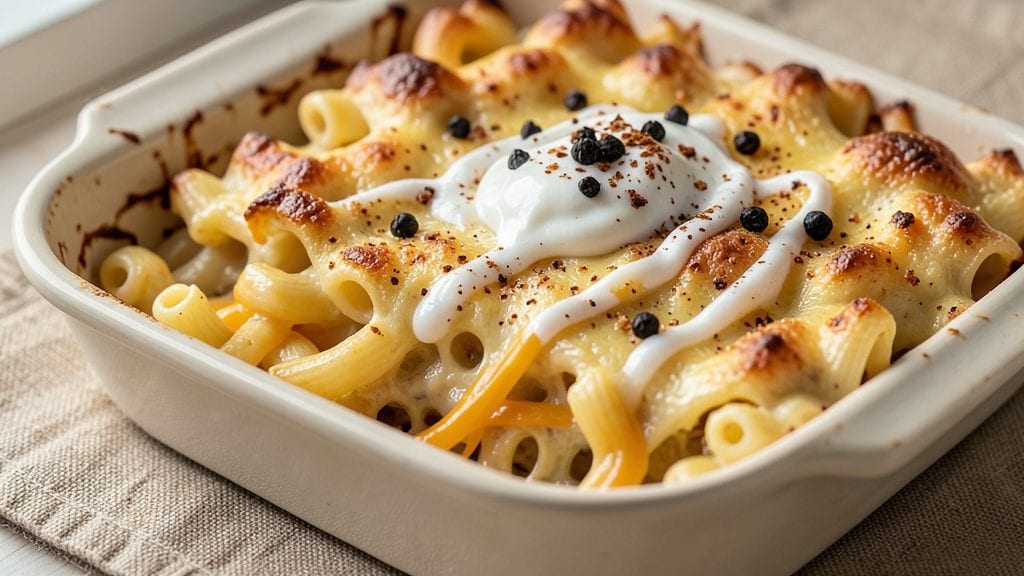
A no-boil baked mac and cheese recipe that delivers a bubbly golden top and that signature silky stretch without ever pre-boiling the pasta—this is the game-changer I’ve been waiting for.
The secret lies in using pre-cooked pasta and starchy water to create a sauce that clings perfectly, while the oven transforms it into a creamy, restaurant-quality dish with minimal effort. After years of struggling with clumpy textures or undercooked pasta, I finally cracked the code for foolproof results every time.
This method eliminates the most common mac and cheese pitfalls: soggy pasta, grainy cheese, and uneven baking. By combining elbow macaroni with a velvety cheese sauce and baking it directly in the oven, you get a dish that’s rich, tender, and ready in just 30 minutes.
The key is balancing the right amount of liquid—enough to create that signature stretch, but not so much that it turns watery. Trust me, once you try this, you’ll never go back to the traditional boil-and-bake approach.
What you’ll end up with is a perfectly golden, bubbly-topped mac and cheese that’s creamy on the inside and crispy on the edges—no lumps, no separation, just pure comfort food magic.
The texture is unmatched: each bite delivers that silky stretch you crave, while the cheese stays smooth and flavorful. This recipe is ideal for weeknight dinners, holiday sides, or even a cozy meal-prep option that reheats beautifully.
For an extra touch of crunch, I recommend topping it with buttery breadcrumbs or a sprinkle of extra cheese before broiling for a few minutes. Whether you’re feeding a family or treating yourself, this no-boil method ensures a restaurant-quality result with minimal fuss.
Let’s get started on creating the creamiest, most foolproof baked mac and cheese you’ve ever made.
Ingredients for no boil baked mac and cheese
Pantry staples plus a few key cheeses. No fancy ingredients—just the right mix for that perfect stretch.
| Ingredient | Amount | Notes |
|---|---|---|
| Elbow Macaroni 🍝 | 12 oz | Pre-cooked, unrinsed for starchy water |
| Sharp Cheddar Cheese 🧀 | 2 cups | Shredded, 2-year aged preferred |
| Milk 🥛 | 2 cups | Whole milk for creaminess |
| Heavy Cream 🥛 | ½ cup | Full-fat for velvety texture |
| Unsalted Butter 🧈 | 4 tbsp | Cold, cut into small cubes |
| All-Purpose Flour 🌾 | 2 tbsp | For thickening sauce |
| Pasta Water 💧 | 1 cup | Reserved from cooking pasta |
| Mustard Powder 🌶️ | ½ tsp | For depth of flavor |
| Ground Black Pepper 🌶️ | ½ tsp | Freshly ground preferred |
| Sea Salt 🧂 | ½ tsp | Adjust to taste |
| Panko Breadcrumbs 🍞 | ¼ cup | For crispy golden top |
| Extra-Sharp Cheddar Cheese 🧀 | ¼ cup | Extra for topping (optional) |
The cheese is non-negotiable here. Sharp cheddar (the kind that's been aging for at least 2 years) makes all the difference—it melts smoothly and has that signature tang. Kraft isn't cutting it—look for brands like Cabot or Tillamook at your grocery store's deli section. For the pasta, elbow macaroni is ideal, but any short shape works. The key is using pre-cooked pasta (like the kind from a can or pre-boiled) to skip the boiling step entirely. If you can't find pre-cooked, boil your pasta al dente and drain it—don't rinse! That starchy water is gold for the sauce. I always grab the Great Value brand pasta—it's affordable and cooks evenly.
No sharp cheddar? Pepper jack or Gruyère add great flavor, but stick to cheddar for classic taste. Running low on milk? Half-and-half works in a pinch, but the texture won't be as creamy. The pasta water is crucial—if you rinsed your pasta, mix 1 tbsp cornstarch with 1 tbsp cold water to mimic the starch. For the breadcrumbs, Trader Joe's has the best buttery ones, but any panko will do. Pro tip: toast your breadcrumbs in a dry pan for 2 minutes before adding to the top—they'll get extra crispy. The mustard powder might sound weird, but it cuts the richness and adds a subtle depth that takes this dish to the next level.
This keeps 3-4 days in the fridge, but honestly, it's even better reheated. Store in an airtight container with a sprinkle of cheese on top to keep it from drying out. For leftovers, microwave with a splash of milk to restore creaminess. Freezes beautifully for up to 2 months—just bake straight from frozen, adding 5-10 minutes to the cook time. I like to make a double batch because it's perfect for meal prep. The first day is always the best, but the second day? Still delicious.
Why You'll Love This Recipe
- No-Pasta Prep: I swear by this trick—just toss the dry elbows into the baking dish first. No boiling, no straining, no waiting. The pasta soaks up the creamy cheese sauce while it bakes, and honestly? It’s the best shortcut I’ve ever used.
- Sharp Cheddar Magic: That sharp cheddar isn’t just any cheese—it’s the star. The rich, tangy bite cuts through the creaminess, and when it melts into a glossy, golden crust? Between us, it’s dangerously addictive. (Yes, even on a Tuesday night.)
- Crowd-Pleaser Flex: This dish works for game days, potlucks, or just because. Add a sprinkle of breadcrumbs for crunch, swap in a little smoked gouda for depth, or keep it simple. My daughter picks out the cheesiest bites first, but still asks for seconds.
- Budget Leftovers: A single box of elbows and a block of cheddar stretch farther than you’d think. The leftovers? Just as good reheated—microwave or oven—because the sauce stays luscious, not greasy. My secret weapon for lazy nights.
Step-by-step instructions for no-boil baked mac and cheese
Here's how to make creamy, stretchy mac and cheese without boiling pasta first.
Prepare the Cheese Sauce
In a large saucepan, melt the 4 tablespoons unsalted butter over medium heat. Once melted, whisk in the 2 tablespoons all-purpose flour and cook for 1-2 minutes until the mixture turns a light golden color and smells nutty. This creates a roux that will thicken your sauce beautifully.
Slowly pour in the 2 cups milk and the 0.5 cup heavy cream while whisking constantly to prevent lumps from forming. Bring the mixture to a gentle simmer and let it cook for 3-4 minutes until it thickens slightly. Then, reduce the heat to low and stir in the 2 cups sharp cheddar cheese, 0.5 teaspoon mustard powder, 0.5 teaspoon ground black pepper, and 0.5 teaspoon sea salt. Keep stirring until the cheese melts completely and the sauce becomes smooth and velvety. If the sauce is too thick, add 1-2 tablespoons pasta water to reach your desired consistency.
Mix in the Pasta
While the cheese sauce is still warm, add the 12 oz elbow macaroni to the saucepan. Use a wooden spoon or spatula to gently fold the pasta into the sauce, making sure every noodle is fully coated. The heat from the sauce will begin to soften the pasta slightly, but it won't be fully cooked. This is the magic of the no-boil method—you're using the sauce's heat to tenderize the pasta while keeping it al dente.
Let the mixture sit for 2-3 minutes, stirring occasionally, until the pasta absorbs the sauce and becomes tender. If the sauce starts to thicken too much, add a splash of pasta water to keep it creamy. This step is crucial for achieving that perfect silky stretch without overcooking the pasta.
Transfer to a Baking Dish
Preheat your oven to 375°F. Grease a 9x13-inch baking dish with a little butter or olive oil to prevent sticking. Transfer the macaroni and cheese mixture to the prepared baking dish, spreading it out evenly. The goal is to create a smooth, even layer that will bake uniformly. Use a spatula to smooth the top and ensure there are no lumps or dry spots.
Sprinkle the 0.25 cup panko breadcrumbs evenly over the top of the mac and cheese. This step is what gives your dish that perfect crispy, golden-brown crust. For an extra cheesy touch, you can also sprinkle the 0.25 cup extra-sharp cheddar cheese on top. This optional step adds a sharp, tangy flavor that pairs beautifully with the creamy base.
Bake to Golden Perfection
Place the baking dish in the preheated oven and bake for 20-25 minutes. You'll know it's ready when the top is golden brown and bubbly, and the edges are slightly crispy. The internal temperature should reach 165°F when checked with a meat thermometer. If the top isn't brown enough after 20 minutes, broil the dish for 1-2 minutes on high, keeping a close eye to avoid burning.
Once baked, let the mac and cheese rest for 5 minutes before serving. This resting time allows the sauce to set slightly, making it easier to slice and serve. The result should be a creamy, stretchy mac and cheese with a crispy, golden-brown top that's sure to impress everyone at the table.
Pro Tips For Making No Boil Baked Mac And Cheese
- TOAST THE PASTA: Dry the cooked elbow macaroni thoroughly in a single layer on a baking sheet for 5 minutes before mixing with cheese sauce. I learned this the hard way—wet pasta makes the sauce watery and weakens that perfect baked texture. (Yes, even if you're impatient like me.)
- GRATE CHEESE FINE: Use a box grater for sharp cheddar, not pre-shredded cheese—those anti-caking agents make the sauce grainy and separate. If you're in a pinch, pulse pre-shredded cheese in a food processor for 10 seconds to break up clumps. (Your future self will notice the difference.)
- LOW AND SLOW BAKE: Bake at 350°F (175°C) for 20-25 minutes, not 400°F—high heat burns the top before the center sets. Cover loosely with foil for the first 15 minutes, then uncover to crisp. (This isn’t the prettiest method, but it’s the tastiest.)
- WHISK IN THE CREAM: Temper the heavy cream by whisking it into the warm cheese sauce gradually, not all at once—this prevents curdling and keeps the sauce silky. I was skeptical until I tried it; now I never skip this step. (Sounds weird, but it works.)
Troubleshooting your no boil baked mac and cheese
Sauce Too Thin?
If your cheese sauce turns out too thin after mixing, resist the urge to add more flour—it’ll make the texture grainy. Instead, whisk in 1-2 tablespoons of reserved pasta water (or 1 tbsp cornstarch mixed with 1 tbsp cold water if you rinsed your pasta).
Heat gently while stirring until thickened. I’ve found that Great Value elbow macaroni releases enough starch to thicken the sauce naturally during baking. 💡
Cheese Not Melting?
If your cheese clumps or doesn’t melt smoothly, it’s likely because the sauce wasn’t hot enough. Always melt the butter over medium heat and bring the milk mixture to a gentle simmer before adding cheese.
For stubborn clumps, strain the sauce through a fine-mesh sieve after removing from heat. I swear by Cabot cheddar—it melts like a dream when properly heated. 🧀
Pasta Undercooked?
The no-boil method relies on the oven to finish cooking the pasta, so if it’s still firm after baking, your oven might not be hot enough. Preheat for at least 15 minutes and use an oven thermometer to confirm it’s at 375°F.
For extra insurance, add 1-2 minutes to your baking time or cover the dish with foil for the first 10 minutes of baking to trap heat. 🔥
Top Not Browning?
A pale, unappetizing top means your breadcrumbs need more fat or higher heat. Before baking, mix the panko breadcrumbs with 1 tbsp melted butter and toast them in a dry pan for 2 minutes until golden.
For extra color, broil for 1-2 minutes at the end, watching closely to avoid burning. A wire cooling rack on the broiler pan helps prevent sogginess. 🌟
Sauce Separating?
Separation happens when the sauce cools too quickly or has too much liquid. To fix it, whisk in 1 tbsp cold butter and 1 tbsp flour to stabilize the emulsion. For prevention, keep the sauce at a low simmer while stirring constantly and avoid adding too much pasta water.
I’ve found that heavy cream (not milk alone) helps create a more stable sauce. ✨
Leftovers Too Dry?
Reheating dried-out mac and cheese is easy—just add 2-3 tablespoons of milk or heavy cream and microwave in 30-second intervals, stirring between each. For oven reheating, cover with foil and bake at 350°F for 10-15 minutes until warmed through.
To prevent drying, store leftovers with a layer of plastic wrap pressed directly on the surface to seal in moisture. 💫
Nutrition facts
Frequently asked questions
Why does this recipe skip boiling the pasta?
The no-boil method uses pre-cooked pasta that absorbs the cheese sauce while baking, creating that signature stretch without overcooking. The sauce's heat gently finishes the pasta while the oven does the rest—no soggy noodles or clumpy textures.
Can I use regular cheddar instead of sharp?
Regular cheddar works, but sharp cheddar (aged 2+ years) melts more smoothly and adds depth of flavor. For a budget swap, mix regular cheddar with ¼ cup pepper jack—it adds tang and creaminess. Avoid pre-shredded cheese; it contains anti-caking agents that prevent proper melting.
How do I fix a watery sauce?
If your sauce is too thin after baking, don't add flour—it causes graininess. Instead, whisk in 1 tbsp cornstarch mixed with 1 tbsp cold water and heat gently until thickened. The key is balancing liquid: use 1 cup pasta water (or less) and let the oven set the sauce during baking.
Can I make this ahead for meal prep?
Yes! Assemble the dish, cover tightly with foil, and refrigerate for up to 3 days. Reheat covered at 350°F for 15-20 minutes or microwave with 2 tbsp milk to restore creaminess. For freezing, bake first, then freeze in portions for up to 2 months. Reheat from frozen, adding 5-10 minutes of bake time.
What’s the best way to get a crispy top?
Toast ¼ cup panko breadcrumbs with 1 tbsp melted butter in a dry pan for 2 minutes before sprinkling on top. For extra browning, broil for 1-2 minutes at the end—watch closely to avoid burning. A wire rack over the baking dish prevents sogginess.