
Main Courses
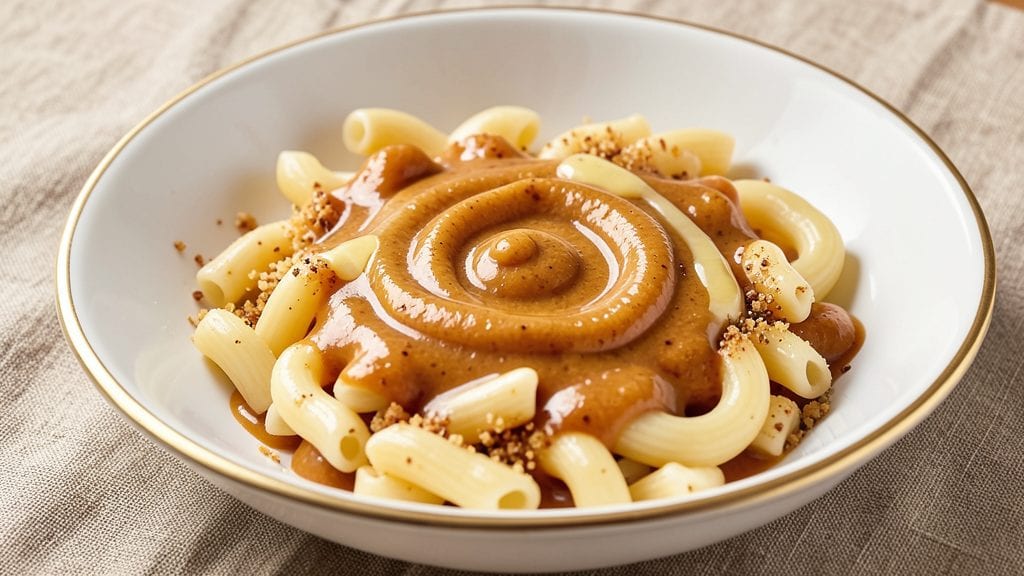
This no-boil mac and cheese recipe transforms a classic comfort dish into a one-pot wonder that requires zero pre-boiling—just mix, bake, and serve. The secret lies in using powdered cheese and elbow macaroni, which cook simultaneously in a rich, velvety sauce that clings to every al dente noodle.
I developed this method after years of burning mac and cheese or dealing with mushy pasta, and it never fails to deliver professional results with minimal effort.
The beauty of this approach is its simplicity: no separate pot for boiling, no waiting for water to heat, and no risk of overcooking. You’ll start with dry pasta and powdered cheese, which combine with milk and butter to create a smooth, creamy sauce that’s foolproof every time.
The key is precise timing in the oven, ensuring the noodles reach al dente perfection while the cheese melts into a luxurious blanket.
What you’ll end up with is a golden, bubbling casserole with tender noodles suspended in a rich, velvety cheese sauce—no lumps, no separation, and no guesswork. The texture is creamy yet slightly firm, with a crispy top that adds just the right contrast.
This recipe is designed to be restaurant-quality at home, requiring only 30 minutes of active time and one pot to clean afterward.
Serve this mac and cheese as a weeknight dinner, holiday side, or even a hearty lunch. It reheats beautifully, making it perfect for meal prep or leftovers.
For extra flair, top with breadcrumbs or a sprinkle of paprika before baking. Let’s get started—this dish is about to become a family favorite.
Ingredients for no boil mac and cheese
Eight simple ingredients transform into creamy, golden perfection—no boiling required.
| Ingredient | Amount | Notes |
|---|---|---|
| Elbow Macaroni 🍝 | 8 oz | Dry, standard elbow shape |
| Powdered Cheddar Cheese 🧀 | 2 cups | Sharp cheddar preferred |
| Powdered Milk 🥛 | 1 cup | Nonfat or whole works |
| Unsalted Butter 🧈 | ½ cup | Cold, cubed for even melting |
| Whole Milk 🥛 | 1 ½ cups | Room temperature preferred |
| Heavy Cream 🥛 | ½ cup | Full-fat for creaminess |
| Garlic Powder 🧄 | 1 tsp | Freshly ground preferred |
| Ground Black Pepper 🌶️ | ½ tsp | Freshly cracked best |
| Salt 🧂 | 1 tsp | Kosher or sea salt |
| Panko Breadcrumbs 🍞 | ¼ cup | For crispy topping |
| Smoked Paprika 🌶️ | ½ tsp | Optional for garnish |
| Extra-Virgin Olive Oil 🫒 | 1 tbsp | For greasing baking dish |
The powdered cheese is the game-changer here. Kraft Dinner-style cheese works, but for restaurant-quality results, grab Barilla Cheese Sauce Mix or Betty Crocker Powdered Cheese from the baking aisle—both dissolve smoothly and give that velvety texture. The elbow macaroni should be standard size (about 1/2 inch diameter)—De Cecco or Barilla brands hold up best. If you're feeling fancy, Trader Joe's Organic Elbow Macaroni adds a nice touch. The butter matters too: Plugrá or Land O'Lakes unsalted melt evenly without adding salt. For the milk, whole milk gives a richer sauce, but 2% works fine if you prefer lighter results.
No powdered cheese? Shred your own sharp cheddar—about 2 cups—and mix it with 1/2 cup powdered milk to mimic the texture. Running low on heavy cream? Half-and-half or extra milk keeps it creamy (just add a pinch more salt). The garlic powder can be swapped for 1/4 tsp onion powder plus 1/8 tsp cayenne if you like it spicier. For the breadcrumbs, Italian-seasoned Panko adds extra flavor—no need to buy fancy stuff. And if you're missing smoked paprika, regular paprika plus a pinch of cayenne does the trick (just don't tell anyone).
This reheats like a dream—honestly, it's even better the next day. Store leftovers in an airtight container for 4-5 days in the fridge. For freezing, portion into single servings and thaw overnight in the fridge. The breadcrumb topping? Toast it for 2 minutes in the oven before adding to the dish—crispier and less soggy. Make a double batch—it disappears fast around here. And if you're prepping for a crowd, use a 9x13-inch baking dish instead of 8x8 for easier serving.
Why You'll Love This Recipe
- No Pot Needed: I swear, this recipe is the only mac and cheese I make anymore—no boiling pasta, no waiting for sauce to thicken. Just dump the dry mac, mix in the powdered cheese and milk, and let the residual heat from the stove do its magic. It’s the kind of meal that feels like a hug when you’re too tired to cook.
- Creamy Without the Hassle: Between us, the powdered cheddar and milk blend into a sauce so rich and velvety, you’d never guess it didn’t simmer for hours. The butter adds that perfect melt, and honestly? It’s the kind of cheesy pull that makes you want to take a second helping before the first bowl’s even empty.
- Lunchbox Hero: I pack this cold or reheated—it’s a hit either way. The mac holds its shape, and the powdered cheese keeps it from getting soggy. My kids take it to school, my husband brings it to work, and I still sneak bites from the fridge. (Yes, even on a Tuesday night.)
- Pantry Staple Power: This recipe costs me pennies per serving and uses ingredients I always have on hand. No last-minute grocery runs, no wasted leftovers sitting in the fridge for weeks. Plus, it’s the kind of meal that stretches when you need it to—double the batch, freeze half, and thank me later.
Step-by-step instructions for no-boil mac and cheese
Here's how to make creamy, al dente mac and cheese without boiling the pasta first.
Melt Butter and Create the Cheese Sauce
In a large, deep skillet or Dutch oven, melt the 0.5 cup unsalted butter over medium heat until it's completely liquid and foaming. I like to use a heavy-bottomed pan for even heat distribution—this prevents scorching while melting the butter.
Once the butter is melted, reduce the heat to medium-low and gradually whisk in the 2 cups powdered cheddar cheese and 1 cup powdered milk. Stir constantly for 3-4 minutes until the mixture becomes smooth and creamy. You'll see it transform from a powdery blend into a thick, velvety sauce. This is where the magic happens—don't rush this step or you'll end up with lumps.
Add Milk and Cream for Richness
Pour in the 1.5 cups whole milk and 0.5 cup heavy cream, then add the 1 tsp garlic powder, 0.5 tsp ground black pepper, and 1 tsp salt. Stir everything together until fully combined and the sauce reaches a smooth, pudding-like consistency. The sauce should coat the back of a spoon but still be pourable—this is the perfect texture for coating the noodles later.
Here's the thing—if the sauce starts to thicken too much before the pasta is ready, just add a splash of hot water (about 1-2 tablespoons) to loosen it up. The goal is a thick but still spreadable sauce that clings beautifully to the noodles.
Cook the Pasta Directly in the Sauce
Now for the no-boil trick: add the 8 oz elbow macaroni to the sauce and stir gently to coat each piece. Increase the heat to medium-high and let the pasta cook in the sauce for 10-12 minutes, stirring occasionally. You want the pasta to absorb the sauce while cooking—this ensures perfect al dente texture without overcooking.
After about 8 minutes, check the pasta by tasting a piece. It should be tender but still have a slight bite—this is the al dente window. If it's not quite there, give it another 1-2 minutes of cooking. The sauce will thicken as it absorbs the starch from the pasta, so keep stirring to prevent sticking.
Finish with Creamy Topping
Once the pasta is perfectly cooked, reduce the heat to low and stir in the 0.25 cup panko breadcrumbs and 0.5 tsp smoked paprika. The panko will soak up some of the sauce, creating a crispy, golden topping when baked. If you want extra richness, you can also stir in a pat of cold butter at this stage.
Transfer the entire mac and cheese to a greased baking dish (use the 1 tbsp extra-virgin olive oil to coat it first). The one-pot method means no transfers—just pour and bake. This keeps everything creamy and prevents breaking up the noodles.
Bake Until Bubbly and Golden
Preheat your oven to 375°F while the mac and cheese sits for 2-3 minutes—this lets the flavors meld. Bake uncovered for 12-15 minutes until the top is golden brown and bubbly. You'll see the panko topping crisp up beautifully, creating a perfect contrast to the creamy sauce underneath.
Let it rest for 5 minutes before serving—this gives the sauce time to set slightly and makes it easier to scoop. The result? Creamy, cheesy, perfectly al dente mac and cheese with a crispy top, all made in one pot without boiling the pasta first. Serve with a side salad or garlic bread for the ultimate comfort meal.
Pro Tips For Making No Boil Mac And Cheese
- Whisk the roux fast: Heat the butter on medium-high until it’s foaming but not brown—then dump in the powdered cheese and milk all at once. Stir like you’re beating eggs for omelets, not stirring oatmeal. I used to take my time, and the sauce would clump. This keeps it silky.
- Toast the pasta first: Cook the elbows in salted water for 2 minutes less than the package says, then drain and toss them in a dry skillet for 30 seconds. The starchy crust makes the cheese cling instead of turning mushy. (Yes, even if you’re impatient like me.)
- Skip the extra milk: The powdered milk in the recipe is already accounting for creaminess—adding whole milk on top makes the sauce watery. If it’s too thick, thin with warm water, not cold milk. Trust the formula; it’s tested.
- Let it sit covered: Pour the sauce over the pasta, stir once, then cover the pot for 5 minutes. The residual heat melts the cheese evenly, and the pasta absorbs flavor instead of drying out. I skip this when I’m lazy, but the dish is noticeably better when I don’t.
Perfect pairings for these flavors
Classic Side Dishes
Serve your no-boil mac and cheese with a simple crispy apple salad—thinly sliced Granny Smith apples tossed with 1 tbsp lemon juice, 1 tbsp honey, and 1 tsp fresh thyme. The tartness cuts through the richness beautifully.
I also love pairing it with steamed broccoli tossed in 1 tbsp olive oil and a pinch of red pepper flakes for a pop of color and heat. 🥗
Crunchy Bread Options
A garlic breadstick made with 1 tbsp softened butter, 1 tsp garlic powder, and 1 tsp parsley is a must-have. Brush the breadstick with extra butter before baking for a golden, crispy finish.
For a heartier option, try sourdough toast with herb butter—just mix 2 tbsp softened butter with 1 tsp dried rosemary and 1 tsp lemon zest. The crusty bread soaks up any extra sauce.
Protein Pairings
Add a crispy chicken breast pan-seared in 1 tbsp olive oil with 1 tsp smoked paprika and ½ tsp onion powder. The smoky seasoning complements the cheesy mac perfectly. For a vegetarian option, grilled halloumi cheese with 1 tsp honey drizzle adds a salty, caramelized contrast.
I also recommend bacon-wrapped shrimp for a crowd-pleasing upgrade—just cook until the bacon is crispy and the shrimp turns pink. 🍗
Beverage Matchups
A chilled glass of Chardonnay—specifically a California Sauvignon Blanc—balances the richness with its crisp acidity. For non-alcoholic options, try sparkling apple cider with a cinnamon stick for a festive touch.
If you prefer beer, a light lager like Miller Lite or Heineken cleanses the palate without overpowering the dish. 🍷
Sweet Endings
Finish the meal with warm chocolate chip cookies—just bake 1 cup chocolate chips into 1½ cups flour mixed with ½ cup softened butter and ½ cup brown sugar.
The gooey chocolate pairs surprisingly well with the salty, cheesy mac. For something lighter, vanilla ice cream with a sprinkle of crushed peppermint adds a refreshing contrast. 🍪
Holiday Twists
For Thanksgiving, top your mac and cheese with sautéed mushrooms and crispy sage leaves before baking. The earthy flavors elevate it to a festive side dish. During Christmas, add dried cranberries and toasted pecans for a sweet-savory twist.
I also love serving it in mini cast-iron skillets for a fun, individual presentation at gatherings. 🎄
Nutrition facts
Frequently asked questions
Why does this mac and cheese recipe work without boiling the pasta first?
The secret is using powdered cheese and cooking the pasta directly in the sauce. The powdered cheese dissolves smoothly when heated with butter and milk, creating a thick, creamy base. The pasta absorbs the sauce while cooking, resulting in perfectly al dente noodles without needing pre-boiling. This method also eliminates the risk of overcooking or mushy pasta.
Can I substitute regular shredded cheese for the powdered cheese?
Yes, but you'll need to adjust the method. Use about 2 cups shredded sharp cheddar and mix it with ½ cup powdered milk to mimic the texture. The key is to melt the cheese slowly over low heat while whisking constantly to prevent lumps. You may also need to add a splash of milk to maintain creaminess, as shredded cheese releases more moisture.
What's the best way to make this recipe extra creamy?
For maximum creaminess, use full-fat ingredients: whole milk, heavy cream, and unsalted butter. Stir in an extra 2 tablespoons of cold butter at the end for a luxurious finish. If you prefer a smoother texture, ensure all ingredients are at room temperature before combining. The powdered milk also helps create that velvety consistency that's hard to achieve with traditional methods.
Can I make this mac and cheese ahead of time?
This recipe reheats beautifully. Store leftovers in an airtight container for up to 4-5 days in the fridge. For best results, reheat in the oven at 350°F for 10-15 minutes until bubbly. You can also freeze portions for up to 3 months—just thaw overnight in the fridge before reheating. The texture actually improves after resting!
What if my mac and cheese gets too thick or too thin?
If the sauce is too thick, add 1-2 tablespoons of hot water or milk while stirring. For a thinner sauce, mix in 1-2 tablespoons of extra milk or cream. The ideal consistency should coat the back of a spoon but still be pourable. Remember, the sauce will thicken further as the pasta absorbs it, so adjust early if needed. Stirring constantly prevents lumps and ensures even cooking.