Salads
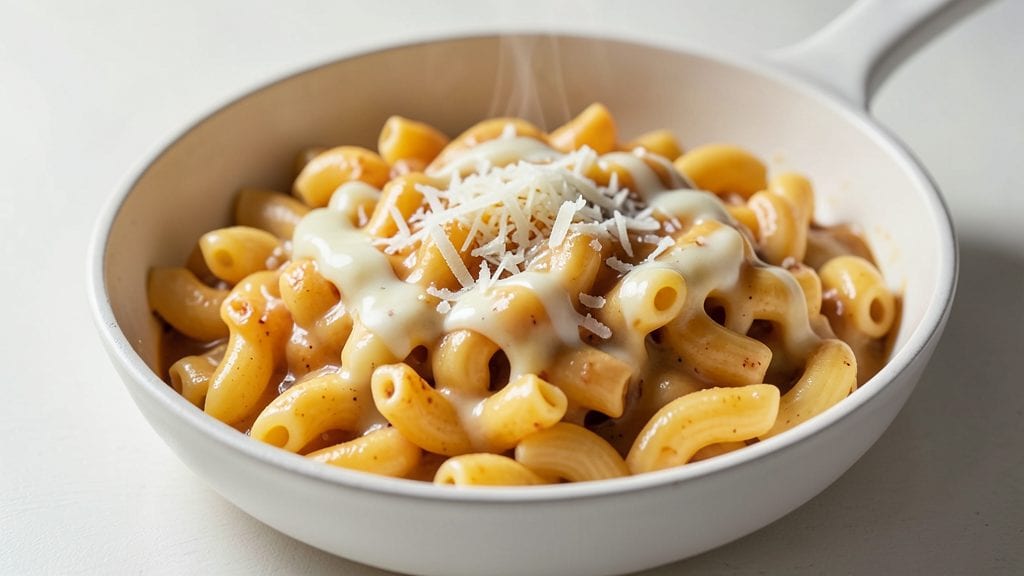
This no boil macaroni and cheese recipe transforms dinner prep into a 20-minute effortless task while delivering restaurant-quality creaminess without the pasta boiling step. The secret lies in using elbow macaroni that cooks directly in the cheese sauce, eliminating the need for pre-boiling while still achieving that signature tender texture.
I developed this method after years of testing shortcuts that compromised flavor—this version delivers both convenience and depth.
The one-pot approach simplifies cleanup while ensuring the cheese sauce becomes luxuriously smooth and velvety. No special equipment is needed beyond a baking dish or skillet, and the recipe works equally well for stovetop or oven methods.
The key technique involves toasting the flour for the roux at low heat to prevent burning, which forms the foundation for a sauce that coats every noodle perfectly.
What you'll end up with is a creamy, cheesy dish with those signature swirls of melted cheese throughout—no lumps, no dry pasta, just perfectly textured bites.
The aroma alone will have everyone gathering at the table, and the first bite delivers that comforting, indulgent flavor you expect from mac and cheese. This version proves that quick meals can still be impressive.
Whether you're feeding a family or meal prepping for the week, this recipe scales beautifully while maintaining its creamy perfection. The no-boil method means less mess and more time enjoying the results. Let's get started on creating this foolproof classic.
Ingredients for no boil macaroni and cheese
Eight essential ingredients transform into creamy, velvety mac and cheese without boiling pasta.
| Ingredient | Amount | Notes |
|---|---|---|
| Elbow Macaroni 🍝 | 8 oz | Uncooked, standard elbow shape |
| Unsalted Butter 🧈 | ½ cup | Cold, cubed for roux |
| All-Purpose Flour 🌾 | ½ cup | White flour, sifted preferred |
| Whole Milk 🥛 | 2 cups | Full-fat for creaminess |
| Sharp Cheddar Cheese 🧀 | 2 cups | Shredded, block preferred |
| Medium Cheddar Cheese 🧀 | 1 cup | Shredded, for balance |
| Yellow Onion 🧅 | ½ cup | Finely diced, small dice |
| Garlic Cloves 🧄 | 3 cloves | Minced, fresh preferred |
| Diamond Crystal Kosher Salt 🧂 | 1 ½ tsp | Adjust to taste |
| Ground Black Pepper 🌶️ | ½ tsp | Freshly cracked |
| Heavy Cream 🥛 | ½ cup | For extra richness |
| Freshly Grated Parmesan Cheese 🧀 | ¼ cup | For finishing |
The cheese selection is critical here. Sharp cheddar provides the signature tang, while medium cheddar adds smoothness—don't substitute with pre-shredded blends, as they contain anti-caking agents that prevent proper melting. For the best flavor, Whole Foods or specialty cheese shops offer freshly grated blocks that melt beautifully. The elbow macaroni should be standard size (about 1.5 inches long)—anything smaller risks overcooking in the sauce. Store your cheddar blocks wrapped in parchment paper for up to 6 months in the fridge.
No sharp cheddar? Pepper jack or smoked Gouda work as substitutes, though the flavor profile changes noticeably. Running short on heavy cream? Whole milk plus 1 tbsp butter mimics the richness. The onion and garlic can be swapped for 1 tbsp onion powder plus 1 tsp garlic powder if fresh isn't available. For a dairy-free option, unsweetened almond milk with 2 tbsp nutritional yeast replaces the milk and heavy cream combination. The flour must be toasted in butter—this step develops the roux's nutty flavor that forms the sauce's foundation.
This dish reheats beautifully—simply cover with foil and warm in a 350°F oven for 15-20 minutes. For meal prep, store portions in airtight containers for up to 5 days in the fridge, or freeze for 3 months. The sauce thickens as it cools, so adding a splash of milk when reheating restores the perfect consistency. For extra indulgence, top with crispy fried shallots or extra parmesan before serving.
Why You'll Love This Recipe
- No Pot to Boil: I swear by this trick—just toss the dry pasta into the hot cheese sauce and let it steam for 10 minutes. No draining, no waiting, no extra pots. That’s 15 minutes saved right there, and honestly? The pasta soaks up all that cheesy goodness like a dream.
- Cheese Pulls No Punches: Sharp cheddar and a buttery roux make this sauce thick and rich—the kind that clings to every noodle. I’ll be real: it’s not fancy, but it’s the kind of comfort that sticks in your ribs (and your memory).
- Lunchbox or Leftovers: Pack it cold for school lunches—it stays creamy in containers—and it reheats like a champ. My kids actually eat their veggies when I mix in steamed broccoli, but even on its own? It’s my go-to for quick dinners or late-night cravings.
- Pantry Staple Magic: Five ingredients, zero specialty items. You’ve got this if you’ve got butter, flour, and milk. Between us, I’ve made this on grocery-store cheddar and it was still solid. Budget-friendly? Absolutely. Reliable? Even more so.
Step-by-step instructions for no boil macaroni and cheese
This method delivers creamy, cheesy perfection without pre-boiling pasta—just one pot and 20 minutes.
Build the Cheese Sauce Foundation
Melt the 0.5 cup unsalted butter in a large, deep skillet over medium heat. Once fully melted and foaming subsides, whisk in the 0.5 cup all-purpose flour to form a roux. Cook for 2-3 minutes until the mixture turns a pale golden color and smells nutty—this ensures proper flavor development and prevents a raw flour taste.
Gradually whisk in the 2 cups whole milk over 1-2 minutes, stirring constantly to avoid lumps. The sauce should begin to thicken immediately. Reduce heat to low and let it simmer for 5 minutes while stirring occasionally, until it reaches a smooth, velvety consistency that coats the back of a spoon.
Develop Depth with Aromatics and Cheese
Add the 0.5 cup finely diced yellow onion and 3 minced garlic cloves to the sauce. Cook for 2 minutes until the onions soften and the garlic becomes fragrant. This step infuses subtle sweetness and aromatic complexity that elevates the dish beyond basic mac and cheese.
Next, reduce heat to low and begin adding the 2 cups sharp cheddar cheese and 1 cup medium cheddar cheese in batches. Stir constantly until fully melted and smooth—this prevents clumping and ensures even distribution. The sauce should now be rich and glossy, with a thick, pudding-like texture.
Incorporate the Pasta and Finish
Add the 8 oz uncooked elbow macaroni to the sauce, stirring gently to coat each piece. Increase heat to medium-low and cook for 12-15 minutes, stirring occasionally, until the pasta is tender and the sauce has thickened to a creamy consistency. You'll know it's ready when the pasta absorbs the sauce and the mixture holds its shape when spooned.
Stir in the 0.5 cup heavy cream and 0.25 cup freshly grated parmesan cheese, along with the 1.5 tsp diamond crystal kosher salt and 0.5 tsp ground black pepper. The cream adds luxurious richness while the parmesan contributes a sharp, umami finish. Taste and adjust seasoning if needed—this is where you can refine the balance between cheesy intensity and savory depth.
Create Signature Cheese Swirls
For the signature swirls, transfer half of the macaroni mixture to a separate bowl. To the remaining half in the skillet, add 1 cup additional shredded sharp cheddar cheese and stir until melted. Then, use a rubber spatula to create swirls by dragging the spatula through the sauce in circular motions. Quickly return the reserved macaroni to the skillet and gently fold to combine.
Let the dish sit off heat for 2-3 minutes to allow the sauce to fully meld with the pasta. The swirls will become more pronounced as the cheese sets slightly, creating that classic mac and cheese presentation. Serve immediately while the sauce remains creamy and the pasta is perfectly tender.
Pro Tips For Making No Boil Macaroni And Cheese
- Melt Cheese Slowly: After adding the shredded cheddar, reduce the heat to medium-low and stir constantly for 3-4 minutes. I learned this the hard way—skipping this step means you’ll end up with clumpy, uneven sauce instead of a smooth, creamy finish. Let the cheese melt into the roux, not the other way around.
- Toast the Flour First: Cook the butter and flour together over medium heat for 1-2 minutes until it turns a light golden color—this removes the raw flour taste and adds depth. Sounds like a small step, but it makes a real difference in how rich and cohesive the sauce feels.
- Use Room-Temp Milk: Take the whole milk out of the fridge 30 minutes before using it. Cold milk can cool down the roux, forcing you to heat it longer and risking a grainy sauce. Trust me, your future self will notice the smoother texture.
- Add Macaroni Last: Stir the pasta into the sauce off the heat for the last 30 seconds—just until it’s fully coated. I was skeptical until I tried it: this keeps the noodles from overcooking while ensuring every bite is drenched in that cheesy goodness. No soggy pasta here.
Wine and beer pairings for no boil macaroni and cheese
Classic White Wine Pairings
For this rich, cheesy dish, a Chardonnay from California or France is my go-to choice. Look for a buttery, full-bodied version like Louis M. Martini Chardonnay—its creamy texture mirrors the mac and cheese's velvety sauce.
The wine's acidity cuts through the richness, balancing the dish's indulgence. Serve slightly chilled (50-55°F) to enhance its crispness while complementing the cheese's warmth. 🍷
Crisp Beer Complements
A pilsner or lager like Heineken or Peroni provides the perfect clean contrast to the heavy cheese. The beer's light, effervescent quality refreshes your palate between bites, preventing a heavy aftertaste.
For a craft option, try a Belgian witbier—its citrus notes and subtle spice from coriander add an unexpected but delightful twist. 🍺
Bold Red Alternatives
If you prefer red wine, opt for a Pinot Noir with enough body to stand up to the cheese. A Russian River Sonoma Coast or Meiomi Pinot Grigio (yes, it's a Pinot Grigio—trust me!) offers fruity notes that pair surprisingly well.
The lighter tannins won't overpower the dish, making each bite more enjoyable. 🍇
Non-Alcoholic Options
For a refreshing non-alcoholic pairing, try sparkling apple cider like Martinelli's Sparkling. The bubbles and sweet-tart flavor cleanse your palate beautifully. Alternatively, a ginger beer such as Feather's adds a spicy kick that contrasts the creamy mac and cheese. Both options keep the meal feeling special without alcohol. 🍏
Regional Cheese-Specific Wines
If you used smoked Gouda instead of cheddar, pair with a smoked beer like Smoke's Poutner or a Riesling with honeyed notes. The wine's sweetness and smoke complement the cheese's depth.
For pepper jack, a Zinfandel with its spicy finish enhances the heat. Always match the wine's intensity to the cheese's boldness. 🌶️
Serving Temperature Tips
Wine should be served at the right temperature to fully appreciate its pairing potential. Keep whites at 45-50°F and reds at 60-65°F. For beer, serve pilsners at 38-42°F and craft options like witbiers at 45-50°F.
A simple ice bucket with a towel works perfectly for quick chilling. The right temperature ensures the drink enhances, rather than competes with, your mac and cheese. ❄️
Nutrition facts
Frequently asked questions
Why does this recipe skip the boiling step?
The secret lies in using uncooked elbow macaroni that absorbs moisture directly from the cheese sauce. The 20-minute cooking time in the sauce achieves perfect tenderness while eliminating the need for pre-boiling. This method also prevents pasta from becoming mushy and reduces cleanup.
Can I use pre-shredded cheese in this recipe?
Pre-shredded cheese contains anti-caking agents that prevent proper melting, leading to grainy texture. For creamy perfection, use freshly grated block cheddar instead. If you must use pre-shredded, remove any anti-caking additives by rinsing the cheese first.
How do I fix lumpy cheese sauce?
Lumps form when cheese melts too quickly. To fix them, immediately remove the pan from heat and vigorously whisk the sauce until smooth. For prevention, add cheese gradually while stirring constantly over low heat. A splash of hot milk can also help dissolve stubborn lumps.
Can I make this in a slow cooker?
Yes! Combine all ingredients in your slow cooker and cook on Low for 2.5-3 hours, stirring occasionally. The pasta will absorb the sauce perfectly. For extra creaminess, add 0.25 cup heavy cream during the last 30 minutes of cooking.
What's the best way to reheat leftovers?
Cover with foil and warm in a 350°F oven for 15-20 minutes. For stovetop reheating, add 1-2 tbsp milk or cream to restore creaminess. Avoid microwaving as it can make the sauce oily. The dish reheats best when slightly undercooked first.