
Appetizers
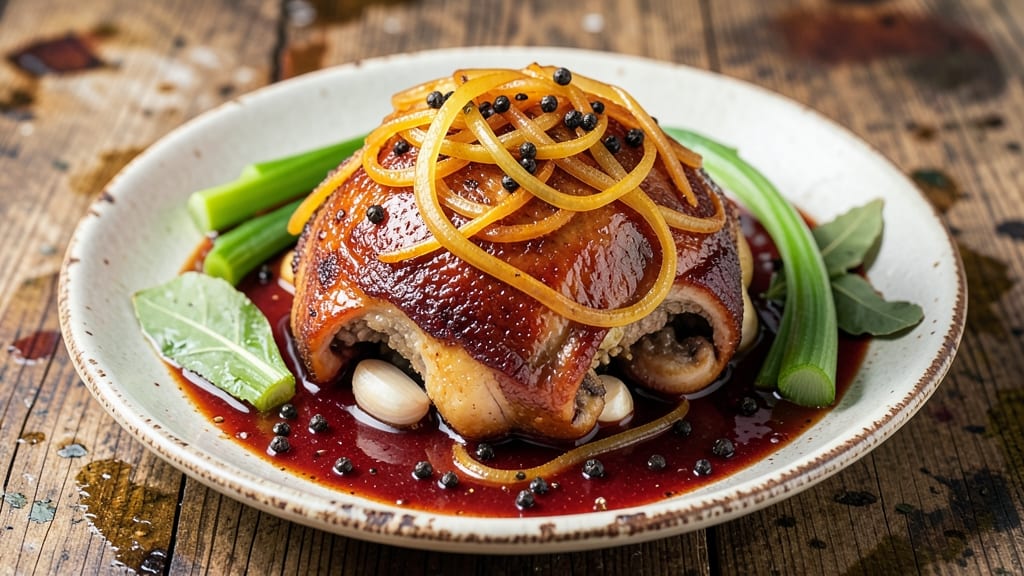
This old-fashioned hog head cheese recipe brings Southern tradition to your table with its perfect balance of creamy tang and satisfying crunch. The dish transforms pork head into a rich, flavorful spread that’s been a staple at family gatherings and farmhouse kitchens for generations.
What makes it special is the slow simmering process that develops deep, savory notes while keeping the crackers or bread perfectly crisp.
The recipe begins with carefully seasoned pork head, simmered until tender, then blended into a smooth, velvety consistency. The key to success lies in patience—allowing the flavors to meld over time creates that signature creamy texture with just the right amount of bite.
This isn’t your average appetizer; it’s a labor of love that delivers restaurant-quality results with a rustic charm.
By the time you serve it, you’ll have a dish that’s rich, aromatic, and impossible to resist—each bite offering a mix of tender pork, creamy tang, and the satisfying crunch of toasted crackers.
Perfect for holiday spreads, potlucks, or cozy family dinners, this recipe brings a piece of Southern heritage to your kitchen. Let’s get started on this timeless classic.
Historically, hog head cheese was a way to use every part of the animal, making it both practical and delicious. Regional variations might include different seasonings or serving styles, but the core technique remains the same.
Whether you’re a seasoned cook or trying this for the first time, the result is always worth the effort.
Ingredients for old fashioned hog head cheese
Six ingredients transform humble pork head into creamy Southern comfort. Rustic flavors meet modern convenience here.
| Ingredient | Amount | Notes |
|---|---|---|
| Pork Head 🐖 | 1 whole | Fresh, cleaned and trimmed |
| Yellow Onion 🧅 | 1 whole | Medium size, sliced |
| Garlic Cloves 🧄 | 4 cloves | Fresh, peeled and smashed |
| Celery Stalks 🥬 | 3 whole | Fresh, chopped into 1-inch pieces |
| Bay Leaves 🌿 | 2 whole | Dried, standard size |
| Black Peppercorns 🌶️ | 1 tbsp | Freshly cracked |
| Salt 🧂 | 1 ½ tsp | Kosher or sea salt |
| Apple Cider Vinegar 🍎 | ½ cup | For tangy flavor |
| Whole Milk 🥛 | 2 cups | Full-fat for creaminess |
| Butter 🧈 | ½ cup | Unsalted, cubed |
| Rice Vinegar 🍶 | 2 tbsp | For subtle tang |
| Saltine Crackers 🍞 | 24 whole | For serving, lightly toasted |
| Fresh Parsley 🌿 | ¼ cup | Chopped, for garnish |
The pork head is the star, so pick one from a trusted butcher—ask for a fresh, cleaned cut. Costco or local farms often have them in season. If you can't find a whole head, pork shoulder or neck bones work too, but simmer longer. Look for bright pink meat with minimal fat—this ensures tender results. The onions, celery, and garlic form the aromatic base, so don't skimp on freshness. Trader Joe's has pre-chopped mirepoix mixes that save time. For bay leaves, grab a small box from Penzeys—they stay potent for years.
No apple cider vinegar? White vinegar or lemon juice works in a pinch, but the cider adds that classic Southern tang. Whole milk can be swapped for heavy cream at half the amount if you want extra richness. Running low on saltine crackers? Water crackers or toasted baguette slices make great alternatives. The parsley is just for garnish, so dried works too—just use half the amount. For extra depth, add a dash of smoked paprika to the simmering broth. And trust me, skip the pre-shredded cheese—it won't melt right.
This keeps beautifully in the fridge for up to 1 week in an airtight container. For longer storage, freeze portions for up to 3 months. I like to portion it into small jars so I can grab one for holiday gatherings. The crackers stay crisp if stored separately in a sealed bag. Garnish with parsley right before serving—it brightens up the creamy texture. Leftovers reheat perfectly in the microwave, just stir in a splash of milk to restore creaminess.
Why You'll Love This Recipe
- Simply Simmered: I swear by this slow-cook method—just toss the pork head, onions, celery, and garlic into a pot with water and bay leaves, then let it melt into flavor while you do laundry or answer emails. No chopping, no fuss, just pure hands-off magic.
- Garlic Bomb Flavor: That crispy, caramelized edge on the meat? It’s all thanks to the garlic and onions browning at the bottom of the pot. Between us, the first bite makes me close my eyes—it’s like a hug in food form, especially when you scrape up those golden bits.
- Tailgate Legend: Honestly, this is my go-to for game days, potlucks, or when my dad-in-law shows up unannounced. Serve it sliced thick on crusty bread with a cold beer, and suddenly you’re the hero of the spread. (Yes, even on a Tuesday night.)
- Budget-Friendly Feast: Pork head is dirt cheap compared to other cuts, and one recipe stretches into sandwiches, tacos, or fried slices for days. My college roommate and I lived on this stuff—it’s the kind of meal that makes you feel like you’re feeding an army without breaking the bank.
Step-by-step instructions for old fashioned hog head cheese
Here's how to transform humble ingredients into a creamy, tangy masterpiece with Southern charm.
Prepare the Pork Head and Aromatics
Begin by thoroughly cleaning the pork head under cold running water, removing any remaining hair or debris. Place it in a large stockpot and cover with 8 quarts of cold water. Add the sliced yellow onion, smashed garlic cloves, chopped celery stalks, bay leaves, black peppercorns, and 1.5 teaspoons of salt. Bring to a boil over high heat, then immediately reduce to a gentle simmer.
Skimming any foam that rises to the surface is crucial—this ensures a clear, flavorful broth. Let the mixture simmer uncovered for 4-5 hours, maintaining a gentle bubble. You'll know it's ready when the meat easily separates from the bone and the liquid has reduced by about one-third. This long cook extracts maximum flavor and tenderness from the pork head.
Strain and Build the Creamy Base
Carefully strain the cooked pork mixture through a fine-mesh sieve, pressing gently on the solids to extract all the liquid. You should have about 4 cups of rich pork broth. Return this to the pot and stir in the 0.5 cup of apple cider vinegar and 2 cups of whole milk. Bring to a simmer over medium heat, then reduce to low heat and let it cook gently for 15 minutes to blend flavors.
While the broth simmers, melt the 0.5 cup of butter in a separate saucepan over low heat until completely liquid. Slowly whisk this into the pork mixture, allowing it to incorporate smoothly. The butter adds luxurious creaminess that defines this classic cheese. Taste and adjust seasoning with additional salt if needed—this is where the true character develops.
Shred and Combine with Creamy Mixture
Remove the pork from the bones and shred it finely using two forks. You'll want the meat to be completely broken down—think of it like pulled pork consistency. Return this shredded pork to the pot with the broth mixture and stir in the 2 tablespoons of rice vinegar. Let the entire mixture simmer together for 10 minutes, allowing the flavors to meld completely.
Here's the thing—this is where the magic happens. The vinegar brightens the richness of the milk and butter, creating that perfect balance of creamy and tangy that makes hog head cheese so special. Keep stirring occasionally to prevent sticking, and watch as the mixture transforms into a velvety, spreadable consistency. The final texture should be thick enough to hold its shape when spooned but still smooth and creamy.
Finish and Serve with Crunch
Transfer the hog head cheese mixture to a serving bowl and let it cool slightly. The 0.25 cup of chopped fresh parsley should be stirred in last—this adds a fresh brightness that cuts through the richness. For serving, lightly toast the 24 saltine crackers until they're just crisp. The contrast between the creamy cheese and crisp crackers is what makes this dish so satisfying.
Serve immediately while warm, or chill for up to 4 hours if you prefer it slightly cooler. The cheese will firm up slightly when chilled but still maintain that luxurious creaminess. Each bite should deliver a perfect marriage of tender pork, velvety milk, and that signature tangy kick. This is comfort food at its finest—simple ingredients transformed into something truly special.
Pro Tips For Making Old Fashioned Hog Head Cheese
- SCORE THE PORK HEAD: Use a sharp knife to make deep crosshatch marks on the pork head—about ¼-inch deep. This isn’t just for looks; it lets the onions, garlic, and celery seep into the meat while it simmers, so every bite gets that rich, layered flavor instead of just surface seasoning.
- COOK THE ONIONS FIRST: Sauté the diced yellow onion in a dry pot until it’s deep golden, almost caramelized, before adding any liquid. I used to rush this step, and the finished cheese tasted flat—those onions are the backbone of the flavor, so give them 8-10 minutes to develop.
- SKIP THE BOIL-OVER: Once the pork head is submerged, reduce heat to a gentle simmer—no rolling bubbles. I learned this after watching my first batch turn into a greasy mess on the stove. A steady, quiet simmer keeps the broth clear and the meat tender without turning it to mush.
- STRAIN THE BROTH: After simmering, strain the broth through a fine-mesh sieve or cheesecloth to remove all the solids. The old-fashioned version is supposed to be smooth, and skipping this step leaves behind gritty bits that ruin the texture—worth the extra 5 minutes of effort.
Make-ahead tips for leftovers
Prep Ahead for Simmering
The pork head requires 4-5 hours of simmering, so I recommend starting this process the night before. After cleaning the pork head, place it in the stockpot with aromatics and cold water, then refrigerate overnight.
This cold soak helps extract more flavor and reduces cooking time by 30-45 minutes the next day. Simply bring to a simmer in the morning and continue cooking as directed. 🌡️
Creamy Base Prep
Make the creamy milk-butter base up to 2 days in advance and store it in an airtight container in the fridge. The flavors deepen as it sits, and the texture becomes even smoother.
When ready to assemble, just reheat the mixture gently over low heat and stir in the shredded pork. This step saves you from last-minute scrambling on serving day.
Cracker Prep Shortcut
Toast your 24 saltine crackers ahead of time and store them in a sealed container with a piece of bread or paper towel to keep them crisp. I like to arrange them on a wire rack in a 200°F oven for 5-7 minutes until golden.
This ensures they stay crunchy even when served alongside the warm cheese. 🍞
Portioning for Parties
For gatherings, divide the finished hog head cheese into 8-ounce portions in small jars or ramekins. Chill until firm, then cover with plastic wrap pressed directly on the surface to prevent a skin from forming.
This makes serving effortless—just grab and go. The cheese can be stored this way for up to 5 days in the fridge.
Freezer-Friendly Strategy
Freeze the creamy base (without crackers) in 1-cup portions for quick meals. Thaw overnight in the fridge, then reheat gently with a splash of milk to restore creaminess.
The texture remains velvety after freezing if you avoid adding butter until reheating. Label containers with dates—this keeps track of storage time easily. ✨
Garnish Last Minute
Always add the chopped parsley just before serving to preserve its vibrant color and fresh flavor. Store it separately in a small container and sprinkle generously over each serving.
This final touch brightens the dish and makes it look restaurant-worthy with minimal effort. The contrast of green against the creamy cheese is visually stunning.
Nutrition facts
Frequently asked questions
Why does traditional hog head cheese have crackers?
The crackers serve two key purposes: they provide a satisfying crunch to contrast the creamy texture, and they absorb excess moisture, keeping the cheese spreadable. Historically, saltines were used because their mild flavor didn't compete with the rich pork and vinegar base. For extra authenticity, toast them until golden before serving.
Can I substitute pork head with other cuts?
Yes! For a similar texture, use pork shoulder or neck bones—simmer them 1-2 hours longer since they're less tender. Avoid lean cuts like tenderloin, as they won't break down properly. The key is choosing meat with connective tissue that will melt into the creamy mixture during cooking.
How do I fix if my hog head cheese is too thin?
Simmer the mixture uncovered for 10-15 extra minutes to thicken naturally. For immediate results, mix in 1 tablespoon of cornstarch with 2 tablespoons cold water, then stir vigorously until thickened. Avoid overcooking or the cheese may curdle—remove from heat as soon as it reaches the desired consistency.
Is this dish gluten-free?
Only if you use gluten-free crackers! Traditional saltines contain wheat, but you can substitute with gluten-free rice crackers or toasted baguette slices. The cheese itself is naturally gluten-free, so the only adjustment needed is the serving vehicle. Always check labels, as some crackers may have hidden gluten.
What's the best way to reheat leftovers?
Gently warm in a saucepan over low heat with a splash of milk to restore creaminess. Microwaving can make it grainy, so avoid that method. For extra richness, stir in a pat of butter while reheating. If the cheese has separated, whisk vigorously to recombine before serving.