
Main Courses
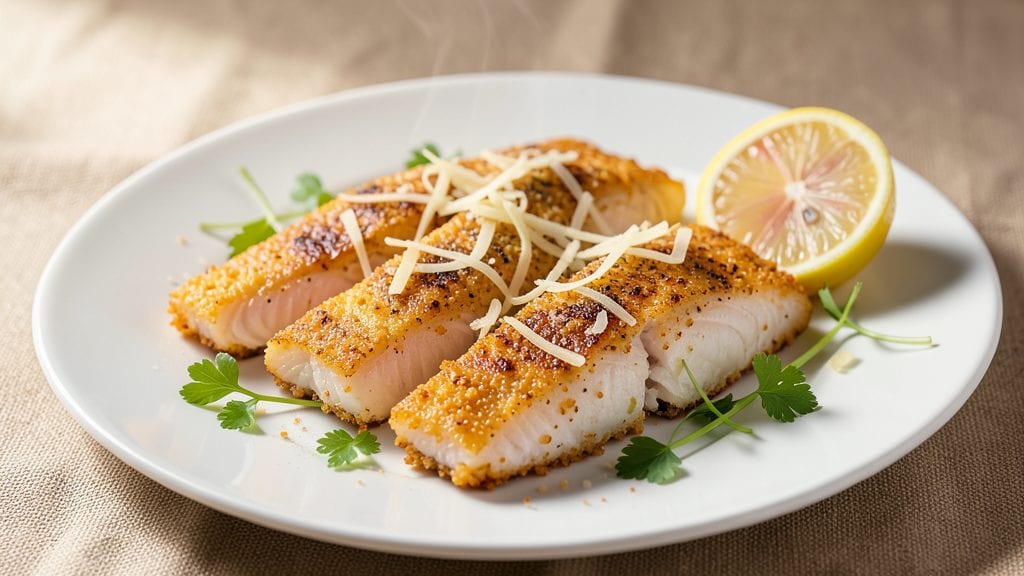
A parmesan cheese fish recipe that delivers crispy crust meets melty cheese magic is exactly what you need for a restaurant-worthy seafood dinner. The secret lies in creating a golden, shatteringly crisp topping that traps molten parmesan inside while keeping the fish tender and flaky.
I've perfected this technique over countless tests, and it never fails to impress—whether you're cooking for family or hosting guests.
This recipe transforms simple white fish—like cod, tilapia, or halibut—into a dish that feels indulgent without requiring advanced skills. The parmesan crust forms a protective barrier that locks in moisture while developing a satisfying crunch.
What makes it work is a precise balance of breadcrumbs, grated parmesan, and a touch of seasoning that creates that addictive texture contrast between crispy exterior and tender interior.
By the time your fish emerges from the oven, you'll have a dish that's golden brown and bubbling with melted cheese, ready to be plated with a squeeze of lemon and fresh herbs.
The aroma alone will have everyone at the table anticipating the first bite—crispy, cheesy, and perfectly cooked. This is the kind of recipe that elevates weeknight dinners into something special.
Pair it with roasted vegetables or a simple arugula salad, and you've got a complete meal that's both impressive and effortless. The best part? Every bite delivers that satisfying combination of textures and flavors that makes this dish a crowd-pleaser. Let's get started on creating your perfect parmesan-crusted fish.
Ingredients for parmesan cheese fish
Simple ingredients transform into restaurant-quality parmesan-crusted fish with crispy magic.
| Ingredient | Amount | Notes |
|---|---|---|
| White Fish Fillets 🐟 | 4 pieces | Cod, tilapia, or halibut preferred |
| All-Purpose Flour 🌾 | ½ cup | For dredging fish fillets |
| Panko Breadcrumbs 🍞 | 1 cup | For extra crispiness |
| Parmesan Cheese 🧀 | 1 cup | Freshly grated from block |
| Large Eggs 🥚 | 2 whole | Beaten for egg wash |
| Garlic Powder 🧄 | 1 tsp | Freshly ground preferred |
| Ground Black Pepper 🌶️ | ½ tsp | Freshly cracked preferred |
| Sea Salt 🧂 | 1 tsp | Kosher or fine grain |
| Lemon Juice 🍋 | 2 tbsp | Freshly squeezed |
| Extra-Virgin Olive Oil 🫒 | 2 tbsp | For brushing fillets |
| Fresh Parsley 🌿 | ¼ cup | Chopped for garnish |
| Butter 🧈 | 2 tbsp | Unsalted, melted |
The fish is the star, so pick fillets with even thickness—cod or halibut hold up best. Look for bright, firm fillets at Whole Foods or your local seafood counter. If using frozen, thaw overnight in the fridge. The Parmesan matters too—grate it yourself from a wedge instead of pre-grated. It makes all the difference in that melty, gooey crust everyone loves. For the breadcrumbs, Panko gives the best texture, but regular breadcrumbs work if you toast them in a dry pan first.
No Panko? Regular breadcrumbs plus a pinch of baking powder help with crispiness. Short on Parmesan? Mix half regular Parm with half Pecorino Romano for extra punch. The egg wash is key—beat the eggs with a splash of water for extra shine. For extra flavor, add a dash of Dijon mustard to the egg wash. The lemon juice keeps the fish bright and balances the richness. If you're feeling fancy, add a pinch of smoked paprika to the breadcrumb mix for depth.
This dish reheats beautifully—just pop it in the oven at 375°F for 5-7 minutes until bubbly. Store leftovers in an airtight container for 2 days max. For make-ahead prep, assemble the fish with crust but don't bake—keep it in the fridge for up to 24 hours. When ready to cook, just bake as directed. The crust gets even crispier the second time around, so it's worth it for leftovers.
Why You'll Love This Recipe
- I’ll be real: fried fish often turns soggy. Not this. The Parmesan crust stays crisp even reheated, and it reheats in under 2 minutes in the oven. Toss them in a salad, wrap them in a tortilla, or just eat them straight from the fridge—no judgment.
- Five-Ingredient Magic: I swear by this combo—flour, egg, panko, Parmesan, and fish. That’s it. No fancy marinades or last-minute shopping runs. The crust locks in flavor while the egg keeps it tender, and the Parmesan? It turns every bite into a little cheesy hug.
- Crispy-Creamy Balance: Here’s what sold me—the outside gets properly crunchy (thanks to that double-dip in panko), but the inside stays flaky and buttery. It’s the kind of contrast that makes you close your eyes and take a second bite, even if you’re not supposed to.
- Weeknight to Dinner Party: Between us, this is my go-to for when my in-laws drop by unannounced and when I’m microwaving leftovers for lunch. The same technique works for cod, tilapia, or even shrimp—just adjust the cooking time. No one ever guesses it’s a 20-minute fix.
Step-by-step instructions for parmesan cheese fish
Here's how to create that perfect balance of crispy crust and melty cheese—every time.
Prepare the Fish for Crispy Perfection
Pat the 4 pieces white fish fillets dry with paper towels—this is crucial for that crispy crust. I like to press firmly all over, especially the edges, to remove any moisture that could prevent the breading from sticking. Place the fillets on a plate and season both sides generously with the 1 teaspoon sea salt and 0.5 teaspoon ground black pepper. This seasoning step happens before breading so the salt has time to penetrate slightly.
Next, brush each fillet lightly with the 2 tablespoons extra-virgin olive oil. This helps the breading adhere better and adds a subtle richness. I use a pastry brush for even coverage, making sure to get all edges and corners. Let the fillets sit while you prepare the breading mixture—this gives the seasoning time to work its magic.
Create the Crispy Crust Mixture
In a shallow bowl, whisk together the 0.5 cup all-purpose flour, 1 cup panko breadcrumbs, 1 cup freshly grated parmesan cheese, 1 teaspoon garlic powder, and a pinch of additional black pepper. I like to use my fingers to break up any lumps in the panko and distribute the parmesan evenly. The key here is to mix just until combined—overmixing can make the crust too dense. This mixture should look like coarse, cheesy sand when you're done.
In another shallow bowl, beat the 2 whole large eggs with the 2 tablespoons freshly squeezed lemon juice until just combined. The lemon juice brightens the flavor and helps prevent the egg wash from getting too heavy. Keep both bowls nearby—you'll be working quickly to keep the fish from drying out.
Bread the Fish for Maximum Crispiness
Working with one fillet at a time, dip it first into the beaten egg mixture, letting any excess drip off. Then press it firmly into the breadcrumb mixture, coating both sides completely. I like to use my fingers to pack the breading onto the fish—this ensures maximum coverage and that satisfying crunch. Place the breaded fillet on a wire rack set over a baking sheet to allow air circulation on all sides.
Repeat with the remaining fillets, working quickly so they don't dry out. For extra crispiness, I double-dip each fillet—dip in egg, bread, then dip in egg again and bread once more. This creates that restaurant-quality double crust. Once all fillets are breaded, let them rest for 5 minutes while you prepare the cooking surface.
Cook to Golden Brown Perfection
Heat the 2 tablespoons unsalted butter in a large skillet over medium heat until it foams but doesn't brown. The butter should be hot enough to sizzle when you add the first fillet. Working in batches if needed, add the breaded fillets to the skillet and cook for 3-4 minutes per side until golden brown and crispy. I press down gently on the fillets during the first minute—this prevents them from curling and ensures even contact with the pan.
Don't be tempted to flip too early. You'll know it's ready when the edges are golden brown and the crust releases easily from the pan. Transfer the cooked fillets to a paper towel-lined plate to drain any excess butter. Keep them warm in a 200°F oven while you cook the remaining batches.
Finish and Serve with Fresh Herbs
Once all fillets are cooked, sprinkle each one with a pinch of the chopped 0.25 cup fresh parsley. The parsley adds a pop of color and freshness that cuts through the richness of the cheese crust. Serve immediately while the crust is still crispy and the fish is warm inside. I like to pair this with a simple lemon wedge on the side—just a squeeze adds that perfect bright finish.
The result should be fish with a golden, shatteringly crisp crust that gives way to creamy, melty parmesan inside. Each bite delivers that perfect texture contrast—crunchy exterior, tender fish, and salty, cheesy goodness. And that lemony brightness ties it all together beautifully.
Pro Tips For Making Parmesan Cheese Fish
- Pat Dry First: Wet fish won’t crisp—no matter how much panko you use. Grab paper towels and press firmly on both sides until they’re almost dry to the touch. I learned this after making soggy fish twice; trust me, it’s worth the extra 30 seconds.
- Double-Coat the Panko: Skip the thin layer—this isn’t a delicate pastry. Press the fish into the flour, dip in beaten egg, then press the panko mixture hard so it sticks. After the first coat, do it again. Yes, it’s messy, but the crust stays put and gets properly golden.
- Use Room-Temp Eggs: Cold eggs make for a lumpy, uneven coating. Crack them into a bowl 10 minutes before dredging, or worse, they’ll clump when you try to dip the fish. I used to rush this, and the breadcrumbs slid off like a bad joke.
- Fry in Batches: Overcrowding the pan drops the temperature, and your fish turns greasy instead of crispy. Work in single layers—even if it means two trips to the fryer. The first batch will be worth the wait, I promise.
Pro cooking tips for this recipe
Fish Prep Essentials
Start with firm, even-thickness fillets—cod or halibut are my go-tos because they hold their shape during cooking. Pat them bone-dry with paper towels before seasoning; any moisture will prevent that golden crust from forming.
I like to season both sides with kosher salt and freshly cracked black pepper right after patting dry—this ensures the seasoning clings to the surface and penetrates slightly while resting. 🧂
Crust Consistency Secrets
The magic happens in the breading ratio: equal parts panko and freshly grated parmesan create the perfect balance of crunch and cheesy melt. I always grate my own parmesan from a wedge using a microplane—pre-grated cheese contains anti-caking agents that make the crust gummy.
For extra crispiness, toast your panko in a dry skillet over medium heat for 2-3 minutes before mixing with other ingredients. This removes any moisture and amplifies the crunch factor.
Double-Dip Technique
For that restaurant-quality texture, double-dip your fillets: egg wash → breading → egg wash → breading. The first coating creates the foundation, while the second layer adds extra depth of flavor and texture.
After breading, let the fish rest on a wire rack (not a plate) for 5 minutes—this allows air to circulate underneath, preventing sogginess. I use a stainless steel rack over a baking sheet for best results. 🍞
Pan Temperature Control
Your pan must be hot but not smoking when you add the fish—medium heat is ideal. I test by flicking a drop of water into the pan; it should sizzle and evaporate instantly.
Too hot, and the crust burns before the fish cooks; too cool, and you'll get a greasy mess. Use unsalted butter (not oil) for cooking—it adds flavor and helps create a Maillard reaction that deepens the crust's color and taste.
Finishing Touches
Right before serving, sprinkle with freshly chopped parsley and a squeeze of lemon juice—this brightens the dish and cuts through the richness. For extra drama, melt 1 tablespoon unsalted butter in the pan after removing the fish, then spoon the buttery drippings over the top.
This adds a luxurious finish that makes your dish look (and taste) like it came from a high-end restaurant. 💫
Make-Ahead Mastery
Assemble the breaded fish up to 24 hours ahead and refrigerate uncovered on a wire rack—this prevents sogginess. When ready to cook, let it sit at room temperature for 15 minutes before pan-searing.
For leftovers, reheat in a 375°F oven for 5-7 minutes until the crust is crispy again. The second time around, the crust often gets even better as the starches re-crystallize! ⏰
Nutrition facts
Frequently asked questions
What's the best type of fish for this parmesan crust?
Use firm, white fish like cod, halibut, or tilapia—they hold their shape perfectly under the crust. Avoid delicate fish like flounder or sole, as they can fall apart. The fillets should be 1-inch thick for even cooking.
Can I make this recipe ahead of time?
Assemble the breaded fish up to 24 hours ahead and refrigerate on a wire rack (don't cover). When ready to cook, let it sit at room temperature for 15 minutes before pan-searing. Leftovers reheat beautifully in a 375°F oven for 5-7 minutes—the crust gets even crispier!
Why is my crust not crispy?
Most likely, your fish wasn't dry enough before breading, or the pan wasn't hot enough. Pat fillets bone-dry and use a wire rack (not a plate) to rest breaded fish. Heat your pan over medium heat until butter foams but doesn't brown—this creates the perfect Maillard reaction for crispiness.
Can I use pre-grated parmesan?
Pre-grated parmesan contains anti-caking agents that make the crust gummy. For best results, grate your own using a microplane. If you must use pre-grated, choose the kind labeled "grated for cooking" and pat it dry with a paper towel to remove excess moisture.
What are good side dishes for this?
Pair with bright, acidic sides to balance the richness: roasted asparagus with lemon zest, creamy garlic mashed potatoes, or a simple arugula salad with lemon vinaigrette. For a complete meal, add crusty bread to soak up the buttery pan drippings.