
Main Courses
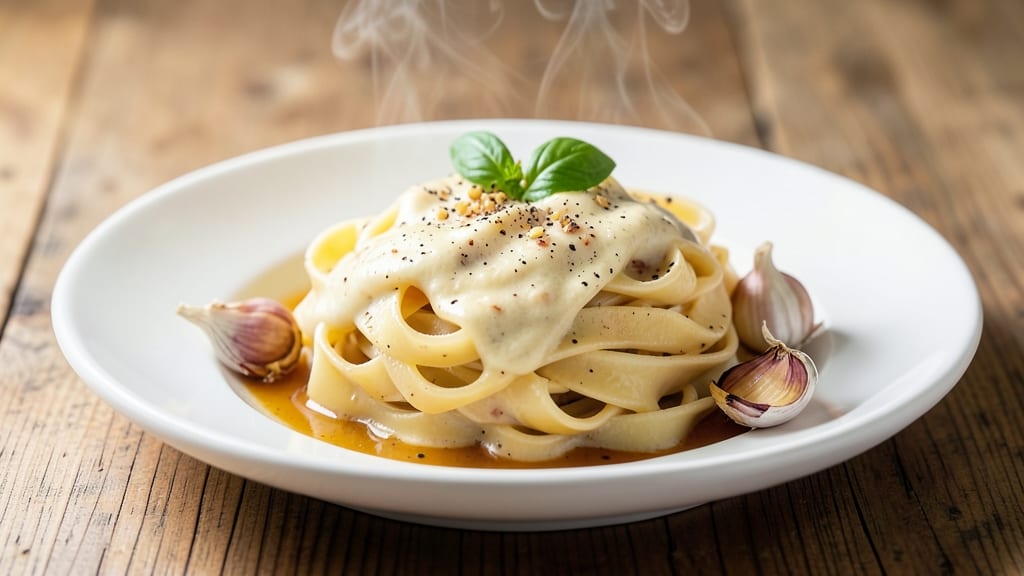
The Philadelphia cream cheese alfredo recipe I perfected after years of trial-and-error delivers a sauce so rich and velvety it'll make you question why you ever bought the jarred stuff.
That first time I got the consistency right—no lumps, no graininess—was a revelation, especially after burning through three batches of overcooked, clumpy messes. The secret lies in low-and-slow melting with broth, not water, which builds depth without breaking the sauce.
This isn't your childhood alfredo—it's restaurant-quality, where the cream cheese melts into a luxurious, cling-coat texture that transforms even basic fettuccine into a showstopper. We're talking 30 minutes from start to finish, with just five key ingredients doing all the heavy lifting.
The technique is simple but precise: melt butter first, whisk in cream cheese gradually, then finish with warm broth to create that signature velvety body.
By the time you plate it—golden noodles swirling beneath a river of creamy sauce—you'll understand why this dish is a weeknight staple in my Portland kitchen.
The sauce clings perfectly, every bite delivers that perfect balance of tangy cream cheese and buttery richness, and leftovers reheat without a hint of separation. Garnish with fresh parsley if you're feeling fancy, but honestly? The sauce speaks for itself.
Serve it alongside grilled chicken or roasted vegetables for a complete meal, or keep it simple with a sprinkle of black pepper and extra parmesan. This recipe delivers foolproof results every time—no clumps, no guesswork, just pure, creamy perfection. Let's get cooking.
Ingredients for philadelphia cream cheese alfredo
Five key ingredients transform into a velvety sauce that clings to noodles like a dream.
| Ingredient | Amount | Notes |
|---|---|---|
| Philadelphia Cream Cheese 🧀 | 8 oz | Full-fat, room temperature |
| Unsalted Butter 🧈 | ½ cup | Cold, cubed for even melting |
| Heavy Cream 🥛 | 1 cup | Full-fat for richness |
| Chicken Broth 💧 | 1 ½ cups | Low-sodium, warm |
| Fettuccine Noodles 🍝 | 12 oz | Fresh or dried, cooked al dente |
| Fresh Garlic Cloves 🧄 | 2 cloves | Minced for aromatic base |
| Diamond Crystal Kosher Salt 🧂 | ½ tsp | For seasoning balance |
| Freshly Ground Black Pepper 🌶️ | ¼ tsp | Freshly cracked for heat |
| Fresh Parsley Leaves 🌿 | ¼ cup | Chopped, for garnish |
| Parmesan Cheese 🧀 | ½ cup | Freshly grated, for topping |
| Extra-Virgin Olive Oil 🫒 | 1 tbsp | For tossing noodles |
| Lemon Juice 🍋 | 1 tsp | Brightens sauce finish |
The cream cheese is non-negotiable—Philadelphia brand has the perfect fat content for this sauce. Grab the full-fat version (the one in the red tub) and let it sit out for 30 minutes before using so it blends smoothly. Trader Joe's and Whole Foods carry it, but any grocery store will have it near the cheeses. The butter? European-style melts slower, giving you better control, but regular unsalted works too. I always buy mine in bulk from Costco—cheaper and lasts forever. For the broth, low-sodium is crucial; you can always add more salt at the end if needed.
No heavy cream? Half-and-half works in a pinch, but the sauce will be lighter. Substituting broth? Vegetable broth keeps it vegetarian, but chicken adds depth. The garlic can be roasted for a sweeter flavor—just toss whole cloves in olive oil, roast at 400°F for 10 minutes, then mince. Fresh parsley is ideal, but dried Italian seasoning at one-third the amount gets you close. The Parmesan? Pre-grated gets clumpy—always grate your own from a block. And if you're watching calories, reduce the butter by 2 tbsp and add an extra splash of broth.
This sauce reheats beautifully—just add a splash of warm broth or milk and stir over low heat. Keeps in the fridge for 5 days sealed tightly, or freeze for 3 months in airtight containers. I double the recipe and freeze half; perfect for lazy weeknights. For serving, toss the noodles with a drizzle of extra-virgin olive oil before adding sauce—it prevents clumping and adds a bright finish. Garnish with extra Parmesan and black pepper right before eating.
Why You'll Love This Recipe
- No Fuss, Big Payoff: I swear by this sauce—just melt butter, whisk in cream cheese and broth, then toss with noodles. Five minutes of active work, zero stress.
- Rich Without Effort: That creamy, tangy Philadelphia cheese blends into the sauce so smoothly, you’d never guess how little effort it takes. The heavy cream makes it velvety, while the broth keeps it light—no lumps, no struggle.
- Leftover Goldmine: This sauce clings to noodles like glue, so it reheats beautifully. Pack it for lunch, freeze portions, or serve it cold over grilled chicken for a completely different meal. Versatile like that.
- Budget-Friendly Luxury: Cream cheese and broth stretch further than you’d think, especially with fettuccine. It’s the kind of dish that feels fancy but costs half as much as takeout. (Yes, even on a Tuesday night.)
Step-by-step instructions for Philadelphia cream cheese alfredo
This velvety sauce comes together faster than you'd expect—no lumps, no stress, just restaurant-quality richness.
Melt Butter and Infuse with Garlic
In a large, deep skillet, melt the 0.5 cup unsalted butter over medium-low heat. I like to use a heavy-bottomed pan here—it prevents burning while ensuring even melting. Once the butter has completely melted and begins to foam, add the 2 cloves minced fresh garlic cloves. Cook for 1-2 minutes until the garlic is fragrant but not browned—you're looking for a gentle aroma, not color.
This step builds the aromatic foundation. If you let the garlic brown, it'll add bitterness that overpowers the delicate cream cheese flavor. Keep the heat low and stir constantly to distribute the garlic evenly through the butter. The butter should remain smooth and pale yellow, never bubbling vigorously.
Create the Cream Cheese Base
Reduce the heat to low and gradually add the 8 oz Philadelphia cream cheese, stirring constantly with a silicone spatula. The cream cheese will initially resist, but keep moving it—this is where patience pays off. After 1-2 minutes of steady stirring, the mixture should begin to smooth out into a thick, creamy paste. If you see any lumps forming, press them against the side of the pan with your spatula until they dissolve.
Here's the thing—adding the cream cheese too quickly over high heat guarantees lumps. The low heat allows it to melt gradually while the constant stirring incorporates it evenly. You'll know it's ready when the sauce looks like thick, pale yellow pudding with no visible cheese chunks.
Incorporate Heavy Cream and Broth
Pour in the 1 cup heavy cream and 1.5 cups chicken broth simultaneously, whisking vigorously to combine. The sauce will immediately loosen and become more fluid. Increase the heat to medium-low and let it simmer gently for 3-4 minutes. Stir occasionally to prevent any potential skin from forming on the surface.
This is where the sauce develops its signature silky texture. The heat should be steady but not vigorous—you're not trying to reduce it, just maintain a gentle simmer. If the sauce starts to thicken too much, add 1-2 tablespoons of warm water to reach your desired consistency. Taste and adjust seasoning with the 0.5 tsp diamond crystal kosher salt and 0.25 tsp freshly ground black pepper.
Finish with Lemon and Parmesan
Remove the skillet from heat and stir in the 1 tsp lemon juice and 0.5 cup freshly grated parmesan cheese. The lemon brightens the rich flavors while the parmesan adds depth. Let the sauce sit off heat for 1 minute to allow the flavors to meld completely. The mixture should be smooth, glossy, and perfectly balanced—creamy with just a hint of tang.
This final step transforms the sauce from good to exceptional. The acidity from the lemon prevents the richness from feeling heavy, while the parmesan contributes a subtle umami note. If you're concerned about the sauce separating later, whisk in 1 tablespoon extra-virgin olive oil now—it helps stabilize the emulsion when tossed with noodles.
Toss with Noodles and Garnish
In a separate large bowl, toss the 12 oz cooked fettuccine noodles with 1 tablespoon extra-virgin olive oil to prevent sticking. Then, pour the Alfredo sauce over the noodles and toss gently but thoroughly with tongs. The residual heat from the sauce will finish cooking the noodles slightly while coating them evenly. If the sauce seems too thick, add 2-3 tablespoons of warm pasta water to loosen it.
For serving, divide the noodles among plates and garnish with 0.25 cup chopped fresh parsley leaves. The parsley adds a fresh contrast to the rich sauce and brightens the presentation. Serve immediately while the sauce is still warm and fluid—Alfredo sauce thickens as it cools, so enjoy it at its peak creamy consistency.
Pro Tips For Making Philadelphia Cream Cheese Alfredo
- Cut the Cheese First: Slice that Philadelphia block into ½-inch cubes before melting—it dissolves faster and smoother than a whole block. I learned this the hard way after staring at a lumpy sauce wondering why it refused to blend properly.
- Low and Slow Only: Simmer the sauce on actual low heat—medium is too aggressive. The cream cheese will split if you rush it, and you’ll end up with a grainy, curdled mess. Trust me, the extra 2 minutes saves you from scrapping the whole thing.
- Salt the Broth Early: Season the chicken broth before adding it to the sauce—this way, the salt distributes evenly instead of pooling at the bottom. I used to skip this, and the flavor always felt flat until I fixed it.
- Reserve Some Starch: Scoop out ¼ cup of pasta water before draining the fettuccine—this thickens the sauce naturally without lumps. No need for cornstarch; the noodles’ starch does the job perfectly. (Yes, even if you’re impatient like me.)
Wine and beer pairings for philadelphia cream cheese alfredo
Creamy White Wine
This rich, velvety sauce practically begs for a buttery white wine. I always reach for a Chardonnay from California's Sonoma Coast—think Goldeneye or Kendall-Jackson—with its crisp acidity cutting through the cream cheese's richness.
The wine's vanilla and citrus notes complement the sauce's tangy-sweet balance perfectly. Serve it slightly chilled (45-50°F) to highlight its bright minerality against the warm pasta. 🍷
Crisp Lager
For beer lovers, a German-style Helles like Weihenstephaner Original or a crisp American lager such as Miller Genuine Draft works beautifully. The light malt sweetness and subtle hop bitterness cleanse your palate between bites of creamy alfredo.
Avoid heavy IPAs—their hop intensity can overpower the delicate sauce. I like to pour mine into frosty 12-ounce tulip glasses to maintain the right temperature.
Italian Sparkling
If you're feeling fancy, try Prosecco from Italy's Veneto region—its effervescence and stone fruit notes create a magical contrast. The bubbles refresh your palate, while the wine's floral aroma elevates the dish to restaurant-worthy levels.
Serve it well-chilled (40-45°F) in classic flute glasses. For a budget-friendly option, La Marca Prosecco delivers consistent quality without breaking the bank.
Red Wine Exception
Surprisingly, a Pinot Noir from Oregon's Willamette Valley can work if you prefer reds. Look for Domaine Serene or Argyle—their bright acidity and red fruit flavors won't clash with the sauce.
The wine's earthy undertones actually complement the cream cheese's tang. Decant it for 30 minutes to soften its tannins before serving at 60-65°F.
Non-Alcoholic Options
Don't drink alcohol? Sparkling apple cider from Woodchuck Hard Cider or a ginger beer like Thomas Henry add refreshing fizz. For something more sophisticated, try San Pellegrino Aranciata—its orange flavor pairs surprisingly well with the creamy sauce. Keep these chilled (38-42°F) for the best experience.
Serving Temperature
Wine and beer should be served at their ideal temperatures to complement the alfredo's warmth. White wines and sparkling drinks should be 40-50°F, while reds like Pinot Noir should be slightly warmer at 60-65°F.
I always chill my wine for 15-20 minutes in the fridge before serving—it makes all the difference in balancing the dish's richness. 💡
Nutrition facts
Frequently asked questions
Can I substitute Philadelphia cream cheese with another brand?
While Philadelphia is ideal for its consistent fat content, you can use other full-fat cream cheese brands like Kite Hill or Whittier. Just ensure it's not low-fat—fat is what creates that velvety texture. For a vegan option, try Kite Hill Almond Milk Cream Cheese (follow package instructions for melting). The key is gradual melting over low heat to avoid lumps.
Why did my sauce turn out grainy or clumpy?
This usually happens when cream cheese is added too quickly over high heat or not stirred enough. Always melt butter first, reduce to low heat, and add cream cheese gradually while stirring constantly. If lumps appear, press them against the pan with a spatula until dissolved. Room-temperature cream cheese also blends smoother than cold.
How do I make this recipe vegetarian or vegan?
For vegetarian, use vegetable broth and swap chicken for roasted mushrooms or white beans. For vegan, replace cream cheese with Kite Hill Almond Milk Cream Cheese, butter with vegan butter, and heavy cream with full-fat coconut milk. The technique remains the same—just ensure all ingredients are plant-based. Garnish with nutritional yeast for that cheesy flavor.
Can I make this ahead of time for a dinner party?
Yes! Make the sauce up to 2 days ahead and store it in an airtight container in the fridge. Reheat gently with a splash of warm broth or milk over low heat, stirring constantly. For best texture, toss with freshly cooked noodles right before serving. The sauce thickens as it cools, so adjust with extra broth if needed when reheating.
What's the best pasta shape for this sauce?
While fettuccine is classic, pappardelle or tagliatelle work beautifully with their wide, flat surfaces that catch sauce. For extra fun, try farfalle or penne—just add a splash of pasta water when tossing to help the sauce cling. Avoid long, thin noodles like spaghetti, as they don't hold sauce as well.