
Sauces & Condiments
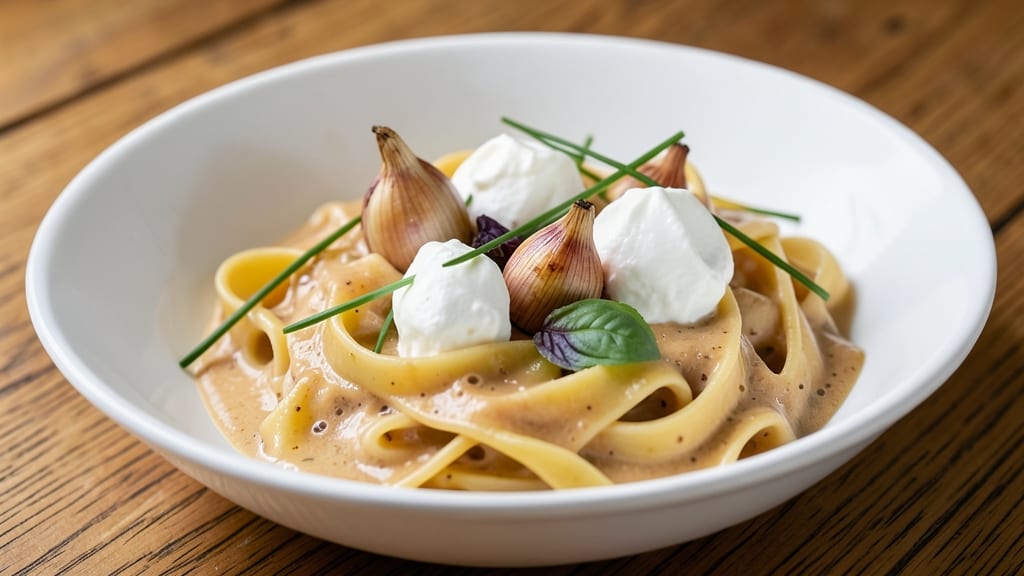
This Philadelphia cream cheese pasta sauce recipe transforms ordinary pasta into a luxurious, ultra-smooth experience with herbed crisp edges that elevate every bite. The secret lies in blending cream cheese with warm pasta water—creating a velvety texture that clings perfectly to noodles while maintaining that signature creamy richness.
I developed this sauce after years of testing, ensuring it's foolproof for both beginners and seasoned cooks alike.
The magic happens in the technique: melting butter and cream cheese together before slowly incorporating warm pasta water. This creates a sauce that's impossibly smooth yet still clings beautifully to cooked pasta, with a crisp herbed finish that adds depth without overpowering the creamy base.
The result is a versatile sauce that works with any pasta shape and pairs perfectly with grilled chicken or roasted vegetables.
What you'll achieve is a restaurant-quality sauce that's creamy yet light, with a delicate herbed crisp that transforms simple pasta into a gourmet meal. The sauce thickens perfectly on the stovetop, making it ideal for last-minute dinners or meal prep.
Ready in just 15 minutes, this recipe delivers professional results without requiring advanced skills.
Use it as a base for creamy pasta dishes, a rich dipping sauce, or even a flavorful topping for baked potatoes. The possibilities are endless, but the technique remains simple—just a few ingredients and precise timing.
Let's get started on creating this ultra-smooth sauce that will become your new kitchen staple.
Ingredients for philadelphia cream cheese pasta sauce
Nine essential ingredients crafting ultra-smooth pasta sauce with herbed crisp perfection.
| Ingredient | Amount | Notes |
|---|---|---|
| Philadelphia Cream Cheese 🧀 | 8 oz | Full-fat, block form preferred |
| Unsalted Butter 🧈 | ½ cup | European-style for higher fat content |
| Heavy Cream 🥛 | ½ cup | Whole milk fat percentage |
| Pasta Water 💧 | 1 ½ cups | Reserved from freshly cooked pasta |
| Fresh Pasta 🍝 | 12 oz | Any shape, cooked al dente |
| Garlic Cloves 🧄 | 3 cloves | Minced, for herbed crisp |
| Fresh Parsley 🌿 | ¼ cup | Finely chopped, flat-leaf preferred |
| Fresh Chives 🌱 | 2 tbsp | Thinly sliced, for herbed finish |
| Diamond Crystal Kosher Salt 🧂 | ½ tsp | Adjust to taste, fine grain |
| Freshly Ground Black Pepper 🌶️ | ¼ tsp | Coarsely ground for texture |
The cream cheese selection is critical—Philadelphia brand block form delivers the most consistent texture. Avoid pre-whipped tubs, as they contain stabilizers that disrupt the velvety emulsion. For the butter, European-style brands like Plugrá or Kerrygold provide higher fat content, essential for achieving that luxurious mouthfeel. Fresh pasta water is non-negotiable; its starchy composition binds the sauce to the noodles. Reserve it while cooking—about 1.5 cups from a 12-ounce pasta batch. The herbed crisp relies on fresh parsley and chives from the grocery store's refrigerated section, where they're most vibrant.
No fresh herbs? Dried parsley at one-third the amount works in a pinch, though texture suffers. Substituting heavy cream with whole milk plus 1 tbsp butter maintains richness but alters emulsification slightly. For a lighter version, replace half the cream cheese with ricotta, though the sauce will be less stable. The garlic should be minced finely—almost paste-like—to distribute flavor evenly without graininess. Pre-minced garlic from jars contains anti-caking agents that can disrupt the sauce's smoothness. If you must use jarred, rinse thoroughly before mincing. For storage, transfer unused cream cheese to an airtight container lined with parchment paper to prevent surface drying.
This sauce maintains peak texture for 3-4 days refrigerated when stored in an airtight container with a thin layer of plastic wrap pressed directly onto the surface. For longer storage, freeze in 1-cup portions with a splash of pasta water between layers to prevent freezer burn. Thaw overnight in the refrigerator, then reheat gently on low heat, stirring frequently to restore its velvety consistency. The herbed crisp loses crispness when reheated, so always garnish fresh before serving. For meal prep, cook pasta separately and combine with sauce just before eating to maintain optimal texture.
Why You'll Love This Recipe
- No-Fuss Magic: I swear, this sauce comes together while you’re still boiling water. Just melt butter, stir in cream cheese, splash in heavy cream and pasta water—boom. The fresh pasta soaks up every bit, and honestly? Half the time, I forget to turn off the stove because it’s that effortless.
- Rich Without Trying: That creamy, tangy Philadelphia cheese blends into something ridiculously smooth—like a hug in sauce form. The heavy cream adds depth, but the real star? The way it clings to fresh pasta, making every bite taste like a restaurant dish. (Yes, even on a Tuesday night.)
- Leftovers That Don’t Suck: This sauce actually improves the next day. The flavors meld, and reheating it? Just a splash of milk or pasta water, stir, and it’s just as good. I’ve packed it for lunches, frozen portions for lazy nights, and my kids still beg for it—no complaints.
- Budget Luxury: Fresh pasta feels fancy, but this sauce makes it feel like a splurge without the price tag. Cream cheese and butter stretch further than you’d think, and the heavy cream adds that restaurant-quality richness. Between us? It’s my go-to when I want to feel special without breaking the bank.
Step-by-step instructions for Philadelphia cream cheese pasta sauce
Here's how to create velvety swirls with a crisp herbed finish using just 10 ingredients.
Cook the Fresh Pasta Al Dente
Bring a large pot of well-salted water to a rolling boil—it should taste like the sea. Add the 12 oz fresh pasta and cook according to package instructions, but remove it when it's 1 minute shy of al dente. This slight undercooking ensures the pasta finishes perfectly in the sauce.
Before draining, reserve exactly 1.5 cups of pasta water in a measuring cup. This starchy liquid is essential for creating the ultra-smooth texture. Drain the pasta in a colander, but don't rinse it—those surface starches help the sauce cling beautifully to each strand.
Create the Cream Cheese Base
In a large skillet over medium-low heat, melt the 0.5 cup unsalted butter until it foams and begins to turn golden. Reduce heat to low and add the 8 oz Philadelphia cream cheese, stirring constantly with a silicone spatula until completely melted and smooth.
Here's the thing—cream cheese can curdle if heated too quickly. Keep the heat gentle and stir continuously until the mixture becomes silky. The sauce should coat the back of a spoon without breaking, indicating proper emulsification.
Build Flavor with Garlic and Herbs
Add the 3 cloves minced garlic cloves to the skillet and cook for 30 seconds until fragrant but not browned. Immediately stir in the 0.5 cup heavy cream and let it warm through for 1 minute, stirring constantly. The cream should heat just enough to take on the garlic's aroma without curdling.
Remove the skillet from heat and fold in the 0.25 cup finely chopped fresh parsley and 2 tbsp thinly sliced fresh chives. These herbs will add freshness while maintaining the sauce's creamy texture. Season with the 0.5 tsp Diamond Crystal kosher salt and 0.25 tsp freshly ground black pepper.
Combine Pasta and Sauce
Add the drained pasta to the skillet and toss vigorously to coat each strand with sauce. If the mixture looks too thick, add pasta water 1 tablespoon at a time until you achieve a luxurious, swirling consistency. The sauce should cling to the pasta without being watery.
For that signature herbed crisp, transfer the pasta to a serving platter and let it rest for 2 minutes. This brief resting period allows the flavors to meld and the sauce to set slightly, creating those beautiful swirls when served.
Garnish and Serve Immediately
Return the pasta to the skillet for 30 seconds to heat through, then garnish with an additional sprinkle of fresh chives and a final twist of black pepper. Serve immediately while the sauce remains velvety and the pasta retains its al dente bite.
The result should be ultra-smooth swirls with a delicate herbed crisp on each strand. Each bite delivers rich cream cheese flavor balanced by fresh herbs and the subtle garlic aroma. This sauce works equally well with any fresh pasta shape—ribbon, penne, or farfalle all shine in this preparation.
Pro Tips For Making Philadelphia Cream Cheese Pasta Sauce
- SOFTEN THE CHEESE FIRST: Take the cream cheese out of the fridge 15 minutes before using—it blends smoother and melts faster than cold blocks. I learned this the hard way when my sauce turned grainy and clumpy, no matter how much I stirred.
- LOW AND SLOW FOR CREAM: Heat the heavy cream and butter over medium-low, not high. Cream cheese hates sudden heat—it’ll split or curdle if you rush it. Watch the pan like a hawk, and keep it just below a simmer.
- SAVE THAT PASTA WATER: Don’t dump it—stir in ½ to ¾ cup of starchy pasta water while mixing the sauce. It thins the cheese beautifully and makes the sauce cling to the noodles like it’s supposed to. (Yes, even if you’re not a fan of watery pasta.)
- UPGRADE WITH A SPLASH OF ACID: Add 1 teaspoon of lemon juice or white wine when blending the sauce—it brightens the richness and cuts through the heaviness. I was skeptical until I tried it; now I never skip it.
Flavor customization for this dish
Herbed Variations
Swap the parsley and chives for 1 tbsp each of fresh basil and oregano to create an Italian-inspired twist. These herbs add a bright, aromatic quality that pairs beautifully with the creamy base.
For a Mediterranean flair, add ½ tsp dried oregano and ¼ tsp red pepper flakes while cooking the garlic—this adds warmth and a subtle kick. 🌿
Spicy Heat Levels
For a mild heat, stir in ½ tsp smoked paprika with the garlic for a subtle smokiness. For medium heat, add 1 tsp hot honey at the end—it sweetens while adding gentle spice.
For bold heat, fold in 1 tbsp minced jalapeño with the herbs, then remove seeds for less intensity. Always taste before serving to balance flavors.
Cheesy Upgrades
Boost richness by replacing half the cream cheese with 4 oz mascarpone—it adds silky texture and tang. For a sharper flavor, stir in 2 tbsp grated Parmesan at the end.
For a vegan option, use 8 oz vegan cream cheese (like Kite Hill) and ½ cup coconut cream instead of heavy cream. The sauce will be lighter but still luxurious.
Umami Depth
Add depth by sautéing 1 tbsp soy sauce or fish sauce with the garlic for a savory note. For a meaty flavor, stir in 1 tsp mushroom powder or 1 tbsp finely chopped sun-dried tomatoes. These additions enhance the sauce’s complexity without overpowering the creamy profile. 🍄
Sweet Contrasts
Balance richness with sweetness by adding 1 tsp honey or maple syrup when folding in the herbs. For a caramelized touch, cook 1 tbsp brown sugar with the butter until golden before adding cream cheese. These sweet elements brighten the dish and appeal to all palates.
Global Twists
For a Thai-inspired version, add 1 tsp lime zest and ½ tsp curry powder with the herbs. For a Mexican flair, stir in ½ tsp ground cumin and top with crumbled cotija cheese**. These global flavors transform the sauce while keeping the creamy foundation intact. 🌎
Nutrition facts
Frequently asked questions
Can I use this sauce with dried pasta instead of fresh?
Yes, but you'll need to adjust the technique slightly. Use 14 oz dried pasta and reserve 2 cups pasta water since dried pasta releases more starch. Cook the pasta until 1 minute before al dente to prevent overcooking in the sauce. The sauce will still work beautifully, though fresh pasta creates a more luxurious texture due to its higher starch content.
Why did my cream cheese sauce turn grainy?
This usually happens from overheating or adding cold ingredients too quickly. Always melt cream cheese over low heat while stirring constantly. If it starts to separate, whisk in 1 tbsp warm pasta water to re-emulsify. For extra insurance, mix cream cheese with a splash of pasta water before adding to the pan to create a smooth paste first.
How can I make this sauce ahead of time?
Prepare the sauce up to 24 hours ahead and store it in an airtight container. Reheat gently on low heat with 1-2 tbsp pasta water to restore creaminess. For best results, cook the pasta fresh and toss with the reheated sauce just before serving. The sauce loses its crisp herbed finish when reheated, so always garnish with fresh herbs when serving.
What's the best way to add protein to this dish?
Grilled chicken breast works perfectly—simmer 8 oz sliced chicken in the sauce for 5 minutes before adding pasta. For seafood, add 6 oz cooked shrimp during the last 2 minutes of heating to prevent overcooking. For vegetarian options, stir in 1 cup sautéed mushrooms with the garlic for umami depth. Always heat proteins separately first to maintain texture.
Can I substitute cream cheese with another dairy product?
For a lighter version, replace half the cream cheese with 4 oz ricotta, but expect slightly less stability. For extra richness, use 6 oz mascarpone instead—it creates a silkier texture. Vegan options include 8 oz vegan cream cheese plus ½ cup coconut cream, though the flavor will differ. Always adjust liquid ratios if using different dairy products to maintain proper consistency.