
Breakfast & Brunch
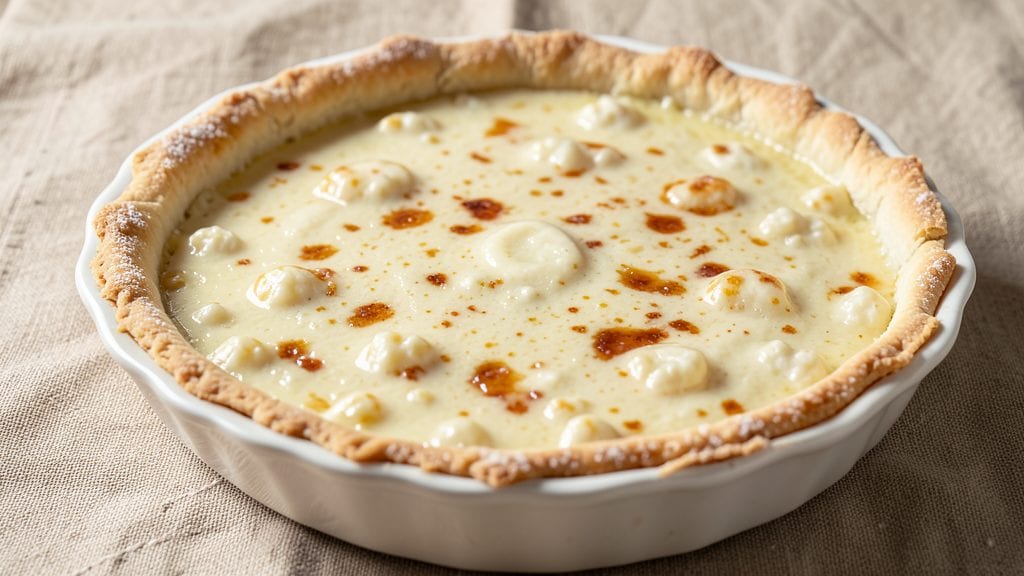
A quiche recipe using cottage cheese transforms this classic breakfast into something lighter, creamier, and impossible to resist. The secret lies in blending cottage cheese with eggs and milk, creating a filling that stays gloriously fluffy rather than watery or soggy.
I developed this version after years of struggling with quiches that either turned out dense or leaked filling during baking.
The beauty of cottage cheese is its ability to add creaminess without heaviness, while its natural acidity balances rich flavors perfectly. This recipe delivers a no-sog filling with a tender, slightly crisp crust that holds up beautifully—whether you use a traditional pie crust or a gluten-free alternative.
The texture is what sets it apart: silky, custardy, and rich without being greasy.
What you'll achieve is a quiche with a golden, flaky crust topped by a velvety filling that's neither dry nor waterlogged. The cottage cheese creates pockets of airiness while binding all the ingredients together, resulting in slices that cut cleanly and taste even better the next day.
Perfect for brunch, meal prep, or an elegant weekend breakfast.
This method works equally well with classic fillings like spinach and feta, bacon and cheddar, or even a simple vegetable medley. The crust stays crisp while the filling remains perfectly set—no more waiting for it to cool before slicing.
Ready in about 50 minutes, it's the kind of quiche that makes breakfast feel like a special occasion.
Ingredients for quiche recipe using cottage cheese
Sixteen ingredients, one perfect quiche with a fluffy, no-sog filling and golden crust.
| Ingredient | Amount | Notes |
|---|---|---|
| Large Eggs 🥚 | 6 whole | Room temperature for even baking |
| Small-Curd Cottage Cheese 🧀 | 2 cups | 2% fat for optimal creaminess |
| Whole Milk 🥛 | 1 cup | Full-fat for richer texture |
| Unsalted Butter 🧈 | ½ cup | Cold, cubed for crust |
| All-Purpose Flour 🌾 | 2 ½ cups | Plus 1 tbsp for dusting |
| Ice Cubes ❄️ | ½ cup | For chilling butter |
| Salt 🧂 | 1 tsp | Fine sea salt preferred |
| Black Pepper 🌶️ | ½ tsp | Freshly cracked for flavor |
| Nutmeg 🌿 | ¼ tsp | Freshly grated for warmth |
| Shredded Sharp Cheddar Cheese 🧀 | 1 ½ cups | Freshly grated, not pre-shredded |
| Fresh Spinach 🌱 | 3 cups | Chopped, wilted and drained |
| Cooked Bacon 🥓 | ½ cup | Crumbled, crispy bits reserved |
| Garlic Cloves 🧄 | 2 cloves | Minced for aromatic base |
| Extra-Virgin Olive Oil 🫒 | 1 tbsp | For greasing pie dish |
The cottage cheese is the game-changer here—opt for small-curd, 2% fat for the best texture. Trader Joe's and Whole Foods carry excellent brands, but any well-drained cottage cheese works. The eggs should be large and room temperature to blend smoothly. For the crust, European-style butter (like Plugrá) creates flakier layers, but any cold, cubed butter will do. The key is keeping it chilled until ready to mix—don’t let it soften too soon. Freshly grated cheddar makes all the difference; pre-shredded contains anti-caking agents that prevent proper melting.
No cottage cheese? Blend Greek yogurt with a splash of milk for a similar texture, though the flavor will differ slightly. Substitute the sharp cheddar with Gruyère or Swiss for a nuttier profile. The spinach can be swapped for sautéed mushrooms or roasted zucchini, but wilt it thoroughly to avoid excess moisture. For the bacon, turkey bacon or smoked sausage crumbles work equally well. If you’re short on time, use pre-cooked bacon bits—just skip the crispy bits. The nutmeg is optional but adds depth; if unavailable, a pinch of cinnamon works in a pinch.
Store the unbaked quiche in the fridge for up to 24 hours before baking for better flavor development. Once baked, it keeps 3 days in the fridge, wrapped tightly to maintain crispness. For meal prep, portion into single servings and reheat at 350°F for 10 minutes—the filling stays creamy while the crust reheats beautifully. Freeze the assembled quiche (unbaked) for up to 2 months—just add 10 minutes to the baking time when thawed.
Why You'll Love This Recipe
- I swear by this trick: just blend cottage cheese with eggs and milk until silky smooth—no lumps, no stress. The small-curd version blends like a dream, and that creamy texture? It’s the secret to a quiche that doesn’t scream “I spent hours on this.”
- I’ll be real: this recipe uses things I already have. No specialty ingredients, no last-minute grocery runs. That flour-butter crust? Classic. The cottage cheese? Often on sale. It’s my go-to when I’m low on time and low on cash—but somehow still feels special.
Step-by-step instructions for quiche using cottage cheese
This method delivers a perfectly balanced quiche with a tender crust and rich filling.
Prepare the Crust Mixture
In a food processor, combine the 0.5 cup unsalted butter and 0.5 cup ice cubes until the mixture resembles coarse crumbs. Add the 2.5 cups all-purpose flour and 1 tsp salt, then pulse until the dough forms a rough ball. Avoid over-processing or the crust will become tough.
Transfer the dough to a lightly floured surface and divide it into two equal portions. Shape each into a disk and wrap tightly in plastic wrap. Chill in the refrigerator for at least 1 hour—this resting time is crucial for a flaky texture. The dough should be firm but pliable when ready to roll.
Assemble the Filling
Preheat your oven to 375°F. In a large skillet, heat 1 tbsp extra-virgin olive oil over medium heat. Add the 2 cloves garlic cloves and sauté for 30 seconds until fragrant. Add the 3 cups fresh spinach and cook until wilted, about 2 minutes. Drain any excess liquid through a fine-mesh strainer and set aside.
In a large bowl, whisk together the 6 whole large eggs, 2 cups small-curd cottage cheese, 1 cup whole milk, 0.5 tsp black pepper, and 0.25 tsp nutmeg until smooth. Fold in the wilted spinach, 1.5 cups shredded sharp cheddar cheese, and 0.5 cup cooked bacon, mixing gently to combine. The filling should be thick but pourable.
Blind-Bake the Crust
Roll out one of the chilled dough disks to fit a 9-inch pie dish, leaving a ½-inch overhang on all sides. Transfer the dough to the pie dish and trim the excess, leaving the overhang intact. Press gently to shape the crust against the bottom and sides of the dish.
Line the crust with parchment paper, fill with pie weights or dried beans, and bake at 375°F for 15 minutes. Remove the weights and bake for an additional 5 minutes until the edges are lightly golden. The crust should be set but not browned—this prevents a soggy bottom when adding the filling.
Bake the Quiche
Pour the filling into the pre-baked crust, spreading it evenly. Fold the overhang of the crust under itself to create a decorative edge. Brush the crust with a light coat of whole milk or beaten egg for a golden finish. Bake at 375°F for 35-40 minutes, until the filling is set and the top is golden brown.
To test doneness, insert a knife into the center of the quiche—it should come out clean with no liquid. If the edges brown too quickly, cover them loosely with aluminum foil after 20 minutes to prevent over-browning. Let the quiche rest for 10 minutes before slicing to allow the filling to set properly.
Pro Tips For Making Quiche Recipe Using Cottage Cheese
- PREHEAT TO 375°F: The oven’s temperature is non-negotiable here—any lower and your crust stays soggy, any higher and the cottage cheese curdles before the filling sets. I learned this the hard way when my first attempt came out like a sad, watery omelet. Use an oven thermometer if yours lies.
- BLEND COTTAGE CHEESE SMOOTH: Small-curd cottage cheese? Skip the food processor if you hate cleanup, but don’t just stir it—you’ll end up with lumps that turn your quiche into a textural disaster. My grandmother swore by this: press it through a fine-mesh sieve first, then whisk it with the eggs and milk. (Yes, it’s messy, but it works.)
- DON’T OVERMIX THE BATTER: Whisk the eggs, milk, and cottage cheese just until combined—about 10 strokes. Overmixing introduces too much air, and when that air escapes in the oven, you get a quiche with a sunken center. I was skeptical until I tried it: the filling stays dense and creamy, not puffy and flat.
- USE COLD BUTTER FOR CRUST: Take the butter straight from the fridge and cut it into the flour. Cold butter creates flaky layers, while room-temperature butter turns your crust into a greasy brick. (And no, you can’t just wing it—this is the thing that matters most for that perfect golden crust.)
Regional styles of these flavors
French Classic
The French take quiche seriously, and their approach to cottage cheese quiche focuses on a light, airy filling with delicate flavors. In Bordeaux, they often add shallots and Gruyère to the cottage cheese mixture, creating a subtly sweet and nutty profile.
The crust is typically a pâte brisée (shortcrust pastry) baked until just golden, then topped with a crème fraîche swirl before baking. I’ve seen versions where the cottage cheese is blended with crème pâtissière for extra richness. 🥖
American Heartland
In the Midwest, cottage cheese quiche leans into comfort food with bold flavors. Think crispy bacon, sharp cheddar, and sautéed onions—the filling is heartier and often includes diced potatoes for a rustic twist.
The crust might be a buttery pie dough with a lattice top, and the quiche is served with maple syrup or hot sauce on the side. I’ve noticed that Midwestern bakers often pre-cook the filling before adding it to the crust to prevent sogginess.
British Twist
The British version, often called a "cheese and spinach quiche," incorporates cottage cheese with a splash of cream for extra smoothness. They frequently add leeks and mushrooms to the filling, and the crust is sometimes a flaky puff pastry for an elegant touch.
A key difference? The British often bake the quiche in a deep, ceramic dish to ensure even cooking. I’ve tried this method and found it creates a golden, crispy edge that’s hard to resist. 🍽️
Canadian Adaptation
In Canada, cottage cheese quiche is a brunch staple, often served with maple-glazed bacon or smoked sausage. The filling might include local ingredients like wild mushrooms or game meats, and the crust is sometimes a shortcrust pastry with a sprinkle of sesame seeds for texture.
Canadian bakers also love to add a layer of caramelized onions under the filling for extra depth. I’ve found that this version holds up beautifully for meal prep, making it a favorite for busy mornings.
Southern U.S. Style
The Southern U.S. puts its own spin on cottage cheese quiche with smoky flavors and a touch of heat. You’ll often find crumbled andouille sausage, bell peppers, and a dash of hot sauce in the filling.
The crust might be a cornmeal-infused shortcrust for a slightly sweet contrast, and the quiche is sometimes topped with pickled jalapeños before baking. This style is all about bold, layered flavors that balance the creaminess of the cottage cheese. 🌶️
Gluten-Free Adaptation
For those avoiding gluten, a gluten-free crust made with almond flour or a pre-made mix works beautifully. The filling remains the same, but the crust is often baked longer to ensure it holds up.
I’ve experimented with a crust made from ground nuts and eggs, which adds a lovely crunch. The key is to blind-bake the crust thoroughly to prevent a soggy bottom—this is especially important with cottage cheese’s moisture content.
Nutrition facts
Frequently asked questions
Why does cottage cheese make quiche filling fluffier than traditional recipes?
The cottage cheese adds natural acidity and moisture while creating tiny air pockets when baked. This prevents the filling from becoming watery or dense, resulting in a light, custardy texture that stays perfectly set. The protein in cottage cheese also helps bind the filling without needing extra thickeners.
Can I make this quiche ahead of time?
Yes! Assemble the quiche (unbaked) and refrigerate for up to 24 hours before baking. For best results, bake it straight from the fridge—no thawing needed. The filling will taste even richer after resting. You can also freeze the unbaked quiche for up to 2 months, adding 10 extra minutes to baking time when thawed.
What if my crust gets soggy?
Prevent sogginess by blind-baking the crust for 15-20 minutes before adding filling. If it starts to soften during baking, cover the edges with aluminum foil after 20 minutes to protect them while the center finishes. For extra insurance, brush the crust with beaten egg before adding filling to create a moisture barrier.
Can I substitute cottage cheese with something else?
For a similar texture, blend 2 cups Greek yogurt with 2 tablespoons milk to replace the cottage cheese. If you prefer a richer taste, use 1 cup crème fraîche mixed with 1 cup ricotta. The key is maintaining the same moisture level—avoid using heavy cream alone as it may make the filling too dense.
How do I know when the quiche is fully cooked?
The quiche is done when the center is just set (no jiggle) and a knife inserted comes out clean. The edges should be golden brown, but the top filling should still look slightly soft—it firms up as it cools. If the edges brown too quickly, reduce oven temp to 350°F for the last 10 minutes of baking.