
Breakfast & Brunch
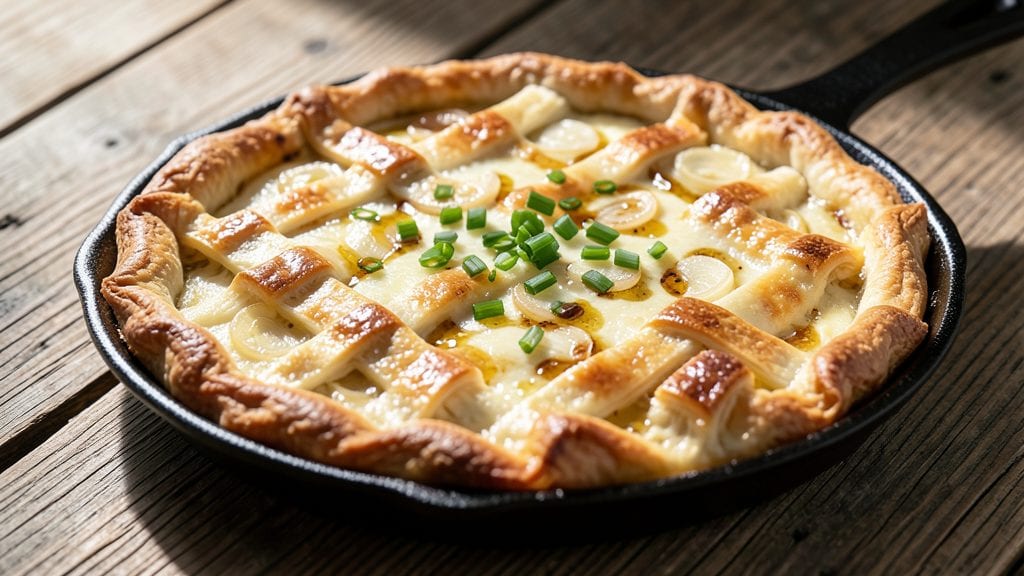
A Gruyère quiche recipe that delivers restaurant-quality flakiness and nutty, melted cheese perfection is exactly what you need for weekend brunch. This version combines a classic buttery crust with a rich egg filling that transforms into a creamy, golden masterpiece—every bite is a balance of crispy, tender, and dangerously cheesy.
I've perfected this over years of testing, ensuring the crust stays flaky while the Gruyère melts into a velvety blanket over the eggs.
The secret lies in the crust preparation—whether you use store-bought or homemade—and the technique of blind-baking it just enough to create that perfect foundation.
The filling is where the magic happens: Gruyère's natural nuttiness pairs beautifully with sharp cheddar for depth, while onions and spinach add layers of texture and freshness. This isn't your basic quiche; it's a showstopper that feels indulgent yet remains approachable for any home cook.
By the time it emerges from the oven, you'll have a quiche with a golden, crispy crust that shatters at the edges and a filling so rich and creamy it practically melts on your tongue.
The Gruyère stretches into delicate strands, creating pockets of flavor in every forkful. It's the kind of dish that elevates a simple brunch into something special—without requiring a complicated process or rare ingredients.
Serve it warm with a crisp green salad or toasted baguette slices for the full experience. This recipe scales perfectly for gatherings, and leftovers reheat beautifully. Ready to master this timeless classic? Let's get started with a foolproof method that delivers every time.
Ingredients for quiche recipe with gruyere cheese
Sixteen quality ingredients transform into a restaurant-worthy Gruyère quiche with perfect flaky crust and velvety cheese filling.
| Ingredient | Amount | Notes |
|---|---|---|
| All-Purpose Flour 🌾 | 2 ½ cups | Sifted for even texture |
| Unsalted Butter 🧈 | 1 cup | Cold, cubed for flakiness |
| Ice Water 💧 | ½ cup | Chilled for crisp crust |
| Diamond Crystal Kosher Salt 🧂 | 1 tsp | Fine grain preferred |
| Large Eggs 🥚 | 6 whole | Room temperature preferred |
| Heavy Cream 🥛 | 1 cup | Full-fat for richness |
| Gruyère Cheese 🧀 | 1 ½ cups | Freshly grated, aged |
| Sharp White Cheddar 🧀 | ½ cup | Shredded, for depth |
| Yellow Onion 🧅 | 1 whole | Diced, medium size |
| Fresh Spinach 🌿 | 4 cups | Chopped, packed |
| Extra-Virgin Olive Oil 🫒 | ¼ cup | For sautéing onions |
| Freshly Ground Black Pepper 🌶️ | ½ tsp | Cracked peppercorns |
The crust begins with all-purpose flour—use King Arthur or Bread Sifter's Choice for optimal protein structure. Unsalted butter must be cold; pull it from the fridge 10 minutes before mixing to prevent melting. For the cheese, Gruyère from France delivers the best nutty depth—avoid pre-shredded varieties, which contain anti-caking agents that prevent proper melting. The sharp white cheddar adds necessary acidity to balance Gruyère's richness; Cabot or Tillamook brands excel here. Fresh spinach should be packed in the container—loose leaves won't yield enough volume for the filling.
No fresh Gruyère? Comté cheese works as a substitute, though the flavor profile differs slightly. Short on spinach? Frozen chopped spinach, thawed and drained, provides similar texture but with less freshness. The yellow onion can be swapped for shallots if preferred—both contribute sweetness without overpowering. For the crust, store-bought puff pastry (like Pepperidge Farm) saves time while maintaining flakiness, though homemade delivers superior texture. The heavy cream is non-negotiable; light cream or half-and-half will yield a less luxurious result. Prefer a lighter quiche? Reduce the cream to ½ cup and add an extra egg.
The crust dough should rest at least 1 hour before rolling to develop gluten properly—this prevents shrinking during baking. Store any unused dough in an airtight container between parchment paper for up to 3 days. The assembled quiche keeps 3-4 days refrigerated, though it's best enjoyed within 2 days for optimal texture. For freezing, wrap individual slices tightly in plastic wrap and freeze for up to 2 months. Reheat oven-baked slices at 350°F for 10 minutes to restore crispiness. The filling can be prepped ahead and refrigerated overnight, saving valuable morning time.
Why You'll Love This Recipe
- No-Fuss Crust: I swear by this cold butter-and-flour crust—just mix, press, bake. No rolling pins, no stress. The ice water keeps it from getting gummy, and that buttery edge? Worth every five minutes of pressing.
- Gruyère Magic: That nutty, melty Gruyère transforms everything. It’s rich but not heavy, and it melts into the custard like a dream. Honestly, the second I taste it, I forget it’s just eggs and cheese.
- Lunchbox Hero: This quiche reheats beautifully, so I make a big batch on Sundays. Pack slices for work—crust stays crisp, filling stays creamy, and no one complains. (Yes, even on a Tuesday night.)
- Budget Brilliance: A dozen eggs and a block of Gruyère stretch far. The crust uses pantry staples, and leftovers freeze like a champ. I’ve fed six people for under $15 with this—no guilt, just flavor.
Step-by-step instructions for gruyere quiche with flaky crust
Master this technique and you'll achieve a golden, shatteringly flaky crust filled with nutty Gruyère and creamy spinach filling.
Prepare the Classic Pâte Brisée Dough
In a food processor, combine the 2.5 cups all-purpose flour and 1 teaspoon diamond crystal kosher salt. Pulse just until blended. Add the 1 cup unsalted butter, cut into small cubes, and pulse again until the mixture resembles coarse crumbs with pea-sized butter pieces. This texture is crucial for flaky layers.
With the processor running, gradually add the 0.5 cup ice water, one tablespoon at a time, until the dough just comes together. Avoid overmixing—just until the dough forms a rough ball. Turn it out onto a lightly floured surface and gently shape into a disk. Wrap in plastic and refrigerate for at least 1 hour or up to 24 hours. This resting period allows the gluten to relax, which is essential for that signature flakiness.
Roll and Blind-Bake the Crust
On a lightly floured surface, roll the chilled dough into a 12-inch circle, about ⅛-inch thick. Transfer to a 9-inch pie dish, gently pressing it into the corners. Trim any excess dough, leaving about ½-inch overhang. Prick the bottom all over with a fork, then line with parchment paper and fill with pie weights or dried beans.
Preheat your oven to 375°F. Bake the crust for 15 minutes, then remove the weights and bake for another 8-10 minutes until the edges are golden brown and the bottom is lightly browned. The crust should be firm to the touch but not dark. Remove from the oven and let cool slightly while you prepare the filling.
Sauté the Spinach and Onion Filling
In a large skillet, heat the 0.25 cup extra-virgin olive oil over medium heat. Add the 1 whole yellow onion, diced, and cook for 5-6 minutes until softened and translucent. Add the 4 cups fresh spinach, chopped, and sauté for 3-4 minutes until just wilted. Season with 0.25 teaspoon freshly ground black pepper and remove from heat. Let cool slightly before assembling.
In a separate bowl, combine the 1.5 cups gruyère cheese and 0.5 cup sharp white cheddar, freshly grated. The nutty Gruyère will develop its signature flavor when melted, while the cheddar adds depth. Set aside until ready to use.
Assemble and Bake the Quiche
In a medium bowl, whisk together the 6 whole large eggs, 1 cup heavy cream, and remaining 0.25 teaspoon freshly ground black pepper until well combined. The mixture should be smooth and homogeneous. Gradually fold in the sautéed spinach and onion mixture, then sprinkle in the cheese blend, reserving a small handful for topping.
Pour the filling into the pre-baked crust, spreading it evenly. Sprinkle the reserved cheese on top, then transfer the quiche to the oven. Bake at 350°F for 35-40 minutes, until the filling is set and the top is lightly golden. The center should still be slightly jiggly—it will firm up as it cools. Let rest for 10 minutes before slicing to ensure clean cuts.
Pro Tips For Making Quiche Recipe With Gruyere Cheese
- Chill the Butter: Gruyère’s got fat, and cold butter’s the only way to keep it from turning your crust into a greasy mess. Cut that butter into tiny rice-sized pieces and stash it in the fridge for 30 minutes before mixing—trust me, your crust will thank you when it’s flaky, not soggy.
- Whisk Eggs Like You Mean It: I used to slap eggs into the bowl half-heartedly, and my quiche always ended up with a weird, lumpy texture. Beat those eggs until the yolks and whites are completely uniform—no streaks, no resistance. A quick immersion blender makes this easy if you’re lazy (like me).
- Blind-Bake the Crust: Skip the pre-baking shortcut and you’ll end up with a sad, greasy crust swimming in custard. Line your tart pan with parchment, fill it with pie weights or dried beans, and bake the crust at 375°F for 15 minutes before adding fillings. The beans stay put, the crust gets crisp, and your gruyère melts on top, not into a soggy bottom.
- Salt the Gruyère: Gruyère’s already salty, but if you’re using it as the star, taste it first. A sprinkle of Diamond Crystal kosher salt (about ¼ teaspoon per cup) balances the richness—especially if you’re adding other salty fillings like bacon or caramelized onions. I learned this after my first quiche tasted like a cheese board, not a dish.
Essential equipment for this dish
Must-Have Pans
For this quiche, a 9-inch pie dish is non-negotiable—it's the perfect size for a single quiche. I recommend a ceramic or glass dish like Pyrex because it distributes heat evenly, preventing hot spots that can cause uneven browning.
If you're making multiple quiches, a 10-inch tart pan works too, but adjust baking times accordingly.
For the crust preparation, a food processor is ideal for achieving that perfect flaky texture, but you can also mix the dough by hand with a pastry cutter or your fingers if you're short on time. 🔥
Essential Tools
A rolling pin is crucial for rolling out the dough evenly—I use a marble rolling pin because it keeps the dough cool while you work. For blind-baking, you'll need pie weights or dried beans to prevent the crust from puffing up.
I keep a bag of dried black beans in my pantry specifically for this purpose. A sharp chef's knife and cutting board are essential for prepping the onions and spinach efficiently. Don't forget a spatula for gently transferring the dough into the pie dish without tearing it. ✨
Cheese Prep Gear
Freshly grating your own cheese makes all the difference in this recipe. A microplane or box grater is perfect for getting that fine, even texture. I love using a Microplane because it's quick and gives you more control over the consistency.
For the spinach, a sharp knife and large cutting board make quick work of chopping, but a food processor can also handle this if you're short on time. If you're using frozen spinach, make sure to thaw and drain it thoroughly before adding it to the filling. 💫
Temperature Control
Accurate temperature control is key to achieving that perfect golden crust and creamy filling. Invest in a good oven thermometer—I use a Thermoworks Thermapen—to ensure your oven is actually at the set temperature. Quiche baking requires precision: 375°F for the crust and 350°F for the filling.
If your oven runs hot, reduce the temperature by 25°F to avoid overbrowning. A wire cooling rack is also helpful for letting the quiche cool evenly after baking, preventing a soggy bottom. 🌡️
Optional Upgrades
While not essential, a pastry brush comes in handy for brushing melted butter on the crust before baking—it adds extra crispiness. For serving, I love using a sharp serrated knife to slice through the quiche cleanly. If you're feeling fancy, a quiche ring can help create a neat, professional-looking edge.
For storage, airtight containers are a must to keep leftovers fresh for up to 4 days. A digital kitchen scale is another great investment if you want to measure ingredients by weight for even more precision. 💡
Nutrition facts
Frequently asked questions
Can I use store-bought pie crust for this Gruyère quiche?
Store-bought crusts like Pepperidge Farm or Pillsbury work perfectly—just follow the package instructions for pre-baking. For best results, use a 9-inch pie shell and blind-bake it for 12-15 minutes at 375°F before adding the filling. The key is ensuring it's fully set before pouring the egg mixture to prevent a soggy bottom.
What's the best way to prevent a soggy crust?
Pre-baking the crust is critical! Blind-bake it for 15-20 minutes at 375°F with pie weights or dried beans before adding the filling. For extra insurance, brush the pre-baked crust with melted butter after removing the weights. Another trick? Add a thin layer of shredded cheese (like Gruyère) between the crust and filling to create a moisture barrier.
Can I make this quiche ahead of time?
Yes! Assemble the quiche (without baking) and refrigerate for up to 24 hours before baking. For leftovers, store in an airtight container for 3-4 days. To reheat, warm slices at 350°F for 10-12 minutes to restore crispiness. The filling reheats beautifully, though the crust may soften slightly—this is normal! For best texture, enjoy within 2 days of baking.
What's the secret to perfectly melted Gruyère?
Freshly grating the cheese is key—pre-shredded varieties contain anti-caking agents that prevent proper melting. Use a microplane for fine, even shreds. For extra richness, mix Gruyère with sharp white cheddar (as in the recipe) to balance its nutty flavor. Sprinkle a final layer of cheese on top before baking to create those signature golden strands.
Can I substitute spinach with another vegetable?
Swap spinach for frozen chopped spinach (thawed/drained), kale (finely chopped), or sautéed mushrooms. For a heartier quiche, try roasted zucchini or caramelized onions. Just adjust the volume to maintain the filling's consistency—aim for about 4 cups of total vegetable content. The key is wilting the veggies before mixing with the egg filling.