
Desserts
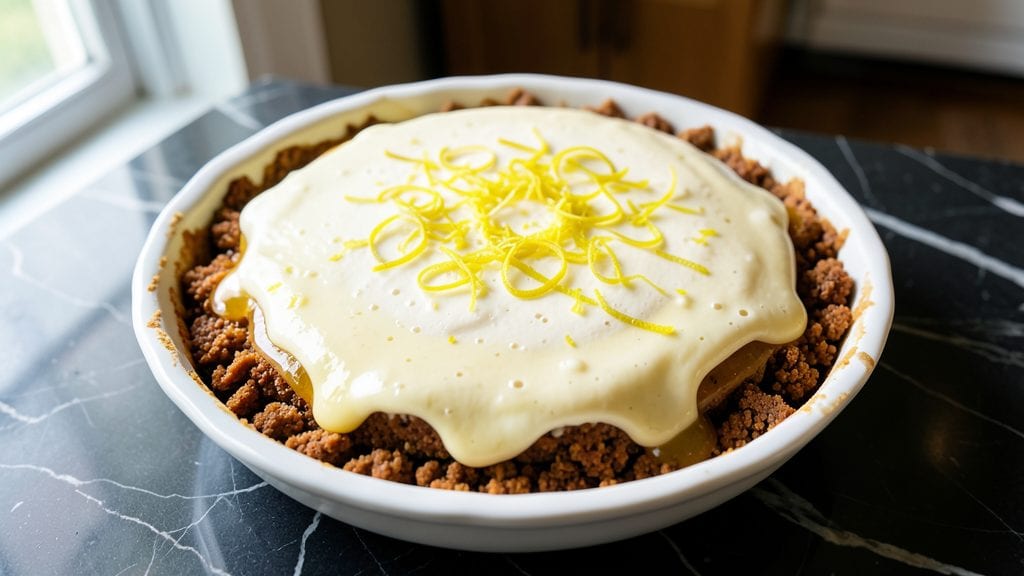
This Philadelphia cream cheese lemon cheesecake recipe delivers the perfect balance of tangy lemon and rich cream cheese in every bite, with a buttery crust that holds it all together.
The secret lies in the water bath baking technique, which ensures a silky texture without cracking, while the lemon swirl adds that bright, zesty contrast.
I've perfected this recipe over years of testing, and it consistently turns out with a creamy center and golden crust that looks as impressive as it tastes.
The crust starts with a simple combination of graham crackers and melted butter, pressed into a pan for that signature crispy base. Once baked, the filling comes together with Philadelphia cream cheese, sour cream, and a touch of lemon juice for that signature tang.
The key is mixing just until smooth—overmixing can introduce air bubbles that lead to cracks. This recipe requires precision but rewards you with a dessert that's both elegant and foolproof.
What makes this cheesecake truly special is the lemon swirl—thin ribbons of lemon curd folded into the batter before baking, creating pockets of citrusy flavor throughout.
After baking in a water bath at 325°F for 50-60 minutes, the cheesecake needs time to set properly, so chilling for at least 4 hours (or overnight) is essential.
The result is a dessert that's creamy, tangy, and perfectly set, with a glossy finish that makes it look like it came from a bakery.
Serve it with a dusting of powdered sugar, fresh berries, or a dollop of whipped cream for extra flair. This cheesecake is ideal for special occasions or when you want to impress guests with a dessert that's both beautiful and delicious. Let's get started on creating your perfect slice!
Ingredients for recipe for lemon cheesecake with philadelphia cream cheese
Philadelphia cream cheese and zesty lemon create this perfect dessert with buttery crust and silky filling.
| Ingredient | Amount | Notes |
|---|---|---|
| Philadelphia Cream Cheese 🧀 | 16 oz | Room temperature for smooth mixing |
| Sour Cream 🥛 | 1 cup | Full-fat for creaminess |
| Granulated Sugar 🍚 | 1 ½ cups | White or light brown |
| Fresh Lemon Juice 🍋 | ½ cup | From 2-3 large lemons |
| Large Eggs 🥚 | 4 whole | Room temperature preferred |
| Graham Cracker Crumbs 🍞 | 2 cups | Finely crushed, no large pieces |
| Unsalted Butter 🧈 | ½ cup | Melted, cooled slightly |
| Lemon Zest 🍋 | 1 tbsp | From 2-3 lemons, finely grated |
| Vanilla Extract 🌿 | 1 tsp | Pure vanilla preferred |
| Powdered Sugar 🍚 | 2 tbsp | For dusting top |
| Heavy Whipping Cream 🥛 | 1 cup | Optional for serving |
| Fresh Blueberries 🫐 | 1 cup | Optional garnish |
| Lemon Curd 🍋 | ½ cup | Store-bought or homemade |
| All-Purpose Flour 🌾 | 1 tbsp | For dusting pan |
The Philadelphia cream cheese is non-negotiable here—full-fat, room-temperature blocks (not tubs) ensure the smoothest texture. Kroger or Whole Foods carry the best quality, but any store's refrigerated section will work. For the lemon juice, fresh is critical—bottled lacks brightness. Organic lemons from the grocery store's produce section have more zest. The graham cracker crumbs should be finely crushed; pulse them in a food processor for even distribution. If you're using Pillsbury graham crackers, they're a reliable choice, but homemade crumbs add extra flavor. Butter should be melted but not hot—just warm enough to coat the crumbs evenly.
No sour cream? Full-fat Greek yogurt works in a pinch, though it adds tang. Substitute lemon curd with a mix of lemon juice + powdered sugar if needed (though texture may vary). Egg substitutes like flax eggs won't work here—they introduce moisture that disrupts the silky texture. For the lemon swirl, store-bought curd (like Bon Appétit or Smucker's) is fine, but homemade has superior flavor. If you can't find lemon zest, a mix of orange zest + extra lemon juice mimics the bright notes. Powdered sugar for dusting should be sifted—clumps ruin the presentation. The heavy whipping cream can be swapped for whipped coconut cream for a dairy-free option, though it alters the flavor slightly.
This cheesecake must chill at least 4 hours—overnight is ideal. Wrap tightly in plastic before refrigerating to prevent drying. For the lemon curd swirl, pipe it in thin ribbons before baking—don’t overmix the batter after adding it. The buttery crust keeps best at room temperature for 2 days, but the filling stays fresh 3-4 days covered in the fridge. Freeze portions for up to 2 months—thaw overnight in the fridge. Serve at room temperature for the best texture. The blueberries should be added just before serving to prevent sogginess.
Why You'll Love This Recipe
- No Mixer Needed: I swear by this recipe because it’s actually foolproof—just beat the cream cheese and sugar until smooth, no fancy equipment. The sour cream keeps it silky without overmixing, and the lemon juice brightens everything up in seconds.
- Zesty Tang Perfection: That fresh lemon juice? It’s not just flavor—it’s the star. The cream cheese gives it a rich, velvety base, while the citrus cuts through the sweetness like a cool breeze on a summer day. Honestly, it’s the kind of dessert that makes you go back for a third slice.
- Weeknight or Party: Make it ahead for a dinner party (it sets beautifully overnight) or whip it up in 30 minutes for a lazy Sunday. The crust? Just crushed graham crackers—minimal effort, maximum wow. Between us, this is my go-to for birthdays and "I just want something special" moments.
- Leftovers That Don’t Suck: Unlike most cheesecakes, this one actually tastes better the next day—if there’s any left. (Spoiler: there won’t be.) The texture holds up, and the lemon flavor deepens, making it my secret weapon for office potlucks or sneaky dessert stashes. Budget-friendly? Absolutely.
Step-by-step instructions for Philadelphia cream cheese lemon cheesecake
Here's the method for a silky-smooth lemon cheesecake with a buttery crust and vibrant swirls.
Prepare the Crust
Preheat your oven to 350°F. In a medium bowl, combine the 2 cups graham cracker crumbs with the 0.5 cup melted unsalted butter and 1 tablespoon all-purpose flour. Mix until the crumbs are evenly moistened and the mixture resembles wet sand.
Press the crumb mixture firmly and evenly into the bottom of a 9-inch springform pan, using the back of a measuring cup to create an even layer. Bake for 10 minutes until the crust is lightly golden and set. Remove from the oven and let cool slightly while you prepare the filling.
This crust forms the foundation of your cheesecake. Pressing it firmly prevents cracking later, and the short baking time ensures it stays crisp without becoming greasy. Let it cool just enough to handle but not completely, as warm crust absorbs the filling better.
Mix the Cheesecake Filling
In a large mixing bowl, beat the 16 oz Philadelphia cream cheese and 1 cup sour cream together on medium speed until completely smooth and creamy. This should take about 3-4 minutes—scrape down the sides of the bowl as needed to ensure even mixing.
Gradually add the 1.5 cups granulated sugar, mixing on low speed until fully incorporated. Then add the 4 whole large eggs, one at a time, mixing just until each egg is fully combined. This prevents overmixing, which can create air pockets and lead to cracks in the finished cheesecake.
Add the 0.5 cup fresh lemon juice and 1 tablespoon lemon zest, followed by the 1 teaspoon vanilla extract. Mix until all ingredients are fully blended and the batter is smooth. The mixture should be thick but pourable. Here's the thing—this is the moment that matters: the lemon flavor should be bright and noticeable, but not overpowering.
Create the Lemon Swirls
In a small bowl, whisk together the 0.5 cup lemon curd and 1 tablespoon lemon zest. Set aside. Pour half of the cheesecake filling into the prepared crust. Then, using a spoon or spatula, spread the lemon curd mixture evenly over the top layer of filling.
Finally, pour the remaining cheesecake filling over the lemon curd layer. Gently swirl the mixture with a knife or spatula to create marbled patterns, but don't overmix—you want distinct swirls of lemon curd throughout the cheesecake. This ensures each bite delivers bursts of lemon flavor.
Real talk: the swirls are what make this cheesecake special. If you're worried about the curd sinking, don't be—it's heavier and will stay in place during baking. The contrast between the creamy filling and tangy lemon creates the perfect balance.
Bake to Perfection
Place the springform pan in a water bath by setting it inside a larger roasting pan. Carefully pour hot water into the roasting pan until it reaches about halfway up the sides of the springform pan. This water bath helps the cheesecake bake evenly and prevents cracking.
Bake at 350°F for 50-60 minutes until the edges are set but the center still has a slight wobble. The cheesecake should pull away from the sides of the pan, and the top should look slightly puffed. Don't overbake—you want a creamy texture, not a firm one.
Your oven might run hot, so start checking at the 50-minute mark. If the edges brown too quickly, tent the pan with aluminum foil to prevent overbrowning. The water should be hot but not boiling—this gentle heat is key to a smooth finish.
Cool and Serve
Remove the cheesecake from the water bath and let it cool at room temperature for 1 hour. Then, refrigerate for at least 4 hours, or preferably overnight. This slow cooling process allows the cheesecake to set properly without developing cracks.
Before serving, dust the top with the 2 tablespoons powdered sugar and garnish with 1 cup fresh blueberries if desired. For an extra touch, whip the 1 cup heavy whipping cream to soft peaks and pipe it around the edges of the cheesecake before serving.
This cheesecake is best served chilled. The flavors deepen as it rests, and the texture becomes silky smooth. Each slice should reveal those beautiful lemon swirls and a perfectly set crust that holds its shape. Serve with a dollop of whipped cream and a sprinkle of powdered sugar for a restaurant-quality dessert.
Pro Tips For Making Recipe For Lemon Cheesecake With Philadelphia Cream Cheese
- Whip Cream Cheese Slowly: I learned this the hard way—blending cream cheese too fast at high speed introduces air, which can make your cheesecake dense or crack. Use the paddle attachment on low speed (around 300 RPM) until fully smooth, then gradually increase. The goal is to avoid overheating the fat and creating pockets of air that’ll betray you later.
- Strain Your Lemon Juice: Bottled lemon juice has pulp that can weigh down your batter and make the texture grainy. Strain fresh lemon juice through a fine-mesh sieve before measuring—yes, even if it’s from concentrate. The extra effort keeps your cheesecake light and bright, not muddy.
- Room Eggs for 30 Minutes: Cold eggs from the fridge can cause your batter to curdle or separate. Pull them out 30 minutes before mixing, and let them sit in their shells at room temperature. Cold yolks and whites behave unpredictably in dairy-heavy batters, and you don’t want a lumpy surprise when you pour.
- Water Bath Without Foil: Wrap your springform pan in two layers of parchment paper before submerging it in the water bath—no foil needed. The paper prevents the pan from overheating and makes cleanup a breeze. I used to skip this, and my cheesecakes would either overbake or stick like glue.
Regional styles of these flavors
Classic New England Style
In New England, this cheesecake gets a rustic twist with a graham cracker crust packed with chopped walnuts—about ½ cup mixed into the crumbs. The filling stays true to the original but often includes an extra 1 tablespoon of lemon zest for that bright coastal flavor.
Serve it with a whipped cream topping lightly sweetened with 2 tablespoons of powdered sugar and a sprinkle of crushed graham crackers for texture. The key here is the slow chill—New England bakers swear by 6 hours in the fridge to let the flavors meld perfectly. 🍋
Southern Lemon Swirl
Southern kitchens take this cheesecake and add a buttermilk crust—replace half the graham crackers with 1 cup crushed Ritz crackers mixed into the butter. The filling gets a splash of 1 tablespoon of buttermilk (about 2 tablespoons total) for extra tang.
The lemon swirl here is often homemade curd—simmer 1 cup sugar, ½ cup lemon juice, and 3 egg yolks until thickened, then fold into the batter. Bake in a 9-inch cast-iron skillet for a crispier crust, and finish with fresh blackberries instead of blueberries. 🍓
Midwest Buttery Twist
The Midwest version keeps the classic crust but swaps the lemon curd swirl for blueberry compote—simmer 1 cup frozen blueberries, 2 tablespoons sugar, and 1 teaspoon lemon juice until thick. Fold this into the batter before baking, creating pockets of bursting berry flavor.
The filling also includes 1 teaspoon of vanilla bean paste (not extract) for depth. Serve with a caramel drizzle made from ½ cup brown sugar and 2 tablespoons butter, heated until melted. This version is a crowd-pleaser at summer potlucks. 🥞
West Coast Citrus Fusion
West Coast chefs love to play with avocado—mash ½ ripe avocado into the filling for a creamy, rich texture without extra fat. The lemon swirl becomes a yuzu-lemon curd (mix ¼ cup yuzu juice with the lemon curd for a floral twist).
The crust often includes crushed almonds (about ½ cup) and a touch of orange zest. Garnish with toasted coconut flakes and a drizzle of honey for a sweet-tart balance. This version is lighter but still decadent—perfect for warm coastal climates. 🌴
European Philadelphia Style
In Europe, this cheesecake often uses Philadelphia Light (reduced-fat cream cheese) for a lighter texture, but the flavor stays rich. The crust might be digestive biscuits (like McVitie's) instead of graham crackers, crushed into fine crumbs.
The filling includes 1 tablespoon of mascarpone cheese for extra silkiness, and the lemon swirl is replaced with passion fruit curd for a tropical twist. Serve with raspberry coulis (blend 1 cup raspberries with 1 tablespoon sugar) for a sophisticated finish.
This version is popular in UK and Scandinavian bakeries. 🍓
Nutrition facts
Frequently asked questions
Why does my lemon cheesecake crack on top?
Cracking happens when the cheesecake cools too quickly or if you open the oven door too soon. Always use a water bath to bake, and let it cool gradually in the oven with the door slightly ajar for 15 minutes after baking. Also, avoid overmixing the batter—this introduces air bubbles that cause cracks.
Can I make this cheesecake without a water bath?
While possible, a water bath is critical for a smooth texture. Without it, the cheesecake may develop cracks or a dense center. If you must skip it, bake at 325°F instead of 350°F and cover the pan tightly with foil to retain moisture.
How do I store leftovers?
Wrap the cheesecake tightly in plastic wrap and refrigerate for up to 4 days. For longer storage, freeze slices in an airtight container for 2 months. Thaw overnight in the fridge to preserve texture. Avoid freezing the whole cheesecake—it can cause ice crystals.
What’s the best way to add extra lemon flavor?
For a brighter taste, increase the lemon zest to 2 tablespoons and add 1 tablespoon of lemon extract (not oil) to the filling. You can also replace ½ cup of the sour cream with Greek yogurt for extra tang.
Can I use a different crust instead of graham crackers?
Try a digestive biscuit crust (crush 2 cups and mix with ½ cup butter) or a shortbread crust (blend 1 cup flour, ½ cup sugar, and ½ cup cold butter). For a gluten-free option, use almond flour or crushed gluten-free cookies.