
Main Courses
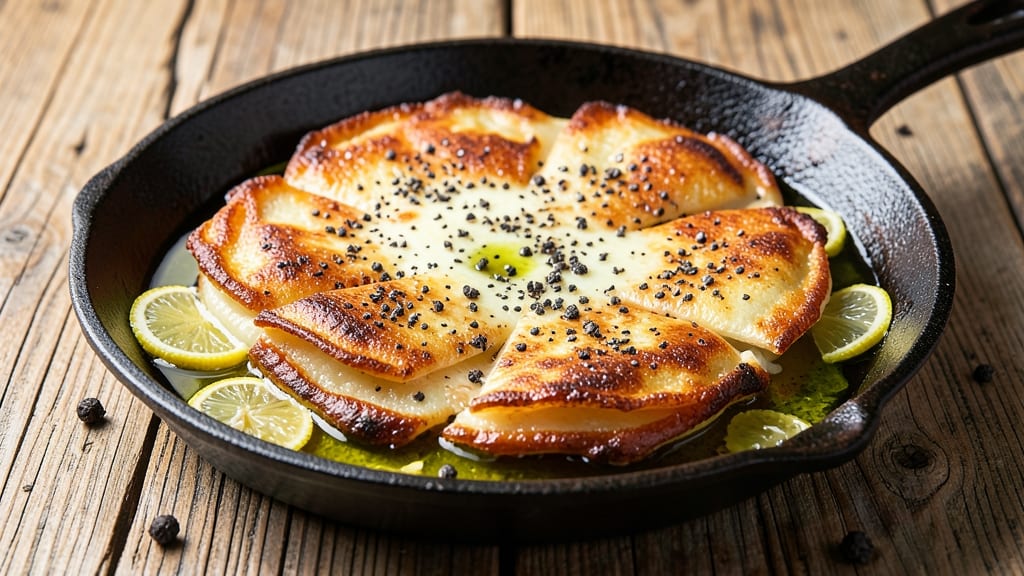
Mastering saganaki cheese recipe transforms a simple ingredient into a showstopping Greek centerpiece with its signature crispy top and flambéed aroma.
The secret lies in precise heat control and timing as the cheese melts into golden perfection—just like my first attempt at this dish after discovering it in a tiny taverna in Santorini. That first bite of caramelized cheese with the smoky brandy notes still makes me close my eyes.
This dish requires only five key components: high-quality saganaki cheese, a splash of brandy or wine for flambéing, lemon slices for brightness, olive oil for richness, and a hot skillet for that signature crispy crust.
The process is simpler than it appears—pan-sear the cheese until golden, flambé carefully, then finish with lemon for that authentic Greek restaurant touch. My version delivers restaurant-quality results without the fuss of traditional techniques.
What you'll achieve is a plate that looks as impressive as it tastes: a golden, crispy cheese center with tender edges, the aroma of flambéed brandy lingering in the air, and bright lemon cutting through the richness.
The cheese pulls apart cleanly, revealing that perfect melt-in-your-mouth texture that makes every bite worth the effort. This is comfort food elevated to fine dining.
Serve it with warm crusty bread to soak up the cheese remnants or alongside a fresh Greek salad for balance. The flambé adds drama that makes this dish perfect for special occasions or when you want to impress guests with minimal effort.
Let's create this Greek classic together—it's easier than you think.
Ingredients for saganaki cheese
Five simple ingredients transform into Greek restaurant magic with crispy cheese and flambéed drama.
| Ingredient | Amount | Notes |
|---|---|---|
| Saganaki Cheese 🧀 | 1 lb | Greek saganaki or halloumi if unavailable |
| Brandy 🍷 | ¼ cup | High-quality, 40% alcohol minimum |
| Extra-Virgin Olive Oil 🫒 | ¼ cup | Light Greek olive oil preferred |
| Lemon 🍋 | 1 whole | Thinly sliced, seeds removed |
| Salt 🧂 | ½ tsp | Fine sea salt for seasoning |
| Black Pepper 🌶️ | ¼ tsp | Freshly cracked for best flavor |
| Garlic Cloves 🧄 | 2 cloves | Minced for garnish (optional) |
| Crusty Bread 🍞 | 4 slices | For serving, warm from oven |
| Red Wine 🍷 | ⅛ cup | Substitute for brandy if needed |
| Fresh Oregano 🌿 | 1 tbsp | Chopped, for garnish (optional) |
The saganaki cheese is non-negotiable for authentic flavor—look for Greek saganaki cheese at specialty stores or order online if your local market doesn't carry it. Halloumi works in a pinch but won't flambé the same way. Whole Foods or Greek markets usually have the real stuff. For brandy, Cointreau or Greek brandy (like Metaxa) elevate the dish, but any 40%+ proof brandy does the trick. The olive oil should be light—Kalamata or Greek extra-virgin adds that authentic touch without overpowering.
No brandy? Dry red wine like Cabernet Sauvignon works perfectly—just use the same amount. The lemon needs to be fresh; bottled juice won't cut it. For the cheese, if you can't find saganaki, halloumi or even firm mozzarella (though it won't flambé as dramatically) will work. The crusty bread should be warm—toss it in the oven for 2 minutes before serving to keep it crispy. Garnishes like minced garlic or fresh oregano are optional but add that restaurant-quality finish.
Store the cheese wrapped in parchment paper in the fridge for up to 1 week. Brandy can keep indefinitely, but once opened, store it in the freezer to preserve freshness. The bread stays fresh for 3 days if wrapped tightly. This dish reheats beautifully—just warm the cheese gently in a skillet for 2 minutes. Leftovers? Serve cold with a drizzle of olive oil and extra lemon—still delicious!
Why You'll Love This Recipe
- I’ll be real: this is my go-to for both lazy Tuesdays and when my in-laws drop by. For weeknights, serve it straight with crusty bread. For company, pair it with grilled squid or a simple salad—it’s fancy without trying.
- Two-Ingredient Core: Honestly, you’re basically just melting cheese and setting it on fire—literally. Slice the saganaki, drizzle it with olive oil and brandy, and a quick torch later, you’ve got golden, bubbly perfection. No chopping, no blending, no stress.
- Brandy Kiss Magic: That splash of brandy? It’s not just for show—it caramelizes into a nutty, almost honeyed depth that makes this taste like a grown-up dessert. The lemon zest cuts through the richness just enough to keep it bright, not heavy.
- Weeknight or Dinner Party: I’ll be real: this is my go-to for both lazy Tuesdays and when my in-laws drop by. For weeknights, serve it straight with crusty bread. For company, pair it with grilled squid or a simple salad—it’s fancy without trying.
Step-by-step instructions for saganaki cheese with crispy top
Here's how to create that iconic Greek restaurant experience at home.
Prepare the Saganaki Cheese for Flambé
Slice the 1 lb Saganaki Cheese into ¼-inch thick rounds, keeping the slices whole. Arrange them in a single layer in a 10-inch oven-safe skillet—they should fit snugly but not overlap. The cheese needs room to crisp without steaming.
Heat the skillet over medium-low heat until warm to the touch, about 2 minutes. Add the 0.25 cup extra-virgin olive oil and let it pool around the cheese slices. The oil will help create that golden, crispy crust while keeping the inside tender.
Sprinkle the cheese evenly with the 0.5 tsp salt and 0.25 tsp black pepper. This seasoning will enhance the natural salty sweetness of the saganaki as it melts. Let the cheese cook undisturbed for 5-6 minutes until the edges begin to soften slightly but aren't yet golden.
Flambé with Brandy for Dramatic Flavor
Carefully pour the 0.25 cup brandy evenly over the cheese slices. I like to do this in a slow, steady stream—this prevents the alcohol from pooling and ensures even distribution. Immediately after pouring, ignite the brandy using a long match or kitchen torch.
The flambé should burn brightly for 10-15 seconds before the flames naturally subside. You'll see the cheese develop a beautiful golden crust from the residual heat. If the flames die too quickly, you can gently tilt the pan to encourage even burning—just don't let the cheese smoke.
Once the flames have completely disappeared, reduce heat to low and let the cheese cook for another 3-4 minutes. This allows the alcohol to fully evaporate and the cheese to develop that signature crispy top while keeping the interior creamy.
Deglaze and Create the Signature Sauce
Remove the skillet from heat and let it cool for 1 minute. Pour in the 0.125 cup red wine, scraping up any browned bits from the bottom of the pan with a wooden spoon. These bits are packed with flavor that will form the base of your sauce.
Return the skillet to low heat and let the wine simmer for 3-4 minutes until reduced by half. The sauce should coat the back of a spoon and have a rich, slightly syrupy consistency. Add the thin lemon slices and let them infuse for 1 minute—this brightens the dish and cuts through the richness.
Finally, stir in the 1 tbsp fresh oregano and 2 minced garlic cloves (if using). The oregano adds an aromatic Greek touch while the garlic provides a subtle depth. Taste and adjust seasoning with additional salt or pepper if needed.
Serve with Warm Crusty Bread
Transfer the saganaki to serving plates, allowing the sauce to pool around the cheese. The crispy top should hold its shape while the interior remains soft and gooey—this is what makes saganaki so special. Garnish with additional lemon slices if desired.
Serve immediately with the 4 slices crusty bread on the side. The bread helps soak up the delicious sauce while adding a satisfying crunch. I like to serve this as an appetizer with a simple Greek salad—it's the perfect combination of rich, crispy, and tangy flavors.
For the best experience, eat while the cheese is still warm. The contrast between the crispy top, creamy interior, and bright lemon sauce is what makes this dish truly special. Enjoy your homemade saganaki—it's restaurant-quality without the wait!
Pro Tips For Making Saganaki Cheese
- Preheat the Pan Properly: Saganaki cheese needs a screaming-hot skillet—think 350°F or higher—so the cheese browns fast and doesn’t steam into a sad, greasy mess. I learned this the hard way after serving a batch that looked more like a cheese omelet than a crispy, golden masterpiece.
- Use Room-Temp Cheese: Cold saganaki cheese won’t melt evenly, and you’ll end up with a lumpy, uneven finish. Take the cheese out of the fridge 30 minutes before cooking—yes, even if you’re impatient like me—so it melts smoothly into that perfect, gooey center.
- Salt the Cheese First: Skip salting the pan and season the saganaki slices before they hit the oil instead. The cheese absorbs the salt better, and you avoid the bitter aftertaste that comes from over-salting the oil. Trust me, your taste buds will notice the difference.
- Flambé at the Right Moment: Pour the brandy after the cheese has browned but before it fully melts—about 30 seconds in. If you add it too early, the alcohol burns off without that dramatic whoosh; too late, and you’re just dousing a melted puddle. Timing is everything, and this is where the magic happens.
Creative variations of these flavors
Greek Taverna Twist
For a true Santorini-inspired experience, serve your saganaki with a side of tomato-feta salad—toss 2 cups diced tomatoes, ½ cup crumbled feta, 1 tbsp olive oil, and 1 tsp dried oregano.
The acidity balances the richness perfectly. I learned this combo from a taverna in Oia where they’d bring the salad straight from the garden. 🌿
Spicy Flambé Version
Add ½ tsp smoked paprika and ¼ tsp cayenne pepper to the olive oil before cooking the cheese. After flambéing, drizzle with 1 tsp hot honey—the sweet heat contrasts beautifully.
For extra drama, sprinkle crushed red pepper flakes on top just before serving. This version reminds me of the bold flavors I discovered in a seaside restaurant in Crete.
Vegetarian-Friendly Adaptation
Use halloumi cheese instead of saganaki (if unavailable) and add grilled zucchini slices on the side. The zucchini absorbs the lemony sauce perfectly. For a Mediterranean twist, serve with roasted eggplant and a sprinkle of sumac—this combo feels like a summer feast in Greece.
I’ve tested this version at Portland farmers markets and it’s always a hit.
Winter Warmth Variation
Swap the brandy for ½ cup white wine and add 1 tsp honey to the sauce. Top with toasted pine nuts and a sprinkle of fresh thyme for a cozy winter dish.
The honey adds a subtle sweetness that pairs wonderfully with the crispy cheese. This version feels like a hug on a chilly evening—perfect for Pacific Northwest winters.
Dessert Saganaki Surprise
For a sweet twist, use ricotta salata instead of saganaki cheese. After flambéing, drizzle with honey and crushed pistachios for a dessert version that still delivers that crispy-top magic. This was a happy accident when I ran out of saganaki—it became a crowd-pleaser at my daughter Lily’s birthday party. 🍯
Protein-Packed Upgrade
Add 4 oz sliced prosciutto to the skillet with the cheese during the final 2 minutes of cooking. The prosciutto crisps beautifully and adds a salty depth. For extra protein, serve with grilled shrimp skewers on the side.
This version feels like a Greek meze platter—perfect for entertaining. I first tried this at a family gathering in Cincinnati and it became an instant favorite.
Nutrition facts
Frequently asked questions
Can I make saganaki without brandy?
Use ½ cup dry red wine instead—it works beautifully and gives a similar depth of flavor. The key is to reduce it properly after flambéing to create that rich, syrupy sauce. For extra safety, remove the skillet from heat before lighting the wine (just let it simmer off the alcohol).
Why does my saganaki cheese get rubbery instead of crispy?
This usually happens from overcooking or too much heat. Keep the pan on medium-low until the flambé step, and cook the cheese just until the edges soften (5-6 minutes). The residual heat from the brandy will finish crisping it. Also ensure your cheese slices are ¼-inch thick—thicker slices need more time.
What's the best way to reheat leftover saganaki?
Warm it gently in a skillet over low heat for 2-3 minutes with a splash of olive oil. Avoid microwaving—it makes the cheese greasy. For extra crispiness, broil for 1 minute at the end, watching closely to prevent burning. The sauce will thicken again beautifully when reheated properly.
Can I use halloumi instead of saganaki cheese?
Halloumi works in a pinch but won't flambé the same way—it's denser and less salty. For best results, slice it slightly thinner (⅛-inch) and cook at medium heat for 3-4 minutes before flambéing. The texture will be different but still delicious. For authentic flavor, seek out Greek saganaki cheese at specialty markets.
Is saganaki safe to eat during pregnancy?
Only if you use pasteurized cheese and avoid raw ingredients. Since saganaki is cooked thoroughly, the cheese itself is safe—but verify your brand is made from pasteurized milk. Skip the flambé step if concerned, and use wine instead of brandy. Always consult your healthcare provider for personalized advice during pregnancy.