
Main Courses
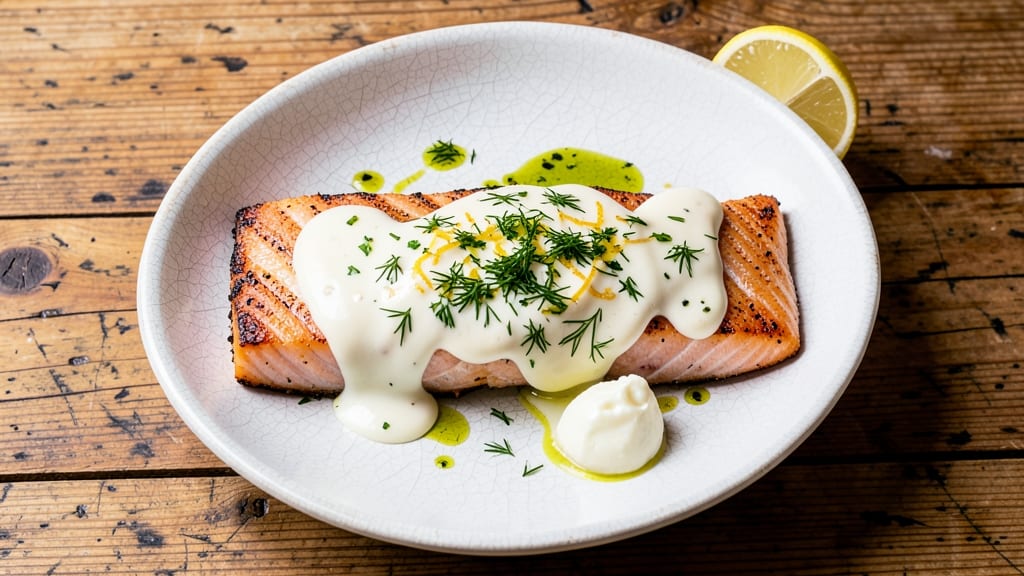
This salmon with cream cheese recipe combines the best of two worlds—flaky, pan-seared salmon with a velvety herbed crème fraîche that ties everything together. I developed it after years of testing ways to elevate simple weeknight dinners, and this one never fails to impress.
The cream cheese adds a luxurious touch without overpowering the delicate salmon flavor, while fresh herbs keep it bright and fresh.
The secret here is twofold: searing the salmon skin-side down in a hot pan until crispy, then finishing it gently to keep the inside tender. Meanwhile, the cream cheese sauce gets whipped up in minutes with a splash of lemon juice and fresh dill—no fancy techniques required.
It’s the kind of dish that feels special but comes together in under 30 minutes, perfect for when you want to impress without spending hours in the kitchen.
What you’ll end up with is golden, crisp-skinned salmon that flakes apart at the touch of a fork, served with a silky herbed cream sauce that clings to every bite.
The combination is rich, creamy, and perfectly balanced—creamy enough to feel indulgent but fresh enough to stand up to simple sides like roasted asparagus or a crisp green salad. It’s the kind of meal that makes you feel like you’ve cooked a restaurant-worthy dinner without the fuss.
Serve it over a bed of quinoa or with some crusty bread to soak up that creamy sauce. Here’s how to make it—simple, foolproof, and absolutely delicious.
Ingredients for salmon with cream cheese
Six simple ingredients transform into a restaurant-worthy salmon masterpiece—crispy skin, flaky flesh, and velvety herbed crème fraîche sauce.
| Ingredient | Amount | Notes |
|---|---|---|
| Center-Cut Salmon Fillets 🐟 | 4 whole | Skin-on, 6-8 oz each |
| Full-Fat Crème Fraîche 🧀 | ½ cup | Not sour cream (trust me!) |
| Fresh Dill 🌿 | ¼ cup | Chopped, stems removed |
| Lemon Juice 🍋 | 2 tbsp | Freshly squeezed, no pulp |
| Extra-Virgin Olive Oil 🫒 | 2 tbsp | For searing salmon |
| Unsalted Butter 🧈 | 2 tbsp | Cold, cubed (full-fat) |
| Garlic Cloves 🧄 | 2 cloves | Minced, fresh only |
| Shallots 🧅 | 2 whole | Minced, or sub 2 tbsp onion |
| Salt 🧂 | 1 ½ tsp | Kosher or sea salt |
| Black Pepper 🌶️ | ½ tsp | Freshly cracked |
| Heavy Cream 🥛 | ¼ cup | Optional for extra richness |
| Fresh Chives 🌱 | 2 tbsp | Chopped, for garnish |
The salmon is everything here—center-cut fillets with skin are non-negotiable. Whole Foods or your fishmonger will have the best quality, but the grocery store seafood case works too. Look for fillets with a vibrant pink color and minimal bruising. If you can't find center-cut, ask for skin-on portions—the crispy skin is what makes this dish. I always buy wild-caught Alaskan salmon when possible, but farmed works in a pinch. Store fresh salmon in the coldest part of your fridge, wrapped in paper towels, and use within 2 days for peak texture.
No crème fraîche? Full-fat sour cream plus 1 tbsp heavy cream gets you close, but it won't be as tangy or smooth. Fresh dill is ideal, but dried dill at half the amount works if you're in a bind. The shallots can be swapped for green onions if you're lazy (just use the whites), and the garlic can be pre-minced from a jar—no one will judge. For extra richness, add the heavy cream to the sauce, but it's not required. The lemon juice? Meyer lemons add a hint of sweetness, but regular lemons work perfectly fine. If you're feeling fancy, add a pinch of cayenne to the sauce for a subtle kick—trust me, it's amazing.
This sauce reheats beautifully—just warm it gently on the stove or microwave for 20-30 seconds. The salmon itself is best served immediately, but you can reheat gently in a warm pan if needed. Store leftovers in an airtight container for up to 3 days, though I rarely have any left. For meal prep, portion the sauce separately and assemble everything fresh—the sauce tastes even better the next day once the flavors meld. If you're serving this for a crowd, double the sauce recipe—it disappears fast!
Why You'll Love This Recipe
- I’ll be real: most salmon leftovers turn into sad, dry rubber. Not this. The crème fraîche keeps it moist, and the lemon cuts through any richness, so reheating it the next day feels like a treat. Pack it for lunches or toss it into a grain bowl—it’s my secret weapon for making dinner stretch without sacrificing flavor.
- One-Pan Magic: I swear by this for nights when I’d rather not scrub dishes. Just pat the salmon dry, slather it with that tangy crème fraîche-dill mix, and let the oven do the work—no flipping, no fuss. The lemon juice brightens everything while you’re prepping, so the whole kitchen smells like a fresh catch.
- Creamy-Dill Crunch: Between us, this combo is dangerously good. The full-fat crème fraîche melts into the salmon just enough to stay rich but not heavy, while the dill adds that herby punch that makes you forget about sad desk lunches. A squeeze of lemon at the end? That’s the secret handshake—sharp, clean, and impossible to resist.
- Weeknight to Dinner Party: Honestly, I’ve served this to my book club and my lazy Sunday brunch crew, and no one batted an eye. For weeknights, it’s my go-to with crusty bread and a simple salad. For company, add a drizzle of olive oil and a sprinkle of flaky salt—suddenly, it’s fancy. The salmon’s center-cut richness holds up, so you’re not left with dry, sad fish.
Step-by-step instructions for pan-seared salmon with herbed crème fraîche
This method delivers perfectly crispy skin and luscious, herbed crème fraîche that melts into every bite.
Prepare the Herbed Crème Fraîche Mixture
In a small bowl, combine the 0.5 cup full-fat crème fraîche, 0.25 cup chopped fresh dill, 2 tbsp lemon juice, 1.5 tsp salt, and 0.5 tsp black pepper. Mix until smooth and well incorporated. This mixture is the star of the dish—its tangy, herby richness balances the salmon's natural oils beautifully.
For extra richness, stir in the 0.25 cup heavy cream at this stage. Let the mixture sit at room temperature while you cook the salmon—this allows the flavors to meld together perfectly. If you're using the optional heavy cream, now's the time to add it so it blends seamlessly.
Sear the Salmon to Golden Perfection
Pat the 4 whole center-cut salmon fillets completely dry with paper towels—this is critical for crispy skin. Season both sides generously with any remaining salt and pepper. Heat a large skillet over medium-high heat and add 2 tbsp extra-virgin olive oil and 2 tbsp cold cubed unsalted butter. Let the butter melt and foam subside before adding the salmon.
Place the salmon skin-side down in the skillet. Press down gently with a spatula for 10 seconds to ensure contact with the pan. Cook undisturbed for 4-5 minutes until the skin is deep golden brown and crispy. You'll know it's ready when it releases easily from the pan—this is the moment that matters. Flip carefully and cook for another 2-3 minutes until the salmon reaches an internal temperature of 130°F for medium-rare.
Build the Flavorful Shallot-Garlic Base
While the salmon cooks, remove the fillets from the skillet and set aside. In the same pan (no need to clean it—the browned bits are flavor gold), reduce heat to medium and add the 2 minced garlic cloves and 2 minced shallots. Sauté for 2-3 minutes until the shallots soften and become translucent, but don't let them brown—they should still have a slight bite.
Here's where it gets fun—pour in 1 tbsp lemon juice and let it simmer for 30 seconds to brighten the flavors. The acidity cuts through the richness of the crème fraîche, creating a perfect balance. Keep the pan warm while you finish the salmon.
Assemble and Finish the Dish
Return the seared salmon fillets to the skillet with the shallot-garlic mixture. Spoon the herbed crème fraîche mixture over the top of each fillet, letting it melt slightly from the residual heat. The salmon's natural oils will emulsify with the crème fraîche, creating a luxurious sauce that clings to every bite.
Cover the skillet and let it steam gently for 1-2 minutes—this allows the crème fraîche to thicken slightly and coat the salmon evenly. The salmon should be opaque throughout with a flaky texture when tested with a fork. Garnish immediately with 2 tbsp chopped fresh chives for a pop of color and freshness.
Serve with Confidence
Transfer the salmon to warmed plates, spooning any remaining sauce from the skillet over the top. Serve immediately while the crème fraîche is still slightly warm and melty—this is when it's at its absolute best. The contrast of crispy skin, tender flesh, and creamy herbed sauce makes this dish truly special.
For the best experience, pair with steamed asparagus or a simple arugula salad. The bright acidity of the greens cuts through the richness perfectly. This recipe is all about balance—crispy, creamy, herby, and tangy all in one incredible bite!
Pro Tips For Making Salmon With Cream Cheese
- Pat the salmon dry: Crème fraîche and olive oil won’t stick properly if your fillets are damp. Grab paper towels and press firmly—this isn’t the time to be gentle. A dry surface guarantees a better sear and keeps the cream cheese mixture from sliding off.
- Use room-temperature crème fraîche: Cold crème fraîche spreads like glue and won’t blend smoothly. Take it out of the fridge 30 minutes before mixing—yes, even if you’re impatient. It’ll whip into a silky, spreadable texture that clings to the salmon instead of clumping.
- Don’t overcook the dill: Fresh dill wilts fast and turns bitter when overhandled. Chop it right before mixing and fold it in gently at the very end—just enough to brighten the dish without turning it into a sad, limp garnish.
- Sear skin-side down first: Place the salmon skin-side down in a hot, oiled pan and let it sizzle for 4-5 minutes until the skin crisps. Flip carefully, then add the cream cheese mixture—this keeps the fillets from breaking apart and ensures the skin stays intact (no one likes a naked salmon).
Common mistakes when making this dish
Skipping the Pat Dry
I’ve seen this mistake more times than I can count—salmon that refuses to crisp up because someone skipped the pat dry step. Wet skin won’t brown properly, and you’ll end up with sad, limp fillets instead of golden, crispy perfection.
Grab paper towels and press firmly on both sides of each fillet. This isn’t optional; it’s the foundation of crispy skin. 🧻
Overcrowding the Pan
If you’re cooking multiple salmon fillets, resist the urge to pile them all in the pan at once. Overcrowding drops the pan’s temperature, leading to steamed (not seared) salmon. Cook one fillet at a time, or if you must do two, leave space between them.
A 12-inch cast-iron skillet is my go-to for this recipe—it gives enough room to work without overpacking. 🔥
Ignoring the Butter Foam
When you add cold butter to the hot pan, it will foam and bubble wildly. This is normal, but if you rush to add the salmon too soon, the butter won’t brown properly, and your skin won’t crisp.
Let the butter foam for 30 seconds before gently placing the salmon in the pan. Patience here makes all the difference. ⏳
Flipping Too Early
The skin needs time to develop that deep golden crust—don’t flip the salmon before it’s ready. Test for readiness by gently pressing down on the fillet with a spatula. If it releases easily and the skin looks deep brown and crispy, it’s time to flip.
If you flip too soon, you’ll end up with broken skin and uneven cooking. Trust the process!
Using Low-Quality Crème Fraîche
Not all crème fraîche is created equal. If you grab the first tub from the store without checking the fat content, you might end up with a sauce that’s too thin or tangy.
Look for full-fat crème fraîche (at least 30% fat)—brands like Trader Joe’s or Kirkland Signature are reliable. If you’re using sour cream as a substitute, add 1 tbsp heavy cream to mimic the texture. The sauce should be silky and velvety, not watery. 🧀
Overcooking the Salmon
Salmon cooks fast, and once it’s done, it keeps cooking off the heat. Aim for an internal temperature of 130°F for medium-rare (or 145°F for well-done). If you let it sit in the pan too long after flipping, it’ll turn rubbery.
Use a meat thermometer to avoid guesswork—it’s the only way to nail the perfect doneness every time. 🌡️
Nutrition facts
Frequently asked questions
Can I substitute cream cheese for crème fraîche?
Yes, but with adjustments! Use 8 oz cream cheese mixed with 1 tbsp heavy cream to mimic crème fraîche's texture. The sauce will be richer but slightly less tangy. For extra brightness, add 1 extra tbsp lemon juice to compensate for the milder flavor.
How do I keep the salmon from sticking to the pan?
Pat the fillets completely dry first, then heat the pan until it's smoking hot before adding oil and butter. The high heat creates a nonstick barrier. If it still sticks, your pan isn't hot enough—wait 30 seconds longer before adding salmon.
What's the best way to reheat leftovers?
Reheat only the sauce portion (without salmon) in a saucepan over low heat for 2 minutes, then gently warm the salmon in a separate pan for 1 minute per side. Never microwave—it turns the salmon rubbery. The sauce reheats beautifully but loses slight thickness.
Can I make this ahead of time?
Prepare the herbed crème fraîche 1 day ahead and store in an airtight container. Cook the salmon fresh and assemble just before serving. The sauce actually improves overnight as flavors meld, while the salmon stays best when cooked to order.
What sides pair best with this dish?
Bright, acidic sides cut through the richness: try lemon-herb roasted asparagus, crisp arugula salad with shaved fennel, or wild rice pilaf. For heartier meals, add crusty sourdough to soak up the sauce. The contrast makes every bite perfect.