
Desserts
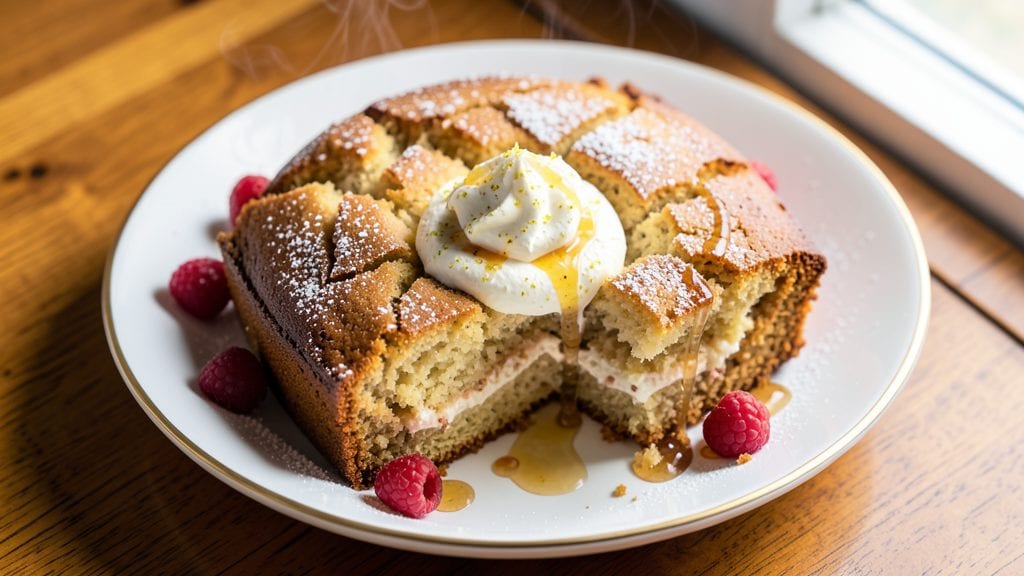
This sour cream cream cheese pound cake delivers the perfect balance of ultra-moist layers and a buttery crust that separates it from every other cake recipe.
The secret lies in the precise ratio of tangy sour cream and rich cream cheese, which creates a tender crumb that stays moist for days.
I developed this version after years of baking pound cakes that either dried out too quickly or became dense—this one solves both problems with a foolproof technique.
The key to achieving that signature texture begins with room-temperature ingredients and a gentle folding method that incorporates air without overmixing. A warm oven spring ensures a high rise, while the buttery crust adds an irresistible golden finish.
This isn't just another cake—it's a showstopper that holds its shape while delivering that signature melt-in-your-mouth tenderness.
What makes this recipe truly special is its versatility. Serve it plain with a dusting of powdered sugar for a classic presentation, or top it with a cream cheese glaze for extra decadence. The flavor profile is rich yet balanced, with just enough tang to cut through the sweetness.
Whether you're baking for a celebration or simply craving a slice of comfort, this cake delivers professional-quality results every time.
For those with dietary considerations, Greek yogurt makes an excellent sour cream substitute without compromising texture. The baking time of 50-60 minutes at 350°F ensures a perfectly set interior with a tender crumb.
Let's get started on creating your next favorite cake—one that's as impressive to serve as it is delicious to eat.
Ingredients for sour cream cream cheese pound cake
Room-temperature ingredients and a few key pantry staples make this ultra-moist cake shine.
| Ingredient | Amount | Notes |
|---|---|---|
| All-Purpose Flour 🌾 | 3 ½ cups | Sifted for light texture |
| Granulated Sugar 🍚 | 2 ½ cups | White or light brown |
| Sour Cream 🥛 | 1 cup | Full-fat, room temperature |
| Cream Cheese 🧀 | 8 oz | Full-fat, room temperature |
| Unsalted Butter 🧈 | 1 ½ cups | Room temperature, cubed |
| Large Eggs 🥚 | 4 whole | Room temperature |
| Vanilla Extract 🌸 | 2 tsp | Pure vanilla preferred |
| Baking Powder 🧂 | 2 ½ tsp | Diamond Crystal preferred |
| Salt 🧂 | ½ tsp | Fine sea salt |
| Powdered Sugar 🍚 | 1 cup | For dusting and glaze |
| Heavy Cream 🥛 | ½ cup | For glaze option |
| Lemon Zest 🍋 | 1 tbsp | Optional for brightness |
The sour cream and cream cheese are non-negotiable here—they're what give this cake its signature tender crumb. Full-fat versions only—low-fat cuts won't deliver that melt-in-your-mouth texture. Grab Philadelphia brand cream cheese if you're at the grocery store, but any full-fat block works too. For sour cream, I always go with La Choy or Breakstone—they're reliable and affordable. Room temperature is critical; pop them in warm water for 10 minutes if they're straight from the fridge. The butter? Land O'Lakes or Plugrah are my go-tos, but any unsalted brand will work. Don't forget to cube it—big chunks won't mix properly.
No sour cream? Greek yogurt works in a pinch, but it'll be slightly tangier. Cream cheese short on hand? Substitute with ricotta at half the amount, though the texture will be a little denser. The vanilla extract can be imitation if you're on a budget, but pure Madagascar bourbon vanilla takes this cake to the next level. For the sugar, I prefer white for a classic pound cake flavor, but light brown adds subtle depth. The lemon zest is optional, but it brightens up the whole thing—just make sure it's freshly zested. If you're making a cream cheese glaze, the heavy cream should be cold when you whip it.
This cake keeps beautifully—3 days at room temperature wrapped in foil, or 1 week in the fridge once sliced. For longer storage, freeze slices for up to 3 months. The glaze sets quickly, so have it ready before you pull the cake from the oven. I like to brush the warm cake with simple syrup (equal parts sugar and water heated until dissolved) before dusting with powdered sugar—keeps it moist for days. Double the recipe? Use two 9-inch pans or one 10-inch tube pan. The extra effort is worth it for a crowd.
Why You'll Love This Recipe
- No Mixer Needed: I swear by this recipe—just fold the sour cream and softened cream cheese into the batter by hand. The texture stays impossibly tender, and honestly? My stand mixer gets a break.
- Rich Without Effort: That combo of sour cream and cream cheese? It’s like a hug for your taste buds. The butter keeps it moist, but the tang from the dairy cuts through the sweetness—perfect for when you want something decadent but not cloying.
- Weeknight Hero: Slice it for breakfast, pack it for lunch, or serve it at brunch—this cake handles it all. Between us, I’ve even used it as a base for cheesecake bars. (Yes, even on a Tuesday night.)
- Budget-Friendly Luxury: You’re using pantry staples here—flour, sugar, butter—and the cream cheese adds that restaurant-worthy richness without breaking the bank. A single batch feeds six, and leftovers? They vanish faster than I can say “second slice.”
Step-by-step instructions for sour cream cream cheese pound cake
This cake comes together with simple steps that guarantee ultra-moist layers every time.
Cream Butter, Sugar, and Cream Cheese Together
In a large mixing bowl, combine the 1.5 cups unsalted butter, 2.5 cups granulated sugar, 8 oz cream cheese, and 1 tbsp lemon zest. Using an electric mixer on medium-high speed, beat for 3-4 minutes until the mixture is light, fluffy, and completely smooth. You'll notice the cream cheese softens and blends seamlessly with the butter and sugar.
This step is crucial for creating that signature tender crumb. The cream cheese adds richness while keeping the cake moist, and the lemon zest brightens the flavor. Make sure all ingredients are at room temperature—this prevents lumps and ensures even mixing.
Add Eggs and Vanilla Extract
Add the 4 whole large eggs, one at a time, mixing well after each addition. After all eggs are incorporated, stir in the 2 tsp vanilla extract. Mix on medium speed for another 1-2 minutes until the mixture is thick and pale. You'll see the batter lighten in color and nearly double in volume.
Adding eggs one at a time prevents curdling and ensures each egg is fully incorporated. The vanilla extract enhances the flavor without overpowering the buttery base. If the mixture looks too thick, don't worry—it will come together perfectly in the next step.
Alternate Adding Dry Ingredients and Sour Cream
In a separate bowl, whisk together the 3.5 cups all-purpose flour, 2.5 tsp baking powder, and 0.5 tsp salt. With the mixer on low speed, add one-third of the dry ingredients, then the 1 cup sour cream, mixing just until combined. Repeat this process, ending with the final third of dry ingredients. Mix only until the flour is just incorporated—overmixing develops gluten and makes the cake tough.
The alternating method keeps the cake tender and moist. The sour cream adds moisture and a slight tang that balances the sweetness. Mix just until combined to maintain that light, airy texture we're after.
Prepare the Buttery Crust and Assemble
Grease and flour two 9-inch round cake pans or line them with parchment paper. In a small bowl, melt 2 tablespoons of the butter and brush it evenly over the bottom of each pan. Sprinkle 1 tablespoon of granulated sugar over the bottom of each pan. Divide the batter evenly between the two pans.
This buttery crust adds a delicious flavor and helps create that perfect golden-brown bottom. The sugar caramelizes slightly during baking, adding extra sweetness and texture. Tap the pans gently on the counter to remove any air bubbles and ensure even baking.
Bake Until Golden and Moist
Preheat your oven to 350°F. Bake the cakes for 25-30 minutes, or until a toothpick inserted into the center comes out clean. The edges should be golden brown, and the top should spring back when gently pressed. Rotate the pans halfway through baking for even browning.
Don't overbake—this cake should be moist, not dry. The internal temperature should reach 205-210°F for perfect doneness. Let the cakes cool in the pans for 10 minutes, then transfer to a wire rack to cool completely before frosting.
Prepare the Glaze (Optional)
In a small saucepan, combine the 1 cup powdered sugar, 0.5 cup heavy cream, and 1 tbsp lemon zest. Cook over low heat, stirring constantly, until the mixture is smooth and glossy. Remove from heat and let it cool for 5 minutes before drizzling over the cooled cake layers.
This glaze adds a sweet, creamy finish that complements the cake's rich flavor. If you prefer a simpler presentation, dust the cake with powdered sugar instead. The glaze should be thick enough to drip slightly but not run off the cake.
Pro Tips For Making Sour Cream Cream Cheese Pound Cake
- Mix Cream Cheese Cold: Take the cream cheese straight from the fridge—no thawing, no softening. I learned this the hard way after trying to blend it at room temp and ending up with greasy lumps instead of a smooth batter. The cold fat cuts cleanly into the butter and sugar, giving you that signature tender crumb.
- Don’t Overmix the Batter: Stop folding when you see streaks of flour—no need to "fully incorporate" like a muffin batter. I used to beat this like a pancake mix, and the cake turned dense and tough. This isn’t a cake that needs aeration; it’s about gentle layers.
- Grease the Pan Hot: Warm your bundt pan or springform dish for 30 seconds in the oven before adding butter and flour. I skipped this once and ended up with a cake that stuck like glue—even after greasing. The heat melts the butter instantly, creating a nonstick barrier that actually works.
- Test for Doneness Early: This cake sets fast—pull it when the center reads 205°F (not 212°F like most cakes). I’ve walked away too long, and the texture turns gummy instead of moist. If you’re unsure, poke with a skewer: it should come out clean but still slightly damp.
Make-ahead tips for this dish
Prep Ahead Strategy
This cake is perfect for making ahead—prepare the batter up to 24 hours in advance and store it in an airtight container in the refrigerator. The flavors meld beautifully overnight, and the batter will be perfectly room temperature when you're ready to bake.
I like to mix everything the night before, cover it tightly with plastic wrap pressed directly on the surface, and let it sit at room temperature for 30 minutes before dividing into pans. This ensures the butter and cream cheese are perfectly softened without melting. 💡
Baking in Advance
Bake the cake 1 day ahead of serving for the best results. Once completely cooled, wrap each layer tightly in plastic wrap and place them in an airtight container at room temperature. The cake will stay moist and tender for up to 3 days.
If you need to store it longer, slice the cake and freeze individual portions in quart-sized freezer bags for up to 3 months. Thaw overnight in the fridge before serving. The texture remains perfect—no soggy or dry surprises! ❄️
Glaze Prep Tips
Make the cream cheese glaze 1 day ahead and store it in a small airtight container in the refrigerator. The flavors deepen slightly, and the texture becomes even smoother. To reheat, microwave for 10-15 seconds and stir until glossy again.
For an extra-professional touch, strain the glaze through a fine-mesh sieve before storing to remove any lumps. I also like to add 1 tsp lemon juice to the glaze mixture when making it ahead—it brightens the flavor even more after chilling. 🍋
Layer Assembly Tricks
Assemble the cake layers 4-6 hours before serving to allow the glaze to set properly. Place the first layer on a wire rack over a baking sheet, then spread 2-3 tablespoons of glaze evenly over the top. Stack the second layer and repeat.
For extra stability, use toothpicks to secure the layers while the glaze sets. If you're short on time, assemble the cake 1 hour ahead and keep it in a cool place (like the fridge) until ready to serve. The glaze will hold its shape beautifully. ✨
Freezing Fully Assembled
For special occasions, freeze the fully assembled cake (including glaze) for up to 1 month. Wrap it tightly in plastic wrap, then place it in a freezer bag with all the air squeezed out. Thaw in the fridge overnight before serving.
The glaze might soften slightly, so let the cake sit at room temperature for 30 minutes before slicing. This method is perfect for holiday desserts or when you need to bake ahead for a big gathering. The cake will taste just as fresh as the day it was made! 🎄
Portioning for Meal Prep
Slice the cake into 12 equal wedges and store them individually in small airtight containers for easy grab-and-go portions. Each serving will be perfectly portioned for lunchboxes or quick snacks. To reheat, microwave each slice for 10-15 seconds—just enough to warm the glaze without drying out the cake.
Label the containers with the date and store them in the fridge for up to 5 days or freeze for 3 months. This makes it easy to enjoy a slice of this decadent cake without the hassle of slicing a whole layer. 💪
Nutrition facts
Frequently asked questions
Why does this cake stay moist longer than other pound cakes?
The combination of sour cream and cream cheese creates a denser crumb that retains moisture exceptionally well. The sour cream adds fat and acidity that slows moisture evaporation, while the cream cheese contributes richness that keeps the texture tender. Plus, the buttery crust seals in freshness for days!
Can I make this cake in a single 9-inch pan instead of two?
Yes, but reduce the baking time to 45-50 minutes at 350°F. The cake will be thicker and denser since you're baking a single layer. For best results, use a 9x13-inch pan instead—it gives you a sheet cake with the same moist texture. Just reduce the batter by 25% to account for the larger surface area.
What's the best way to store leftovers to keep them fresh?
Wrap individual slices tightly in plastic wrap and store them in an airtight container at room temperature for 2 days. For longer storage, freeze slices for up to 3 months. To reheat, microwave each slice for 10-15 seconds—just enough to soften the glaze without drying the cake. The secret is never stacking layers in the fridge!
Can I substitute Greek yogurt for the sour cream?
Use 1 cup plain Greek yogurt instead of sour cream, but expect a slightly tangier flavor. For a milder taste, mix ½ cup Greek yogurt with ½ cup buttermilk. The texture will be just as moist—Greek yogurt has similar fat content that keeps the cake tender. Just make sure it's full-fat for best results.
How do I fix a cake that's cracked on top?
Cracking usually happens from overmixing or opening the oven too soon. If it's minor, cover the cracks with extra glaze or powdered sugar. For severe cracks, slice the cake horizontally and layer it with extra cream cheese frosting between slices. The good news? Cracks don't affect the moist texture—this cake is delicious regardless!