
Side Dishes
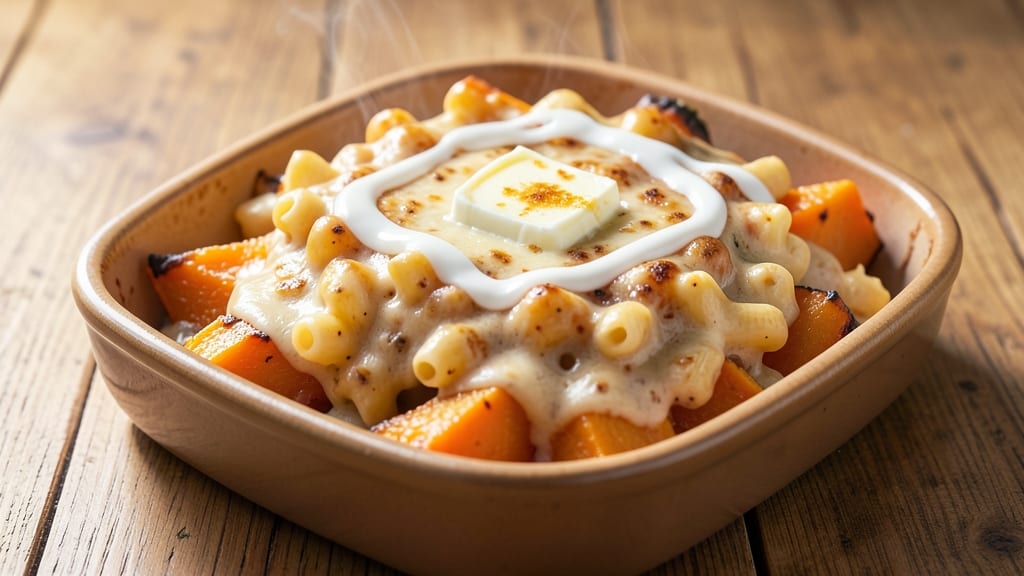
This squash mac and cheese recipe transforms a classic comfort dish into something unexpectedly sophisticated—where tender pasta meets a velvety cheese sauce infused with roasted squash's natural sweetness. The key lies in caramelizing butternut squash until it melts into the sauce, adding depth without overpowering the rich cheddar blend.
I developed this version after realizing store-bought mac and cheese could never compete with homemade, especially when elevated by seasonal produce.
The technique is straightforward but precise: roast the squash until caramelized, blend it into a silky purée, then incorporate it into a classic cheese sauce made with sharp cheddar, Gruyère, and a touch of cream. This method delivers creamy texture while balancing sweet and savory notes perfectly.
The result is a side dish that feels both nostalgic and refined—ideal for holiday tables or weeknight dinners when you want something special without the fuss.
What sets this apart is how the squash transforms the sauce from ordinary to extraordinary, creating a dish that's rich yet lighter than traditional versions. The pasta remains al dente while soaking up the luxurious sauce, and the caramelized squash adds visual appeal with its golden flecks.
This is mac and cheese reimagined—comfort food with a modern twist that still feels like a childhood favorite.
Serve with a sprinkle of toasted breadcrumbs for texture or a drizzle of maple syrup to enhance the squash's natural sweetness. The balance of flavors makes it versatile enough for any meal, from family dinners to festive gatherings.
Ready in about 45 minutes, this recipe proves you don't need complicated techniques to create something memorable.
Ingredients for squash mac and cheese
Sixteen ingredients transform classic mac and cheese into a sophisticated dish where roasted squash meets velvety cheese sauce.
| Ingredient | Amount | Notes |
|---|---|---|
| Butternut Squash 🎃 | 2 lbs | Medium-sized, peeled and cubed |
| Extra-Sharp White Cheddar Cheese 🧀 | 2 cups | Shredded, block preferred |
| Gruyère Cheese 🧀 | 1 cup | Shredded, aged 12 months minimum |
| Heavy Cream 🥛 | 1 cup | Full-fat for optimal richness |
| Elbow Macaroni Pasta 🍝 | 1 ½ lbs | Medium or extra-large size |
| Unsalted Butter 🧈 | ½ cup | Cold, cubed for roasting |
| Garlic Cloves 🧄 | 4 cloves | Minced, fresh preferred |
| Diamond Crystal Kosher Salt 🧂 | 1 ½ tsp | Divided for roasting and seasoning |
| Black Pepper 🌶️ | ½ tsp | Freshly cracked coarse grind |
| Maple Syrup 🍁 | 1 tbsp | Grade B for robust flavor |
| Extra-Virgin Olive Oil 🫒 | 2 tbsp | For roasting and finishing |
| Fresh Thyme Leaves 🌿 | ¼ cup | Chopped, stems removed |
| Panko Breadcrumbs 🍞 | ¼ cup | Toasted in butter for garnish |
| Nutmeg 🌶️ | ¼ tsp | Freshly grated, fine |
The butternut squash is the foundation of this dish's depth. Choose a medium-sized squash weighing around 2 pounds—smaller varieties can be underripe, while larger ones may yield uneven texture. Look for firm skin with no soft spots, and a vibrant orange hue indicating natural sweetness. Whole Foods Market and Trader Joe's carry excellent organic options, but any well-stocked grocery store's produce section will suffice. The key is to roast it until caramelized—this transforms the squash from merely sweet to rich and complex, creating a sauce that's both creamy and subtly sweet. For optimal flavor, roast the squash alongside butter and thyme to infuse the fat with aromatic notes.
Substitutions should preserve the dish's balance of sweet and savory. Acorn squash works beautifully as a 1:1 replacement, though it has a slightly nutty profile. Gruyère unavailable? Comté or aged Gouda provide similar depth, though Gruyère's nutty undertones are ideal. The heavy cream can be reduced to half-and-half for a lighter version, but full-fat is essential for achieving that luxurious texture. For a dairy-free adaptation, unsweetened coconut cream mimics the richness, though the sauce will be slightly lighter. The maple syrup enhances the squash's natural sweetness—Grade B is preferred for its robust flavor profile, but Grade A works in a pinch. Fresh thyme can be substituted with dried thyme at one-third the amount, though fresh imparts a brighter aroma.
Proper storage begins with the squash: whole squash lasts 3 months in a cool, dark place, while cubed squash should be refrigerated for 5 days or frozen for 6 months. The cheese sauce can be made ahead and reheated gently, though the pasta is best cooked fresh. For make-ahead convenience, prepare the sauce and store it in an airtight container for 4 days in the refrigerator. When reheating, add a splash of warm water or milk to restore creaminess. The toasted breadcrumbs should be stored in a sealed container to maintain crispness, and the nutmeg should be kept in a cool, dark place to preserve its potency for up to 1 year. This dish reheats beautifully, with the squash's caramelized notes becoming even more pronounced.
Why You'll Love This Recipe
- I’ll be real: Gruyère isn’t cheap, but a little goes a long way, and the squash stretches the dish further than your average mac and cheese. Leftovers reheat beautifully—just add a splash of milk to keep it creamy—and it’s still cheaper than takeout. Win-win.
- One-Pot Magic: I swear by this recipe—just toss everything into one pot, and the squash blends right into the sauce. No blender, no extra bowls, and honestly? The cleanup is almost as good as the dish itself.
- Creamy Cheese Obsession: That combo of sharp white cheddar and nutty Gruyère? It’s like a hug in a bowl, especially when the butternut squash adds that natural sweetness. The heavy cream ties it all together—rich but not heavy, and the pasta soaks it up perfectly.
- Weeknight Workhorse: Between us, this is my go-to when I need something hearty but still feels special. It’s great for busy nights, potlucks, or even a lazy Sunday when you’re not in the mood to fuss. The squash keeps it interesting, but the flavors are simple enough that even picky eaters won’t complain.
Step-by-step instructions for squash mac and cheese
Here's the method that delivers rich, velvety cheese sauce with perfectly caramelized squash.
Roast the Butternut Squash Until Caramelized
Preheat your oven to 425°F. Toss the 2 lbs butternut squash with 2 tablespoons extra-virgin olive oil, 1 tablespoon maple syrup, 0.75 teaspoon diamond crystal kosher salt, and 0.25 teaspoon freshly cracked black pepper. Spread the squash on a rimmed baking sheet in an even layer, cut-side down.
Roast for 30 minutes, then flip the squash pieces and continue roasting for another 20-25 minutes until tender and deeply caramelized. The edges should be golden brown with some charred spots, and the squash should yield slightly when pierced with a fork. Real talk: this caramelization is what transforms a simple mac and cheese into something extraordinary.
Cook the Elbow Macaroni Pasta to Al Dente Perfection
While the squash roasts, bring a large pot of water to a rolling boil and add 1.5 lbs elbow macaroni pasta. Season the water generously with 0.75 teaspoon diamond crystal kosher salt—it should taste like the sea. Cook the pasta 1 minute less than the package instructions suggest for al dente texture, then drain it in a colander and set aside.
Here's the thing—undercooking the pasta slightly prevents it from becoming mushy when combined with the hot cheese sauce. Reserve 1 cup of pasta water before draining; this starchy liquid is essential for creating a luscious, cohesive sauce. Don't skip this step, even if it seems like too much water to save.
Create the Creamy Cheese Sauce
In a large Dutch oven or heavy pot, melt the 0.5 cup unsalted butter over medium heat. Add the 4 cloves minced garlic and sauté for 30 seconds until fragrant but not browned. Immediately add the 2 cups shredded extra-sharp white cheddar cheese and 1 cup shredded Gruyère cheese, stirring constantly until fully melted and smooth.
Reduce heat to low and gradually whisk in the 1 cup heavy cream. Add the 0.25 cup chopped fresh thyme leaves and 0.25 teaspoon freshly grated nutmeg, then stir in the cooked pasta and roasted squash. The mixture should be thick but still coat the back of a spoon. If it's too thick, add pasta water 1 tablespoon at a time until it reaches your desired consistency—this ensures the sauce clings beautifully to every strand of pasta.
Combine and Finish with Toasted Breadcrumbs
Taste the mac and cheese and adjust seasoning with additional diamond crystal kosher salt or black pepper if needed. The sauce should be rich, slightly sweet from the squash, and perfectly balanced in saltiness. Transfer the mixture to a serving dish and let it rest for 5 minutes to allow the flavors to meld.
While the dish rests, toast the 0.25 cup panko breadcrumbs in a dry skillet over medium heat for 2-3 minutes until golden brown. Sprinkle the toasted breadcrumbs evenly over the mac and cheese just before serving. This final step adds a delightful textural contrast that elevates the dish from ordinary to exceptional.
Pro Tips For Making Squash Mac And Cheese
- Roast Squash Until Caramelized: I learned this the hard way—soft squash just blends into a mushy sauce. Roast butternut squash cubes at 400°F (200°C) for 35-40 minutes until edges are crispy and edges turn golden brown. Those caramelized bits add sweet depth that store-bought puree can’t match.
- Grate Cheese Fresh: Pre-shredded cheese has anti-caking agents that make the sauce grainy. Use a box grater for sharp cheddar and Gruyère—just 1-2 minutes of effort saves you from scraping cheese chunks out of every bite. (Yes, even if you're impatient like me.)
- Temper the Cream: Dumping cold heavy cream into hot roux or cheese will curdle it instantly. Whisk in ¼ cup warm cream first, then slowly add the rest while stirring constantly. This keeps your sauce silky instead of lumpy.
- Reserve Pasta Water: I skip this when I'm lazy, but the dish is noticeably better when I don't. After draining pasta, keep ½ cup of starchy water—it thins the sauce just enough to coat noodles perfectly without making it watery. Add it gradually while stirring.
Health benefits of this dish
Rich in Vitamin A
Butternut squash is a powerhouse of vitamin A, with one serving providing over 200% of your daily needs. This nutrient supports immune function, healthy vision, and cell growth, making this mac and cheese a nourishing choice.
The roasting process enhances vitamin A availability, so you're maximizing its benefits with every bite. 💪
Complex Carbs for Energy
The elbow macaroni provides complex carbohydrates that fuel your body with sustained energy, while the squash adds fiber for digestion. Together, they create a balanced dish that keeps you full longer than traditional mac and cheese.
The 1.5 lbs of pasta delivers about 60 grams of carbs per serving, perfect for an active day.
Protein from Cheese
The combination of extra-sharp cheddar and Gruyère provides 15-20 grams of complete protein per serving. This makes the dish more satisfying than typical pasta dishes, which often lack sufficient protein.
The cheese also contributes calcium for bone health, with one serving offering about 30% of your daily calcium needs.
Healthy Fats Balance
While rich, this mac and cheese uses healthy fats from the olive oil, butter, and heavy cream to support brain function and nutrient absorption. The 2 tablespoons of extra-virgin olive oil adds monounsaturated fats, which benefit heart health.
The key is moderation—this version is indulgent yet balanced with the squash's natural sweetness.
Antioxidant Boost
Roasted butternut squash contains beta-carotene and lutein, antioxidants that combat oxidative stress. The caramelization process actually increases these beneficial compounds. This makes the dish not just comforting but also packed with protective nutrients that support long-term health. 🌱
Low-Calorie Twist
Compared to traditional mac and cheese, this version is surprisingly lighter due to the squash's water content and fiber. A serving contains about 400-450 calories, making it a guilt-free indulgence. The squash helps stretch the cheese, creating a richer flavor with fewer calories than heavy cream alone would provide.
Nutrition facts
Frequently asked questions
Can I use other types of squash besides butternut?
Acorn or delicata squash work beautifully—they're slightly nuttier but still caramelize wonderfully. Just adjust roasting time: acorn takes 25-30 minutes while delicata's skin is edible, so roast 30 minutes total until tender. Avoid kabocha—its texture becomes too dense when roasted.
Why is my cheese sauce grainy instead of smooth?
Graininess happens when cheese melts unevenly or the sauce gets too hot. Always shred cheese yourself (pre-shredded contains anti-caking agents), and melt it over low heat while stirring constantly. If it still separates, whisk in 1 tablespoon cold water or reserved pasta water to emulsify.
Can I make this ahead of time?
Yes! Assemble the dish (without breadcrumbs) up to 2 days ahead and refrigerate. Reheat gently on low heat with a splash of milk or water to restore creaminess. For best texture, toast breadcrumbs fresh before serving. The flavors actually improve overnight as the squash's sweetness develops!
What's the best way to reheat leftovers?
Use the oven for creamy texture: cover with foil and bake at 350°F for 15-20 minutes until heated through. For microwave reheating, sprinkle 1 tablespoon water over the top and cover with a damp paper towel to prevent drying. Stir halfway through for even heating. Never reheat breadcrumbs—they'll get soggy!
How can I make this vegan?
Swap cheddar/Gruyère for nutritional yeast (½ cup) + vegan cheese (like Miyoko's), use coconut cream instead of heavy cream, and roast squash with olive oil. For pasta, choose chickpea or lentil-based noodles. The texture will be lighter but still rich—just add 1 extra tablespoon maple syrup to enhance sweetness.