
Beverages
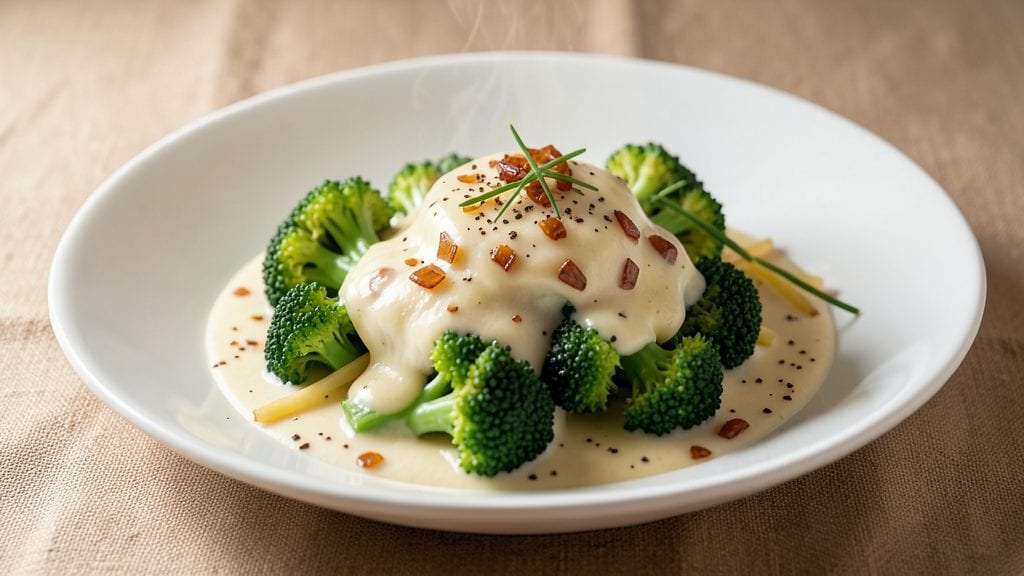
This one-pot steamed broccoli and cheese recipe transforms simple ingredients into a creamy, comforting dish that feels like a restaurant specialty. The secret lies in steaming the broccoli directly in the pot while building a rich, velvety cheese sauce from scratch—no blender required.
I perfected this method after years of testing, ensuring the broccoli stays vibrant and the cheese sauce achieves that perfect, velvety consistency without breaking.
The beauty of this recipe is its simplicity: just 15 minutes of active prep, followed by hands-off steaming that infuses the broccoli with flavor while the cheese melts into a luscious, golden sauce.
No complicated techniques or expensive equipment—just a stovetop pot, a few pantry staples, and a technique that guarantees restaurant-quality results every time. The broccoli retains its bright green color and crisp-tender texture, while the cheese sauce clings to every floret, creating a dish that’s both nutritious and indulgent.
What you’ll end up with is a creamy green comfort dish that’s perfect for weeknight dinners, potlucks, or even a light lunch. The aroma alone—warm, cheesy, and slightly herbal—will have everyone at the table asking for seconds.
The sauce is rich enough to satisfy cheese lovers but light enough to keep the dish balanced, making it a versatile option for any meal. This is the kind of recipe that proves healthy eating can be just as comforting as it is delicious.
Serve it as a standalone dish or pair it with crusty bread to soak up every last bit of that creamy cheese sauce. The one-pot method means minimal cleanup, and the leftovers reheat beautifully, making it ideal for meal prep.
Let’s get started—your taste buds (and dinner guests) will thank you.
Ingredients for steamed broccoli and cheese
Fifteen minutes of prep transforms vibrant broccoli and rich cheeses into restaurant-quality comfort.
| Ingredient | Amount | Notes |
|---|---|---|
| Fresh Broccoli Crowns 🥦 | 1 ½ lb | Cut into 2-inch florets, stems peeled |
| Unsalted Butter 🧈 | 4 tbsp | Cold, cut into small cubes |
| Shallots 🧅 | 2 whole | Finely minced, about 2 tbsp |
| Garlic Cloves 🧄 | 3 cloves | Minced, for aromatic base |
| All-Purpose Flour 🌾 | 2 tbsp | For roux development |
| Heavy Cream 🥛 | ½ cup | Full-fat for velvety texture |
| Whole Milk 🥛 | ½ cup | Warmed to room temperature |
| Sharp White Wine 🍷 | ¼ cup | Dry variety, like Sauvignon Blanc |
| Gruyère Cheese 🧀 | 1 ½ cups | Freshly grated, nutty flavor |
| Parmesan Cheese 🧀 | ½ cup | Freshly grated, aged minimum 24 months |
| Dry White Wine 🍷 | ½ cup | For deglazing, same as above |
| Diamond Crystal Kosher Salt 🧂 | ½ tsp | Fine grain for even seasoning |
| Freshly Ground Black Pepper 🌶️ | ¼ tsp | Cracked peppercorns preferred |
| Fresh Thyme Leaves 🌿 | ¼ cup | Stripped from stems, chopped |
| Nutritional Yeast 🍞 | 1 tbsp | Optional, for umami depth |
The Gruyère and Parmesan combination is non-negotiable for that authentic, velvety sauce. Whole Foods and local specialty cheese shops carry the best aged Gruyère—look for blocks with minimal rind and vibrant color. If you can't find Gruyère, Comté is a worthy substitute, though the flavor profile shifts slightly. The shallots and garlic should be freshly minced just before cooking to preserve their aromatic oils. For the wine, Trader Joe's carries excellent dry whites at reasonable prices—avoid the cheap stuff that tastes like vinegar. The nutritional yeast adds a subtle cheesy depth without altering the dish's delicate balance, and it's available in the baking aisle of most grocery stores.
No Gruyère? Fontina or sharp white cheddar will work in a pinch, though the sauce will lack the same depth. Running out of white wine? Dry chicken or vegetable broth mimics the acidity, though you'll need to add a splash of lemon juice to compensate. Fresh thyme is ideal, but dried thyme at one-third the amount suffices if you're in a bind. For the flour, all-purpose works best—bread flour can make the sauce gummy. The butter should be cold and cubed when added to the roux to prevent premature melting, which is key to achieving that smooth, velvety texture. If you're using pre-shredded cheese, pat it dry thoroughly to remove excess anti-caking agents that can make the sauce grainy.
This dish reheats beautifully—simply cover with foil and warm in a 350°F oven for 10 minutes. The sauce thickens as it cools, so you can always thin it with a splash of milk or broth if needed. Store leftovers in an airtight container in the fridge for up to 4 days, though the flavor peaks within the first two. For meal prep, portion into individual containers with a small amount of sauce on top to prevent drying. The broccoli stays vibrant for 3 days if stored separately, allowing you to reheat it fresh when ready to serve.
Why You'll Love This Recipe
- No-Fuss Steaming: I swear by the stovetop steamer basket here—just toss in those broccoli crowns, cover, and let them soften while I sauté the shallots. No chopping, no mess, and zero waiting for a crowded oven.
- Cheesy-Garlicky Magic: That flour-butter slurry turns into the best creamy sauce—rich from the butter, bright from the garlic, and with just enough shallot sweetness to make it sing. Honestly, the first time I made it, my husband stole half before it even hit the table.
- Lunchbox Hero: Between us, this is my go-to for packed lunches. The broccoli stays crisp-tender, the cheese sauce clings perfectly, and it reheats like a dream. (Yes, even on a Tuesday night when I’m scrambling.)
- Budget Win: A single head of broccoli and a stick of butter stretch across three meals—no fancy ingredients, just smart layering. I’ll be real: my grocery bill dropped after I started making this weekly.
Step-by-step instructions for steamed broccoli and cheese
This one-pot method delivers restaurant-quality creaminess with minimal effort and maximum flavor.
Prepare the Broccoli and Build the Flavor Base
Cut the 1.5 lb fresh broccoli crowns into 2-inch florets, peeling the stems and slicing them into matchsticks. This ensures even cooking and maximum surface area for flavor absorption. In a large, deep skillet with a tight-fitting lid (your one-pot vessel), melt 2 tbsp of the cold unsalted butter over medium heat. Add the 2 whole shallots and 3 cloves garlic cloves, cooking until the shallots soften and become translucent—about 4-5 minutes. Here's the thing: don't rush this step. The shallots should caramelize slightly, deepening the sauce's complexity.
Add the 2 tbsp all-purpose flour and stir vigorously for 1-2 minutes to form a light roux. This will thicken your sauce beautifully. Immediately pour in the 0.25 cup sharp white wine, scraping up any browned bits from the bottom of the pan. Let it simmer for 2 minutes until the wine reduces by half and the alcohol cooks off completely. This deglazing step captures all the flavor you've built so far.
Steam the Broccoli and Develop the Sauce
Add the prepared broccoli florets to the skillet, arranging them in a single layer. Pour in the 0.5 cup whole milk and 0.5 cup heavy cream, then sprinkle with 0.5 tsp diamond crystal kosher salt and 0.25 tsp freshly ground black pepper. Place the lid on the skillet and reduce heat to low. Steam the broccoli for 8-10 minutes, checking occasionally to ensure no water accumulates in the pan. You want the broccoli to cook gently in its own steam, retaining vibrant color and crisp-tender texture.
After 5 minutes, stir the broccoli gently to distribute the sauce evenly. The broccoli should be bright green with just a hint of tenderness when pierced with a fork. If the sauce begins to reduce too quickly, add 1-2 tablespoons of water to maintain moisture. The key here is patience—the broccoli must cook through without turning mushy, while the sauce develops its velvety consistency.
Finish with Cheese and Thyme for Maximum Comfort
Remove the skillet from heat and stir in the 1.5 cups freshly grated gruyère cheese and 0.5 cup freshly grated parmesan cheese. The residual heat will melt the cheese into a luscious, stretchy sauce. Add the 0.25 cup fresh thyme leaves and 1 tbsp nutritional yeast, stirring until fully incorporated. The nutritional yeast adds a subtle umami depth that elevates the dish, while the thyme brightens the rich cheese sauce. If the mixture seems too thick, add 1-2 tablespoons of the dry white wine to loosen it to your desired consistency.
Return the skillet to low heat just long enough to warm through the cheese—about 1-2 minutes. The sauce should coat the back of a spoon smoothly. Taste and adjust seasoning if needed, adding more salt or pepper as necessary. The cheese should be fully melted with no grainy texture remaining. Here's where it gets fun: the broccoli should be perfectly tender with just a slight bite, while the sauce clings to each floret like a creamy embrace.
Serve Immediately for Peak Creaminess
Transfer the steamed broccoli and cheese to serving plates, ensuring each portion gets its fair share of that luxurious sauce. The broccoli should be vibrant green with a glossy sheen from the melted cheese. Serve immediately while the sauce is at its peak temperature and consistency—this dish doesn't wait. The one-pot method ensures everything stays cohesive, with the broccoli absorbing the rich, cheesy sauce without becoming soggy.
For an extra touch of comfort, garnish with additional fresh thyme leaves or a sprinkle of freshly cracked black pepper. Pair with crusty bread to soak up every last bit of that velvety sauce. The combination of steamed broccoli's natural sweetness and the nutty, creamy cheese creates a dish that's both sophisticated and deeply comforting—exactly what you promised in your introduction.
Pro Tips For Making Steamed Broccoli And Cheese
- STEAM BROCCOLI UNTIL TENDER-CRISP: I learned this the hard way—oversteaming turns broccoli into mush. Aim for 4-5 minutes max, then finish with a quick blast in the microwave (covered with a damp paper towel) if it needs more softness. The crowns should yield slightly to a fork but still have a bite.
- CHOP SHALLOTS SMALLER THAN YOU THINK: Tiny dice, not slices. I used to cut them in half and wondered why my sauce tasted uneven. Shallots need to break down completely into the butter, so go fine—think "rice grains," not "coins." This makes a real difference in the sauce’s silkiness.
- SKIP THE FLOUR SLURRY IF HURRYING: For a quicker roux, melt the butter with shallots and garlic, then whisk in cold milk (or cream) all at once. Let it simmer until thickened—no need for a pre-mixed slurry. It’s less fussy and still gives that creamy texture, even if it’s not as foolproof.
- SALT THE CHEESE WATER FIRST: This isn’t just about flavor—it’s about texture. Sprinkle a generous pinch of salt (about ½ teaspoon) into the steaming water before adding broccoli. The crowns will hold their shape better and absorb less water, so they stay crisp when mixed with the cheese sauce. (Yes, even if you’re impatient like me.)
Troubleshooting perfect results
Broccoli Too Soft
Overcooking is the #1 reason broccoli turns mushy. I’ve found that 8-10 minutes of steaming at low heat is ideal—any longer and the florets lose their structure. Use a timer and check at 7 minutes to test tenderness.
If the stems pierce easily with a fork, they’re done. For extra insurance, add broccoli in batches if your pan is crowded, ensuring even steam circulation. 🌱
Sauce Separates
This happens when the sauce cools too quickly or lacks proper emulsification. After adding cheese, keep the pan off heat for 1-2 minutes to let residual heat melt it smoothly. If separation occurs, whisk in 1 tbsp cold water or heavy cream to re-emulsify.
For future batches, ensure your dairy ingredients (milk, cream) are room temperature before combining with cheese. A splash of lemon juice also helps stabilize the emulsion. 🧀
Cheese Won’t Melt
Freshly grated cheese melts best when added to warm (not boiling) liquid. If your sauce is too hot, let it cool slightly before stirring in cheese—otherwise, it’ll clump. For stubborn cheeses like Parmesan, pre-mix it with 1 tbsp flour before adding to the pan.
If clumps form, whisk vigorously or strain through a fine-mesh sieve for a silky texture. I’ve even microwaved cheese for 10 seconds to soften it before mixing. 🔥
Broccoli Loses Color
Bright green broccoli fades when exposed to excess heat or acidic ingredients. Avoid overcrowding the pan, which traps steam and causes uneven cooking. If using wine, opt for a dry white like Sauvignon Blanc—avoid acidic varieties like Pinot Grigio.
For extra vibrancy, add 1 tsp lemon juice at the end to brighten the green. Steaming with the lid slightly ajar for the last 2 minutes also preserves color. 💚
Sauce Too Thin
Undercooked flour or insufficient roux development are common culprits. For a thicker sauce, whisk 1 tbsp cold butter into the finished mixture—it’ll emulsify instantly. If the sauce is still too thin, mix 1 tsp cornstarch with 1 tbsp cold water and stir in while heating.
For future batches, cook the roux 1-2 minutes longer until it’s a golden paste. A splash of heavy cream also adds richness without thinning. 🥄
Lid Condensation
Excess moisture from condensation can dilute your sauce and steam the broccoli unevenly. To fix this, place a paper towel under the lid before sealing—it absorbs condensation without touching the food. For extra insurance, tilt the lid slightly open during the last 2 minutes of cooking.
If your pan lacks a lid, cover with aluminum foil (poked with holes) instead of a tight lid. 💧
Nutrition facts
Frequently asked questions
Can I use frozen broccoli instead of fresh?
Frozen broccoli works in a pinch, but fresh yields the best texture and flavor. If using frozen, thaw it completely first and pat it very dry to prevent excess moisture from steaming the dish. For optimal results, use high-quality frozen florets with minimal ice crystals. The cooking time remains the same, but check for doneness at 7 minutes since frozen broccoli may release more water.
What's the best cheese substitute if I don't have Gruyère?
For a similar nutty depth, try Comté, Fontina, or sharp white cheddar. Avoid pre-shredded cheese as it contains anti-caking agents that make the sauce grainy. If you're dairy-free, use a mix of nutritional yeast and cashew cream for a cheesy flavor. The key is freshly grating your cheese for the best melt and texture.
How do I make this dish vegetarian/vegan?
Replace the butter with olive oil or vegan butter**, swap heavy cream for coconut cream, and use vegan Parmesan or nutritional yeast for the cheese. The steaming method remains the same, but add 1 tbsp lemon juice to brighten the flavor. For extra richness, stir in 1 tbsp vegan mayo at the end. The texture will be slightly different but still delicious!
Can I make this ahead of time?
This dish reheats beautifully! Assemble it completely, then refrigerate for up to 2 days or freeze for 1 month. To reheat, cover with foil and warm in a 350°F oven for 10 minutes, or microwave for 1-2 minutes until bubbly. The sauce may thicken slightly when chilled, so add a splash of milk or broth when reheating. The broccoli stays vibrant if stored separately.
Why does my sauce get grainy?
Graininess usually comes from pre-shredded cheese or cheese added to hot liquid. Always grate your own cheese and remove it from the fridge 30 minutes before using to let it warm slightly. If graininess occurs, whisk in 1 tbsp cold water or heavy cream to smooth it out. For stubborn clumps, strain through a fine-mesh sieve. The ideal cheese temperature for melting is room temp.