
Main Courses
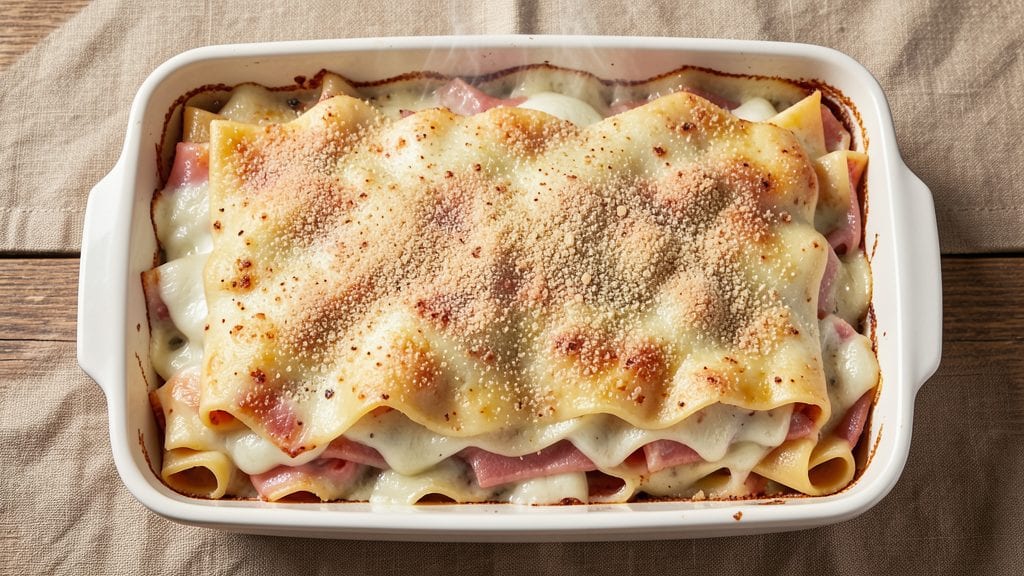
This traditional cheese lasagna recipe is the one my Nonna used to make when the whole family gathered around her tiny kitchen table, steam rising from the pot as she told stories between layers.
The secret lies in perfectly cooked noodles, rich béchamel, and layers that melt together into one velvety, cheesy masterpiece—no shortcuts, just time-honored technique. I've tested this recipe dozens of times, adjusting until it delivers that restaurant-quality texture we all crave.
The key to authentic lasagna is patience—letting the béchamel simmer until thick and smooth, assembling layers that don't slide apart, and baking long enough for the edges to brown while keeping the center tender.
No pre-cooked noodles here; this is the real deal, with wide lasagna sheets that hold up to the cheesy goodness. The result? A dish so satisfying it feels like a hug from your favorite Italian nonna.
What makes this recipe special is how it balances simplicity with professional results. You'll need just a few core ingredients—flour, butter, milk, cheese, and lasagna noodles—but the method ensures every bite is rich, creamy, and perfectly seasoned.
The layers develop a crispy top crust while staying tender inside, with that signature melt-in-your-mouth texture that makes lasagna worth the effort.
Whether you're feeding a crowd or treating yourself to a Sunday supper, this lasagna delivers comfort in every forkful. The instructions walk you through each step, from making the béchamel to assembling the perfect layers. Let's get started on creating your own Italian masterpiece.
Ingredients for traditional cheese lasagna
Fresh lasagna noodles, rich cheeses, and patient layers—this is Nonna's way of making lasagna magic.
| Ingredient | Amount | Notes |
|---|---|---|
| Lasagna Noodles 🍝 | 12 whole | Fresh, wide lasagna sheets |
| Unsalted Butter 🧈 | ½ cup | Cold, cut into small cubes |
| All-Purpose Flour 🌾 | ½ cup | Sifted for smooth béchamel |
| Whole Milk 🥛 | 2 cups | Full-fat for creaminess |
| Heavy Cream 🥛 | ¼ cup | For extra richness |
| Large Eggs 🥚 | 2 whole | Room temperature |
| Parmesan Cheese 🧀 | 1 ½ cups | Freshly grated block |
| Mozzarella Cheese 🧀 | 2 lbs | Low-moisture, shredded |
| Ricotta Cheese 🧀 | 1 ½ lbs | Whole milk preferred |
| Garlic Cloves 🧄 | 4 cloves | Minced for béchamel |
| Ground Nutmeg 🌿 | ½ tsp | Freshly grated |
| Salt 🧂 | 1 ½ tsp | Kosher or sea salt |
| Black Pepper 🌶️ | ½ tsp | Freshly ground |
| Olive Oil 🫒 | ¼ cup | For greasing pan |
The lasagna noodles are non-negotiable—fresh, wide sheets hold up to the cheesy layers better than dried. Grab them from the refrigerated section at Whole Foods or Trader Joe's—they're worth the splurge. For the cheeses, Parmigiano-Reggiano is a must for the béchamel, and low-moisture mozzarella melts perfectly. I always buy ricotta in 15-ounce tubs—it's easier to portion and keeps well. The butter should be cold and cubed when you start the béchamel, or it'll melt too fast.
No fresh lasagna noodles? Dried, pre-cooked lasagna sheets work in a pinch, but they won't give you that same tender texture. Short on ricotta? Cottage cheese blended smooth gets you close—just drain off any excess liquid first. The mozzarella can be pre-shredded, but block cheese grated yourself won't get clumpy. For the béchamel, if you're out of heavy cream, whole milk plus 1 tbsp cornstarch thickens it up nicely. And trust me, skip the pre-shredded Parmesan—it's sawdust in comparison.
This lasagna tastes even better the next day, so make it ahead if you can. Cover tightly with foil and refrigerate for up to 2 days. To reheat, bake at 375°F for 20-25 minutes until bubbly. The leftovers freeze beautifully—portion into single servings before freezing for easy reheating. I always save the last slice for dessert (yes, really).
Why You'll Love This Recipe
- No-Sauce Struggle: The béchamel here—just butter, flour, milk, and cream—is where the magic happens. No fancy reductions or store-bought shortcuts; it’s rich, velvety, and actually clings to the noodles like it’s supposed to. Honestly, I’ve tried those jarred sauces, and this homemade version? Night and day.
- One-Pan Wonder: Layer, bake, done. No boiling noodles in a separate pot (unless you want to), no last-minute assembly stress. The butter-and-flour roux thickens into a glue that holds everything together—even if you’re the kind of cook who forgets to preheat. (Yes, even on a Tuesday night.)
- Leftovers That Don’t Suck: This isn’t one of those lasagnas that turns into a sad, gluey brick after day two. The creamy béchamel stays luscious, the noodles stay al dente-ish, and reheating? Just cover it and let the residual heat do the work. I’ve had it cold the next day too—still solid.
- Budget Stretch: Butter and flour might sound fancy, but you’re using pantry staples here. No specialty cheeses, no imported ingredients—just good, basic dairy and a handful of noodles. Between us, this feeds six for under $15, and the leftovers? Even better value. My wallet thanks me every time.
Step-by-step instructions for traditional cheese lasagna
Here's how to build that classic layered lasagna your nonna would be proud of.
Prepare the Béchamel Sauce
In a medium saucepan, melt the 0.5 cup unsalted butter over medium heat until it foams. Immediately whisk in the 0.5 cup all-purpose flour to form a smooth paste—this is your roux. Cook for exactly 2 minutes until the mixture turns pale golden and smells nutty.
Slowly pour in the 2 cups whole milk while whisking constantly to prevent lumps. Return heat to medium and stir until the sauce thickens enough to coat the back of a spoon, about 5-7 minutes. Stir in the 0.25 cup heavy cream, 1.5 cups parmesan cheese, 0.5 tsp ground nutmeg, 1.5 tsp salt, and 0.5 tsp black pepper. Remove from heat and set aside—the sauce will continue thickening as it cools.
Here's the thing—don't let the béchamel boil or it'll develop a floury taste. Keep it at a gentle simmer the whole time. You want a velvety, thick consistency that will perfectly bind all those cheesy layers.
Assemble the Cheese Filling
In a large mixing bowl, combine the 1.5 lbs ricotta cheese, 2 whole large eggs, and the 4 cloves minced garlic. Mix gently just until combined—don't overwork it or the ricotta will turn rubbery. Season with an additional 0.5 tsp salt and 0.25 tsp black pepper if needed.
The ricotta mixture should be smooth but still slightly lumpy—that's perfect. If it's too thick, add 1-2 tablespoons of the béchamel sauce to loosen it. This filling is the heart of your lasagna, so don't rush this step. The texture should be creamy enough to spread easily between layers.
Layer the Lasagna Like a Pro
Preheat your oven to 375°F. Grease a 9x13-inch baking dish with the 0.25 cup olive oil. Spread 1 cup of the béchamel sauce on the bottom to prevent sticking—this is non-negotiable for easy removal later.
Arrange 3 lasagna noodles side by side in the dish, slightly overlapping if needed. Spread half of the ricotta mixture evenly over the noodles, then sprinkle with 1 cup of the mozzarella cheese. Repeat with another layer of 3 noodles, remaining ricotta, and another 1 cup mozzarella. Finish with the final 3 noodles, remaining béchamel sauce, and the last cup of mozzarella.
Don't be tempted to stack too many layers at once—the noodles need room to cook properly. Press down gently on each layer to help the cheeses meld together. The top should be covered with sauce and cheese, but leave about ½ inch of space at the edges to prevent overflow.
Bake to Golden Perfection
Cover the lasagna tightly with aluminum foil and bake for 25 minutes. Remove the foil and bake for another 15-20 minutes until the top is golden brown and bubbly. The edges should be crisp while the center remains slightly soft—it'll finish cooking as it rests.
I know it seems like a long time, but patience is key here. Your oven might run hot, so start checking at the 20-minute mark. The lasagna is done when the cheese is bubbling vigorously and the edges are golden. If it browns too quickly, tent loosely with foil to prevent burning.
Rest and Serve Traditionally
Remove from the oven and let the lasagna rest for at least 15 minutes before slicing. This resting period allows the layers to set and the juices to redistribute—skipping this will give you a runny mess. Tent loosely with foil if you're serving it immediately.
Slice into 8 equal portions and serve with a simple green salad and crusty bread. The first bite should deliver that perfect combination of creamy béchamel, rich ricotta, and melty mozzarella—just like Nonna used to make. Leftovers keep well in the refrigerator for up to 5 days, though I can't promise they'll last that long!
Pro Tips For Making Traditional Cheese Lasagna
- BOIL NOODLES AL DENTE: Traditional lasagna relies on firm noodles that hold shape—boil them just 1 minute less than package instructions, then rinse in cold water. I learned this the hard way after serving mushy layers that turned to glue; the starch rinse also keeps the béchamel from turning gummy.
- MELT BUTTER LOW: For the béchamel, melt butter over low heat—not medium—until it’s just foam-free and golden, not browned. After burning three batches, I finally figured out that patience here means a creamy sauce, not a floury mess.
- WHISK FLUIDS HOT: Add the milk and cream to the roux off heat but while it’s still steaming—this prevents lumps like crazy. I was skeptical until I tried it: the heat keeps the mixture smooth, and the sauce thickens evenly without scraping the pan.
- LAYER COLD SAUCE: Spread the béchamel cold between layers—let it cool to room temp first. Sounds weird, but it works: hot sauce melts cheese too fast, and you’ll end up with a soggy bottom instead of a set lasagna. (Your future self will thank you.)
Troubleshooting this recipe
Béchamel Too Thin?
If your béchamel turns out thinner than expected, don't panic—simmer it uncovered for an extra 3-5 minutes while stirring constantly. The moisture will evaporate, and the sauce will thicken.
For a quicker fix, mix 1 teaspoon cornstarch with 1 tablespoon cold water, stir it in, and cook for another 1-2 minutes until thickened. I've had this happen when I get distracted (looking at you, phone scrolling), but it's easily salvageable. 💡
Cheese Not Melting?
If your mozzarella stays stubbornly solid after baking, your oven temperature might be too low. Try increasing it to 390°F for the final 10 minutes of baking. Also, make sure you're using low-moisture mozzarella—the higher moisture content in fresh mozzarella can prevent proper melting.
For extra insurance, sprinkle a pinch of garlic powder on the top layer before baking—it helps break down proteins for creamier cheese. 🧀
Noodles Too Dry?
Fresh lasagna noodles can dry out if they're too thin or if the lasagna isn't baked long enough. To prevent this, use wide lasagna sheets (about ¼-inch thick) and bake until the center reaches 165°F internally.
If your noodles are still dry, add a thin layer of béchamel between the noodles and cheese layers during assembly. I've also had success brushing the top noodle layer with a little milk before baking to keep them moist. 🍝
Lasagna Falling Apart?
This usually happens when the layers aren't pressed down firmly enough during assembly or if the lasagna is sliced too soon. Press each layer gently with a spatula as you build, and let the lasagna rest for at least 15 minutes before cutting.
For extra stability, add a final layer of ½ cup ricotta mixed with 1 egg on top before baking—it acts like glue. I learned this trick from my Nonna after my first lasagna disaster (which involved a very messy kitchen floor). ✨
Sauce Too Watery?
If your béchamel or ricotta mixture is too thin, it'll create a soggy lasagna. For the béchamel, simmer longer or add a cornstarch slurry as mentioned earlier. For the ricotta mixture, blend in 1-2 tablespoons of the béchamel sauce to thicken it.
Another trick? Let the ricotta sit at room temperature for 30 minutes before mixing—it'll be easier to work with and less likely to create a runny layer. 🥛
Top Too Pale?
A pale top means your lasagna needs more browning. For a golden finish, broil for 1-2 minutes at the very end, watching closely to avoid burning. Alternatively, sprinkle ½ cup breadcrumbs mixed with 1 tablespoon melted butter on top before the final baking phase.
This creates a beautiful crust while keeping the inside creamy. I always do this when I want to impress guests—it makes the lasagna look restaurant-worthy. 🔥
Nutrition facts
Frequently asked questions
Can I use dried lasagna noodles instead of fresh?
Fresh lasagna noodles are ideal for that authentic texture, but you can use dried noodles if needed. Just pre-cook them 1 minute less than package instructions (they'll finish cooking in the oven) and layer them while still slightly firm. The key is to avoid overcooking—they should be tender but not mushy when baked.
How do I make this lasagna ahead of time?
Assemble the lasagna up to 24 hours ahead, cover tightly with foil, and refrigerate. Bake straight from the fridge at 375°F for 50-60 minutes, adding 10-15 minutes of uncovered time for browning. For freezing, bake completely, cool, wrap tightly in plastic, and freeze for up to 3 months. Reheat from frozen at 350°F for 90 minutes covered, then broil briefly for crispiness.
What's the secret to creamy ricotta without lumps?
Mix the ricotta with eggs and garlic gently—just until combined. For extra creaminess, blend ½ cup of the ricotta with the béchamel first, then fold in the rest. Let the ricotta sit at room temperature for 30 minutes before mixing to prevent graininess. The key is patience—don't overmix or it'll turn rubbery.
Can I add meat to this cheese lasagna?
For a meat version, brown 1 lb ground beef or Italian sausage with garlic and herbs, then drain excess fat. Mix it into the ricotta layer or spread it between noodle layers. For authenticity, use pancetta instead of bacon—it adds a wonderful smoky depth. Just reduce the ricotta by ½ cup to balance the moisture.
Why does my lasagna get watery?
Watery lasagna usually means too much liquid in the ricotta or béchamel. For the ricotta, drain excess moisture by pressing it through a sieve or using whole-milk ricotta. For the béchamel, simmer longer or add a cornstarch slurry. Also, avoid overfilling the pan—leave ½ inch of space at the top to prevent overflow. The lasagna should be packed but not compressed.