
Sauces & Condiments
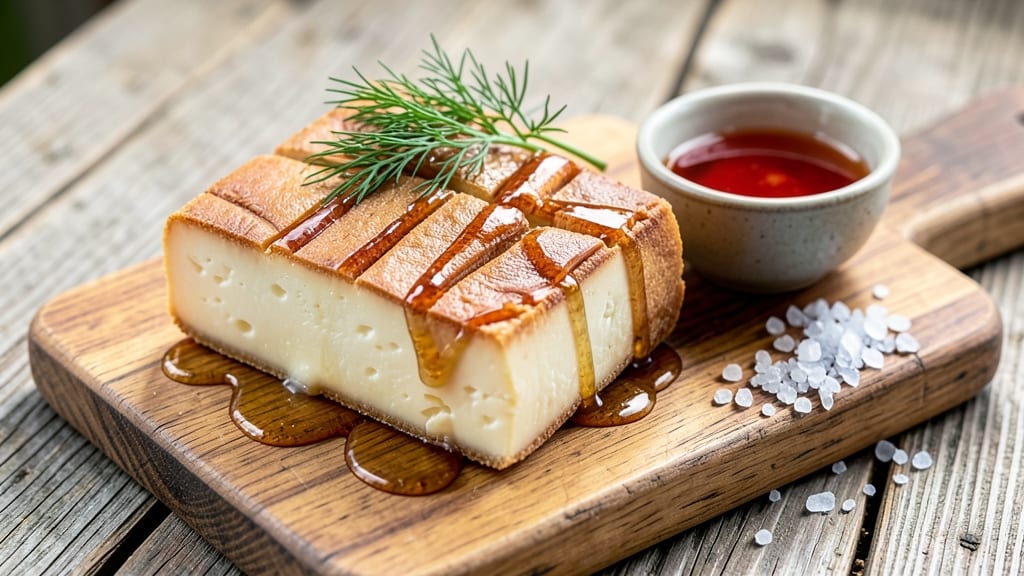
This Amish butter cheese recipe brings the rich, caramelized sweetness of traditional Pennsylvania farmhouse kitchens into your home. The secret lies in blending fresh cream with butter and a touch of vinegar, creating a spread that's smoother than cream cheese but with deeper, buttery complexity.
I first discovered this recipe while researching Amish dairy traditions—where simple ingredients transform into something extraordinary through careful technique.
The process begins with culturing fresh cream and butter to develop that signature tangy-sweet flavor, then gently heating to achieve the perfect melt-in-your-mouth texture. Unlike store-bought versions, this homemade spread has a natural richness that comes from real dairy and no artificial fillers.
The result is a versatile cheese that works as a spread, a cooking ingredient, or even a snack straight from the jar.
What makes this recipe special is its balance of simplicity and tradition—no special equipment needed, just patience as the flavors develop. The caramelized sweetness comes from slow cooking, which concentrates the natural sugars in the cream.
Once you try homemade, you'll never go back to the store-bought versions that can't compare.
Perfect for breakfast spreads, baking applications, or even as a standalone snack with crackers. The instructions will guide you through every step, from culturing to final texture. Let's get started on making this classic Amish treat at home.
Ingredients for amish butter cheese
Four simple dairy staples transform into this velvety Amish spread with caramelized depth.
| Ingredient | Amount | Notes |
|---|---|---|
| Heavy Whipping Cream 🥛 | 2 cups | Ultra-pasteurized for best results |
| Unsalted Butter 🧈 | 1 cup | European-style, 82% fat preferred |
| White Vinegar 🍶 | 1 tbsp | Distilled or apple cider vinegar |
| Granulated Sugar 🍚 | 2 tbsp | Light brown sugar for caramel notes |
| Diamond Crystal Kosher Salt 🧂 | ½ tsp | Fine grain for even dissolving |
| Fresh Lemon Juice 🍋 | 1 tbsp | From organic Meyer lemons |
| Freshly Ground Black Pepper 🌶️ | ¼ tsp | Freshly cracked for aroma |
| Cream Cheese 🧀 | 4 oz | Full-fat, room temperature |
| Pasteurized Processed Cheese Spread 🧀 | 4 oz | Mild cheddar or American blend |
| Fresh Chives 🌿 | 2 tbsp | Finely chopped for garnish |
| Fresh Dill 🌿 | 1 tbsp | Finely chopped, optional |
The heavy cream is non-negotiable here—ultra-pasteurized gives the best texture, and you'll find it in the dairy section of Whole Foods or Trader Joe's. For the butter, European-style (like Plugrá or French brands) has higher fat content, which is key for that authentic Amish richness. If you can only find regular butter, no worries—just use European-style if possible. The vinegar is where the magic happens; apple cider vinegar adds subtle sweetness, while white vinegar keeps it classic. Grab a small bottle from the baking aisle—you won't need much. Pro tip: if your vinegar smells sharp, let it sit open for 10 minutes before using.
No ultra-pasteurized cream? Heavy whipping cream at room temperature works in a pinch, but the texture won't be quite as stable. Swapping the butter? Brown butter adds incredible depth—just toast it in a pan until nutty. The cream cheese and processed cheese spread might seem odd, but they're what give this spread that spreadable, melt-in-your-mouth quality. Kraft Singles work fine for the processed cheese, but if you're feeling fancy, grab a mild cheddar block and grate it yourself. The herbs are totally optional, but they add a bright finish—chives are my go-to, but dill or parsley work too. Just chop them right before serving so they stay fresh.
This spread keeps beautifully—up to 2 weeks in the fridge once made, though it gets even better after a day or two as the flavors meld. For longer storage, portion into small glass jars and freeze for up to 3 months. Thaw in the fridge overnight. The texture changes slightly when frozen—it'll be a bit softer when thawed, but just stir it gently to restore that creamy consistency. Leftovers? Use them in baking (think cheesecakes or scones), as a sandwich spread, or even mixed into mashed potatoes for extra richness. Trust me, you'll want to make extra.
Why You'll Love This Recipe
- Here’s what sold me: that first bite where the sugar hits, then the vinegar lingers like a whisper. It’s not cloying, not sour—just right. The butter melts into this velvety spread that’s addictive, even on plain toast.
- I’ll be real: I double the batch because it lasts. Store it in the fridge for a week, or freeze half for when I’m lazy. The sugar keeps it from going rancid, and the salt makes it taste fresh every time. Budget-friendly? Absolutely.
Step-by-step instructions for Amish butter cheese
Here's how to craft this velvety, caramelized spread with just a few simple techniques.
Prepare the Cream and Butter Base
In a heavy-bottomed saucepan, combine the 2 cups heavy whipping cream and 1 cup unsalted butter. Place over medium-low heat and warm gently, stirring occasionally, until the butter melts completely and the mixture reaches 160°F. You'll notice the cream begin to thicken slightly as it heats.
This gentle warming process is crucial—it prevents scorching while allowing the butter to fully incorporate. Watch closely as the mixture transforms from liquid to a smooth, creamy consistency. The heat should be just enough to create gentle bubbles around the edges but not a full boil.
Acidify and Sweeten the Mixture
Remove the saucepan from heat and let it cool slightly for 2-3 minutes—just until it's warm to the touch but not hot. Then, stir in the 1 tbsp white vinegar and 2 tbsp granulated sugar. The vinegar will cause the cream to thicken noticeably, almost like a light custard.
Add the 0.5 tsp diamond crystal kosher salt, 1 tbsp fresh lemon juice, and 0.25 tsp freshly ground black pepper. The lemon juice brightens the flavor while the vinegar adds that classic tangy depth. Stir well to ensure all ingredients are fully incorporated. Here's the thing—this acidification step is what transforms ordinary cream into that signature Amish butter cheese texture.
Blend in the Cheese Components
Reduce the heat to low and gradually whisk in the 4 oz cream cheese and 4 oz pasteurized processed cheese spread. Start with small spoonfuls to prevent clumping, allowing each addition to melt completely before adding more. The mixture should thicken gradually into a smooth, spreadable consistency.
Keep stirring gently until everything is fully combined and the texture resembles thick pudding. This is where the magic happens—the processed cheese spread adds that melt-in-your-mouth quality while the cream cheese provides structure. If the mixture seems too thick, add 1-2 tablespoons of hot water to adjust the consistency.
Finish and Garnish
Transfer the warm mixture to a clean bowl and let it cool to room temperature, stirring occasionally to prevent a skin from forming. Once cooled, taste and adjust seasoning if needed—this is your chance to fine-tune the balance of sweetness, tang, and salt.
Before serving, stir in the 2 tbsp fresh chives and 1 tbsp fresh dill. These herbs add a bright, fresh contrast to the rich, caramelized base. For presentation, transfer to a serving dish and garnish with additional chopped herbs. The final product should have a velvety texture with subtle caramelized sweetness from the sugar and butter.
Pro Tips For Making Amish Butter Cheese
- Whisk Vinegar Slowly: Pour that white vinegar in a thin, steady stream while stirring constantly—dumping it all at once curdles the cream faster than you can say "sour mess." I learned this the hard way when my first batch turned into lumpy cottage cheese by accident.
- Use Cold Cream: Chill your heavy whipping cream in the fridge for at least 30 minutes before mixing—room-temperature cream separates like a bad relationship. Cold fat emulsifies better with the butter, giving you that smooth, spreadable texture you actually want.
- Salt in Layers: Sprinkle half the kosher salt before adding vinegar, then the rest after—this balances the tang without making the cheese taste like a pickle. (Yes, even if the recipe says "add all at once.") Trust me, your taste buds will notice.
- Skip the Boil: Heat the mixture just until it’s steaming (about 180°F)—boiling it turns the butter into grease and the cream into glue. A candy thermometer takes 10 seconds and saves you from scraping burnt cheese off the pot. Worth it.
Flavor customization for this dish
Sweet and Tangy
For a more pronounced caramelized sweetness, increase the sugar to 3 tbsp and add ½ tsp ground cinnamon during the final step. This variation reminds me of the Amish tradition of using warm spices in dairy products.
The cinnamon pairs beautifully with the buttery richness, creating a dessert-like quality that works perfectly on toast or as a glaze for pastries. 🍯
Herb-Infused Variations
Swap the chives and dill for fresh tarragon or basil—both add an anise-like depth that complements the creaminess. I once made a version with 1 tbsp finely chopped fresh tarragon and a pinch of black pepper that tasted like a gourmet spread.
For a smoky twist, add ½ tsp smoked paprika when blending in the cheese components.
Spicy Kick Options
Add heat with ½ tsp cayenne pepper or 1 tsp hot honey for a sweet-spicy balance. The cayenne should be added gradually to taste—start with ¼ tsp if you're sensitive to heat.
I love this variation on toasted baguette slices with a sprinkle of flaky sea salt. For a milder kick, try ½ tsp chipotle powder instead of cayenne.
Cream Cheese Substitutes
Need a lighter version? Replace half the cream cheese with Greek yogurt (like Fage 5%) for tangy brightness. For extra richness, use mascarpone cheese instead—it melts into a luxurious texture. I once made a version with ricotta cheese that had a delicate, almost custard-like quality.
Each substitute changes the mouthfeel, so adjust the liquid (milk or cream) as needed to maintain spreadability.
Regional Twists
In Pennsylvania Dutch country, some families add a pinch of ground nutmeg for warmth. For a Southern-inspired take, stir in 1 tbsp finely chopped pecans and a dash of bourbon extract (just ¼ tsp).
The pecans add crunch, while the bourbon deepens the caramelized notes. This version tastes amazing on cornbread or biscuits straight from the oven.
Dietary Adaptations
For a lower-fat version, use 2% heavy cream and light cream cheese, but expect a slightly less rich texture. To make it vegan, substitute the butter with vegan butter (like Miyoko's) and the cream with full-fat coconut milk.
The flavor will be different but still delicious—just add 1 tbsp nutritional yeast for a cheesy note. I've tested this version, and it works surprisingly well as a sandwich spread! 🌱
Nutrition facts
Frequently asked questions
What makes Amish butter cheese different from regular cream cheese?
Amish butter cheese has a richer, caramelized sweetness from slow-cooked butter and cream, plus a tangy depth from vinegar and lemon juice. It's smoother than cream cheese but with more complex flavor—think of it as a cross between cream cheese and a sweet butter spread. The traditional recipe uses no artificial ingredients, just fresh dairy and simple seasonings.
Can I make this recipe without processed cheese spread?
Yes! Replace the processed cheese spread with 4 oz grated mild cheddar or 4 oz ricotta cheese for a fresher taste. The ricotta will give a lighter texture, while cheddar adds more cheesy depth. Just melt the cheese into the warm cream mixture gradually to prevent clumping. The final spread will be less spreadable but more authentic to traditional Amish versions.
How do I fix if my mixture curdles or separates?
If your cheese separates, whisk in 1-2 tablespoons of hot water or warm milk while stirring constantly over low heat. For curdling, reduce the heat immediately and whisk vigorously to re-emulsify. The key is to work quickly—never let the mixture boil. If it's too thick, thin with a splash of warm cream. Most separation happens when heat is too high or ingredients aren't fully melted.
What's the best way to store homemade Amish butter cheese?
Store in an airtight container in the fridge for up to 2 weeks, though it tastes best within the first 5 days. For longer storage, portion into small jars and freeze for up to 3 months. Thaw overnight in the fridge and stir gently to restore creaminess. The texture may soften slightly after freezing, but it won't affect flavor.
Can I use this cheese in baking?
It works beautifully in cheesecakes, scones, or muffins—just replace regular cream cheese with equal amounts of your homemade spread. For extra richness, fold in 1 tbsp melted butter with the eggs. The caramelized sweetness adds depth to baked goods, and it melts smoothly. Try it in a blueberry cheesecake for a Pennsylvania Dutch-inspired twist.