
Main Courses
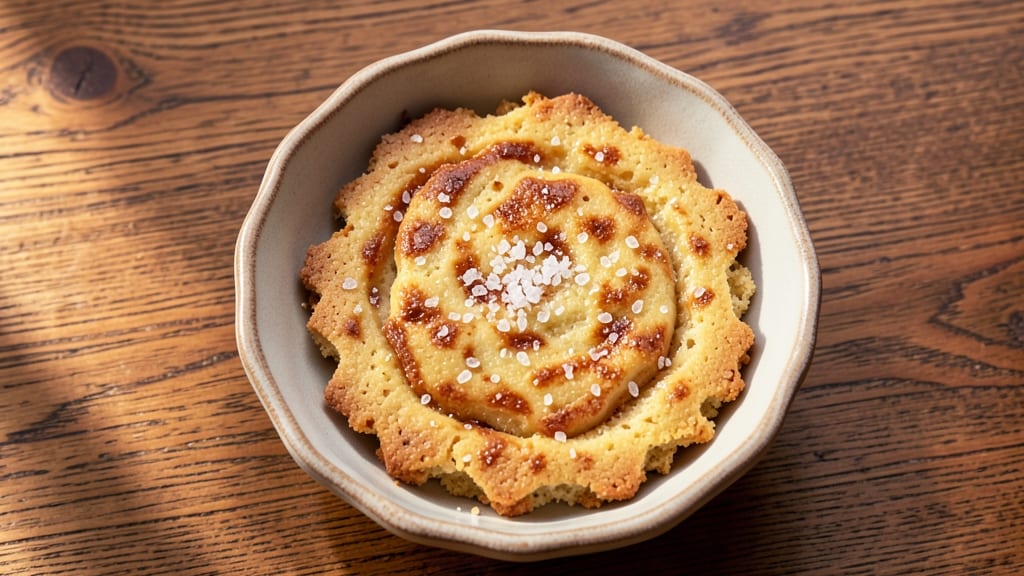
This cheese shortbread recipe delivers the perfect balance of buttery crumbles and melty cheese that transforms a simple snack into an irresistible treat.
I developed it after years of perfecting the texture—crisp enough to hold its shape yet tender enough to melt in your mouth, with pockets of sharp cheddar that add a salty depth.
The secret lies in the cold butter method, which creates those signature flaky layers while keeping the dough easy to handle.
What makes this recipe stand out is its versatility—whether you prefer classic sharp cheddar, creamy gouda, or a herbed blend, the technique remains the same. With just five ingredients and 20 minutes of prep time, you’ll have golden, buttery shortbread ready in 15 minutes of baking.
The dough is forgiving, making it perfect for beginners while still delivering restaurant-quality results.
The final product is a batch of shortbread that’s crisp at the edges, tender in the center, and studded with melty cheese that holds its shape until the very last bite.
These buttery crumbles pair beautifully with sweet or savory toppings—think honey drizzle, fresh fruit, or a sprinkle of flaky salt. They’re ideal for holiday gatherings, after-dinner snacks, or a quick treat when you crave something comforting yet elegant.
Once baked, these shortbread pieces stay fresh for up to a week when stored in an airtight container, making them a great make-ahead option for parties or family gatherings. Let’s get started on a recipe that’s equal parts simple and spectacular—no fancy equipment required.
Ingredients for cheese shortbread
Five ingredients transform into golden, buttery shortbread with pockets of melty cheese.
| Ingredient | Amount | Notes |
|---|---|---|
| Unsalted Butter 🧈 | 1 cup | Cold, cut into small cubes |
| All-Purpose Flour 🌾 | 2 cups | Sifted for light texture |
| Granulated Sugar 🍚 | ¼ cup | Fine grain preferred |
| Sharp Cheddar Cheese 🧀 | 1 cup | Finely grated, aged variety |
| Diamond Crystal Kosher Salt 🧂 | ½ tsp | Fine grain for even distribution |
The butter is non-negotiable—European-style unsalted butter like Plugrá or Land O'Lakes delivers superior flavor and texture. Purchase it in 1-pound blocks from specialty stores or high-end grocery sections for optimal quality. Keep it cold until ready to use; freeze the block for 20 minutes if your kitchen feels warm. The flour should be sifted to eliminate lumps and ensure a light, airy crumb. King Arthur or Gold Medal brands are ideal for their consistent quality. Sharp cheddar makes all the difference—Cabot or Tillamook aged varieties provide the perfect balance of tang and richness.
No sharp cheddar? Parmigiano-Reggiano or aged Gouda work beautifully as alternatives. For a sweeter profile, substitute white cheddar or Monterey Jack. If you prefer a more pronounced flavor, add 1/4 teaspoon smoked paprika to the dough. The sugar can be swapped for powdered sugar if you prefer a finer texture, though granulated works perfectly. For those avoiding dairy, nutritional yeast provides a cheesy depth without the fat content. Always measure your salt carefully—Diamond Crystal kosher salt is less dense than table salt, so use the specified amount for accurate seasoning.
Store the shortbread in an airtight container at room temperature for up to 1 week, though the buttery richness keeps them fresh longer than typical shortbread. For extended storage, freeze the baked pieces in a single layer before transferring to a sealed bag for up to 3 months. Reheat in a 200°F oven for 3-5 minutes to restore crispness. These delicate treats pair perfectly with chilled sparkling wine or a drizzle of local honey for an elegant presentation.
Why You'll Love This Recipe
- Five-Ingredient Magic: I swear, this recipe is foolproof—just cream butter and sugar, fold in flour and cheese, and bake. No fancy techniques, no last-minute grocery runs. The sharp cheddar melts into those buttery layers, and honestly? It’s the kind of thing I make when I’m too tired to think.
- Buttery Cheese Bliss: That first bite—crisp edges, tender crumb, and the salty-sweet punch from the sharp cheddar? It’s like a hug in cookie form. The kosher salt (don’t skip it!) cuts through the richness, and the sugar keeps it from being too heavy. My kids fight over the last piece, and I don’t even bake often.
- Party in a Box: These disappear at gatherings—holiday parties, game nights, you name it. They’re sturdy enough to pack in a tin for potlucks (no crumbs, no stress) and still taste fresh days later. I’ve even frozen them for last-minute gifts. Easy to share, impossible to resist.
- Zero-Waste Leftovers: Make a big batch, and you’ll have snacks for the week. The butter stays fresh longer than store-bought, and the cheese adds richness without costing extra. Plus, if I mess up the first try (which I did—twice), the dough’s forgiving. Just bake it again. No guilt, all flavor.
Step-by-step instructions for cheese shortbread
Here's the method for creating tender, crumbly shortbread with a rich cheddar flavor that melts beautifully.
Prepare the Dough Base
In a large mixing bowl, combine the 2 cups all-purpose flour and 0.5 teaspoon diamond crystal kosher salt. I sift these together first to eliminate any lumps and ensure even distribution of salt throughout the dough. This creates a lighter, more uniform texture.
Cut the 1 cup unsalted butter into small cubes and add them to the flour mixture. Using your fingers or a pastry cutter, work the butter into the flour until the mixture resembles coarse crumbs with pea-sized butter pieces remaining. This cold-cut method prevents the butter from melting prematurely, which is crucial for achieving that signature shortbread crumble.
Incorporate Sugar and Cheese
Add the 0.25 cup granulated sugar and 1 cup finely grated sharp cheddar cheese to the flour-butter mixture. The sugar helps balance the richness of the butter and cheese while adding just enough sweetness. The sharp cheddar should be finely grated—large pieces won't melt evenly and will create uneven texture in the finished shortbread.
Using a fork or your fingers, gently mix the ingredients until the cheese is evenly distributed and the mixture forms a shaggy dough. Avoid overworking at this stage—just combine until everything comes together. The dough should be slightly crumbly but hold together when pressed. If it feels too dry, add 1 tablespoon of ice water; if too sticky, chill briefly before proceeding.
Shape and Chill the Dough
Press the dough into a flat disk about 1-inch thick in the mixing bowl. This shape makes it easier to handle and prevents cracking during the chilling process. Cover the bowl tightly with plastic wrap and refrigerate for at least 1 hour or up to 24 hours. Chilling is essential—it firms up the butter, allowing for cleaner slicing and preventing excessive spreading during baking.
I like to press down gently on the disk while chilling to maintain even thickness. The longer you chill, the more pronounced the flavor will be when baked. Remove the dough from the refrigerator and let it sit at room temperature for 10 minutes before shaping to make it slightly more pliable for cutting.
Cut and Bake for Perfect Texture
Preheat your oven to 325°F and line two baking sheets with parchment paper. Roll out the chilled dough between two sheets of parchment paper to about ¼-inch thickness. I use a rolling pin with gentle, even pressure to maintain consistent thickness throughout. If the dough cracks, simply press it back together—this is normal with shortbread.
Cut the dough into your desired shapes using a fluted shortbread cutter or knife. Transfer the cut shortbread to the prepared baking sheets, spacing them about ½ inch apart to allow for spreading. Bake for 25-30 minutes until the edges are golden brown and the centers remain just slightly pale. The shortbread should be firm to the touch but still tender—not dry or crumbly.
Cool and Serve
Remove the shortbread from the oven and let them cool on the baking sheets for 10 minutes before transferring to a wire rack to cool completely. This gradual cooling prevents cracking and allows the flavors to meld. The shortbread should be tender with a slightly crisp edge and a melt-in-your-mouth center.
Serve warm or at room temperature. The cheese should be subtly present in every bite, with a buttery richness that pairs beautifully with tea or coffee. Store in an airtight container for up to 5 days—though they rarely last that long in my kitchen.
Pro Tips For Making Cheese Shortbread
- Chill the Dough Twice: I learned this the hard way—skipping the second chill makes the shortbread spread like a sad, greasy pancake. After mixing, flatten the dough into a disc, wrap it in plastic, and refrigerate for 30 minutes before cutting. Then, pop it back in the fridge for another 15 minutes before baking. The extra rest keeps those buttery layers tight and crisp.
- Grate the Cheddar Fine: Sharp cheddar adds serious flavor, but big chunks turn into gooey pockets while the rest stays dry. Use a box grater (not a food processor) and press the cheese through the smallest holes—you want it almost powdery. This ensures even distribution and melty perfection in every bite.
- Don’t Overwork the Dough: The moment the flour stops looking streaky and starts clumping into a shaggy ball, stop. Pushing it further develops gluten, and you’ll end up with chewy cookies instead of crumbly shortbread. Just fold the cheese and butter into the flour until it barely holds together—like wet sand.
- Bake Until Golden, Not Pale: I used to pull these out too soon, thinking "light golden" meant "done." Wrong. The edges should be deep golden-brown, almost like toast, while the centers stay soft. Rotate the pan halfway through for even color—underbaking leaves them greasy, and overbaking turns them into hockey pucks.
Troubleshooting this dish
Dough Too Sticky
If your dough feels too sticky when shaping, resist the urge to add more flour—this disrupts the butter-to-flour ratio and makes the shortbread tough. Instead, chill the dough for an extra 15-20 minutes to firm up the butter.
I’ve found that using European-style butter (like Plugrá) requires less flour than American brands because it has a lower water content. If you must add flour, use just 1 tablespoon and mix it in gently with your fingers. 🧈
Shortbread Spreads Too Much
Over-spreading is usually caused by butter that’s too soft when baking. Always use cold butter (cut into cubes and kept chilled) and stick to the 325°F oven temperature—never higher. If your kitchen is warm, pre-chill your baking sheets for 10 minutes before baking.
I’ve also had success baking on the lower oven rack to prevent excessive browning while maintaining shape. For extra insurance, roll the dough slightly thinner (⅛-inch) to reduce spread.
Cheese Not Melting Evenly
Uneven cheese melting often happens when the cheese isn’t finely grated or when the dough isn’t chilled properly. Grate your cheese using the smallest holes on your box grater—large pieces will create pockets of unmelted cheese.
Also, ensure your dough is fully chilled (1 hour minimum) before rolling and cutting. If you’re using a very hard cheese like Parmigiano-Reggiano, pulse it in a food processor for 10 seconds to break it down further. 🧀
Shortbread Too Crumbly
Over-mixing or using too much flour are the usual culprits. Once you’ve combined the ingredients, stop mixing immediately—just fold until the dough holds together. If your shortbread ends up too dry, try adding 1 teaspoon of ice water to the dough before chilling.
For a slightly less crumbly texture, add 1 tablespoon of heavy cream to the dough (reduce flour by 1 tablespoon to compensate). The key is balance—shortbread should be tender but still hold its shape.
Edges Burn Before Centers Cook
This happens when the oven runs hot or the shortbread is too thick. Rotate your baking sheets halfway through baking (after 15 minutes) to ensure even heat distribution. For extra insurance, place a baking stone on the lower rack 15 minutes before preheating—this helps regulate temperature.
If your oven has hot spots, use the middle rack instead. I’ve also found that baking in batches (if needed) with 5-minute intervals between batches prevents over-browning.
Nutrition facts
Frequently asked questions
Can I use any type of cheese in this recipe?
This recipe works best with sharp cheddar, but you can experiment with other cheeses like aged Gouda or Parmigiano-Reggiano for deeper flavor. Avoid soft cheeses like brie—they won't melt evenly. For a sweeter twist, try white cheddar or add ¼ teaspoon smoked paprika for a subtle kick.
Why does the dough need to chill before baking?
Chilling is crucial for two reasons: it firms up the butter so the shortbread holds its shape, and it allows flavors to meld. Without chilling, the dough spreads too much and loses its signature crumbly texture. A 1-hour chill is minimum, but up to 24 hours enhances flavor development.
How do I prevent my shortbread from getting too crumbly?
Over-mixing is the main culprit—stop folding once the dough holds together. If it's too dry, add 1 teaspoon ice water before chilling. For a slightly less crumbly texture, replace 1 tablespoon flour with 1 tablespoon heavy cream while mixing. The goal is tender yet sturdy shortbread, not a powdery result.
Can I make these ahead for holiday gatherings?
The dough can be shaped and frozen for up to 3 months, or baked pieces stay fresh for 1 week in an airtight container. For parties, bake them 1 day ahead—they taste even better as flavors develop. Reheat at 200°F for 3-5 minutes to restore crispness before serving.
What's the secret to getting that perfect golden edge?
Bake at 325°F and rotate your pans halfway through baking. For extra insurance, use the middle oven rack and avoid overcrowding the sheets. If your oven runs hot, try the lower rack instead. The edges should be golden while centers remain slightly pale—this ensures tender, melt-in-your-mouth texture.