Desserts
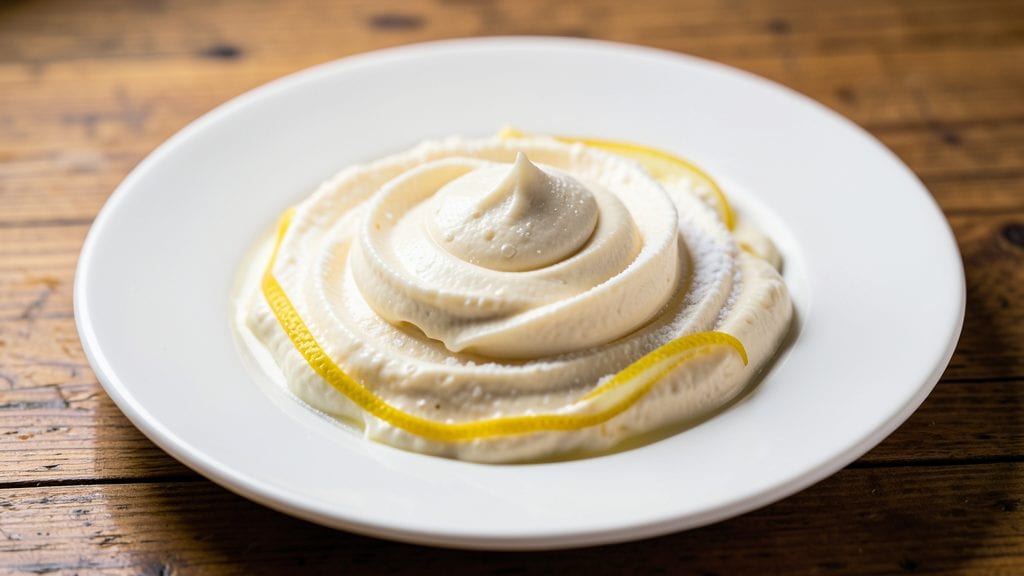
Claire Saffitz's classic cream cheese frosting recipe delivers that perfect tangy-sweet balance that elevates every pastry from good to unforgettable. The secret lies in precise measurements and technique—no guesswork, just foolproof results that spread smoothly and taste even better the next day.
I’ve tested this recipe countless times, and it never fails to impress, whether you’re frosting a carrot cake or filling cupcakes.
This frosting starts with 8 ounces of cream cheese softened to room temperature, ensuring a silky texture without lumps. 1 cup of butter and 4 cups of powdered sugar create the perfect foundation, while 1 teaspoon of vanilla extract adds depth.
The key is mixing just until combined—overworking can turn it grainy, so patience here pays off in a flawless finish.
What makes this frosting truly special is its versatility. It’s stiff enough to pipe for decorative borders but still light enough to spread without sinking into dense cakes.
The tanginess of the cream cheese cuts through sweetness, making it ideal for spice cakes, carrot cake, or even as a filling for cream cheese bars. Store it in the fridge for up to a week, and bring it to room temperature before using for the smoothest application.
For a professional touch, chill the frosting for 30 minutes before piping—this helps it hold its shape beautifully. If it thickens too much, a splash of heavy cream or milk will restore the perfect consistency. Trust me, once you master this recipe, you’ll never go back to store-bought frosting again.
Ingredients for claire saffitz classic cream cheese frosting
Eight ingredients, zero guesswork—this frosting transforms any cake into showstopper perfection.
| Ingredient | Amount | Notes |
|---|---|---|
| Full-Fat Cream Cheese 🧀 | 8 oz | Room temperature, no lumps |
| Unsalted Butter 🧈 | 1 cup | Softened, not melted |
| Powdered Sugar 🍚 | 4 cups | Sifted for smooth texture |
| Pure Vanilla Extract 🍯 | 1 tsp | Bottled, not imitation |
| Heavy Cream 🥛 | ¼ cup | For thinning if needed |
| Lemon Juice 🍋 | 1 tsp | Freshly squeezed brightness |
| Diamond Crystal Salt 🧂 | ¼ tsp | Fine grain, adjust to taste |
| Pasteurized Egg Whites 🥚 | 1 tbsp | Optional, for stability |
The cream cheese is non-negotiable—Philadelphia brand is my go-to, but any full-fat works. Grab a 16-ounce block from the dairy case, let it sit for 30-45 minutes before using. That soft-but-not-melted texture is everything. Butter? Salted or unsalted—just skip the salt if you're using salted. The powdered sugar should be sifted (I use a fine-mesh sieve) to avoid graininess. Trader Joe's has the best-priced sifted sugar in bulk bins, but any brand works. Pro tip: measure your sugar first—it gets compacted in the bag.
No vanilla extract? Pure almond extract at half the amount adds depth, but imitate vanilla won't cut it. The lemon juice brightens everything—freshly squeezed is ideal, but bottled works in a pinch. Need to thin? Heavy cream is the secret weapon (I keep a small bottle in the fridge). Too thick? A splash restores that silky spread. The egg whites? Optional but magical—whip them separately and fold in for a lighter, more stable frosting. No egg whites? 1 tbsp milk does the trick, but it's not as stable for piping.
This frosting keeps 1 week in the fridge, covered tightly. Bring it to room temperature before using—30 minutes at room temp or microwave 10 seconds if you're in a rush. For piping, chill for 30 minutes first. Leftovers? Portion into small containers—perfect for cupcakes or last-minute cake decorating. Freezes beautifully for 3 months if you want to make a big batch ahead.
Why You'll Love This Recipe
- Three-Ingredient Core: This is the frosting equivalent of a blank canvas—just cream cheese, butter, and powdered sugar, with vanilla and heavy cream as the secret players. Honestly, the simplicity is what makes it foolproof: no weird ratios, no guesswork, just smooth, reliable magic every time.
- Creamy Without Clumps: Between us, I’ve burned more frostings than I’ll admit trying to get that perfect silky texture. But this recipe? The heavy cream and softened butter blend so effortlessly with the cream cheese that you end up with a frosting so light it almost feels illegal—no graininess, no lumps, just pure, spreadable joy.
- Birthday Cake to Cupcakes: I use this for everything—slathered on sheet cakes, dolloped over cupcakes, even swirled into cheesecake filling. The heavy cream gives it just enough body to pipe neatly, while the vanilla keeps it bright and inviting. (Yes, even on a Tuesday night.)
- Lasts All Week: Here’s what sold me—the leftovers taste better the next day. Store it in the fridge, and the flavors deepen into this rich, tangy-sweet perfection. I’ve had it last five days in my fridge, and it’s still the star of my snack rotation. Budget-friendly? Absolutely. Waste-free? Even better.
Instructions for claire Saffitz's classic cream cheese frosting recipe
This tangy-sweet frosting delivers perfect balance every time—creamy, stable, and bursting with bright flavor.
Beat Cream Cheese and Butter Until Silky
In a stand mixer fitted with the paddle attachment, combine the 8 oz full-fat cream cheese and 1 cup softened unsalted butter. Beat on medium speed for 3-4 minutes until completely smooth and pale in color. You'll know it's ready when the mixture looks like thick, creamy pudding with no visible lumps.
This step is crucial for achieving that signature velvety texture. If you notice any lumps, stop and scrape down the sides of the bowl with a spatula before continuing. The mixture should be light and airy—not greasy or grainy. I like to press a finger into the mixture at this stage; it should leave a clean, smooth indentation without any resistance.
Gradually Add Powdered Sugar for Smooth Consistency
With the mixer running on low speed, gradually add the 4 cups sifted powdered sugar in small batches, allowing each addition to fully incorporate before adding more. This prevents a cloud of sugar dust from exploding when you add it all at once. After each addition, increase the speed to medium and beat for 30 seconds to fully blend.
You're aiming for a thick, spreadable consistency—like toothpaste. If the frosting feels too stiff, we'll address that in the next step. Here's the thing: powdered sugar absorbs moisture differently than granulated, so don't rush this process. The frosting should coat the back of a spoon smoothly without being runny or clumpy.
Incorporate Bright Flavors and Stabilizers
Add the 1 tsp pure vanilla extract, 1 tsp lemon juice, 0.25 tsp diamond crystal salt, and 1 tbsp pasteurized egg whites to the mixer. Beat on medium-high speed for 2-3 minutes until fully combined and the mixture is light and fluffy. The egg whites act as a stabilizer, preventing the frosting from becoming too soft in warm conditions.
The lemon juice and salt might seem like small amounts, but they're what elevate this from basic cream cheese frosting to something truly special. The acidity from the lemon brightens the sweetness, while the salt enhances all the flavors. Taste a small spoonful at this stage—it should be perfectly balanced between sweet and tangy, with no bitterness from the cream cheese.
Thin to Perfect Piping Consistency
If the frosting is too thick to pipe (it should hold its shape but still flow smoothly), add the 0.25 cup heavy cream 1 tablespoon at a time, mixing well after each addition. The frosting is ready when it's light enough to pipe through a decorator's tip but still holds its shape on a cake. You want it to be like thick honey—smooth and glossy.
Here's where many recipes go wrong: over-thinning makes the frosting too soft, while under-thinning makes it stiff and difficult to spread. The key is patience. If you've added all the cream and it's still too thick, you can gently warm the frosting in 10-second bursts in the microwave, stirring between each burst, until it reaches the desired consistency. But start with the cream—it's the most reliable method.
Chill and Use for Best Results
Transfer the frosting to a bowl and cover with plastic wrap, pressing the wrap directly onto the surface to prevent a skin from forming. Refrigerate for at least 1 hour before using. This chilling step firms up the frosting, making it easier to pipe and giving it that professional, polished look. It also allows all the flavors to meld together beautifully.
When you're ready to use it, give the frosting a quick stir to ensure even consistency. It should be cool but still spreadable. This frosting is incredibly versatile—perfect for layering cakes, filling cupcakes, or even as a glaze for pastries. The bright lemon notes and creamy texture make it a showstopper for any dessert, and it keeps well in the refrigerator for up to 5 days or can be frozen for up to 3 months.
Pro Tips For Making Claire Saffitz Classic Cream Cheese Frosting
- SOFTEN CREAM CHEESE FIRST: Take the cream cheese out of the fridge 30 minutes before mixing—it should yield slightly when pressed, not feel like stone. I learned this the hard way after struggling to beat cold blocks into submission; warm hands work, but room temp is the real game-changer for smoothness.
- WEIGH THE BUTTER: Use a kitchen scale for the butter (85g = 6 tbsp) instead of eyeballing. Butter’s density varies by brand, and too little makes the frosting dry, while too much throws off the balance. My first batch with "eyeballed" butter was grainy—now I never guess.
- ADD CREAM SLOWLY: Mix the heavy cream into the butter-sugar base after the butter and cream cheese are fully combined, and add it a tablespoon at a time. Dumping it all in at once risks curdling, and you’ll end up with a lumpy mess. Patience here saves you from starting over.
- SIFT THE SUGAR: Lightly sift the powdered sugar before adding it to the bowl—this prevents clumps and ensures a silky texture. I skip this when I’m lazy, but the frosting is noticeably smoother when I don’t. Takes 30 seconds and makes a real difference.
Pro cooking tips for perfect results
Cream Cheese Softening
The most common mistake is using cold cream cheese straight from the fridge, which leads to lumps and a grainy texture. Let your 8 oz block sit at room temperature for 30-45 minutes—press it gently with your finger.
It should feel soft but still hold its shape. I like to cut it into smaller chunks before softening for even distribution. Never microwave it, as heat can cause oil separation and ruin the texture. 🧀
Butter Temperature
Butter should be softened but not melted—press it with your finger and leave a slight indentation. If it's too warm, the frosting will become greasy.
I recommend using unsalted butter for better flavor control, but if you prefer salted, reduce the ¼ tsp salt in the recipe by ⅛ tsp. Always use a stand mixer for this step—hand mixing risks uneven texture. A KitchenAid Artisan with the paddle attachment works perfectly. 🧈
Sugar Addition Speed
Adding powdered sugar too quickly creates a cloud of dust that's nearly impossible to incorporate smoothly. Use a fine-mesh sieve to sift the sugar first, then add it gradually while mixing on low speed. After each addition, increase to medium speed for 30 seconds to fully blend.
If you see dry spots, stop and scrape the bowl with a spatula. The frosting should look like thick, creamy pudding—not dry or clumpy. 🍚
Egg White Stabilization
The 1 tbsp pasteurized egg whites are optional but make a huge difference in stability, especially in warm kitchens. Whip them separately to soft peaks before folding into the frosting. If you skip them, the frosting may soften faster—add 1 tbsp milk instead for a quick fix.
Never use raw egg whites unless pasteurized, as they can harbor bacteria. For a vegan version, substitute with 1 tbsp aquafaba (chickpea brine). 🥚
Thinning Technique
Heavy cream is the best thinner, but add it 1 tablespoon at a time—overdoing it makes the frosting too soft. If the frosting is still too thick after adding all the cream, try warming it in 10-second microwave bursts, stirring between each.
For piping consistency, it should hold its shape but still flow smoothly. Test by spooning a bit onto a plate—it should hold a peak but not be stiff. 💡
Chilling for Piping
Never skip the 1-hour chilling step—it firms up the frosting for perfect piping. Press plastic wrap directly onto the surface to prevent a skin from forming. If you're in a hurry, chill for 30 minutes in the freezer (but don't over-chill, or it'll be too stiff).
For best results, let it sit at room temperature for 10 minutes before using to soften slightly. This step is non-negotiable for professional-looking results. ❄️
Nutrition facts
Frequently asked questions
Can I make this frosting without egg whites?
Yes! The egg whites are optional but add stability—especially in warm kitchens. For a quick substitute, add 1 tablespoon milk instead. If you want a vegan version, replace the egg whites with 1 tablespoon aquafaba (chickpea brine) whipped to soft peaks. The frosting will still taste delicious, though it may soften slightly faster.
Why does my frosting taste bitter?
Bitterness usually comes from overmixing or using cold cream cheese. Make sure your cream cheese is softened to room temperature (no lumps!) and mix only until smooth. The ¼ tsp salt and 1 tsp lemon juice balance the flavors—if you skipped them, add a pinch more salt or a splash of vanilla to brighten the taste.
How do I fix frosting that’s too thick or too thin?
For thick frosting, add 1 tablespoon heavy cream at a time until it reaches piping consistency. If it’s still too stiff, warm it in 10-second microwave bursts, stirring between each. For thin frosting, chill it for 30 minutes—this firms it up. If it’s too runny, add 1 tablespoon powdered sugar at a time until it thickens.
Can I use this frosting for cupcakes or just cakes?
This frosting is perfect for cupcakes, cakes, and even pastries. For cupcakes, pipe it directly onto the top or use a piping bag with a star tip. For cakes, spread it between layers or as a final coating. The bright lemon notes and creamy texture make it ideal for spice cakes, carrot cake, or vanilla layers.
How long can I store leftover frosting?
Store it in an airtight container in the fridge for up to 5 days. For longer storage, freeze it for 3 months. To use, let it sit at room temperature for 10-15 minutes5-10 seconds to restore smoothness—just don’t overheat, or it’ll separate.