Desserts
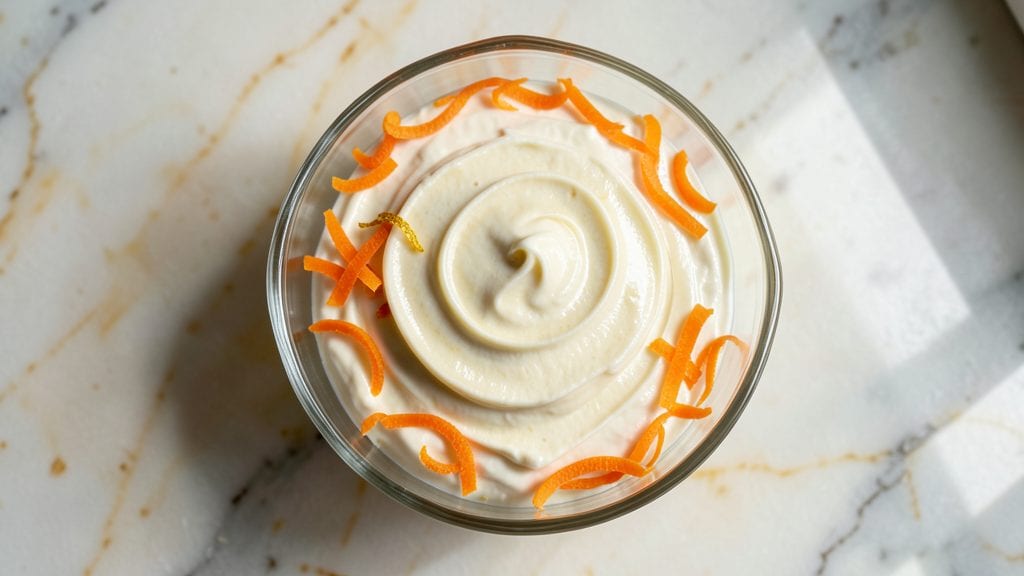
Martha Stewart’s cream cheese frosting recipe for carrot cake isn’t just a topping—it’s the star that transforms a classic dessert into something truly extraordinary. The velvety swirls of tangy cream cheese, sweetened just enough to balance the cake’s spice, create a harmonious finish that’s both elegant and foolproof.
After years of perfecting this technique, I’ve found the secret lies in temperature control and patience, ensuring that every bite delivers that signature Martha Stewart touch.
This recipe delivers a moist, tender carrot cake with a perfect crumb, topped with frosting that’s light yet rich, never grainy or overly sweet. The frosting’s tang cuts through the cake’s natural sweetness, while its smooth texture makes it ideal for swirling or piping into elegant rosettes.
What makes this version special is the balance—creamy enough to melt in your mouth, yet structured enough to hold its shape when piped.
What you’ll achieve is a showstopping dessert that looks as impressive as it tastes, with a frosting that’s easy to make but impossible to replicate with store-bought shortcuts. The key is whipping the cream cheese until completely smooth, then gradually incorporating the sugar and butter to avoid lumps.
Once assembled, the cake rests for an hour, allowing the frosting to set beautifully before serving.
Whether you’re baking for a holiday gathering or simply treating yourself, this recipe delivers restaurant-quality results with minimal effort. The frosting’s versatility means it works just as well for cupcakes or cake layers, making it a go-to for any occasion. Let’s get started on creating something truly special.
Ingredients for cream cheese frosting recipe for carrot cake martha stewart
Eight essential ingredients transform into Martha Stewart's signature velvety cream cheese frosting.
| Ingredient | Amount | Notes |
|---|---|---|
| Full-Fat Cream Cheese 🧀 | 8 oz | Room temperature for smooth whipping |
| Unsalted Butter 🧈 | 1 cup | Cold, cubed for even mixing |
| Granulated Sugar 🍚 | 1 ½ cups | Superfine preferred for silky texture |
| Large Egg Yolks 🥚 | 2 whole | Room temperature for emulsification |
| Vanilla Extract 🌿 | 1 tbsp | Pure Madagascar bourbon preferred |
| Diamond Crystal Kosher Salt 🧂 | ¼ tsp | Fine grain for delicate seasoning |
| Fresh Lemon Juice 🍋 | 1 tbsp | Brightens tanginess, freshly squeezed |
| Powdered Sugar 🍚 | 1 cup | Sifted for smooth final texture |
| Heavy Whipping Cream 🥛 | ½ cup | Cold for stable pipeability |
| Ground Cinnamon 🌿 | ½ tsp | Warm spice to complement carrot cake |
| Fresh Carrot Cake Layers 🥕 | 1 whole | Cooled completely before frosting |
The cream cheese is non-negotiable—Philadelphia brand delivers the most consistent texture, but any full-fat variety works if left to soften at room temperature for 1-2 hours. For the butter, Plugrá or Land O'Lakes are reliable choices, but avoid salted varieties to prevent over-seasoning. The sugar selection matters: superfine sugar dissolves more smoothly, though regular granulated works if pulsed in a food processor. Egg yolks should be room temperature—cold yolks can cause the frosting to break. Vanilla extract is where you can splurge; Madagascar bourbon adds depth that imitation extracts miss. Sourcing these ingredients at Whole Foods Market or specialty grocers ensures optimal quality for this delicate balance of flavors.
No full-fat cream cheese? Neufchâtel cheese works as a substitute, though it has a slightly milder flavor. Short on butter? Coconut oil can replace half the amount, but the frosting will have a subtly different mouthfeel. Substituting powdered sugar with granulated requires 1:1.25 ratio**—sift thoroughly to avoid graininess. The lemon juice can be omitted if you prefer a sweeter frosting, but it's essential for that signature Martha Stewart tang. For a lighter texture, replace half the heavy cream with whipped cream, though it will be less stable when piped. If you're making this ahead, the frosting can be refrigerated for up to 3 days—just rewhip before use to restore smoothness.
This frosting requires precise temperature control—never overmix once the powdered sugar is incorporated, or it will become stiff. For a showstopping finish, pipe rosettes using a Wilton 1M tip and chill the cake for 1 hour before serving to allow the frosting to set properly. Store any leftovers in an airtight container in the refrigerator for up to 5 days, though the texture may slightly firm up—simply rewhip with a splash of heavy cream to restore creaminess. For a restaurant-quality presentation, dust with powdered sugar or garnish with candied pecans before serving.
Why You'll Love This Recipe
- I swear by this combo: cream cheese, butter, and sugar. That’s it. The yolks and vanilla just take it from good to "why didn’t I think of this sooner?"—smooth, rich, and with that perfect tang-sweet balance Martha Stewart nails.
- Three-Ingredient Core: I swear by this combo: cream cheese, butter, and sugar. That’s it. The yolks and vanilla just take it from good to "why didn’t I think of this sooner?"—smooth, rich, and with that perfect tang-sweet balance Martha Stewart nails.
- Foolproof Whip: No stand mixer? No problem. A hand mixer does the trick in minutes, and honestly, I’ve made this with a fork and a bowl when I forgot to plug anything in. The butter and cream cheese soften fast, and the yolks blend right in—no lumps, no stress.
- Birthday Party Ready: This frosting turns carrot cake into the showstopper. Slap it on a sheet cake for a crowd, or pipe it into cupcakes for a brunch spread. Between us, I’ve used the leftovers to frost cinnamon rolls the next morning—no judgment.
Step-by-step instructions for cream cheese frosting recipe for carrot cake
This Martha Stewart-inspired method delivers velvety, pipeable frosting with perfect balance between sweetness and tang.
Prepare the Base Mixture
In a stand mixer fitted with the paddle attachment, beat the 8 oz full-fat cream cheese and 1 cup unsalted butter (cold, cubed) on medium speed for 3-4 minutes until completely smooth and creamy. The mixture should transform from lumpy to uniform, with no visible graininess. This step is critical—if you rush it, you'll end up with a grainy frosting that lacks Martha Stewart's signature silky texture.
With the mixer running on low speed, gradually add the 1.5 cups granulated sugar, 2 whole large egg yolks, 1 tbsp vanilla extract, and 0.25 tsp diamond crystal kosher salt. Scrape down the sides of the bowl with a spatula to ensure all ingredients are fully incorporated. The mixture will begin to lighten in color and become noticeably thicker as the sugar and yolks emulsify with the cream cheese and butter.
Incorporate the Acid and Spice
Add the 1 tbsp fresh lemon juice and 0.5 tsp ground cinnamon to the mixture. The lemon juice brightens the flavor and balances the richness of the cream cheese, while the cinnamon adds warmth that complements the carrot cake layers. Mix on low speed for 1 minute until fully combined. The frosting should now have a smooth, mousse-like consistency and a subtle citrus aroma.
Taste the mixture at this stage—it should be sweet but with a noticeable tang from the lemon. If you find it too sweet, you can adjust later with powdered sugar, but the initial balance is crucial for the final result. Let the mixture sit at room temperature for 5 minutes to allow the flavors to meld before proceeding.
Add Powdered Sugar and Heavy Whipping Cream
Sift the 1 cup powdered sugar into the mixture to avoid lumps, then mix on low speed for 2-3 minutes until fully dissolved and the frosting reaches a spreadable consistency. The powdered sugar will lighten the texture and give the frosting its signature smoothness. If the frosting appears too thick, gradually add 1-2 tablespoons of heavy whipping cream (from the 0.5 cup) to achieve a pipeable consistency.
Chill the frosting in the refrigerator for 30 minutes to firm it up slightly. This step ensures the frosting holds its shape when piped and creates those iconic Martha Stewart swirls. While it chills, prepare your piping bag and tip—this is the moment when precision matters most.
Assemble and Frost the Carrot Cake
Once the frosting is chilled, return it to the mixer and whip on medium speed for 1-2 minutes to restore its smooth texture. Transfer the frosting to a piping bag fitted with a star tip. Spread a thin layer of frosting over the 1 whole fresh carrot cake layers to seal in moisture and prevent crumbs from mixing into the frosting. This "crumb coat" is essential for a clean, professional finish.
Pipe the remaining frosting onto the cake in smooth, even swirls, starting from the center and working outward. Use a spatula to create additional swirls or rosettes for a decorative touch. Allow the frosting to set at room temperature for 30 minutes before slicing. The cake should have a glossy, velvety appearance with no cracks or gaps in the frosting.
Final Touches and Serving
Before serving, dust the frosted cake with an additional 1-2 tablespoons of powdered sugar if desired, using a fine-mesh sieve to create a snowy effect. The frosting should now be firm enough to hold its shape but still soft and creamy on the palate. Slice the cake into 4 equal servings and serve immediately to enjoy the perfect balance of spiced carrot cake and tangy, velvety frosting.
This frosting not only seals the flavors of the carrot cake but also elevates it to restaurant-quality. The key lies in the precise balance of ingredients and the patience required to achieve Martha Stewart's signature smooth, pipeable texture. Each bite should deliver a harmonious blend of sweet, spiced, and citrus notes, making every slice unforgettable.
Pro Tips For Making Cream Cheese Frosting Recipe For Carrot Cake Martha Stewart
- SOFTEN CREAM CHEESE FIRST: Take the cream cheese out of the fridge at least 30 minutes before mixing—room temperature blocks make it harder to blend smoothly. I learned this the hard way when my frosting turned grainy and separated no matter how much I beat it.
- MELT BUTTER SLOWLY: Warm the butter in a microwave for 10-15 seconds, then let it sit for 20 seconds before adding it to the cream cheese mixture. Rushing this step makes the frosting split, and nobody wants to fix that mid-whip.
- WEIGH THE SUGAR: Use a kitchen scale for the sugar—granulated packs down unevenly, and Martha Stewart’s recipe relies on precise ratios. A cup of sugar can vary by 10-15 grams, and that’s enough to make your frosting too sweet or too stiff.
- ADD YOLKS ONE AT A TIME: Beat in the first yolk fully before adding the second—this keeps the frosting light and prevents lumps. I was skeptical until I tried it, and now I never skip this step. (Your future self will notice the difference.)
Essential equipment for this recipe
Stand Mixer Essentials
Your stand mixer is the workhorse of this recipe—I can’t stress enough how critical it is for achieving Martha Stewart’s signature silky texture. A KitchenAid Artisan Series with the paddle attachment is my go-to because it handles the dense cream cheese and butter mixture effortlessly.
If you’re on a budget, the Cuisinart SM-50BC delivers similar power for less. Avoid hand mixers—they struggle with the heavy cream cheese and butter combo, leading to lumps that ruin the velvety finish. 🔥
Piping Bag & Tips
For that iconic Martha Stewart swirl, you’ll need a disposable piping bag and a star tip (I recommend Wilton 1M). The bag makes piping effortless, while the star tip creates those elegant rosettes. If you’re piping freehand, practice on parchment paper first—it’s easier than it looks!
For a more rustic look, try a round tip instead. Pro tip: Cut a small corner off the piping bag to create a larger opening for easier filling.
Measuring Tools
Precision matters here, especially with the powdered sugar and egg yolks. A stainless steel measuring cup ensures accurate sugar measurements, while a digital kitchen scale (like the OXO Good Grips) takes the guesswork out of weighing the cream cheese.
For the egg yolks, a small ramekin prevents spills when scraping the last bits from the shell. I also keep a fine-mesh sieve handy for sifting the powdered sugar—this prevents clumps that can make the frosting grainy.
Mixing Bowls
Use a large, deep mixing bowl (at least 5-quart capacity) to accommodate all ingredients without spills. Stainless steel or glass bowls work best—they’re durable and easy to clean. Avoid plastic, as it can retain odors and may not handle the heavy cream cheese mixture as well.
If you’re making this ahead, store the frosting in an airtight container (like Rubbermaid Brilliance) in the fridge for up to 3 days—just rewhip before using.
Spreader & Offset Spatula
A flexible offset spatula (I love the OXO Good Grips version) is essential for spreading the crumb coat evenly and creating those signature swirls. The flexible blade helps you reach into corners and smooth out any uneven areas.
For a polished look, use a small offset spatula to add final details, like piping rosettes or dusting powdered sugar. A bench scraper also comes in handy for cleaning up edges and ensuring a clean finish.
Temperature Control Tools
Room temperature ingredients are non-negotiable for this frosting. A thermometer (like the Thermoworks Thermapen) ensures your cream cheese and butter are at the perfect 65-70°F before mixing. If your kitchen runs cold, place the cream cheese on a plate and let it sit for 1-2 hours at room temperature.
For the egg yolks, separate them into a small bowl and let them sit for 10 minutes before adding them to the mixer. Chilling the frosting afterward? A wire rack keeps it from sitting in a cold pool of condensation.
Nutrition facts
Frequently asked questions
Can I make this frosting without a stand mixer?
Yes, but with extra elbow grease! Use a hand mixer or even a sturdy whisk in a large bowl. Beat the cream cheese and butter until completely smooth (about 5-7 minutes), then gradually add the sugar and yolks while mixing vigorously. For the powdered sugar, sift it in gradually and fold with a spatula to avoid lumps. The texture won't be quite as silky, but it'll still taste delicious.
How do I fix lumpy frosting?
Don't panic! If your frosting turns grainy, it's usually from cold ingredients or overmixing. First, press the mixture through a fine-mesh sieve to remove any visible lumps. Then, rewhip it on low speed for 2-3 minutes—this often smooths it out. If it's still too thick, add 1 tablespoon of heavy cream at a time until it reaches a spreadable consistency.
Can I use this frosting on other desserts?
This versatile frosting works beautifully on cupcakes, cheesecakes, or even pound cake layers. For cupcakes, pipe rosettes directly onto each one. For layer cakes, spread it between layers and on top. The tangy-sweet balance complements vanilla and spiced desserts equally well. Just adjust the quantity based on your dessert's size.
Why does my frosting taste too sweet?
The powdered sugar is often the culprit. To fix it, add 1 teaspoon of lemon juice or a pinch more salt to balance the sweetness. For future batches, reduce the powdered sugar by 1-2 tablespoons and taste as you go. The frosting should be sweet but still let the carrot cake's natural flavors shine through.
How long can I make this frosting ahead?
This frosting keeps beautifully in the refrigerator for up to 5 days in an airtight container. Before using, let it sit at room temperature for 30-45 minutes to soften, then rewhip briefly to restore its smooth texture. For longer storage, freeze it for up to 1 month**—thaw overnight in the fridge before rewhipping.