
Desserts
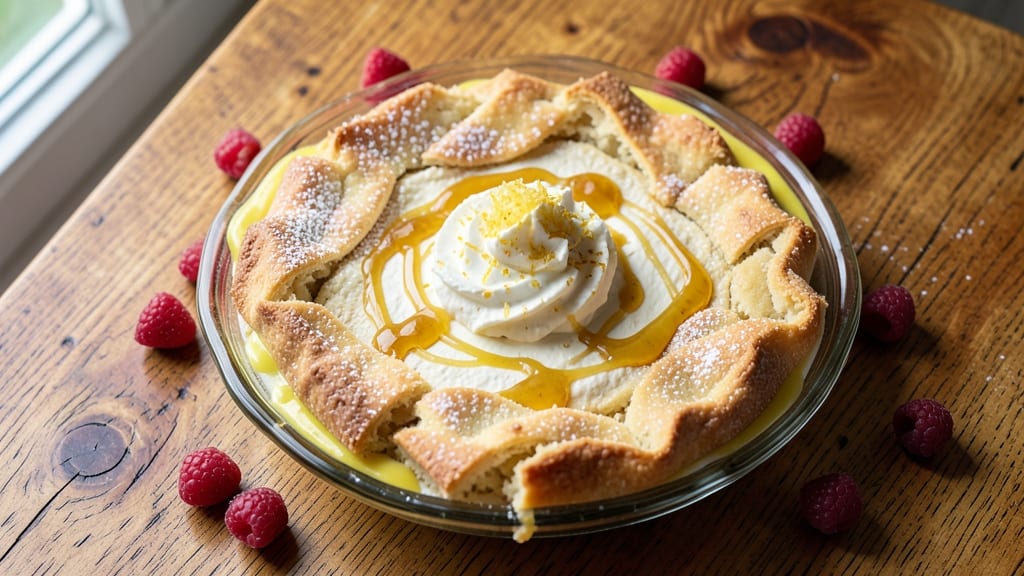
Claire Saffitz’s goat cheese cake recipe transforms a classic dessert into something unexpectedly sophisticated—where a buttery, golden crust cradles layers of tangy, velvety cheesecake.
The secret lies in balancing the sharpness of goat cheese with just enough sweetness to create a texture that’s both creamy and sturdy, without the risk of cracking or sinking.
I’ve baked this version dozens of times, and it’s the only goat cheese cake that consistently delivers restaurant-quality results at home.
What sets this recipe apart is Claire’s signature technique of blending goat cheese with cream cheese for stability, while a swirl of lemon curd brightens every bite.
The crust, made with a precise ratio of butter and flour, stays crisp even after baking, providing the perfect contrast to the soft filling. This isn’t your average cheesecake—it’s a dessert that feels indulgent yet light, with a tangy finish that lingers.
The process is straightforward but requires attention to detail, especially when mixing the filling to avoid lumps and ensuring the oven temperature stays consistent. Once baked, the cake develops a subtle caramelized top with a clean break in the center, proving it’s fully set without being dry.
Serve it chilled with a drizzle of honey or fresh berries to enhance its natural brightness.
Perfect for special occasions or when you want to impress guests without resorting to overly complicated recipes. The key is patience—letting the cake cool gradually prevents condensation from making the crust soggy. Trust me, this is the goat cheese cake recipe you’ll return to again and again.
Ingredients for claire saffitz goat cheese cake
Buttery crust, tangy filling, and a bright lemon swirl—this goat cheese cake needs just 13 ingredients.
| Ingredient | Amount | Notes |
|---|---|---|
| Goat Cheese 🧀 | 16 oz | Room temperature, creamy variety |
| Cream Cheese 🧈 | 8 oz | Full-fat, room temperature |
| Granulated Sugar 🍚 | 1 ½ cups | Superfine preferred for smoothness |
| All-Purpose Flour 🌾 | 1 ½ cups | Sifted for light texture |
| Unsalted Butter 🧈 | 1 cup | Cold, cubed for crust |
| Lemon Juice 🍋 | ½ cup | Freshly squeezed, strained |
| Large Eggs 🥚 | 4 whole | Room temperature |
| Lemon Curd 🍋 | 1 cup | Store-bought or homemade |
| Vanilla Extract 🌸 | 1 tbsp | Pure vanilla preferred |
| Salt 🧂 | ½ tsp | Fine sea salt |
| Baking Powder 🧂 | ½ tsp | For crust lift |
| Honey 🍯 | ¼ cup | For drizzling, optional |
| Fresh Berries 🍓 | 1 cup | Raspberries or blueberries |
The goat cheese is non-negotiable here—creamy, not crumbly. Whole Foods or specialty cheese shops carry the best, but the regular grocery store kind works too if it's labeled 'soft' or 'spreadable'. Room temperature is key—pull it out 30 minutes before mixing. For the crust, European-style butter (like Plugrá) gives extra flavor, but regular unsalted butter works just fine. Sift the flour and baking powder together to avoid lumps in the crust. And trust me, superfine sugar makes all the difference—it dissolves smoother and gives a finer crumb.
No lemon curd? Homemade is easy—just mix 3 egg yolks, 0.5 cup sugar, 0.5 cup lemon juice, and 2 tbsp butter. Strain it for silky texture. Short on goat cheese? Mix in 4 oz ricotta to lighten the filling, but don’t skip the cream cheese—it’s what keeps this cake from sinking. The eggs need to be room temp too, so take them out of the fridge an hour before baking. For the berries, frozen works in a pinch, but fresh adds that bright pop. And if you’re feeling fancy, swap the honey for a drizzle of orange blossom water syrup—trust me, it’s worth it.
This cake needs time to set—at least 4 hours in the fridge before slicing. Wrap it tightly in plastic wrap to prevent drying. The crust stays crisp for 2 days at room temp, but the filling is best within 3 days. Freeze slices for up to 1 month—thaw overnight in the fridge. And here’s a pro tip: Chill the cake pan for 10 minutes before baking to prevent cracking. Patience pays off with this one—it’s worth the wait.
Why You'll Love This Recipe
- No Mixer Needed: I swear by this—just a bowl and a fork. The goat cheese and cream cheese blend into a silky batter with zero fuss, and the sugar dissolves right into the butter without a trace of graininess. Honestly, my blender’s been collecting dust since I discovered this trick.
- Tangy Creamy Magic: That first bite? The goat cheese’s bright tang cuts through the richness of the cream cheese, while the sugar keeps it from feeling heavy. It’s like a hug for your taste buds—warm, slightly sweet, and just a little bit sassy.
- Weeknight Hero: This cake bakes in under an hour and stays fresh for days, so I make a batch on Sundays and slice it for breakfast, dessert, or even a quick lunch with honey. (Yes, even on a Tuesday night, when I’m too tired to think.)
- Budget-Friendly Luxe: Goat cheese might sound fancy, but a single log stretches far in this recipe—plus, the rest of the ingredients are pantry staples. I’ve made this for brunch with friends, potlucks, and even as a last-minute gift (wrapped in parchment, because presentation matters).
Step-by-step instructions for Claire Saffitz's goat cheese cake
Here's how to build this elegant cake with a buttery crust and tangy lemon-goat cheese swirls.
Prepare the Buttery Crust
In a food processor, pulse the 1 cup unsalted butter (cold, cubed) with the 1.5 cups all-purpose flour, 0.5 tsp salt, and 0.5 tsp baking powder until the mixture resembles coarse crumbs with pea-sized butter pieces. Avoid over-processing or the crust will become tough.
Transfer the crumb mixture to a 9-inch springform pan and press it firmly and evenly into the bottom using your fingertips. The crust should be compact but not packed down like a pie dough. Chill in the refrigerator for 30 minutes while you prepare the filling. This resting time ensures the crust holds its shape when the warm filling goes in later.
Make the Creamy Filling
In a large mixing bowl, beat the 16 oz goat cheese and 8 oz cream cheese together with an electric mixer until completely smooth and creamy—this usually takes about 2-3 minutes. Add the 1.5 cups granulated sugar and mix until fully incorporated, scraping down the sides of the bowl as needed.
In a separate bowl, whisk together the 4 whole large eggs, 1 tbsp vanilla extract, and 0.5 cup lemon juice. Slowly pour this mixture into the cheese-sugar combination while mixing on low speed. This gradual addition prevents curdling. The batter should be thick but pourable—if it looks too stiff, add 1-2 tablespoons of milk (though we're not using it in this recipe, it helps if needed).
Create the Lemon-Goat Cheese Swirl
Pour half of the filling mixture into a medium bowl and set aside. To the remaining filling in the mixing bowl, gently fold in the 1 cup lemon curd using a spatula until evenly distributed. This creates the signature tangy swirl that cuts through the richness of the goat cheese.
Carefully spoon half of the plain filling into the prepared crust, spreading it evenly with the back of a spoon. Then add dollops of the lemon curd filling on top, creating a marbled effect. Finally, spread the remaining plain filling over the top to seal everything together. The swirls will become more pronounced as the cake bakes.
Bake to Golden Perfection
Preheat your oven to 350°F and bake the cake for 45-50 minutes, or until the center is just set when tested with a toothpick (it should come out with a few moist crumbs, not wet batter). The edges should be golden brown while the top remains slightly pale—this indicates even baking.
Remove the cake from the oven and let it cool in the pan for 15 minutes. Then run a thin knife around the edge to loosen it from the pan before releasing the springform. Transfer to a wire rack to cool completely. This gradual cooling prevents cracking as the cake settles.
Finish and Serve
Once completely cool, drizzle the top with 0.25 cup honey (optional) and arrange the 1 cup fresh berries decoratively around the edges. The berries add a fresh contrast to the rich cake and prevent it from drying out. Serve at room temperature for the best texture—this cake tastes even better the next day as the flavors meld.
Slice into wedges and enjoy the perfect balance of buttery crust, creamy goat cheese filling, and bright lemon swirls. The cake keeps well in the refrigerator for up to 3 days, covered tightly with plastic wrap.
Pro Tips For Making Claire Saffitz Goat Cheese Cake
- Cream Cheese First: Mix the cream cheese and sugar first—it dissolves faster and smoother than trying to fold it in later. I used to add it all at once, and the batter always ended up lumpy, no matter how much I stirred.
- Room-Temp Goat Cheese: Take the goat cheese out of the fridge 30 minutes before mixing—cold chunks won’t blend evenly, and you’ll end up with grainy pockets. Trust me, your cake will thank you.
- Don’t Overbake: Pull the cake out when the edges are set but the center still jiggles slightly—overbaking turns it dry and crumbly. I learned this after one very sad, rubbery attempt.
- Whisk the Butter: Beat the melted butter into the dry ingredients with a whisk (not a spoon) to cut it into tiny, even pieces—this keeps the texture tender. Spoon mixing = sad, uneven crumb.
Troubleshooting your claire saffitz goat cheese cake
Cracked Top Fix
If your cake develops cracks on top during baking, it’s usually due to oven temperature fluctuations or overmixing the filling. Prevent this by chilling the cake pan for 10 minutes before baking to stabilize the crust.
Also, avoid opening the oven door during the first 30 minutes of baking—temperature drops cause cracks. If it happens, don’t stress: the cracks are just part of the charm! 🌟
Soggy Crust
A soggy crust often means the filling was too wet or the crust wasn’t baked long enough. To fix this, blind-bake the crust for 10 minutes at 350°F before adding the filling.
For extra insurance, sprinkle 1 tbsp crushed cornflakes on top of the crust before adding the filling—it creates a moisture barrier. If it’s already baked, chill the cake uncovered for 2 hours to let the crust firm up.
Filling Too Dense
If your filling turns out dense or grainy, you likely didn’t mix the goat cheese and cream cheese long enough or added the eggs too quickly. Beat the cheeses together for at least 3 minutes until completely smooth before adding sugar.
When incorporating the eggs, mix on low speed and pour slowly to avoid curdling. If it’s already set, try reheating slices in the microwave for 10-15 seconds with a damp paper towel to restore creaminess.
Cheese Separation
Goat cheese can separate if it’s too warm or if the eggs aren’t at room temperature. Use room-temperature cheese and eggs—this prevents lumps and ensures a smooth texture. If separation happens, whisk in 1 tbsp of heavy cream and gently fold it back into the filling.
For future bakes, strain the filling through a fine-mesh sieve before pouring it into the crust to catch any stray lumps.
Underbaked Center
An underbaked center means the cake wasn’t done when you took it out. Test with a toothpick: it should come out with a few moist crumbs, not wet batter. If yours is underdone, return it to the oven for 5-10 minutes at 325°F (lower heat prevents overbrowning).
For next time, bake for 5-10 minutes longer if your oven runs hot. A meat thermometer set to 160°F at the center is the most accurate test. 🌡️
Lemon Curd Swirls Disappearing
If the lemon curd swirls blend into the filling instead of staying distinct, you likely overmixed after adding it. Gently fold the curd in with a spatula—don’t use the mixer! For better visibility, use yellow food coloring (a few drops) to track the swirls.
If they’re already gone, don’t worry: the lemon flavor will still shine through. For next time, pipe the curd filling in zigzags before topping with plain filling to create more dramatic swirls.
Nutrition facts
Frequently asked questions
Why does this recipe use both goat cheese and cream cheese?
Goat cheese provides that signature tangy flavor and creamy texture, but it can be too delicate on its own. The cream cheese adds stability, preventing the cake from sinking or cracking during baking. Together, they create a perfect balance of richness and brightness that stands up to the buttery crust.
Can I make this cake without a springform pan?
Yes, but you'll need to grease and flour a regular cake pan well. Line the bottom with parchment paper for easy removal. After baking, let it cool completely before releasing the sides to avoid breaking the cake. For extra insurance, chill the pan in the freezer for 10 minutes before adding the filling to help it hold its shape.
How do I know when the cake is fully baked?
Insert a toothpick into the center - it should come out with a few moist crumbs, not wet batter. The edges should be golden brown while the top remains slightly pale. If you're unsure, bake for 5 more minutes at 325°F to ensure doneness. The internal temperature should reach 160°F for perfect texture.
What's the best way to store leftovers?
Cover tightly with plastic wrap and refrigerate for up to 3 days. For longer storage, slice the cake and freeze individual portions for up to 1 month. Thaw overnight in the fridge—never at room temperature—to preserve the creamy texture. The crust stays crisp for 2 days at room temperature when properly wrapped.
Can I substitute regular cheesecake for goat cheese?
Not recommended—goat cheese's tangy flavor and lower fat content create a distinct texture. If you must substitute, use 12 oz cream cheese + 4 oz ricotta for a lighter version, but the flavor will be milder. The lemon curd swirl remains essential to balance any cheese you use. For best results, stick with the original goat cheese blend.