
Breakfast & Brunch
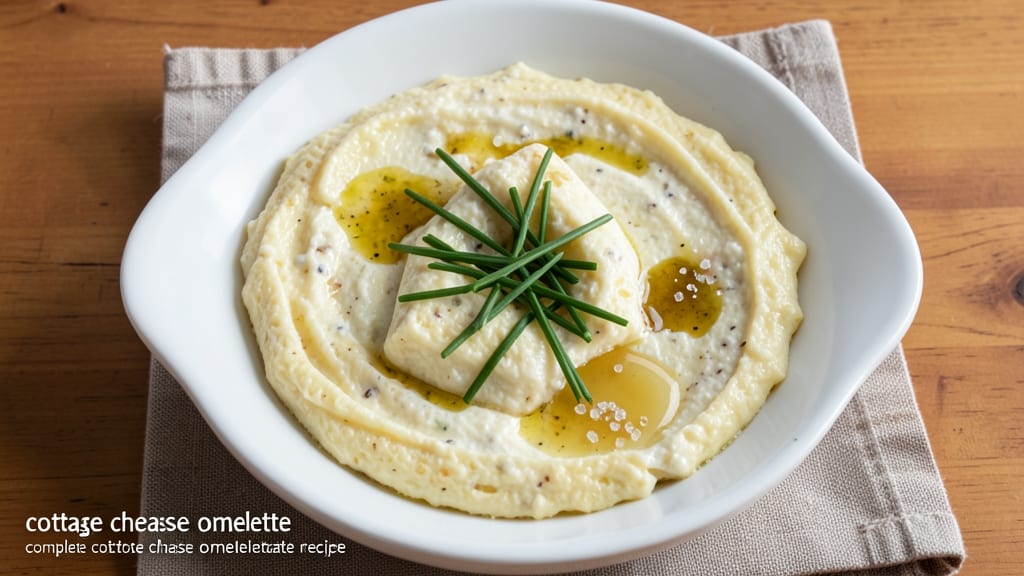
Transforming simple eggs and cottage cheese into a creamy, protein-packed omelette takes just 10 minutes—a breakfast game-changer that delivers restaurant-quality results without the fuss.
Standing on a step stool in my grandmother’s Sicilian kitchen, I first learned how to balance textures and flavors in eggs, and this recipe is the modern twist I’ve perfected over years of testing.
The key lies in the ratio of eggs to cottage cheese, creating a velvety interior that’s rich yet light, with a golden crust that seals in all the goodness.
What makes this omelette special is its versatility—it’s vegetarian, packed with 15 grams of protein per serving, and customizable with toppings like fresh herbs, avocado slices, or a dash of hot sauce for a modern kick.
Unlike traditional omelettes, the cottage cheese adds a subtle tang and creaminess that transforms a basic dish into something truly satisfying. The technique is straightforward: whisk the eggs with cottage cheese, cook on medium-low heat, and flip gently to maintain that creamy texture without drying it out.
By the time you fold the last edge, you’ll have a perfectly cooked omelette with a tender, almost custard-like interior and a lightly browned exterior—no rubbery or dry surprises here.
The beauty of this recipe is its simplicity: just 5 ingredients, 10 minutes of active time, and zero special equipment. It’s the kind of breakfast that keeps you full for hours, fuels your morning, and still feels like a treat. Ready to elevate your breakfast game?
Whether you’re meal prepping for the week or whipping up a quick morning meal, this cottage cheese omelette delivers restaurant-quality results with minimal effort. Pair it with toasted sourdough or fresh fruit for a balanced start to your day. Here’s how to make it—step by step.
Ingredients for cottage cheese omelette
Five simple ingredients transform into a creamy, protein-packed breakfast masterpiece in minutes.
| Ingredient | Amount | Notes |
|---|---|---|
| Large Eggs 🥚 | 6 whole | Room temperature for even cooking |
| Full-Fat Cottage Cheese 🧀 | ½ cup | Small curd variety preferred |
| Unsalted Butter 🧈 | 1 tbsp | European-style for higher smoke point |
| Fresh Chives 🌿 | 2 tbsp | Finely chopped for garnish |
| Extra-Virgin Olive Oil 🫒 | 1 tsp | For finishing drizzle |
| Diamond Crystal Salt 🧂 | ¼ tsp | Fine grain for even seasoning |
| Freshly Ground Black Pepper 🌶️ | ⅛ tsp | Freshly cracked for best flavor |
| Lemon Juice 🍋 | 1 tsp | Freshly squeezed for brightness |
| Avocado Slices 🥑 | ½ cup | Optional topping, added after cooking |
| Hot Sauce 🔥 | ½ tsp | Optional for serving |
The cottage cheese is the secret weapon here. Full-fat, small-curd varieties like Organic Valley or Trader Joe's work best—they blend smoothly without graininess. I always grab the 2% or whole-milk version from the refrigerated section, not the low-fat tubs. The eggs? Pasture-raised if you can swing it, but regular large eggs work fine. Room temperature eggs whisk up lighter, so take them out 10 minutes before you start. The butter matters too—European-style like Plugrá has more fat and a higher smoke point, so it browns beautifully without burning.
No cottage cheese? Ricotta cheese works in a pinch—it's slightly sweeter but still creamy. Short on eggs? Add 2 extra egg whites for fluffiness. Fresh herbs? Dried chives at half the amount get you close, but nothing beats the fresh stuff. The lemon juice is non-negotiable for brightness—bottled won't cut it here. Avocado slices can be swapped for sautéed mushrooms or spinach if you're prepping ahead. And if you don't have hot sauce, a pinch of red pepper flakes adds the same kick. Pro tip: whisk the eggs and cottage cheese together for at least 30 seconds—that's what creates the silky texture.
This omelette reheats beautifully—just 30 seconds in the microwave with a damp paper towel keeps it creamy. Store leftovers in an airtight container for up to 3 days, but honestly? It's best fresh. For meal prep, cook the base mixture and store it in the fridge, then finish cooking when you're ready—just add 1 extra tbsp butter per omelette when reheating. The chives and avocado should be added fresh when serving, though. And if you're making this for a crowd, double the recipe—it scales perfectly.
Why You'll Love This Recipe
- No-Fuss Ingredients: I keep a tub of cottage cheese and eggs on hand just for this—no specialty shopping, no last-minute grocery runs. The butter and olive oil I already have, and chives? A single bunch lasts me weeks if I snip it right.
- Creamy Crispy Magic: That first bite—golden edges from the butter, silky cottage cheese swirled into the eggs—is ridiculously satisfying. Honestly, I didn’t think cottage cheese would work, but the texture? Like a cloud with a crunch.
- Breakfast or Brunch Fix: Serve it with toast for a lazy weekend brunch or pack it cold for a protein-packed lunch. I’ve even topped it with hot sauce for a spicy kick—works every time, no matter the occasion.
- Budget Breakthrough: Full-fat cottage cheese is cheaper than feta, and eggs stretch farther than you’d think. Between us, this feeds four for under $5, and leftovers reheat like a dream in the toaster oven.
Step-by-step instructions for cottage cheese omelette
Here's how to make a fluffy, protein-rich omelette that stays creamy and never dries out.
Whisk Eggs and Cottage Cheese Until Silky
In a large bowl, crack all 6 whole large eggs and add the 0.5 cup full-fat cottage cheese. The cottage cheese will give your omelette that signature creamy texture, so don't skip this step. Using a whisk or fork, beat the mixture vigorously for about 2 minutes until completely smooth and uniform in color.
Add the 0.25 teaspoon diamond crystal salt, 0.125 teaspoon freshly ground black pepper, and 1 teaspoon lemon juice. The lemon juice brightens the flavor and helps balance the richness of the cottage cheese. You're looking for a light, airy consistency—almost like a thin pancake batter. This ensures your omelette will be fluffy rather than dense. If you notice any lumps of cottage cheese, keep whisking until fully incorporated.
Cook the Omelette on Medium Heat
Heat an 8-inch nonstick skillet over medium heat until it's hot but not smoking. Add the 1 tablespoon unsalted butter and let it melt completely, coating the bottom of the pan evenly. Pour in the egg mixture, tilting the pan slightly to spread it thinly and evenly across the surface.
Cook without stirring for about 2 minutes, until the edges start to set and the bottom looks lightly golden. This is where the magic happens—the butter creates a smooth base that prevents sticking. If you see the edges browning too quickly, reduce the heat slightly to medium-low. You'll know it's ready to flip when the top is still slightly runny but the bottom is firm enough to hold its shape when you gently shake the pan.
Flip and Finish Cooking
Carefully fold the omelette in half by bringing one side over the other, using a spatula to help guide it. Press down gently for 10-15 seconds to ensure it holds its shape. Slide the folded omelette back into the pan and cook for another 1-2 minutes on the second side, until the outside is golden and the cheese inside is fully melted and creamy.
Here's the thing—don't overcook it. You want the center to still look slightly soft and custardy when you remove it from the pan. Overcooking will turn your creamy omelette into a dry one, and we're avoiding that at all costs. The residual heat will finish cooking it perfectly once you transfer it to a plate.
Garnish and Serve Immediately
Transfer the omelette to a warm plate and immediately drizzle with 1 teaspoon extra-virgin olive oil for extra richness. Sprinkle the 2 tablespoons finely chopped fresh chives evenly over the top—they add a fresh, oniony brightness that cuts through the creaminess. Serve right away while it's still warm and the cheese is at its most luxurious texture.
For an extra touch, top with 0.5 cup avocado slices and a dash of 0.5 teaspoon hot sauce on the side if you like a little kick. The avocado adds a buttery contrast to the fluffy omelette, while the hot sauce lets you adjust the heat to your preference. This dish is best enjoyed immediately, so don't let it sit—every bite should be warm, creamy, and packed with protein.
Pro Tips For Making Cottage Cheese Omelette
- Whisk Eggs First: Mix the eggs before adding cottage cheese—this keeps the texture smooth and prevents lumps. I learned this the hard way when I tossed in the cheese first and ended up with a gritty, uneven omelette. Beat the eggs until no streaks remain, then fold in the cottage cheese gently.
- Use Medium-High Heat: Start on medium-high to get a golden crust, then drop to medium-low to cook through. I used to rush it on high, and the outside burned before the inside set. The cheese needs time to melt evenly—don’t walk away.
- Drain Cottage Cheese: Press full-fat cottage cheese through a fine-mesh sieve to remove excess whey—this keeps the omelette creamy, not watery. I was skeptical until I tried it, and now it’s non-negotiable. Works best if you do it 10 minutes before cooking.
- Butter the Pan Twice: Melt butter first, then wipe out all but 1 teaspoon—this guarantees a nonstick surface without overgreasing. I skip this when I’m in a hurry, but the cheese sticks like glue if you don’t. Add a splash of olive oil at the end for extra richness.
Health benefits of cottage cheese omelette
Protein Powerhouse
This cottage cheese omelette packs a serious protein punch with 15 grams per serving, thanks to the combination of eggs and full-fat cottage cheese. The eggs provide all nine essential amino acids, while the cottage cheese adds casein protein, which digests slowly to keep you full for hours.
I always make this for busy mornings—it’s like getting a double dose of protein without the heaviness of meat. 💪
Low-Calorie Luxury
At just 250 calories per serving, this omelette delivers a rich, satisfying texture without the guilt. The cottage cheese replaces some of the fat you’d typically find in a cheese omelette, but it still feels indulgent.
I love serving it with a side of berries to add fiber and antioxidants—it’s the perfect balance of protein, healthy fats, and vitamins. The lemon juice in the recipe also helps keep calories in check while brightening the flavor.
Dairy Benefits
Full-fat cottage cheese provides calcium, phosphorus, and vitamin B12—nutrients essential for bone health and energy metabolism. The eggs add choline, a nutrient critical for brain function and liver health. My Nonna always swore by dairy for strong bones, and this omelette is her recipe reimagined for modern tastes.
The small curds in the cottage cheese also add a satisfying texture that keeps the dish interesting.
Vegetarian-Friendly
This omelette is a game-changer for vegetarians looking for a protein-rich breakfast. Unlike many plant-based alternatives, it delivers complete protein with all essential amino acids. I’ve made this for my vegetarian friends, and they always ask for seconds—it’s that satisfying.
The cottage cheese also adds probiotics, which support gut health, making this a truly nourishing start to the day. 🌱
Blood Sugar Balance
The combination of protein and healthy fats in this omelette helps stabilize blood sugar levels, making it ideal for anyone managing diabetes or simply avoiding energy crashes. The cottage cheese has a lower glycemic index than many breakfast options, and the eggs add satiety without spiking glucose.
I’ve even made this for clients with prediabetes, and they’ve all noticed how steady their energy feels afterward. Pair it with avocado for extra healthy fats to slow digestion further.
Meal Prep Advantage
Cook the egg mixture ahead of time and store it in the fridge for up to 2 days—just add fresh butter and cook when needed. This makes it perfect for busy weeks when you need a quick, nutritious breakfast.
The cottage cheese holds up well during storage, and reheating keeps the protein intact. I often prep two omelettes on Sunday mornings and keep them ready for the week ahead. The only thing I add fresh is the chives and avocado to keep it vibrant. 📅
Nutrition facts
Frequently asked questions
Why does cottage cheese make this omelette creamier than a regular one?
The cottage cheese blends into the eggs to create a silky, custard-like texture that traditional omelettes lack. The small curds break down during cooking, adding richness without making the dish dense. Think of it like a cross between an omelette and a cheesecake filling—creamy but still light!
Can I make this with low-fat cottage cheese?
You can try, but the texture will be less creamy and more rubbery. Low-fat versions lack the fat needed to create that signature velvety mouthfeel. If you must use it, add 1 extra tablespoon olive oil to the egg mixture to compensate. For best results, stick with full-fat cottage cheese—it's worth the extra calories for that luxurious texture.
How do I fix a broken omelette when flipping?
Don't panic! If the omelette cracks, use a spatula to gently press the edges back together before flipping. The key is to work quickly—fold it in half first, then slide it back into the pan to finish cooking. The butter will help seal any gaps, and the heat will melt everything into one cohesive piece. Even if it's not perfect, it'll still taste delicious!
Can I make this ahead of time for meal prep?
Cook the egg mixture and store it in an airtight container in the fridge for up to 2 days. When ready to eat, cook fresh in a buttered pan for 2-3 minutes per side. Add toppings like chives and avocado right before serving to keep them fresh. The texture reheats beautifully—just avoid microwaving it, as that can make it rubbery.
What's the secret to getting it perfectly fluffy?
Whisk the eggs and cottage cheese mixture for at least 2 minutes until fully smooth and slightly frothy. The longer you whisk, the more air you incorporate, which creates that light, airy texture. Also, use medium-low heat and avoid overcooking—remove it when the center is just set but still slightly runny. The residual heat will finish cooking it perfectly.