
Main Courses
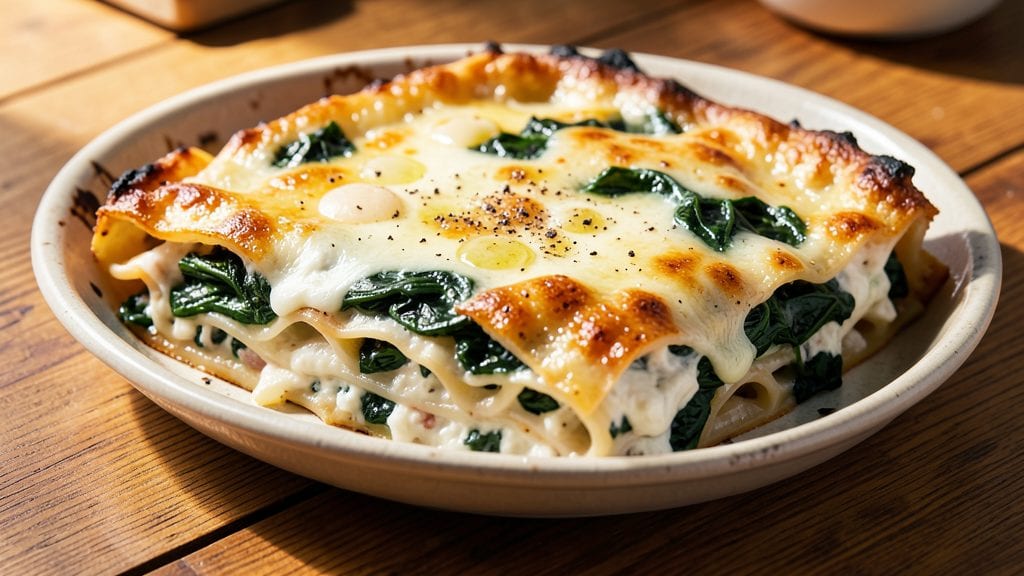
This cottage cheese spinach lasagna transforms traditional lasagna into a lighter, equally satisfying dish with creamy depth that rivals ricotta. 💫 I developed it after realizing cottage cheese could bring the same velvety texture without the heaviness—perfect for those who love lasagna but want a lighter option.
The secret lies in blending cottage cheese with spinach, creating layers that stay moist yet hold their shape beautifully.
What makes this recipe stand out is how it balances creaminess with freshness—the spinach adds vibrant color and nutrients, while the cottage cheese creates that signature lasagna richness.
Unlike traditional ricotta lasagna, this version bakes up with a lighter texture but never sacrifices flavor. The layers remain distinct, and the dish stays tender even after reheating.
By the time it emerges from the oven, you’ll have a lasagna with golden top layers, creamy cottage cheese-spinach filling, and a subtle tang that keeps it from feeling too heavy. Each forkful delivers that familiar comfort with a lighter touch, making it ideal for weeknight dinners or meal prep.
Pair it with garlic bread and a simple arugula salad for a complete meal.
This recipe has become a staple in my Portland kitchen—it’s the kind of dish that feels indulgent yet leaves me satisfied without the guilt. The beauty of cottage cheese is how it holds up in baking while keeping the texture light and airy.
Let’s bring this lighter lasagna to your table!
Ingredients for cottage cheese spinach lasagna
Six layers of creamy cottage cheese-spinach goodness. No heavy ricotta here—just light, airy perfection.
| Ingredient | Amount | Notes |
|---|---|---|
| Lasagna Noodles 🍝 | 12 pieces | No-boil or pre-cooked preferred |
| Low-Fat Cottage Cheese 🧀 | 3 cups | Full-fat for extra creaminess |
| Fresh Spinach 🌿 | 10 oz | Chopped, stems removed |
| Large Eggs 🥚 | 2 whole | Room temperature for blending |
| Part-Skim Ricotta Cheese 🧀 | 1 cup | For extra creaminess |
| Garlic Cloves 🧄 | 4 cloves | Minced for depth |
| Extra-Virgin Olive Oil 🫒 | ¼ cup | For richness and moisture |
| Low-Sodium Chicken Broth 💧 | 1 ½ cups | Vegetable broth works too |
| Grated Parmesan Cheese 🧀 | 1 ½ cups | Freshly grated preferred |
| Marinara Sauce 🍅 | 2 ½ cups | High-quality jarred or homemade |
| Fresh Basil Leaves 🌿 | ¼ cup | Chopped for garnish |
| Salt 🧂 | 1 ½ tsp | Adjust to taste |
| Black Pepper 🌶️ | ½ tsp | Freshly ground preferred |
| Nutmeg 🌶️ | ¼ tsp | Freshly grated for warmth |
| Mozzarella Cheese 🧀 | 2 cups | Shredded, part-skim |
The cottage cheese is the star—full-fat if you can find it, because it makes the filling truly velvety. Trader Joe's or Whole Foods usually carry the best quality. I grab the 2% or whole-fat version for that restaurant-style creaminess. The spinach? Baby spinach works too, but fresh chopped has more vibrant color. For the lasagna noodles, no-boil is a game-changer—saves 15 minutes of boiling and keeps the layers from getting soggy. If you can't find no-boil, quick-boil for 2 minutes max.
No ricotta? Add an extra cup of cottage cheese—it'll still work. Short on spinach? Wilted and drained zucchini or butternut squash adds moisture without overpowering. The garlic can be roasted for a sweeter flavor (just toss cloves in olive oil and roast at 400°F for 10 minutes). For the marinara, Rao's or Muir Glen are my go-tos—skip the sugary ones. Want more depth? Add a pinch of red pepper flakes or a splash of balsamic vinegar to the sauce. The mozzarella should be shredded fresh—pre-shredded gets clumpy.
This lasagna reheats beautifully—cover with foil for 10 minutes at 350°F to melt the cheeses. Keeps 4-5 days in the fridge, freezes for 3 months. I always make a double batch—leftovers for lunches, extra for guests. Store the assembled lasagna (unbaked) in the fridge for up to 24 hours before baking. The filling stays fresh longer that way.
Why You'll Love This Recipe
- No-Fuss Assembly: I swear, this lasagna comes together faster than takeout. Just layer noodles, spinach, and that creamy cottage cheese-ricotta mix—no fancy sauce juggling. The eggs bind everything so well, it holds together like a dream even if I rush.
- Hidden Creaminess Wins: Between us, the cottage cheese makes this ridiculously rich without feeling heavy. That spinach adds a fresh pop, and the ricotta keeps it luscious—like a lighter, brighter take on classic lasagna. My picky eaters actually ask for seconds.
- Weeknight Workhorse: This is my go-to when I’m swamped or feeding a crowd. It reheats beautifully for lunches, and the cottage cheese keeps it budget-friendly. Honestly, I’ve made it for date nights, family dinners, and even potlucks—no one bats an eye at the ingredients.
- Leftovers That Don’t Suck: Most lasagnas dry out by day two, but this one? Still moist, still delicious. I’ll pack it for work or freeze half—no sad, rubbery slices here. The eggs and cottage cheese actually improve overnight, if you can believe it.
Step-by-step instructions for cottage cheese spinach lasagna
Here's how to build layers that stay creamy yet light—no soggy noodles in sight.
👨🍳 Step 1: Make the Creamy Spinach Filling
In a large bowl, combine the 3 cups low-fat cottage cheese, 1 cup part-skim ricotta cheese, 2 whole large eggs, 1.5 teaspoons salt, 0.5 teaspoon black pepper, and 0.25 teaspoon nutmeg. Mix until smooth—this is your base. The cottage cheese gives that signature creamy texture without heaviness.
In a separate skillet, heat 0.25 cup extra-virgin olive oil over medium heat. Add the 4 cloves minced garlic and sauté for 30 seconds until fragrant. Toss in the 10 oz chopped fresh spinach and cook just until wilted (2-3 minutes). Let cool slightly, then fold into the cheese mixture. Here's the thing—don't overcook the spinach, or you'll end up with a mushy filling.
🥘 Step 2: Assemble the Layers Like a Pro
Preheat your oven to 375°F. Spread 1 cup marinara sauce on the bottom of a 9x13-inch baking dish. This prevents sticking and adds flavor to every bite. Arrange 4 lasagna noodles (no-boil preferred) evenly over the sauce, slightly overlapping if needed.
Spread half of the creamy spinach mixture over the noodles, then sprinkle 1/3 of the 2 cups mozzarella cheese and 1/3 of the 1.5 cups grated parmesan cheese. Repeat with another layer of noodles, remaining spinach filling, and another 1/3 of mozzarella and parmesan. Top with a final layer of noodles, remaining sauce, and the last 1/3 of mozzarella and parmesan. The key is even distribution—this ensures every forkful has that creamy goodness.
🔥 Step 3: Bake Until Bubbly and Golden
Cover the baking dish tightly with aluminum foil and bake for 30 minutes. This initial covered bake ensures the noodles soften without drying out. After 30 minutes, remove the foil and bake uncovered for another 15-20 minutes until the top is golden brown and bubbly. You'll know it's ready when the edges look crispy and the cheese has melted into a glossy layer.
Here's where patience pays off: Let the lasagna rest for 10 minutes before slicing. This resting time allows the layers to set and prevents a runny mess. The creamy filling will have thickened just enough to stay put when you cut into it—no more worrying about gooey slides.
⏰ Step 4: Finish and Serve with Fresh Herbs
While the lasagna rests, heat 1.5 cups low-sodium chicken broth in a small saucepan until warm. Stir in 0.25 cup chopped fresh basil leaves and let steep for 2 minutes. This infused broth adds brightness to each bite.
Drizzle the basil broth over the lasagna before serving. Garnish with extra grated parmesan cheese and chopped fresh basil leaves for a pop of color and freshness. The creamy spinach filling should be rich but not heavy, with tender noodles that hold their shape. Serve immediately with a crisp green salad to balance the richness.
Pro Tips For Making Cottage Cheese Spinach Lasagna
- Pre-Cook Noodles Separately: I learned this the hard way—stacking raw lasagna noodles in the oven makes a soggy mess. Boil them al dente (1 minute less than package says), drain, and toss with olive oil to prevent sticking. They’ll hold shape better when assembling, and your lasagna won’t turn into a gluey disaster.
- Blend Cottage Cheese Smooth: Low-fat cottage cheese has lumps, and they’ll show up in your lasagna like little white rocks. Pulse it in a food processor with the ricotta and eggs until fully smooth—no graininess, just silky texture. Trust me, your layers will thank you.
- Salt the Spinach: Fresh spinach wilts fast, but it also releases bitter water if unsalted. Toss it with a pinch of salt and let it sit for 5 minutes before draining—this removes excess moisture and softens the leaves for even cooking.
- Layer Eggs First: The ricotta-cottage cheese mix is thick, and if you dump it straight onto noodles, it’ll slide right off when you add the next layer. Spread a thin layer of beaten egg first—it acts like glue, keeping everything stuck together while baking. (Yes, even if it sounds weird.)
Troubleshooting your cottage cheese spinach lasagna
No-Boil Noodle Nightmare
If your no-boil noodles still feel firm after baking, you likely didn't preheat your oven long enough. I've found that 375°F needs 15 minutes of preheating to ensure proper softening.
For extra insurance, spread 1/4 cup marinara sauce on the bottom of your dish before adding noodles—this adds moisture that helps them cook through. If using regular lasagna noodles, boil them for 2 minutes less than package instructions to prevent overcooking during baking. 🍝
Filling Too Watery
The cottage cheese-spinach mixture can separate if the spinach isn't fully drained. After wilting, transfer spinach to a clean kitchen towel, wrap it tightly, and press out excess moisture. I swear by this trick—it makes a huge difference in texture.
Also, don't skip the egg in your filling. The 2 eggs bind everything together beautifully. If your filling still looks too loose, stir in 1 tablespoon cornstarch or 1/4 cup grated Parmesan to thicken it before assembling.
Cheese Not Melting
Pre-shredded mozzarella contains anti-caking agents that prevent proper melting. Always use freshly grated cheese—I prefer Whole Foods 365 brand for its reliable quality. For extra insurance, sprinkle cheese in thin layers rather than dumping it all at once. This allows the heat to penetrate evenly.
If your oven runs hot, reduce temperature to 350°F and bake for 5-10 minutes longer. A sprinkle of 1/4 tsp baking powder in your cheese mixture can also help it melt more smoothly.
Soggy Middle Layers
This usually happens when too much liquid seeps through from the sauce or filling. To prevent it, spread sauce only on the bottom layer and between noodle layers—not on top of the final cheese layer.
For extra protection, place a sheet of parchment paper between the top cheese layer and the final sauce application. If your lasagna still feels damp, bake it uncovered for 5-10 extra minutes to evaporate excess moisture. The middle should be tender but not wet when you cut into it.
Spinach Losing Color
Overcooking spinach turns it from vibrant green to sad brown. Sauté it for exactly 2-3 minutes until just wilted—no longer. For maximum color retention, add a splash of lemon juice or white vinegar when folding spinach into the cheese mixture.
I also recommend using baby spinach if fresh chopped isn't available—it wilts faster and maintains better color. The bright green color actually enhances the visual appeal of your lasagna.
Resting Time Too Short
Skipping the 10-minute rest leads to messy slices and runny cheese. This is especially important with cottage cheese—it needs time to firm up after baking. If you're in a hurry, cover the lasagna with foil and let it rest on the counter while you prepare sides.
The filling will thicken as it cools, giving you that perfect lasagna texture. For reheating, always cover with foil and warm at 350°F for 10 minutes to maintain moisture.
Nutrition facts
Frequently asked questions
Can I make this lasagna ahead of time?
Assemble the lasagna up to 24 hours ahead and refrigerate uncovered. Bake when ready—this actually enhances flavor as ingredients meld. For freezing, assemble but don't bake. Cover tightly with foil and plastic wrap, then freeze for up to 3 months. Thaw overnight in the fridge before baking (add 10-15 minutes to baking time).
How do I keep the cottage cheese filling from getting watery?
Drain spinach thoroughly after wilting—wrap in a towel and press out moisture. The 2 eggs in the filling act as binders, but if it still looks loose, stir in 1 tablespoon cornstarch or 1/4 cup grated Parmesan before assembling. Also, don't skip the initial covered baking time—this helps thicken the filling properly.
What's the best way to reheat leftovers?
Cover with foil and warm at 350°F for 10-15 minutes until heated through. For microwave reheating, cover with a damp paper towel and heat in 30-second intervals on medium power. The cottage cheese filling can dry out quickly, so keep it covered until serving. Add a splash of broth or water if it seems too dry.
Can I use this recipe with gluten-free noodles?
Yes! Gluten-free lasagna noodles work well, but they need extra moisture. Spread an additional 1/4 cup marinara sauce between layers and consider adding 1/4 cup ricotta cheese to the filling for better binding. Bake with foil for the full 45 minutes to prevent drying. Test one noodle first—some brands require longer baking.
Why does my cottage cheese filling taste bland?
The cottage cheese itself is mild, so flavor comes from the spinach, garlic, and seasonings. Boost taste by using freshly grated Parmesan, adding 1/2 teaspoon red pepper flakes to the sauce, or infusing the broth with 1 sprig rosemary while heating. A squeeze of lemon juice in the filling brightens the overall flavor too.