
Tips
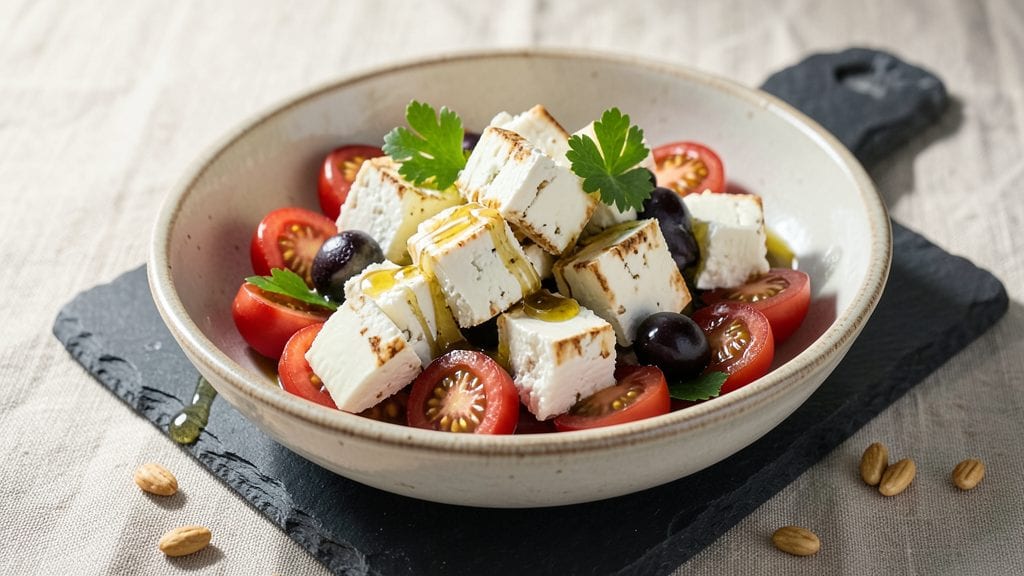
Feta cheese taste delivers a bold, salty punch with sharp tanginess and a briny finish, often described as creamy yet crumbly, balancing rich umami notes against its signature acidity from fermentation and brining.
My Nonna always swore by the magic of aged sheep’s milk—its natural fat content gives feta that irresistible creaminess, while the fermentation process transforms lactose into bright acidity.
The brining step in saltwater isn’t just for preservation; it’s what creates that addictive salty crunch that makes you crave another bite. 🔥 Whether you’re crumbling it over a fresh salad or baking it into golden spanakopita, the key is letting its bold flavors shine alongside complementary ingredients like honey or fresh herbs.
💡 In This Article
- What Gives Feta Its Signature Flavor?
- Best Dishes to Highlight Feta’s Flavor
What gives feta its signature flavor?
The foundation of feta's signature taste starts with its milk source—traditional Greek feta uses 100% sheep's milk (or a blend with goat's milk), which contains 5-7% more fat than cow's milk. This higher fat content creates its creamy mouthfeel while allowing the sharp lactic acid from fermentation to shine through.
The fermentation process itself is key: lactic acid bacteria convert lactose into 1-2% lactic acid, giving that signature tangy kick that cuts through richness.
Here's what's actually happening during brining: feta is submerged in 10-12% saltwater brine for at least 1-2 months, which serves dual purposes. First, the salt draws out moisture, concentrating flavors and creating that signature crumbly texture.
Second, it preserves the cheese while infusing it with electrolytes that enhance umami perception. The longer it ages, the more pronounced the briny notes become—think of how a well-aged cheese develops deeper complexity, similar to how wine improves with time.
Regional variations make a big difference in taste. Authentic Greek feta must be made from raw sheep's milk (or sheep/goat blend) and aged in brine for at least 3 months under EU regulations.
This results in a more acidic, sharper profile compared to domestic versions, which often use pasteurized milk and shorter aging (6-8 weeks). The Greek version also develops a distinctive white mold on the surface from natural fermentation, adding another layer of complexity.
Temperature plays a surprising role too. When served at room temperature (68-72°F), feta's natural oils soften, making it creamier and allowing its flavors to develop more fully.
Cold feta (below 50°F) becomes harder and more salty, while over-aging can lead to a bitter, ammonia-like note from protein breakdown. This is why Greek feta is typically sold in brine—it preserves the perfect balance of flavors right up until consumption.
The final flavor profile emerges from this perfect storm: lactic acid (tangy), salt (briny), fat (creamy), and umami compounds from fermentation. It's like a symphony where each element has its own part—just like how my Nonna's spicy tomato sauce balances sweetness, acidity, and heat.
The key is understanding how these components interact to create something greater than their individual parts.