
Beverages
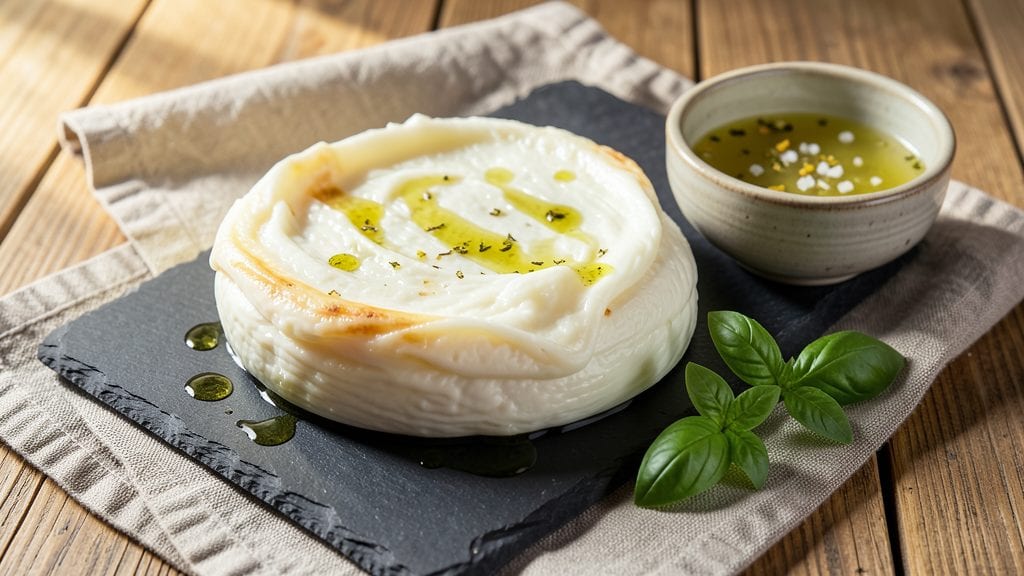
Making goat milk mozzarella cheese at home transforms simple ingredients into velvety, melt-in-your-mouth curds with just the right balance of tang and creaminess. The process requires precision—temperature control, gentle stretching, and patience—but the result is a cheese that rivals anything you'd find in specialty shops.
I've perfected this recipe after years of experimenting, and it's become a staple in my kitchen for everything from caprese salads to homemade pizzas.
The key to success lies in proper acidification and stretching techniques, which give mozzarella its signature texture. You'll start with fresh goat milk, heat it carefully, and add acid to form curds before stretching them in hot water until they become smooth and elastic.
This method ensures a clean, milky flavor with just enough tang to complement other ingredients. The process takes about 90 minutes from start to finish, but the hands-on time is minimal—ideal for a weekend project.
What makes this recipe special is its versatility. Use your fresh mozzarella in caprese salads, on burgers, or even as a topping for soups and pasta dishes. The cheese keeps well in brine for up to a week, allowing you to enjoy the fruits of your labor over time.
Whether you're a cheese-making novice or an experienced enthusiast, this recipe delivers professional-quality results with simple, accessible techniques.
Ready to create your own batch of creamy, stretchy mozzarella? Let's walk through the step-by-step process, including essential tips for troubleshooting common issues like overly acidic curds or sticky textures. You'll have restaurant-quality cheese in no time—without needing a commercial kitchen.
Ingredients for goat milk mozzarella cheese
Simple ingredients transform into velvety mozzarella with just goat milk and patience.
| Ingredient | Amount | Notes |
|---|---|---|
| Fresh Goat Milk 🥛 | 4 cups | Raw or pasteurized, room temperature |
| Vegetarian Rennet Tablets 🧀 | 2 pieces | Microbial or vegetable-based rennet |
| Lemon Juice 🍋 | ¼ cup | Freshly squeezed, room temperature |
| Diamond Crystal Kosher Salt 🧂 | 1 tsp | Fine grain preferred |
| Extra-Virgin Olive Oil 🫒 | 2 tbsp | For stretching curds |
| Distilled Water 💧 | 1 quart | For stretching bath |
| White Vinegar 🍶 | 1 tbsp | For acidification |
| Food Thermometer 🌡️ | 1 whole | Instant-read preferred |
| Brine Solution 💧 | 2 cups | 1 cup water + 1 tsp salt |
| Fresh Basil Leaves 🌿 | ¼ cup | Chopped, for garnish |
| Freshly Ground Black Pepper 🌶️ | ¼ tsp | For seasoning |
| Cheesecloth 🧵 | 1 piece | Muslin or cotton |
The goat milk is non-negotiable—raw or pasteurized from a trusted source like Whole Foods or local dairy farms works best. Avoid ultra-pasteurized milk; it curdles poorly. Freshness matters: milk should smell clean and sweet, not sour or off. I always buy mine in half-gallon jugs from the organic section, then let it sit at room temperature for 24 hours before using. The rennet tablets? Vegetarian rennet is a must—brands like Jungbunzlauer or New Zealand Vegetarian Rennet work perfectly. Store them in the freezer to preserve potency.
No lemon juice? White vinegar or citric acid works in a pinch, but taste differs slightly. The kosher salt should be Diamond Crystal—it dissolves cleanly. For the stretching bath, use distilled water if your tap water is hard. The olive oil is for lubricating curds—extra-virgin adds subtle flavor. Need a rennet substitute? 1/4 tsp liquid vegetarian rennet (like Vegeta) works too. Always check your curds' temperature—105°F is ideal for stretching. If they're too hot, cool them gently in an ice bath.
Fresh mozzarella keeps 5-7 days in brine, but use it within 3 days for peak texture. Store in an airtight container with extra brine covering the cheese. Freeze portions for up to 3 months—thaw in the fridge overnight. The brine solution should be 1 cup water to 1 tsp salt; adjust to taste. For leftovers, rinse and pat dry before using. The cheesecloth? Muslin or cotton works best—avoid paper towels; they tear easily.
Why You'll Love This Recipe
- No Special Tools Needed: I swear by this—just a pot, a thermometer, and a slotted spoon. No fancy cheese presses or strainers here; the lemon juice and rennet do all the heavy lifting while I sip my coffee.
- Tangy Creamy Magic: That bright citrus kick from the lemon juice? It cuts through the richness of the goat milk, giving you a cheese that’s ridiculously good—mild enough for kids but complex enough to impress guests.
- Cheese for Every Meal: Stretch it over pasta, melt it into grilled sandwiches, or cube it for charcuterie boards. Honestly, I’ve used it in everything from breakfast frittatas to late-night pizza, and it never lets me down.
- Leftovers? More Like Free Snacks: This recipe actually makes more than you’ll use at once. Between us, that’s a win—I freeze the extras in olive oil for quick toppings later, and they taste just as fresh as day one.
Step-by-step instructions for goat milk mozzarella cheese
Let's transform fresh goat milk into silky, stretchy mozzarella using precise temperature control and gentle technique.
Acidify and Heat the Milk for Coagulation
Pour the 4 cups fresh goat milk into a heavy-bottomed pot and place it over medium-low heat. Add the 0.25 cup lemon juice and stir gently to distribute evenly. The milk should warm to 90°F—this is critical for proper coagulation. I use a candy thermometer for accuracy, as goat milk behaves differently than cow's milk.
While heating, dissolve the 2 pieces vegetarian rennet tablets in 1 tablespoon cold distilled water in a small bowl. Once the milk reaches 90°F, remove the pot from heat and slowly whisk in the rennet solution. Stir just until fully incorporated, then cover the pot with a clean kitchen towel to maintain 90°F for 12-15 minutes. You'll notice the milk transform from liquid to a thick, jelly-like curd—this is your signal that coagulation is complete.
Cut and Cook the Curds
Once the curds have fully formed and separated from the whey, use a clean, sharp knife to cut the curds into ½-inch cubes. I like to dip the knife in hot water between cuts to prevent sticking. Return the pot to medium-low heat and gently stir the curds while gradually raising the temperature to 105°F over 30-40 minutes. This slow cooking process ensures the curds develop the proper texture for stretching.
During this time, you'll see the curds shrink slightly as they release more whey. The moment they reach 105°F, drain them immediately using the cheesecloth lined over a colander. Let the curds drain for 5 minutes, then transfer them to a clean bowl. This drained curd is your foundation for stretchy mozzarella—handle it gently to preserve its delicate structure.
Stretch the Curds with Olive Oil and Vinegar
In a separate bowl, combine 2 tablespoons extra-virgin olive oil and 1 tablespoon white vinegar. This mixture is key to achieving that signature stretch. Working quickly, add the drained curds to the oil-vinegar mixture and begin kneading with your hands. The curds will initially resist, but as they warm from your hands and the oil, they'll transform into a smooth, elastic dough.
Continue kneading for 3-5 minutes until the mixture becomes glossy and stretchy. You'll know it's ready when you can pull thin strands that snap back rather than break. If the mixture feels too dry, add a few drops of hot whey; if too sticky, add a pinch of diamond crystal kosher salt. This is where the magic happens—patience and gentle handling yield the perfect texture.
Shape and Brine the Mozzarella
Divide the stretched curds into 4 equal portions and shape each into a ball. For a classic presentation, I roll each ball between my palms to create a smooth surface. Immediately place the mozzarella balls into the 2 cups brine solution (prepared by dissolving 1 teaspoon salt in 1 cup distilled water). Let them brine for 1-2 hours in the refrigerator—this step enhances flavor and firmness.
After brining, remove the mozzarella and pat dry with clean paper towels. At this stage, you can serve it immediately or store it in an airtight container with a thin layer of brine for up to 5 days. For serving, I like to garnish with chopped fresh basil leaves and a sprinkle of freshly ground black pepper, which adds a bright, aromatic finish that complements the mild goat milk flavor.
Pro Tips For Making Goat Milk Mozzarella Cheese
- Heat Milk Slowly: Warm your goat milk to 90°F (32°C) max—no rushing. I used to blast it on high, but that turns the curds rubbery and kills the delicate texture. A double boiler or immersion circulator keeps it gentle and consistent.
- Acidify First: Add lemon juice before the rennet—wait 5 minutes. This stabilizes the milk’s pH, so the curds form tighter and drain cleaner. Skipping this step means gummy, stretchy messes (trust me, I’ve made them).
- Stretch in Hot Water: Work the curds in 180°F (82°C) water, not scalding. Too hot and they snap; too cool and they won’t stretch. My first batch turned into sad, lumpy blobs because I eyeballed it—now I use a thermometer.
- Salt the Water: Dissolve 1 tsp kosher salt per gallon of stretch water—it firms up the mozzarella faster. No need to salt the curds separately; this one step cuts prep time by half while keeping the flavor balanced.
Serving suggestions for this goat milk mozzarella cheese
Caprese Salad
This is my go-to way to showcase fresh mozzarella—simple yet elegant. Arrange thick slices of heirloom tomatoes and fresh basil leaves on a platter, then place your homemade mozzarella balls between them.
Drizzle with extra-virgin olive oil and a sprinkle of flaky sea salt. The goat milk mozzarella adds a subtle tang that balances the sweetness of the tomatoes perfectly. 🌿
Homemade Pizza Topping
Use your mozzarella as a pizza topping for a restaurant-quality result. Roll out your favorite dough, spread a thin layer of San Marzano tomato sauce, then place the mozzarella balls on top.
Add fresh arugula and a drizzle of balsamic glaze after baking. The goat milk cheese melts beautifully, creating a creamy, stretchy blanket over the toppings.
Burger Meltdown
Elevate your burgers by adding a slice of fresh mozzarella between the patty and cheese. The goat milk mozzarella melts faster and more evenly than store-bought varieties, creating a gooey, creamy center.
I like to add caramelized onions and crispy prosciutto for extra depth. Serve on a toasted brioche bun with a side of aioli for dipping.
Cheese Board Centerpiece
Create a stunning cheese board by pairing your mozzarella with complementary cheeses like aged pecorino and creamy goat cheese. Add cured meats, fig jam, and toasted walnuts for texture.
The goat milk mozzarella’s mild tang cuts through richer flavors, making it the perfect bridge between sweet and savory elements. 🧀
Pasta Pairing
Toss your fresh mozzarella into a warm bowl of linguine with a light lemon butter sauce. The cheese melts slightly, coating each strand with a creamy, tangy flavor. Add chopped sun-dried tomatoes and fresh parsley for a bright, Mediterranean-inspired dish that’s ready in 15 minutes.
Grilled Vegetable Topping
Slice your mozzarella and place it on top of grilled zucchini, eggplant, and bell peppers. The heat melts the cheese slightly, creating a rich, creamy sauce that clings to the vegetables.
Drizzle with pesto and sprinkle with crushed red pepper flakes for a flavor-packed side dish that’s perfect for summer dinners.
Nutrition facts
Frequently asked questions
Why does my goat milk mozzarella turn out rubbery instead of stretchy?
Overheating the curds or stretching them too early are the most common causes. The curds must reach exactly 105°F before stretching, and you should work quickly once they're in the oil-vinegar mixture. If they feel too firm, gently warm them in your hands or add a few drops of hot whey to relax the proteins.
Can I substitute cow's milk for goat milk in this recipe?
Technically yes, but the flavor and texture will differ significantly. Goat milk creates a more delicate, slightly tangy cheese with a cleaner finish. Cow's milk mozzarella tends to be richer and more buttery. If substituting, reduce lemon juice to 0.125 cup since goat milk is naturally more acidic.
How do I know when the curds are ready to stretch?
Ready curds should be smooth, glossy, and elastic when kneaded. You'll know they're perfect when you can pull thin strands that snap back rather than break. If they feel too dry, add a few drops of hot whey; if too sticky, sprinkle a pinch of salt. The stretching process should take 3-5 minutes total.
What can I do with leftover whey?
Don't waste it! Whey is packed with nutrients and can be used in smoothies, pancakes, or even as a marinade. For a quick recipe, blend 1 cup whey with 1 cup water, 2 tbsp honey, and 1 tsp vanilla extract for a refreshing drink. You can also use it to make ricotta or more cheese batches.
Can I make this mozzarella without rennet?
Yes, but the texture will be different. Acid-only mozzarella (using just lemon juice or vinegar) creates a softer, less elastic cheese. For best results, use 1/4 tsp liquid vegetarian rennet instead of tablets. The rennet helps create the signature stretch and melt that makes mozzarella special. Without it, your cheese will be more like fresh farmer's cheese.