
Appetizers
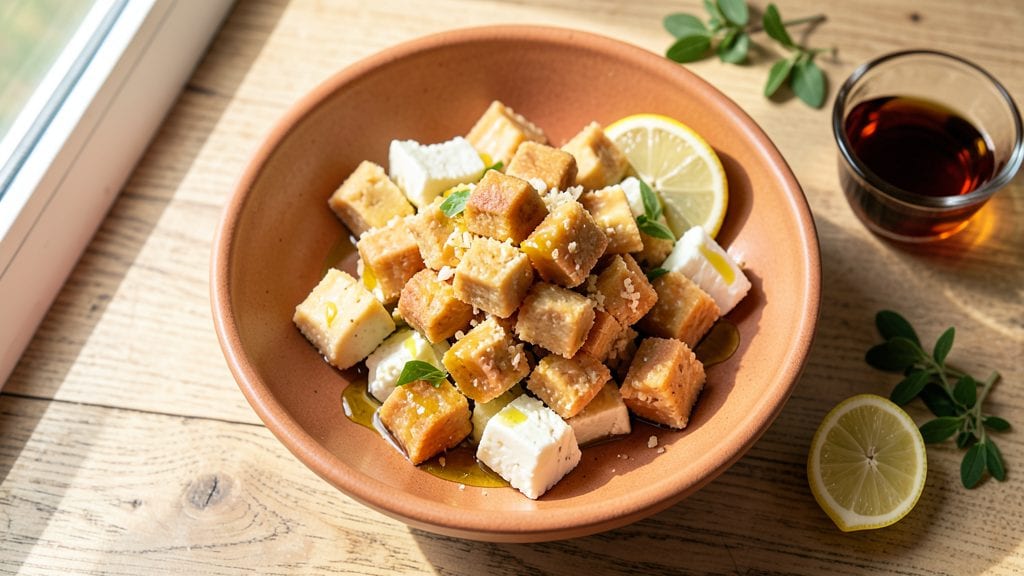
This Greek saganaki cheese recipe transforms ordinary appetizers into a dramatic, flaming centerpiece that commands attention at any table. The secret lies in using traditional Greek cheeses like kefalotyri or graviera, which develop a golden crust when fried and ignite beautifully with brandy.
I've perfected this technique over years of hosting dinner parties—it's always the dish guests remember most.
The process is simpler than it looks: cube the cheese, fry until golden, then carefully pour brandy over the hot pan to create that signature flame. The result is a rich, salty cheese with a crispy exterior and molten center, balanced by the bright tang of lemon and fresh oregano.
This isn't just an appetizer—it's an experience that elevates any meal from ordinary to extraordinary.
What makes this recipe truly special is its versatility. Serve it with warm pita bread for dipping, alongside grilled meats, or as a standalone showstopper. The flaming presentation adds drama, while the cheese itself delivers satisfying, salty richness that pairs perfectly with crisp vegetables or fresh salads.
Whether you're cooking for a crowd or treating yourself to a special night in, this dish delivers professional-quality results with minimal effort.
For those looking to modernize the classic, try adding a sprinkle of smoked paprika or chili flakes to the cheese before frying, or serve with a drizzle of honey instead of traditional lemon.
The possibilities are endless, but the core technique remains the same—crispy, flaming, and utterly unforgettable. Let's get cooking!
Ingredients for greek saganaki cheese
Four cheeses, one dramatic flaming dish. Greek tradition meets modern flair with these essential ingredients.
| Ingredient | Amount | Notes |
|---|---|---|
| Kefalotyri Cheese 🧀 | 1 ½ lb | Aged, crumbled for texture |
| Graviera Cheese 🧀 | 1 lb | Greek hard cheese alternative |
| Extra-Virgin Olive Oil 🫒 | ½ cup | Light for frying, not extra |
| Brandy 🍷 | ½ cup | High-proof for flaming effect |
| Fresh Lemon 🍋 | 1 whole | Juiced for brightness |
| Fresh Oregano 🌿 | ¼ cup | Chopped, not dried |
| Garlic Cloves 🧄 | 2 cloves | Minced for aroma |
| All-Purpose Flour 🌾 | ¼ cup | For dredging cheese cubes |
| Sea Salt 🧂 | 1 tsp | Fine grain preferred |
| Black Peppercorns 🌶️ | ½ tsp | Freshly cracked |
| Smoked Paprika 🌶️ | ½ tsp | Optional for modern twist |
| Honey 🍯 | 2 tbsp | For drizzling alternative |
| Pita Bread 🥖 | 4 whole | Warm for serving |
The cheese selection is non-negotiable for authentic saganaki. Kefalotyri delivers that signature salty punch, but graviera works beautifully as a substitute—just ensure it's aged for maximum crispiness. For the best quality, look for imported Greek cheeses at specialty markets like Mediterranean Grocer or Whole Foods. Freshly cracked peppercorns add depth, so avoid pre-ground. The brandy should be at least 40% ABV—cheap vodka won't create that signature flame. I always buy a small bottle of Krug brandy specifically for this dish, but any good-quality brandy will work. For the olive oil, Kalamata olive oil adds a subtle fruity note that pairs perfectly with the cheese.
No kefalotyri? Halloumi or feta can work in a pinch, though the texture won't be identical. Short on brandy? High-proof vodka or rum creates a similar flame, though the flavor won't be as refined. The smoked paprika and honey are optional but elevate the dish—think of them as modern twists on the classic. Fresh oregano is ideal, but dried oregano at half the amount works if you're in a hurry. For the lemon, Meyer lemons add a sweeter balance to the tang. The flour is crucial for creating that perfect crispy crust—don't skip it. If you're serving to a crowd, double the cheese and brandy quantities while keeping the ratios identical.
Cheese cubes crisp best when fried in small batches—overcrowding lowers the oil temperature. Keep the oil at 350°F for optimal browning. The brandy should be poured carefully over the hot pan, away from the flame source, for safety. This dish reheats beautifully—simply warm the cheese cubes in the oil again and repeat the flaming process. Store any leftover cheese in an airtight container in the fridge for up to 5 days. The pita bread stays fresh for 2 days if wrapped in a towel. For presentation, serve the saganaki on a large platter with the pita arranged around it—guests will be too impressed to notice if you made it ahead.
Why You'll Love This Recipe
- No Fuss, Big Payoff: I swear by this—just two cheeses, a splash of brandy, and lemon zest. That’s it. No chopping, no waiting, just melt and serve. Honestly, my lazy Sundays thank me every time.
- Brandy-Kissed Magic: That little shot of brandy? It’s what turns good cheese into ridiculously good cheese. The lemon brightens it up, and the olive oil ties it all together—creamy, tangy, and just a little boozy. My husband steals the last bite before I can.
- Party in a Bowl: This is my go-to for game day, book club, or when friends drop by unannounced. It’s fancy enough for guests but zero effort—just arrange slices on a board, drizzle with oil, and boom. Even my picky mom-in-law asks for seconds.
- Cheese That Lasts: A block of Kefalotyri and Graviera stays fresh for ages, and saganaki? It reheats like a dream. I make a big batch, store it in the fridge, and pull it out for snacks all week. Budget-friendly, crowd-pleasing, and no waste. Win.
Step-by-step instructions for Greek saganaki cheese
This dramatic dish transforms simple cheeses into a flaming spectacle with rich, caramelized flavors.
Prepare the Cheese Mixture
In a large bowl, combine the 1.5 lb kefalotyri cheese and 1 lb graviera cheese, breaking them into ½-inch cubes using your hands. The kefalotyri should have a firm texture while the graviera adds a slightly milder, creamy contrast. In a separate small bowl, whisk together the 0.5 cup extra-virgin olive oil, 0.25 cup all-purpose flour, 1 tsp sea salt, 0.5 tsp black peppercorns, 0.5 tsp smoked paprika, and 2 tbsp honey. Mix until smooth—this creates the binding paste that will coat the cheese cubes.
Transfer the cheese cubes to the flour mixture and toss gently until each piece is evenly coated. Let them sit for 5 minutes to absorb the seasoning. This step ensures your cheese will develop a golden crust when fried rather than absorbing excess oil. The honey in the mixture adds subtle sweetness that balances the tangy cheese flavors.
Form and Chill the Cheese Patties
Using your hands, shape the coated cheese mixture into 4 equal patties, each about ½-inch thick. Press firmly to create compact discs that will hold their shape during frying. Place them on a parchment-lined baking sheet and refrigerate for 30 minutes. Chilling firms up the cheese so it maintains its shape when you transfer it to the hot oil.
While the patties chill, prepare your serving station. Warm the 4 whole pita breads in a 350°F oven for 5 minutes—they should be pliable but not crispy. Zest the 1 whole fresh lemon and finely chop the 0.25 cup fresh oregano. Mince the 2 cloves garlic and set aside. These elements will complement the rich, caramelized cheese when served.
Fry the Cheese to Golden Perfection
Heat ½ inch of extra-virgin olive oil in a heavy skillet over medium heat until it reaches 350°F. Use a thermometer to monitor the temperature—this precision prevents burning while ensuring a crispy exterior. Carefully place one cheese patty in the oil and fry for 2-3 minutes per side until deeply golden brown. The cheese should release easily from the pan when ready.
Transfer the fried patty to a paper towel-lined plate to drain excess oil. Repeat with the remaining patties, maintaining the 350°F oil temperature between batches. If the oil temperature drops below 340°F, let it reheat before adding more cheese. This step creates the signature crispy crust that contrasts with the creamy interior.
Flambé with Brandy for Dramatic Flair
Remove the fried cheese patties from the oil and transfer them to a warm serving platter. Pour the 0.5 cup brandy into the same hot skillet, then immediately ignite it using a long match or lighter. Let the flames burn for 10-15 seconds before carefully pouring the flaming brandy over the cheese. The alcohol will burn off quickly, leaving behind a rich, caramelized aroma that enhances the cheese's natural flavors.
Squeeze the juice from the 1 whole fresh lemon over the flaming cheese and sprinkle with the chopped fresh oregano and minced garlic. The citrus cuts through the richness while the oregano and garlic add herbal depth. Serve immediately with the warm pita breads on the side for dipping or wrapping.
Pro Tips For Making Greek Saganaki Cheese
- Use Equal Cubes: DESCRIPTION: Cut both cheeses—Kefalotyri and Graviera—into exactly 1.5-inch cubes. I learned this the hard way: smaller pieces melt unevenly, while larger ones burn on the outside before softening inside. Stick to this size, and every bite will be perfectly gooey.
- Toast the Cheese First: DESCRIPTION: Dry the cheese cubes in a 200°F (95°C) oven for 5 minutes before frying. This step removes moisture so the cheese browns instead of steaming in the oil—no soggy bottoms here. (Yes, even if you’re impatient like me.)
- Skip the Crowded Pan: DESCRIPTION: Fry the cheese in one layer, no overlaps. I used to dump them all in at once, and half the batch ended up greasy and undercooked. Give each cube space—it’s the only way to get that golden crust on every side.
- Light the Brandy Right: DESCRIPTION: Pour the brandy after the cheese is golden, then immediately light it with a long match—not a flame. I’ve seen people use a lighter and get a whoosh of fire that singes the cheese. A match gives you control, and the flavor stays bright.
Troubleshooting this dish
Cheese Won't Hold Shape
If your cheese patties crumble when frying, the issue is likely under-chilling or insufficient flour coating. I’ve found that 30 minutes in the fridge is non-negotiable—skip this and expect messy results.
Also, ensure each cube is thoroughly coated in the flour mixture before shaping. For extra stability, press the patties firmly between parchment paper before chilling. 🧀
Oil Temperature Issues
Fluctuating oil temperatures cause greasy, uneven cooking. Invest in a candy thermometer—it’s a game-changer for maintaining 350°F. If the oil drops below 340°F, remove the cheese and let the pan reheat before continuing.
Overcrowding the pan is another culprit; fry in small batches (2-3 patties max) to keep the heat consistent. A 12-inch cast-iron skillet works best for even heat distribution.
Brandy Won't Flame
Low-proof alcohol won’t ignite properly. Always use at least 40% ABV brandy—cheap vodka or rum won’t cut it. Pour the brandy slowly over the hot pan (not the flame) and use a long match or lighter to ignite.
If it fizzles, the pan isn’t hot enough; let it reheat for 1-2 minutes before trying again. Safety first: Keep a fire extinguisher nearby and never leave the stove unattended. 🔥
Cheese Tastes Bland
Skip the smoked paprika or honey? Your cheese will lack depth. For extra flavor, add 1 tsp lemon zest to the flour mixture or ½ tsp ground coriander for a Middle Eastern twist.
Freshly cracked black pepper is non-negotiable—pre-ground loses potency. If the cheese still tastes flat, squeeze extra lemon juice over the finished dish or garnish with chopped parsley for brightness.
Flaming Fails Mid-Serve
If the brandy sputters out during presentation, the pan lost heat. Preheat the serving platter in a 200°F oven for 5 minutes to keep the cheese warm while you flame it.
For a foolproof method, pour the brandy into a small metal cup, ignite it, then quickly tip it over the cheese—this creates a controlled flame without risking spills. Practice this step once at home before serving guests!
Pita Bread Gets Soggy
Warm pita bread too long or stack it while hot, and it’ll turn mushy. Warm in 5-minute bursts at 350°F, then wrap individually in a clean kitchen towel to retain moisture.
Serve pita in a warm ovenproof dish (like a cast-iron skillet) so guests can reheat slices as needed. For extra crunch, brush warm pita with melted butter before serving.
Nutrition facts
Frequently asked questions
What's the best cheese substitute if I can't find kefalotyri?
For authentic flavor, use graviera as your primary cheese—it's the traditional backup. In a pinch, halloumi works for texture but lacks the salty depth. For a vegetarian option, try aged cheddar or pecorino romano, but expect a milder result. The key is a hard, aged cheese that holds shape when fried.
Can I make saganaki ahead of time?
Yes! Fry the cheese patties up to 2 days ahead and reheat in the oven at 375°F for 10 minutes before flaming. The brandy should be added fresh for the best effect, but you can reheat the cheese first. Store in an airtight container to maintain crispiness. The flaming part is best done tableside for maximum drama.
Is saganaki safe to serve to children?
Skip the brandy flaming for kids and serve the fried cheese with a drizzle of honey or lemon juice instead. The cheese itself is perfectly safe—just omit the alcohol step. For extra fun, let them dip warm pita bread into the melted cheese. Always supervise the flaming process when serving adults.
How do I make saganaki without a flaming presentation?
Simply fry the cheese as directed, then drizzle with lemon juice and olive oil instead of brandy. For extra flavor, add chopped herbs or a sprinkle of smoked paprika while the cheese is still hot. This version works perfectly as a vegetarian appetizer or side dish. The crispy texture remains the star!
What wine pairs best with saganaki?
A bold Greek Assyrtiko white wine or a medium-bodied red like Agiorgitiko complements the salty cheese beautifully. For a non-Greek option, try a dry Riesling or Pinot Noir. The acidity in white wines cuts through the richness, while reds stand up to the cheese's intensity. Serve chilled for whites and slightly cooler than room temperature for reds.