
Side Dishes
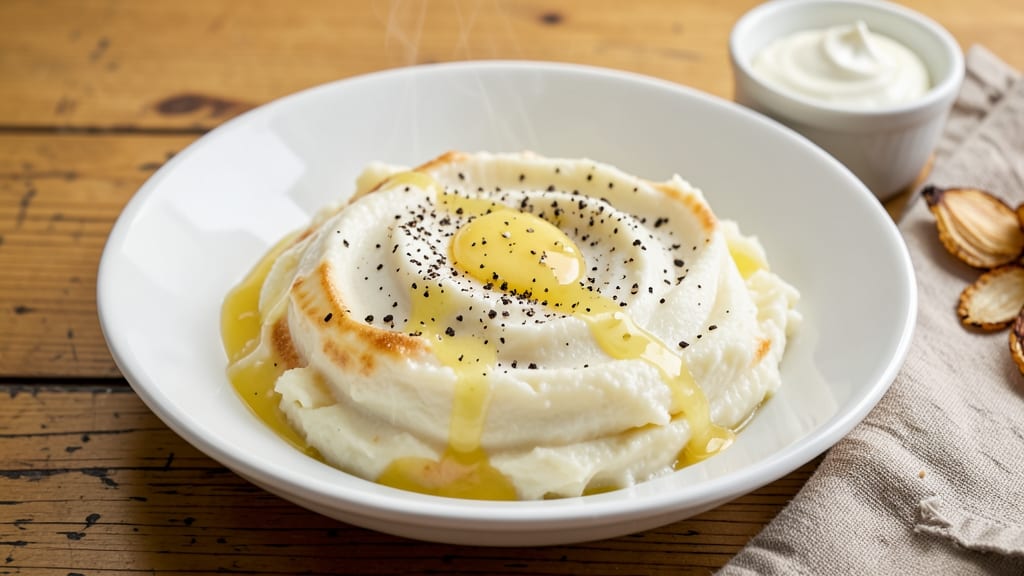
This mashed potatoes recipe with Philadelphia cream cheese transforms ordinary sides into velvety, ultra-rich comfort food that'll have everyone asking for seconds. The secret lies in blending creamy cream cheese directly into the warm potatoes for a texture that's impossibly smooth yet still substantial.
I first perfected this during a Thanksgiving when store-bought mashed potatoes just wouldn't cut it—this version became an instant family favorite.
The beauty of this recipe is its simplicity combined with professional results. You'll need just five key ingredients and about 45 minutes of hands-on time, including boiling and mashing.
The cream cheese adds a luxurious richness that traditional butter-and-milk mashed potatoes simply can't match, while still maintaining that classic creamy consistency. Even picky eaters can't resist these velvety spuds.
What makes these mashed potatoes truly special is the velvety texture that comes from proper technique—boiling the potatoes until tender but not mushy, mashing thoroughly, then folding in the cream cheese while still hot.
The result is a side dish that's so rich and satisfying it could easily be the main event. Each bite delivers that perfect balance of creaminess and potato flavor.
These mashed potatoes pair beautifully with roasted meats, holiday dinners, or even as a comforting weeknight side. The recipe scales perfectly for crowds, and leftovers reheat smoothly. Here's everything you need to create this restaurant-quality side dish at home.
Ingredients for mashed potatoes recipe with philadelphia cream cheese
Five ingredients transform ordinary potatoes into ultra-smooth, velvety mashed potatoes with restaurant-quality richness.
| Ingredient | Amount | Notes |
|---|---|---|
| Russet Potatoes 🥔 | 2 ½ lb | Yukon Gold works too, peeled and cubed |
| Philadelphia Cream Cheese 🧈 | 8 oz | Full-fat for optimal creaminess |
| Unsalted Butter 🧈 | ½ cup | Cold, cut into small pieces |
| Whole Milk 🥛 | ½ cup | Room temperature preferred |
| Salt 🧂 | 1 ½ tsp | Adjust to taste, kosher preferred |
| Black Pepper 🌶️ | ½ tsp | Freshly ground for best flavor |
| Heavy Cream 🥛 | ¼ cup | Optional for extra richness |
The potatoes are the foundation, so Russet is ideal—their high starch content gives that classic fluffy texture. Yukon Gold works too, but they're pricier and yield less. Avoid red potatoes; they're too waxy. Buy them a day ahead if possible—they'll stay fresher longer. For the cream cheese, Philadelphia brand is non-negotiable here; it melts perfectly without curdling. Grab the full-fat version (the good stuff, not the light kind). The butter should be cold when you add it—this prevents the potatoes from turning greasy.
No Philadelphia cream cheese? Cream cheese from a trusted brand like Kraft works in a pinch, but it won't be quite as smooth. Short on butter? Substitute with an equal amount of cream cheese, but reduce the milk slightly since cream cheese has moisture. The heavy cream is optional but adds that extra-luxurious feel—skip it if you're watching calories. For salt, kosher or sea salt dissolves better than table salt. If you're using pre-peeled potatoes, rinse them well to remove excess starch. The milk can be warmed slightly if you're worried about clumping, but room temperature works fine too.
Potatoes keep best in a cool, dark place for up to 2 weeks. Once peeled, store them in cold water in the fridge for 24 hours to prevent browning. The cream cheese and butter should be refrigerated and used within 1 month of opening. For leftovers, reheat gently in the microwave with a splash of milk to restore creaminess. These mashed potatoes freeze beautifully—portion into containers and freeze for up to 3 months. Thaw overnight in the fridge before reheating.
Why You'll Love This Recipe
- Five-Ingredient Magic: I swear by this list—just potatoes, cream cheese, butter, milk, and salt. No fancy gadgets, no peeling stress (peel if you want, but I don’t), and no waiting for hours. The cream cheese melts right into the warm potatoes while I’m still chopping, so it’s basically hands-off after the boiling.
- Rich Without Effort: That first forkful? Creamy, tangy, and buttery without a single drop of sour cream in sight. The Philadelphia cream cheese adds this velvety depth that regular mashed potatoes can’t touch—it’s like a hug for your taste buds, and honestly, it’s the kind of comfort food that makes me pause mid-bite.
- Weeknight Superstar: This is my go-to when I’m feeding a crowd or just need something fast. Double the batch, reheat portions in the microwave, or serve it cold in sandwiches the next day. I’ve even used it as a base for loaded baked potatoes—just smash it in, top with bacon, and call it dinner. Works every time.
- Budget-Friendly Luxury: Russets are cheap, butter is a pantry staple, and cream cheese stretches farther than you’d think. A single block feeds four people, and the leftovers? Even better the second day because the flavors meld together. It’s the kind of dish that feels indulgent but won’t break the bank—or your willpower.
Step-by-step instructions for mashed potatoes with Philadelphia cream cheese
Here's how to achieve restaurant-quality mashed potatoes with ultra-smooth texture and velvety richness.
Boil Potatoes Until Fork-Tender
Fill a large pot with 4 quarts of cold water and add 1.5 teaspoons of salt. Place the 2.5 lb russet potatoes (peeled and cubed) in the pot and bring to a rolling boil over high heat. Once boiling, reduce heat to medium-high and cook for 15-20 minutes until a fork slides in easily with minimal resistance.
I use a timer to avoid overcooking, but watch for the potatoes to float to the surface—that's your first visual cue. Drain the potatoes immediately in a colander and let them steam-dry for 1 minute to remove excess moisture. This step prevents watery mashed potatoes and ensures a smooth, creamy texture.
Mash Potatoes with Butter and Milk
Return the drained potatoes to the pot and let them sit off heat for 2 minutes to redistribute any remaining steam. Add the 0.5 cup cold unsalted butter (cut into small pieces) and 0.5 cup whole milk to the pot. Using a potato masher or ricer, mash the potatoes until smooth with a few small lumps remaining.
Don't overwork the potatoes at this stage—you're aiming for a slightly rustic texture that will blend perfectly with the cream cheese later. The butter should melt completely, and the milk will help create a silky base. If the mixture looks too dry, add 1 tablespoon of milk at a time until it reaches a spreadable consistency.
Incorporate Cream Cheese for Richness
Reduce the heat to low and add the 8 oz Philadelphia cream cheese to the mashed potatoes. Using a hand mixer or wooden spoon, beat the mixture for 1-2 minutes until the cream cheese is fully melted and incorporated. You'll notice the texture become luxuriously smooth and velvety.
This is where the magic happens—the cream cheese adds a luxurious creaminess that elevates ordinary mashed potatoes to gourmet level. If the mixture is too thick, add 1 tablespoon of milk at a time until it reaches your desired consistency. The final texture should be smooth enough to pipe but still hold its shape slightly when spooned.
Finish with Heavy Cream and Seasoning
Add the 0.25 cup heavy cream and 0.5 teaspoon black pepper to the mashed potatoes. Mix thoroughly until fully combined and the pepper is evenly distributed. Taste and adjust seasoning with additional salt if needed—this is your opportunity to fine-tune the flavor.
The heavy cream adds an extra layer of richness and helps create that signature velvety texture. For best results, serve immediately while still warm. The potatoes should be smooth, creamy, and luxurious with a perfect balance of buttery richness and subtle peppery heat. If you prefer a smoother texture, you can press the mashed potatoes through a fine-mesh sieve before serving.
Pro Tips For Making Mashed Potatoes Recipe With Philadelphia Cream Cheese
- Boil Until Fork-Tender: Russets need to be actually done—no one likes gummy mash. Pierce a potato with a fork after 15 minutes of boiling; if it slides in like butter, keep going. I used to pull them too soon, thinking "close enough" would work, but cream cheese can’t fix undercooked starch. Aim for 20-25 minutes total.
- Cut Potatoes Evenly: Chunky potatoes take longer to cook, and uneven sizes mean some parts turn to mush while others stay hard. Split them into 1.5-inch cubes—no bigger, no smaller. I learned this the hard way after serving a side where half the batch was al dente and the other half was glue.
- Warm the Milk First: Cold milk in hot potatoes = clumpy, grainy mash. Heat the milk to just under boiling (about 160°F) before mixing—it blends smoother and melts the cream cheese faster. Skip this, and you’ll end up mashing like a gloppy, sad paste. (Yes, I’ve done it.)
- Add Cream Cheese Gradually: Dump all the cream cheese at once? You’ll get lumps. Mix in 2 oz at a time while stirring vigorously, then let the heat work for 30 seconds before adding more. I was skeptical until I tried it—now I won’t go back to the clumpy mess I used to make.
Essential equipment for this dish
Potato Prep Tools
Start with a sharp chef's knife and peeler—I use my Victorinox Fibrox peeler because it glides through potato skins without slipping. Cut potatoes into 1.5-inch cubes for even cooking. A mandoline saves time if you're prepping for a crowd, but be careful with those fingers!
I keep a cutting board with a non-slip mat underneath to prevent accidents when chopping. 🥔
Boiling Essentials
A large stainless steel pot with a tight-fitting lid is non-negotiable for even boiling. I prefer All-Clad stainless steel—it heats quickly and distributes heat evenly. A pot holder is essential since you'll be handling hot pots.
For testing doneness, keep a fork nearby to check tenderness. Pro tip: Use a pot with a capacity of at least 8 quarts to accommodate the potatoes and water comfortably.
Mashing Must-Haves
For the best texture, I recommend a potato ricer or hand masher—they create fewer lumps than forks. My OXO Good Grips ricer is my go-to because it's easy to clean and gives ultra-smooth results.
If you prefer a masher, look for one with silicon or wooden handles for better grip. A wooden spoon works too, but it requires more elbow grease. For blending in cream cheese, a hand mixer or immersion blender makes the job effortless.
Heat Control Tools
Precise temperature control is key when incorporating cream cheese. A kitchen thermometer helps monitor the heat level—aim for low heat when adding the cream cheese to prevent curdling. I keep a heat-resistant spatula handy to stir gently.
For serving, transfer the mashed potatoes to a heatproof bowl or ramekin to keep them warm. A double boiler works well if you need to reheat leftovers gently.
Serving Presentation
For restaurant-worthy presentation, use a piping bag with a star tip to create elegant swirls on the plate. A fine-mesh sieve helps achieve ultra-smooth texture if you prefer no lumps. Garnish with black pepper using a pepper grinder for fresh flavor.
For extra flair, add a sprinkle of chives or crumbled bacon using a small spoon or tweezers. Serve on a warm plate to maintain temperature and texture.
Nutrition facts
Frequently asked questions
Why does Philadelphia cream cheese make mashed potatoes so much creamier?
The cream cheese contains 20% fat and 10% milkfat, which blends seamlessly into warm potatoes to create an ultra-smooth, velvety texture. Unlike butter, it melts gently without breaking down, while its mild tang enhances the potatoes' natural sweetness. This is why Nana Mae always kept a tub in her diner—it was her secret weapon for special occasions!
Can I make these mashed potatoes ahead of time?
Prepare them up to 2 days ahead and store in an airtight container in the fridge. Reheat in 30-second intervals in the microwave with 1 tablespoon of milk between each interval to restore creaminess. For best results, serve warm but not piping hot—this maintains that perfect silky texture.
What if my mashed potatoes turn out too thick or too thin?
For thick potatoes, stir in 1 tablespoon of warm milk at a time until smooth. If too thin, let them sit uncovered for 5 minutes to evaporate excess moisture, then mash again. The key is balancing the butter-to-milk ratio—start with 1:1 and adjust as needed. If using Yukon Golds, they'll need slightly less milk due to their natural creaminess.
Can I substitute cream cheese for something else?
For a similar texture, try 4 oz sour cream + 4 oz butter (but expect slightly less richness). Or swap for 1/2 cup Greek yogurt + 1/2 cup butter for a tangier flavor. However, nothing beats Philadelphia cream cheese—its 10% milkfat content is ideal for achieving that signature velvety mouthfeel. If you're dairy-free, coconut cream works but alters the flavor profile completely.
How do I make these mashed potatoes extra fluffy?
Start with cold water for boiling (not hot) and add 1/2 teaspoon baking soda to the water to break down starches. Drain well and let potatoes steam-dry for 2 full minutes before mashing. The cream cheese should be room temperature when added to prevent lumps. For maximum fluffiness, press the final mixture through a fine-mesh sieve before serving.