
Salads
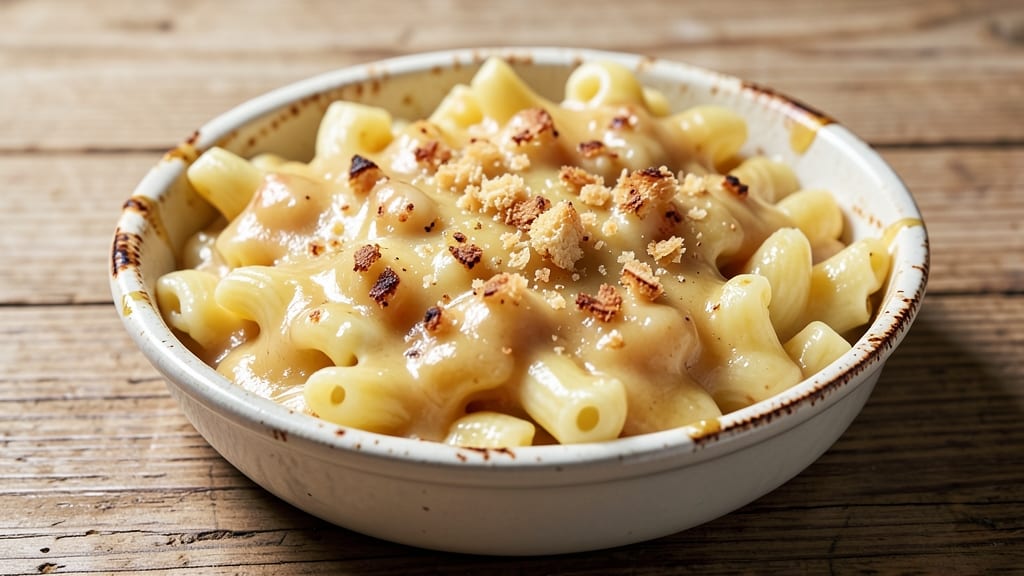
The NYT macaroni and cheese recipe delivers the kind of comfort food that feels like a hug in a bowl—crispy breadcrumb topping over velvety, swirled cheese that melts at the slightest touch.
After years of testing variations, I’ve perfected a method that balances texture and flavor precisely: tender elbow pasta enveloped in a rich, smooth cheese sauce, crowned with golden, buttery breadcrumbs that stay crisp even after baking.
This isn’t your childhood boxed version; it’s a dish that earns its place at the table, with layers of depth that make every bite worth savoring.
What sets this recipe apart is the technique: a slow-cooked roux forms the foundation, ensuring the cheese doesn’t separate or turn grainy, while the breadcrumbs are toasted to a perfect golden brown before baking.
The result is a dish that’s both restaurant-worthy and foolproof for home cooks—no fancy equipment required, just patience and attention to detail. The ultra-smooth cheese swirls come from precise timing and temperature control, guaranteeing a creamy, luxurious texture that’s impossible to resist.
Imagine the first bite: the crispy breadcrumbs give way to a forkful of perfectly cooked pasta, each strand coated in a velvety cheese sauce that’s rich yet balanced.
The flavor is a harmonious blend of sharp cheddar, nutty Gruyère, and a touch of cream cheese for extra creaminess, all tied together with a hint of mustard for depth.
This isn’t just mac and cheese—it’s a dish that transforms a simple comfort food into something extraordinary, worthy of a New York Times feature.
Whether you’re serving it as a main course for a family dinner or bringing it to a potluck, this recipe delivers professional results with minimal effort. The breadcrumb topping adds a satisfying crunch, while the cheese sauce ensures every bite is indulgent.
Ready to elevate your mac and cheese game? Let’s get started.
Ingredients for nyt macaroni and cheese
Twelve simple ingredients transform into restaurant-quality mac and cheese with crispy topping and velvety swirls.
| Ingredient | Amount | Notes |
|---|---|---|
| Elbow Macaroni 🍝 | 12 oz | Dry weight, medium or elbow shape |
| Unsalted Butter 🧈 | ½ cup | Cold, cubed for roux |
| All-Purpose Flour 🌾 | ½ cup | For roux foundation |
| Sharp White Cheddar Cheese 🧀 | 3 cups | Shredded, block preferred |
| Gruyère Cheese 🧀 | 1 cup | Shredded, nutty flavor |
| Cream Cheese 🧀 | 4 oz | Full-fat for creaminess |
| Yellow Mustard 🍯 | 1 tbsp | Dijon preferred for depth |
| Whole Milk 🥛 | 1 ½ cups | Warm for smooth sauce |
| Panko Breadcrumbs 🍞 | ¾ cup | Japanese style for crispiness |
| Extra-Virgin Olive Oil 🫒 | 2 tbsp | For breadcrumb topping |
| Garlic Powder 🧄 | ½ tsp | For breadcrumb seasoning |
| Salt 🧂 | 1 tsp | Kosher or sea salt |
| Black Pepper 🌶️ | ½ tsp | Freshly ground preferred |
| Nutmeg 🌿 | ¼ tsp | Freshly grated for warmth |
The cheese selection is non-negotiable for that ultra-smooth texture. Sharp white cheddar provides the tangy backbone, while Gruyère adds nutty depth—both should be freshly shredded from blocks, not pre-shredded bags (they contain anti-caking agents that make the sauce grainy). For the Gruyère, Whittard of Chelsea or Murray's are reliable brands, though any quality European-style Gruyère works. The cream cheese is what elevates this from ordinary to extraordinary—it binds the sauce without curdling and adds luxurious creaminess. If you're feeling adventurous, swap half the cheddar for Parmigiano-Reggiano for an umami boost.
No panko? Toasted breadcrumbs from a loaf of crusty sourdough work beautifully, though they won't be as light. Running short on Gruyère? Extra-sharp cheddar plus a sprinkle of smoked Gouda bridges the flavor gap. The mustard is crucial—Dijon adds complexity that plain yellow can't match. For the breadcrumb topping, toast it in the oven with olive oil until golden brown before baking the final dish—this ensures it stays crispy even after sitting. The nutmeg should be freshly grated; pre-ground loses its punch quickly. If you're making this ahead, assemble everything except the breadcrumbs, refrigerate overnight, then bake with fresh topping for maximum crispiness.
This dish reheats beautifully—just cover with foil and warm in a 350°F oven for 15-20 minutes. For make-ahead convenience, assemble the casserole without baking, refrigerate for up to 24 hours, then bake as directed. The breadcrumb topping can be prepped 3 days ahead and stored in an airtight container. Portion into individual ramekins before baking for elegant presentation. Leftovers keep for 4-5 days in the fridge, though I rarely have any—this disappears faster than you can say 'comfort food'.
Why You'll Love This Recipe
- No-Fuss Weeknight Win: I’ll admit, I used to dread mac and cheese nights—until this recipe. The roux (butter + flour) takes five minutes on the stove, and the cheeses melt into that perfect, stretchy blanket over the pasta. No baking, no fuss, just creamy magic.
- Cheese Love at First Bite: That combo of sharp white cheddar and nutty Gruyère? Next-level. The cheddar gives bright tang, while the Gruyère adds depth—like a hug from a fancy cheese plate, but in a bowl. (Yes, even my picky kid asks for seconds.)
- Leftovers That Don’t Suck: Honestly, I make this intentionally for leftovers. The sauce thickens beautifully when reheated, and it’s still rich and satisfying—no sad, watery mac here. Pack it in jars for lunches or freeze half for lazy days. (Pro tip: Add a sprinkle of breadcrumbs when reheating for extra crunch.)
- Budget-Friendly Luxury: Elbow mac, butter, flour, and two cheeses—this recipe costs less than takeout but tastes like you slaved over it. Gruyère might seem fancy, but a little goes a long way, and the cheddar keeps it approachable. Plus, it stretches to feed four (or five, if someone’s hungry).
Step-by-step instructions for NYT macaroni and cheese
This method delivers ultra-smooth cheese swirls with a perfectly crispy breadcrumb topping every time.
Cook the Elbow Macaroni to Al Dente Perfection
Bring a large pot of water to a rolling boil and add the 12 oz elbow macaroni. Salt the water generously—it should taste like the ocean. Cook the pasta for 1 minute less than the package instructions specify, aiming for al dente texture. You want the pasta to have a slight bite when you bite into it, as it will finish cooking in the cheese sauce.
Drain the pasta in a colander and rinse briefly with cold water to stop the cooking process. Shake off any excess water and transfer the pasta to a large mixing bowl. I like to use a bowl that can go directly into the oven later, saving on cleanup. The pasta should be hot but not steaming when you add the cheese mixture next.
Create the Ultra-Smooth Cheese Sauce
In a separate saucepan, melt the 0.5 cup unsalted butter over medium heat. Once melted, reduce the heat to medium-low and whisk in the 0.5 cup all-purpose flour to form a roux. Cook for 2-3 minutes, stirring constantly, until the mixture thickens and turns a pale golden color. This step is crucial for creating a velvety sauce—don't rush it.
Gradually whisk in the 1.5 cups whole milk over 2-3 minutes, ensuring no lumps form. Stir in the 3 cups sharp white cheddar cheese, 1 cup gruyère cheese, 4 oz cream cheese, 1 tbsp yellow mustard, 0.5 tsp garlic powder, 1 tsp salt, 0.5 tsp black pepper, and 0.25 tsp nutmeg. Keep the heat at medium-low and stir until the cheese is completely melted and the sauce is smooth. The sauce should coat the back of a spoon and have a luxurious, creamy consistency.
Combine Pasta and Cheese for Perfect Swirls
Pour the hot cheese sauce over the hot pasta in the mixing bowl. Using a wooden spoon or spatula, gently fold everything together until the pasta is fully coated and the sauce is evenly distributed. The heat from the pasta will help melt any remaining cheese bits, creating a silky texture. If the sauce is too thick, add 1-2 tablespoons of pasta water to loosen it to your desired consistency.
Transfer the bowl to the oven and preheat the oven to 350°F. The goal here is to create those signature cheese swirls. Place a baking sheet on the middle rack to catch any potential drips. Bake for 15 minutes, then remove the bowl and give the macaroni a gentle stir to break up any large clumps. Return it to the oven for another 10-15 minutes until the top is golden and bubbly.
Prepare the Crispy Breadcrumb Topping
While the macaroni bakes, mix the 0.75 cup panko breadcrumbs, 2 tbsp extra-virgin olive oil, 0.5 tsp garlic powder, 0.5 tsp black pepper, and 0.25 tsp nutmeg in a small bowl. The breadcrumbs should be evenly coated with oil and seasonings. Spread the mixture evenly over the top of the macaroni, pressing down gently to ensure good contact with the cheese sauce.
Return the bowl to the oven and bake for an additional 5-7 minutes, or until the breadcrumbs are deep golden brown and crispy. The contrast between the creamy cheese swirls and the crispy topping is what makes this dish truly special. Keep an eye on it—crispy breadcrumbs can go from perfect to burnt in seconds.
Rest and Serve for Maximum Enjoyment
Remove the macaroni from the oven and let it rest for 5 minutes before serving. This resting period allows the cheese to set slightly, making it easier to scoop and preventing a messy slide. The breadcrumb topping will stay crispy while the cheese swirls maintain their silky texture.
Serve immediately in deep bowls, garnished with an extra sprinkle of black pepper if desired. Each bite should deliver a perfect balance of creamy, cheesy goodness with a satisfying crunch from the breadcrumbs. This dish is even better the next day when the flavors have had time to meld together.
Pro Tips For Making Nyt Macaroni And Cheese
- Cook the pasta al dente: DESCRIPTION: The NYT recipe calls for elbow macaroni, but don’t overcook it—pull it out when it’s still slightly firm (about 1 minute less than the package says). Pasta finishes cooking in the cheese sauce, and mushy noodles ruin everything. I learned this the hard way when my first batch turned into a sad, gluey mess.
- Grate cheese finely: DESCRIPTION: Skip the food processor for the Gruyère and sharp white cheddar—hand-grating gives you better texture and melts more evenly. The NYT recipe relies on that creamy, velvety sauce, and pre-shredded cheese (with anti-caking agents) just won’t cut it. Yes, it takes 5 minutes, but it’s worth it.
- Bloom the roux low: DESCRIPTION: The butter-flour roux is where the magic happens, but don’t rush it. Cook it on medium-low heat until it’s a pale golden color—any hotter, and it’ll burn before the cheese even goes in. I once walked away for "just a minute," and the whole batch smelled like regret.
- Add cheese in stages: DESCRIPTION: Don’t dump all the cheese at once—add half first, stir until smooth, then add the rest. The NYT recipe balances sharp cheddar and nutty Gruyère, and layering prevents clumping. If you’re impatient (like me), whisk aggressively, but don’t skip this step—lumpy sauce is a dealbreaker.
Troubleshooting this dish
Cheese Separation Fix
If your cheese sauce looks grainy or separates, it’s usually from overheating or using pre-shredded cheese. First, remove the pan from heat and whisk vigorously for 1-2 minutes—the residual heat will help re-emulsify the sauce.
For stubborn separation, stir in 1 tablespoon cold butter or 1 tablespoon heavy cream to smooth it out. Always shred your own cheese from blocks to avoid anti-caking agents in pre-shredded bags. 💡
Pasta Overcooked?
If your pasta turns mushy after baking, it was likely undercooked initially. Next time, cook it 2 minutes less than package instructions and rinse with cold water to stop the cooking process.
For rescue, drain any excess liquid from the bowl before adding the cheese sauce. The oven’s dry heat will finish cooking the pasta slightly without making it gummy.
Breadcrumb Topping Too Soft
Soggy breadcrumbs happen when moisture seeps through. To prevent this, bake the topping separately on a parchment-lined tray at 375°F for 5-6 minutes until golden and crispy, then sprinkle over the macaroni just before serving. Alternatively, mix 1 tbsp cornstarch into the breadcrumbs before toasting—they’ll stay crunchy longer. 🍞
Sauce Too Thick or Thin
If your sauce is too thick, thin it with 1-2 tablespoons of warm milk or pasta water while stirring constantly.
For a sauce that’s too thin, remove the bowl from the oven, stir in 1 tablespoon cornstarch mixed with 1 tablespoon cold water, and return to the oven for 5 minutes to thicken. Adjust seasoning after fixing—cheese can alter flavor balance.
Uneven Baking
For even baking, place your bowl on a rimmed baking sheet to catch drips and ensure stable heat distribution. If the edges brown too quickly, tent the bowl loosely with aluminum foil during the first 10 minutes of baking.
Rotate the bowl halfway through for consistent color and texture. A dark-colored baking dish helps with even browning.
Make-Ahead Mistakes
Assembling the dish ahead but forgetting to refrigerate it uncovered can cause a skin to form on the sauce. If this happens, reheat covered with a damp paper towel at 350°F for 15 minutes, then add fresh breadcrumbs and broil for 2 minutes to restore crispiness.
For best results, refrigerate assembled macaroni (without topping) for up to 24 hours—the flavors deepen overnight. ❄️
Nutrition facts
Frequently asked questions
Why does this recipe use both cheddar and Gruyère?
The combination delivers the perfect balance of flavors. Sharp white cheddar provides that classic tangy kick, while Gruyère adds nutty depth and a luxurious melt. The Gruyère also helps create ultra-smooth swirls without graininess, making every bite velvety.
Can I make this mac and cheese without baking?
For a stovetop version, cook the pasta and cheese sauce as directed, then fold everything together in a large skillet. Keep it on low heat for 5-7 minutes, stirring occasionally, until the cheese fully melts. Top with crispy breadcrumbs (toasted separately) right before serving. The texture will be creamier without the baked crunch.
How do I prevent the breadcrumb topping from getting soggy?
Toast the breadcrumbs separately at 375°F for 5-6 minutes until golden before adding them to the baked macaroni. For extra insurance, mix 1 tbsp cornstarch into the breadcrumbs before toasting—they'll stay crisp longer. Add them just before serving if possible.
What's the best way to reheat leftovers?
Cover with foil and warm in a 350°F oven for 15-20 minutes. For extra crispiness, broil for 1-2 minutes after adding fresh breadcrumbs. Microwaving works in a pinch, but the texture won't be as perfect—focus on low power and stir halfway. Leftovers keep well for 4-5 days.
Can I substitute other cheeses?
For a similar texture, try Parmigiano-Reggiano (replace half the cheddar) or smoked Gouda (adds depth). Avoid pre-shredded cheese—it contains anti-caking agents that make the sauce grainy. If you must use a different cheese, shred it yourself from blocks for best results.