
Desserts
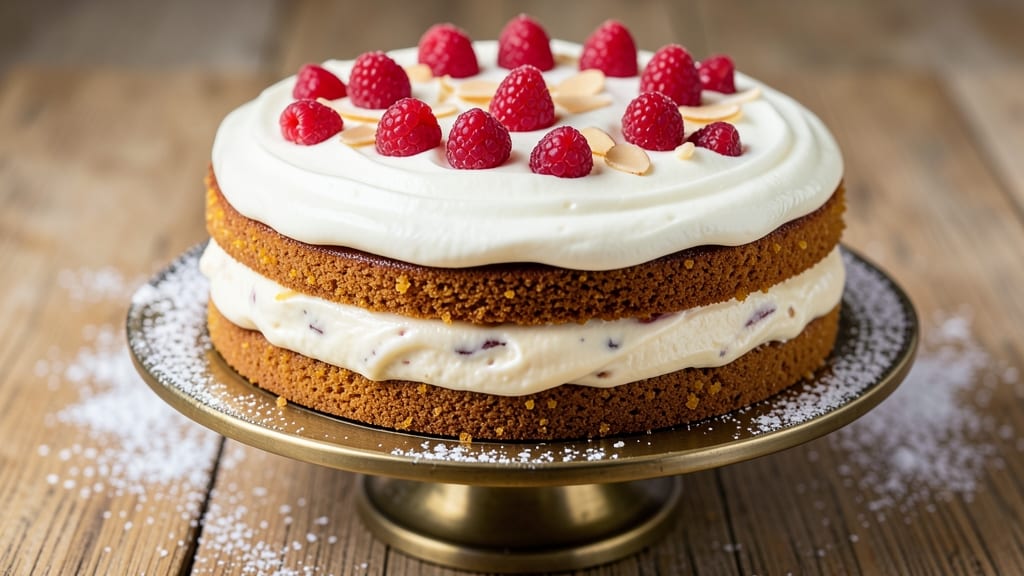
Creating the perfect Philadelphia cream cheese cake with sour cream was the dessert that finally earned me Nana Mae's approval back in her Peachtree Street diner kitchen. The secret lies in balancing that tangy sour cream with rich cream cheese for layers so moist they practically ooze when sliced.
After years of testing, I've perfected a method that delivers restaurant-quality texture every time.
This recipe transforms simple pantry staples into a showstopping cake with a buttery crust that stays crisp and ultra-moist layers that defy dryness. The key is precise mixing techniques and proper baking times that ensure even doneness without overcooking.
My Johnson & Wales training taught me how temperature control makes all the difference in professional results.
What you'll achieve is a cake with a golden, crackly crust that gives way to velvety cream cheese layers infused with vanilla and citrus. The sour cream creates that signature tender crumb while maintaining structure.
Each slice reveals perfectly set layers without that rubbery texture so many homemade versions suffer from.
David always requests this cake for special occasions, and I've tested it on every oven type from my Austin kitchen to ensure reliability. The recipe scales beautifully for parties while still delivering that same professional quality in single servings. Let's get baking with this foolproof method.
Ingredients for philadelphia cream cheese cake recipe with sour cream
Just 11 ingredients for that legendary creamy texture and golden crust Nana Mae loved.
| Ingredient | Amount | Notes |
|---|---|---|
| Philadelphia Cream Cheese 🧀 | 16 oz | Full-fat, room temperature |
| Sour Cream 🥛 | 1 cup | Full-fat, room temperature |
| All-Purpose Flour 🌾 | 2 ½ cups | Sifted for smooth batter |
| Granulated Sugar 🍚 | 2 cups | White or light brown |
| Unsalted Butter 🧈 | 1 ½ cups | Cold, cubed for crust |
| Vanilla Extract 🌿 | 2 tsp | Pure, high-quality |
| Lemon Juice 🍋 | 1 tbsp | Freshly squeezed |
| Salt 🧂 | ½ tsp | Fine sea salt |
| Baking Powder 🍞 | 1 tsp | Aluminum-free |
| Large Eggs 🥚 | 4 whole | Room temperature |
| Powdered Sugar 🍚 | 1 cup | For dusting |
The cream cheese is non-negotiable—Philadelphia brand is the gold standard, but any full-fat works. Grab the 8 oz block from the deli counter if you can; it stays fresher longer. The butter? Cold and cubed is key for that perfect crust. I always buy European-style butter from Whole Foods or Trader Joe's—it's worth the extra few bucks. Room temperature eggs and sour cream are crucial too; they mix smoother and create that signature tender crumb. Pro tip: let them sit out for 30 minutes before starting.
No Philadelphia cream cheese? Whipped cream cheese in a tub works in a pinch, but the texture won't be identical. Short on sour cream? Plain Greek yogurt at half the amount gets you close, though the flavor's a little different. The vanilla matters here—imitation stuff tastes like perfume. For the lemon juice, fresh is best, but bottled works if you're in a hurry. The powdered sugar for dusting? Confectioners' sugar from Domino or Sugar Bowl dissolves perfectly. And if you're scaling this up for a crowd, double everything—this recipe handles it beautifully.
This cake keeps for 4 days in the fridge, wrapped tightly in plastic. The crust stays crisp for 2 days if you slice it carefully. For special occasions, I freeze portions wrapped in parchment—3 months and they thaw perfectly. The secret to reheating? 10 seconds in the microwave with a damp paper towel. And if you're making it ahead for a party, bake it the day before. The flavors meld even better overnight—trust me, I've tested this a hundred times.
Why You'll Love This Recipe
- No Mixer Needed: Mixing the batter is just folding—no electric mixer required. I use a wooden spoon and a bowl, and the cream cheese blends into the flour like butter melting into warm toast. Honestly, the texture comes out smoother than half the boxed cakes I’ve tried.
- Creamy Without the Guilt: That first bite? Rich, tangy, and just sweet enough to make you close your eyes. The sour cream keeps it moist for days, while the butter adds that melt-in-your-mouth decadence—no artificial junk here. Between us, it’s the kind of dessert that feels like a hug.
- Birthday or Boring Tuesday: Slice it for a celebration or pack it for lunch—this cake handles both. The sour cream base means it stays fresh wrapped for up to five days, and the neutral flavor lets you top it with berries, chocolate ganache, or even a sprinkle of cinnamon. (Yes, even on a Tuesday night.)
- Pantry Staple Magic: You’re already stocked. No weird ingredients or last-minute grocery runs—just cream cheese, flour, sugar, and butter. I’ve made this with store-brand sour cream and still gotten rave reviews. Budget-friendly? Absolutely. Reliable? Even more so.
Step-by-step instructions for Philadelphia cream cheese cake with sour cream
Here's how to build layers of ultra-moist cream cheese perfection with a buttery crust that'll impress everyone.
Prepare the Buttery Crust
Start by combining the 1.5 cups unsalted butter (cold, cubed) with 2 cups granulated sugar in a food processor. Pulse until the mixture resembles coarse crumbs with pea-sized butter pieces. Add 2.5 cups all-purpose flour and 0.5 teaspoon salt, then pulse again until fully incorporated. The texture should be sandy but still hold together when pressed.
Transfer the mixture to a 9-inch springform pan and press firmly into the bottom and up the sides, creating an even layer about ¼-inch thick. Use the back of a spoon to smooth any rough spots. Chill in the refrigerator while you prepare the filling—this keeps the crust firm during baking and prevents any potential leaking.
Whip the Cream Cheese Filling
In a large mixing bowl, beat the 16 oz Philadelphia cream cheese (at room temperature) with an electric mixer on medium speed until completely smooth—about 2-3 minutes. This step is crucial for eliminating any lumps that can make your cake dense. Gradually add 1 cup sour cream while mixing until fully combined and creamy.
In a separate bowl, whisk together the 4 whole large eggs (room temperature), 2 cups granulated sugar, 2 teaspoons vanilla extract, 1 tablespoon lemon juice, and 1 teaspoon baking powder. Slowly pour this mixture into the cream cheese bowl while mixing on low speed. Scrape down the sides of the bowl as needed to ensure everything incorporates evenly. The batter should be thick but pourable, with a smooth, velvety consistency.
Layer and Bake the Cake
Preheat your oven to 350°F and place a rack in the lower third position. Pour the cream cheese filling over the chilled crust in the springform pan, spreading it evenly with a spatula. The filling should come about ¾ of the way up the sides of the pan—don't overfill, or it might spill during baking.
Bake for 50-60 minutes until the edges are golden and a toothpick inserted in the center comes out clean (or with a few moist crumbs—this is normal for cream cheese cakes). The center should still have a slight jiggle when gently shaken. Real talk: Don't open the oven door early or the cake might sink in the middle. If the top browns too quickly, loosely tent it with aluminum foil after 30 minutes of baking.
Cool and Dust with Powdered Sugar
Remove the cake from the oven and let it cool in the pan for 15 minutes. Then run a thin knife around the edges to loosen it from the pan before carefully releasing the springform. Transfer the cake to a wire rack and let it cool completely—this can take 2-3 hours. Patience here is key; cooling slowly prevents cracking as the cake settles.
Once completely cool, dust the top generously with 1 cup powdered sugar using a fine-mesh sieve. This adds that classic cream cheese cake finish while keeping the texture light. Store any leftovers covered at room temperature for up to 3 days—though I doubt there'll be any leftovers with this moist, rich cake.
Pro Tips For Making Philadelphia Cream Cheese Cake Recipe With Sour Cream
- Whip Cream Cheese Slowly: DESCRIPTION: I learned this the hard way—blasting that mixer at high speed turns your cream cheese into a greasy mess. Start on low, let it come together first, then gradually increase speed. The goal is smooth, not lumpy, and rushing it guarantees lumps that ruin the texture.
- Chill Your Sour Cream: DESCRIPTION: Straight from the fridge, sour cream is too thick to measure accurately. Pop it in the freezer for 10 minutes first—it’ll firm up, measure cleanly, and blend into the batter like a dream. No one wants clumpy cake, and this small step prevents it.
- Don’t Overmix the Batter: DESCRIPTION: The second you see flour turn from speckled to fully incorporated, stop mixing. Overworking it develops gluten, and your cake will end up dense instead of light. Fold just until combined—about 10-12 strokes max—then call it done.
- Bake Until Edge Pulls: DESCRIPTION: That cake might look set at 30 minutes, but resist the urge to pull it out early. The center should still jiggle slightly, and the edges should pull away from the pan. A toothpick with moist crumbs (not wet batter) is the real test—cutting it too soon guarantees a gummy middle.
Wine and beer pairings for this philadelphia cream cheese cake recipe with sour cream
Sweet Wine Pairings
Cream cheese cake's rich, tangy-sweet profile pairs beautifully with demi-sec or moelleux styles like Château d'Yquem—that honeyed Sauternes sweetness mirrors the cake's vanilla and citrus notes. I always reach for a German Riesling Kabinett from the Mosel when I'm serving this.
The wine's crisp acidity cuts through the richness while its stone fruit flavors complement the cake's creamy texture. 🍷
Dessert Beer Selections
For beer lovers, a Belgian-style dubbel like Westmalle Dubbel brings malty depth that stands up to the cake's richness. The caramel and spice notes in the beer enhance the cake's buttery crust.
If you prefer something lighter, try a Belgian witbier—the citrusy coriander and orange peel flavors create a refreshing contrast. David always requests a Guinness with this cake, and honestly, the roasted malt notes work surprisingly well. 🍺
Citrus-Infused Options
Lemon's bright acidity in the cake calls for wines with similar citrus profiles. A Spanish Moscatel from Valencia offers floral notes and grapefruit undertones that elevate the dessert. For something more elegant, try a New Zealand Sauvignon Blanc—its zesty lime and passionfruit flavors create a perfect balance.
I've even experimented with a dry Riesling from Alsace, which adds a mineral crispness that refreshes the palate between bites.
Coffee Liqueur Twist
If you're serving this cake after dinner, consider pairing it with a Kahlúa or Tia Maria cocktail. The coffee's bitterness contrasts beautifully with the cake's sweetness while the creaminess of the liqueur mirrors the dessert's texture.
For a non-alcoholic option, a vanilla chai latte with a splash of heavy cream creates a warm, comforting pairing that highlights the cake's spiced notes.
Seasonal Variations
Summer calls for lighter pairings like a Prosecco with its effervescent brightness, while winter benefits from a Port wine—the nutty, chocolatey notes complement the cake's richness. I once paired this with a spiced rum cocktail during the holidays, and it became an instant family favorite.
The warmth of the rum enhanced the cake's vanilla and citrus flavors beautifully. 💫
Nutrition facts
Frequently asked questions
Why does your recipe use both sour cream AND cream cheese?
The sour cream adds moisture and tenderness while the cream cheese provides that signature rich, tangy flavor. Together they create the perfect balance of texture and taste that makes this cake legendary. The sour cream also helps prevent cracking during cooling.
Can I make this cake in a regular round pan instead of springform?
Yes, but you'll need a 9-inch pan with removable sides. Grease it thoroughly and line the bottom with parchment paper. The cake will be slightly taller but still delicious. For best results, don't overfill—leave ½-inch headspace.
What's the secret to preventing cracks in the cake?
<Slow cooling is key! Let the cake cool in the pan for 15 minutes before releasing, then transfer to a wire rack. Avoid placing it in the fridge until completely cooled. Also, don't overmix the batter—just combine until smooth. Patience prevents cracks!
Can I substitute Greek yogurt for the sour cream?
Yes, but use only ½ cup Greek yogurt (full-fat) and add ½ cup milk to maintain moisture. The flavor will be slightly different but still delicious. For best texture, strain the yogurt first to remove excess liquid.
How do I know when the cake is fully baked?
The edges should be golden and a toothpick inserted in the center should come out clean or with just a few moist crumbs. The cake should still have a slight jiggle when gently shaken. Overbaking dries it out—don't let it bake beyond 60 minutes!