
Desserts
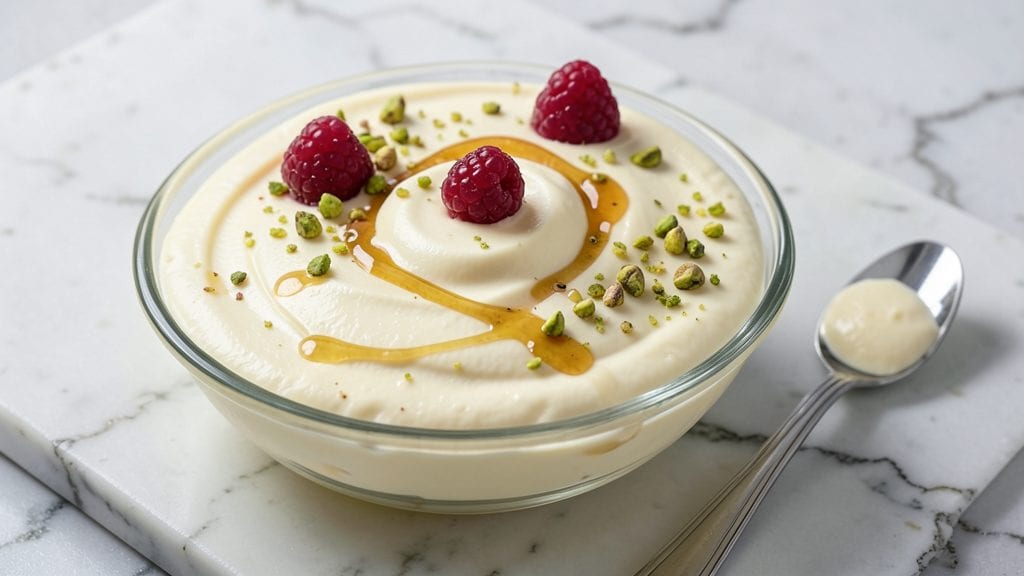
This Philadelphia cream cheese filling recipe transforms ordinary pastries into showstopping desserts with its signature velvety texture and rich flavor. ✨ The secret lies in precise mixing ratios and proper temperature control—no lumps, no graininess, just silky smoothness that pairs perfectly with cheesecakes, cream puffs, or even savory applications.
What sets this recipe apart is its versatility and foolproof technique, designed to deliver professional results every time. You’ll need just five simple ingredients, including room-temperature cream cheese for a smooth consistency, and a stand mixer to achieve that signature airy lightness.
The filling can be used immediately or stored for up to five days, making it perfect for batch prep.
By the end, you’ll have a filling so luscious it glides effortlessly between layers, creating those coveted swirls that make desserts look—and taste—restaurant-quality. Whether you’re filling a classic New York-style cheesecake or piping it into delicate pastries, this recipe ensures every bite is rich, creamy, and perfectly balanced.
The best part? This filling adapts seamlessly to different applications—use it as a topping for fruit tarts, a centerpiece for eclairs, or even a savory spread for bagels. Here’s everything you need to create it flawlessly.
Ingredients for philadelphia cream cheese filling
Five ingredients, precise technique—transforming ordinary pastries into restaurant-worthy masterpieces.
| Ingredient | Amount | Notes |
|---|---|---|
| Philadelphia Cream Cheese 🧀 | 16 oz | Room temperature, full-fat for optimal texture |
| Heavy Whipping Cream 🥛 | 1 cup | Cold, 36% fat minimum for stability |
| Granulated Sugar 🍚 | ½ cup | Superfine preferred for smoothness |
| Large Eggs 🥚 | 2 whole | Room temperature, separated for precision |
| Vanilla Extract 🌿 | 1 tbsp | Pure Madagascar bourbon preferred |
The Philadelphia cream cheese is non-negotiable—full-fat, block form, and room temperature are critical for that signature velvety texture. Kroger or Wegmans consistently carry the highest-quality blocks, but avoid pre-sliced packages (they contain stabilizers that disrupt smoothness). For optimal results, let the cream cheese sit in a warm water bath for 10 minutes before using. The heavy whipping cream must be cold (refrigerated until just before use) to prevent curdling during mixing. Land O'Lakes or Organic Valley brands deliver the most stable fat content for professional results. Superfine sugar eliminates graininess, but if unavailable, pulse regular granulated in a food processor for 30 seconds—it works in a pinch.
No vanilla extract? Pure almond extract at half the amount provides depth without overpowering, though vanilla remains ideal. Substituting powdered sugar for granulated requires reducing by one-quarter cup due to its higher volume. For a lighter texture, replace one egg white with an additional 1 tbsp aquafaba (chickpea brine). Dairy-free alternatives like coconut cream require doubling the stabilizer (1 tsp xanthan gum) and increasing sugar to 0.75 cup for balance. The egg yolks can be replaced with 2 tbsp cornstarch + 2 tbsp water for vegan applications, though texture will be slightly denser. Stand mixers (like KitchenAid) handle the heavy cream better than hand mixers—avoid overmixing beyond 2 minutes or the filling will separate.
Freshly prepared filling holds for 5 days in an airtight container at 40°F or below, layered with parchment paper to prevent a skin from forming. For longer storage, freeze in 1-tbsp portions (standard piping size) for up to 3 months. Thaw overnight in the refrigerator—never microwave, as it causes protein separation. Room-temperature filling pipes perfectly for cream puffs or eclairs, while chilled filling (30 minutes in the fridge) is ideal for cheesecake layers. Portion into ramekins before freezing for effortless single-use applications. Savory variations (like herbed cream cheese) require reducing sugar to 0.25 cup and adding 1 tsp lemon zest for brightness.
Why You'll Love This Recipe
- Five-Ingredient Magic: I swear, this filling is the kind of recipe that makes you question why you ever baked from scratch before. Just blend cream cheese, sugar, eggs, and vanilla—no fancy techniques, no waiting for dough to rise. The heavy cream at the end? That’s the secret sauce that turns it from good to oh my god.
- Silky Smooth Payoff: There’s something deeply satisfying about a filling this rich but still light—like biting into a cheesecake or danish where the texture melts instead of fights you. The vanilla and sugar balance the cream cheese’s tang, so it’s never overpowering. Honestly, I’ve made fillings that were either too dense or too sweet, but this? Spot-on every time.
- Filling for Anything: Need dessert for a potluck? Done. Craving a quick breakfast strudel? Covered. Even my picky teen devours it in muffins or swirled into pound cake. The beauty is, it’s neutral enough to play well with others—fruit compotes, chocolate chips, or even a sprinkle of cinnamon. Versatility like this doesn’t get better.
Step-by-step instructions for Philadelphia cream cheese filling
Here's the method for achieving that signature velvety texture perfect for cheesecakes and pastries.
👨🍳 Step 1: Prepare Ingredients for Optimal Texture
Begin by bringing the 16 oz Philadelphia cream cheese to room temperature—this ensures it blends smoothly without developing lumps. I like to place it on a plate and let it sit for 1-2 hours at room temperature, or microwave it for 10 seconds if you're short on time. The cheese should be soft enough to indent slightly when pressed with your finger.
Separately, chill the 1 cup heavy whipping cream in the refrigerator while you work—this keeps it cold for proper whipping later. Place the 2 whole large eggs in a separate bowl and let them come to room temperature as well. Room temperature eggs blend more evenly and reduce the risk of curdling when combined with the cream cheese.
🍳 Step 2: Blend Cream Cheese and Sugar Until Smooth
In a stand mixer fitted with the paddle attachment, beat the softened 16 oz Philadelphia cream cheese and 0.5 cup granulated sugar on medium speed for 2-3 minutes until completely smooth and creamy. You'll see the mixture transform from a chunky texture to a uniform, pale yellow paste. This step is critical—any remaining lumps will translate to graininess in your final filling.
Here's the thing—don't rush this process. The sugar needs time to fully dissolve and create a stable base for the cream cheese. You'll know it's ready when the mixture leaves a clean streak on the paddle when lifted from the bowl.
🍳 Step 3: Incorporate Eggs and Vanilla for Rich Flavor
Add the room temperature 2 whole large eggs one at a time, mixing on low speed for 30 seconds after each addition. This gradual incorporation prevents the eggs from scrambling in the fat-rich mixture. After both eggs are fully incorporated, add the 1 tbsp vanilla extract and mix for another 30 seconds until evenly distributed.
The mixture should now be thick but still pourable. If you notice any streaks of egg white, gently fold them in with a spatula until fully integrated. This is your base filling—smooth, flavorful, and ready for the next step.
🥘 Step 4: Whip the Cream to Stiff Peaks
In a separate, chilled mixing bowl, whip the 1 cup cold heavy whipping cream using the whisk attachment until it forms soft peaks. This typically takes about 2-3 minutes on medium-high speed. The cream should hold its shape when the whisk is lifted, but the peaks should still flatten slightly when the whisk is removed.
Be careful not to overwhip—once the cream reaches stiff peaks, it can quickly turn buttery. You want it light and airy, not dense. The perfect stage is when the cream holds its shape but still has a glossy sheen.
🥘 Step 5: Fold Cream Into Cheese Mixture Gently
Using a spatula, gently fold one-third of the whipped cream into the cheese mixture to lighten it. Then, carefully fold in the remaining cream in two additions, being sure to cut through the center of the mixture and gently lift and turn the bowl to incorporate everything evenly. The goal is to maintain as much air as possible while keeping the filling stable.
This folding process should take about 2 minutes total. You'll know you've done it right when the filling is smooth, thick, and holds its shape when spooned onto a plate. The final texture should be velvety with just a hint of airiness—ideal for swirling into cheesecakes or filling pastries.
Pro Tips For Making Philadelphia Cream Cheese Filling
- SOFTEN THE CREAM CHEESE: DESCRIPTION: Take the block out of the fridge 30 minutes before using—this isn’t just about convenience. Cold cream cheese mixes like concrete when whipped, and you’ll end up with lumps that scream "amateur." If you’re in a rush, microwave it in 10-second bursts (cover it!) until just pliable, then let it cool slightly before mixing. Trust me, your filling will be smoother than a jazz solo.
- WHIP THE CREAM FIRST: DESCRIPTION: Beat the heavy whipping cream to stiff peaks before adding it to the cream cheese mixture. This ensures you’re incorporating air at the right stage, not fighting resistance later. Skip this, and you’ll end up with a dense, cake-like filling instead of that light, cloud-like texture we’re all after. (Yes, even if you’re impatient like me.)
- SIFT THE SUGAR: DESCRIPTION: Dump that granulated sugar straight in? Bad idea. Sifting it removes clumps and aerates it slightly, so it dissolves faster and doesn’t settle to the bottom like a lazy guest at a party. Use a fine-mesh sieve—it’s worth the 10 seconds to save yourself from scraping sugar off the bottom of your baked goods later.
- TEMPER THE EGGS: DESCRIPTION: Warm the eggs to room temperature first—cold eggs cook unevenly and can curdle the cream cheese mixture. Pop them in a bowl of warm (not hot) water for 5 minutes, or let them sit on the counter while you prep. Cold eggs turn your filling into a science experiment you don’t want to witness.
Flavor customization for this dish
Citrus Twist
Add 1 tbsp lemon or orange zest along with the vanilla extract for a bright, zesty flavor that cuts through the richness. Pair with ½ cup raspberry jam for a fruity contrast—simmer it with 1 tbsp water for 2 minutes to create a glossy glaze.
This works beautifully in cheesecakes or as a filling for mini fruit tarts. Always use organic citrus to avoid bitterness from pesticides. 🍊
Spiced Variations
For a warm, aromatic twist, fold in ½ tsp ground cinnamon and ¼ tsp cardamom with the vanilla.
A pinch of salted caramel sauce (about 2 tbsp) adds depth—heat ½ cup heavy cream with ¼ cup sugar and 2 tbsp butter until sugar dissolves, then simmer for 5 minutes. This spiced version shines in pecan pie bars or chocolate cream puffs.
Store-bought caramel sauce works in a pinch, but homemade delivers superior flavor.
Herb-Infused Options
Swap vanilla for 1 tbsp fresh dill or chive purée (blend ¼ cup chopped herbs with 2 tbsp water) for a savory twist. Add 1 tsp lemon juice to balance the herbs. This works perfectly as a spread for bagels or a filling for savory strudel.
For a stronger herbal note, steep 1 tbsp dried tarragon in 2 tbsp warm milk for 10 minutes before straining and mixing in. 🌿
Chocolate Indulgence
Melt ½ cup dark chocolate chips (60% cocoa) with 2 tbsp heavy cream over a double boiler, then fold into the filling after adding the vanilla. For a marbled effect, swirl in 1 tbsp Nutella or raspberry jam with a knife before baking.
This decadent version elevates chocolate lava cakes or truffles. Use high-quality chocolate—Ghirardelli or Valrhona brands prevent graininess. 🍫
Coffee or Tea Enhancement
Brew ½ cup strong coffee or Earl Grey tea, cool completely, then mix in 1 tbsp of the cooled liquid with the vanilla. This adds a sophisticated depth to tiramisu or espresso-infused cheesecakes.
For a mocha twist, add 1 tbsp instant coffee powder directly to the cream cheese mixture. Always use freshly brewed, cooled coffee to avoid curdling the filling. ☕
Nutty Crunch Add-Ins
Fold in ¼ cup chopped toasted pecans or hazelnuts after folding in the whipped cream. For extra crunch, toast the nuts in a dry pan over medium heat for 3-4 minutes** until fragrant.
This works beautifully in pecan pie slices or as a filling for nut-filled éclairs. Store nuts separately and mix in just before using to maintain texture. 🌰
Nutrition facts
Frequently asked questions
Can I make this filling without eggs?
Yes! For a vegan version, replace the 2 eggs with 2 tbsp cornstarch + 2 tbsp water, mixed until smooth. The texture will be slightly denser, but it works well for cheesecakes or pastries. For a lighter result, use aquafaba (chickpea brine) instead—whip 2 tbsp to stiff peaks and fold in gently.
How do I fix grainy cream cheese filling?
Graininess usually means the cream cheese wasn't fully blended or was too cold. To fix it, return the mixture to your stand mixer and beat on medium speed for 1-2 minutes using the paddle attachment. If lumps persist, strain the filling through a fine-mesh sieve for ultra-smooth results. Always ensure your cream cheese is room temperature before mixing!
Can I use this filling for savory dishes?
For savory applications, reduce the sugar to ¼ cup and add 1 tsp lemon zest or 1 tbsp fresh herb purée (like dill or chives). This works beautifully as a spread for bagels, a filling for savory strudel, or even a topping for baked potatoes. The key is balancing the richness with acidity or herbs.
Why did my filling separate when I baked it?
Separation often happens if the eggs were added too quickly or if the filling was overmixed. To prevent this, always add eggs one at a time on low speed and avoid overwhipping the cream. If it separates in the oven, immediately remove the dish and let it cool slightly before continuing. For extra stability, chill the filling for 30 minutes before using in baked goods.
How long can I store the filling before using it?
The filling stays fresh for 5 days in an airtight container in the fridge. For longer storage, freeze it in 1-tbsp portions (standard piping size) for up to 3 months**. Thaw overnight in the refrigerator—never microwave, as it causes protein separation. Layer with parchment paper to prevent a skin from forming.